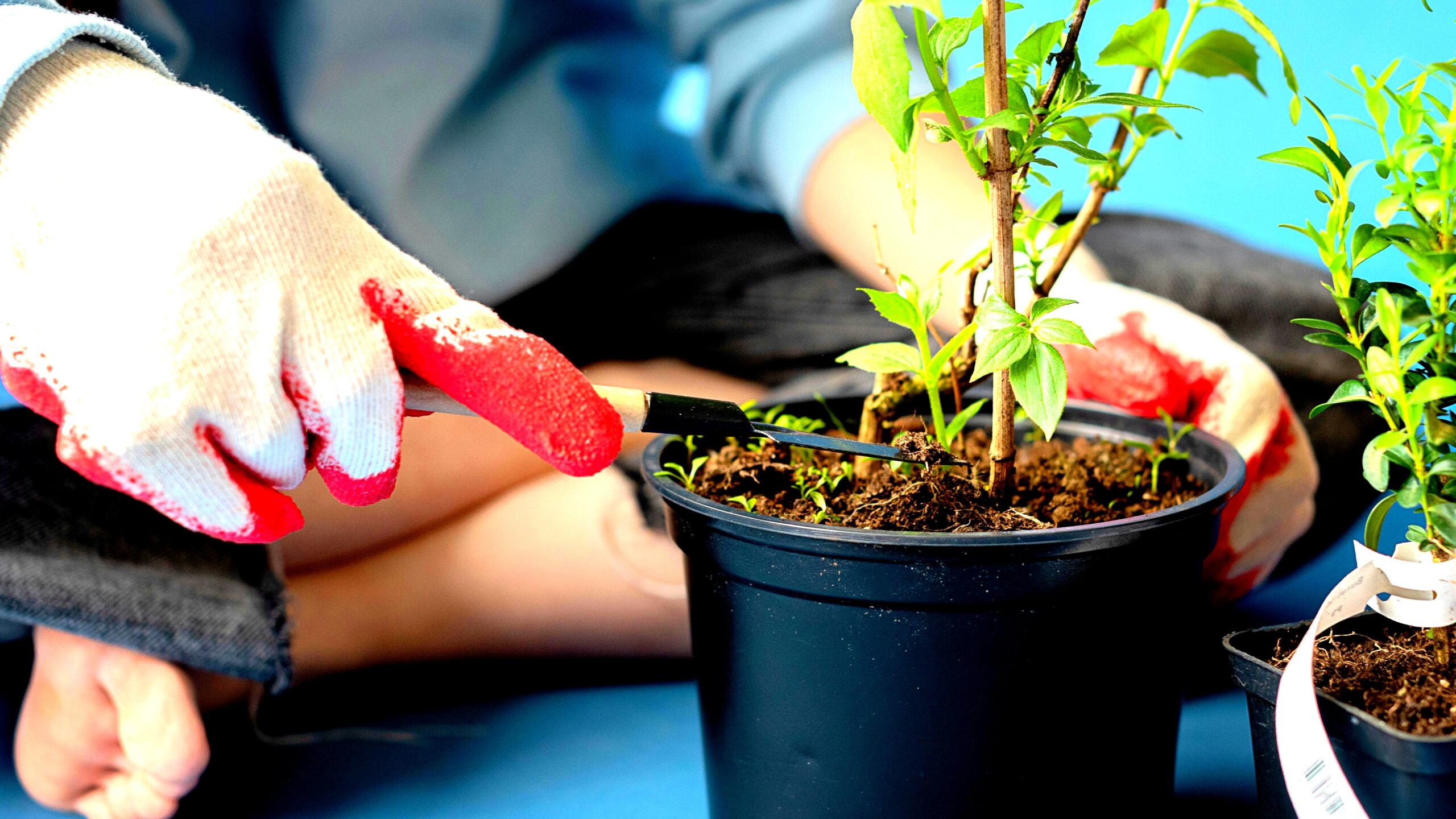
Tending to plants involves regular care like watering, pruning, and pest treatment, but also offers psychological benefits. For one couple, caring for many houseplants became a slow hobby during the pandemic, fostering mindfulness and a process-over-product mindset that applies to professional life. Tending to plants is the practice of nurturing indoor greenery through watering, pruning, and pest management, often fostering mindfulness and personal growth.
I moved into a new house with tall, East facing windows as the COVID-19 pandemic upended routines. The bright morning light that streamed through those panes felt like an open invitation. I began collecting houseplants during that isolated season, drawn to the quiet rhythm of caring for something alive. Each new leaf and emerging root anchored me to a gentler pace, turning a casual interest into a daily practice that reshaped how I approach both my home and my work.
I didn’t realize it then, but the simple acts of tending to plants—watering, pruning, checking for pests—were quietly fostering a new kind of attention. My first steps into indoor gardening were guided by TikTok tutorials. The short, punchy videos from plant enthusiasts deconstructed care routines and made me confident enough to place an order.
How We Started: First Plants and Online Orders
I bought one small clementine tree and two lemon trees from an online nursery, choosing varieties that could survive on my East-facing windowsills. TikTok became my go-to resource. The algorithm fed me a steady stream of creators demonstrating soil mixes, lighting conditions, and repotting techniques. Those bite-sized lessons transformed what could have felt overwhelming into a manageable, even addictive, new skill.
The platform’s format rewarded specificity: a 60-second clip on how to spot root rot gave me the courage to inspect my lemon tree when its leaves yellowed. Another showed exactly how much water a citrus tree really needs during winter dormancy. No single tutorial held all the answers, but the aggregate built a practical knowledge base I could act on immediately.
The barrier to entry dropped so low that I ordered a second round of plants before the first box even arrived. For anyone starting out, such visual, step-by-step resources strip away the guesswork that often kills beginner enthusiasm. They let you see the dirt under someone else’s fingernails before you commit your own.
How We Divide Plant Care Duties
Plant care in our house is not a solo effort. My husband manages the watering schedule for all the plants, while I handle the diagnosis and treatment of pests. We fell into this division without debate. He hates seeing a plant suffer, so he won’t let a watering date slip.
I’m the one who calmly inspects a stippled leaf under a magnifying lamp and decides whether it’s spider mites or just dry air. The natural split plays to our temperaments: he’s consistent, I’m investigative. That division of labor prevents the common trap where one partner becomes the sole plant custodian and the other feels excluded—or resentful when a fern dies.
It also builds a shared vocabulary; I’ll say the maranta has mealybugs again and he’ll know to quarantine that pot until I’ve treated it, while he adjusts the watering frequency since pests often exploit stressed plants, and the weekly check-in becomes a small ritual. We compare notes on new growth or subtle wilting, and that quiet coordination deepens the same mindfulness the plants themselves encourage; no spreadsheets, just a mutual rhythm that keeps our indoor garden steady.
What Thrives: Succulents, Air Plants, and a Growing Collection
One couple cares for many houseplants in their home. The collection spans windowsills, shelves, and hanging planters, yet a clear pattern emerged early: some plants forgive mistakes far more gracefully than others. Succulents store water in their fleshy leaves, requiring water only when the soil is bone dry, and thrive in East light. Air plants need only a weekly soak in room-temperature water and have survived forgotten waterings and dim corners.
These three groups have proven easiest to keep alive while demanding minimal attention. Cactuses are virtually indestructible in sunny spots, accepting sporadic watering and rewarding neglect with slow, sculptural growth. A small barrel cactus grown well over time while requiring nothing more than a south-facing sill and a drink every few weeks.
What We Learned About Process Over Product
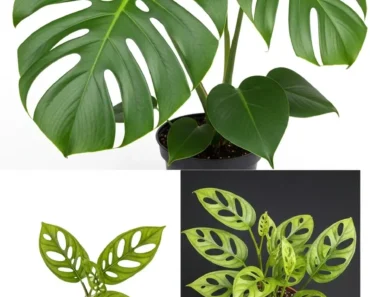
The most enduring lesson from tending to plants isn’t about perfect foliage; it’s about learning to value the steady, unglamorous steps that lead to growth. Checking soil moisture with a fingertip, wiping dust from broad monstera leaves, isolating a plant at the first sign of scale—these small acts demand presence. They can’t be rushed. Over time, that patience seeped into how I think about work.
Valuing the process over the product extends from plant care to professional work. At McMillan Education, I’ve found that the same deliberate, incremental approach produces better outcomes than chasing a finished result. Whether I’m nurturing a succulent or guiding a client through a long-term placement, the payoff comes from showing up consistently, not from forcing an endpoint.
This mindset shift has practical roots: when a calathea drops leaves after a draft, I don’t discard it; I move it, adjust humidity, and wait. The plant’s rebound—slow, uneven, but real—mirrors the kind of growth that matters in any meaningful role. Indoor gardening stripped away my tendency to optimize for speed. Now I notice more: the springy tension of a well-hydrated stem, the faint fragrance of citrus blossoms in February; those moments aren’t milestones; they’re just the texture of a quiet practice that feeds a calmer, more attentive life.
FAQ
Q: How many plants should I start with as a beginner?
A: Begin with one or two easy plants like succulents or air plants. The author started with a clementine tree and some lemon trees, but quickly grew to many plants. Start small and expand as you learn.
Q: Can tending to plants really improve mindfulness?
A: Yes, the routine of watering, pruning, and pest management creates a quiet daily practice. For the author, this routine fostered patience and a process-focused mindset.