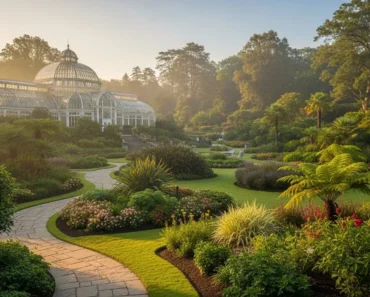
To organize garden work zones, start by auditing your yard’s sun exposure, water access, and wind patterns. Then set up five zones: a potting station near water and soil storage, quick-access tool storage by beds, planting areas matched to light conditions, a composting zone downwind from seating, and a protected indoor seed starting area. A gardening area is a dedicated section of your backyard organized by function—potting, tool storage, planting, composting, and seed starting—each positioned based on sun, water, and wind conditions to improve efficiency.
What Are Garden Work Zones?
Leland Ave Studios identifies these five essential categories as the practical backbone of a well-organized outdoor workspace. A potting station sits near water and soil storage, while quick-access tool storage keeps shears and twine at arm’s reach. Planting and growing zones follow the light, and the composting zone sits where odor won’t drift onto the patio.
An indoor seed starting area completes the system, giving early crops a protected start away from late frosts. Each zone is placed only after you understand how sun, shade, and airflow move across your yard.
How to Audit Your Yard’s Conditions
Walk your space at morning, noon, and late afternoon, noting where light lands and how long it lingers. A single oak tree can dictate the layout of productive garden zones. Leland Ave Studios mapped four distinct light patterns to position its own zones, and the same method works in any established yard.
- Full-shade pockets: At Leland Ave Studios, a massive oak tree in the center yard creates deep, lasting shade on the north side. This area stays too dark for most vegetables and flowering perennials, but it suits ferns and woodland ground covers.
- Full-sun production areas: The back of the Leland Ave Studios yard receives full, intense afternoon sun. That spot is ideal for tomatoes, peppers, cut flowers, and other plants that demand at least six hours of direct light.
- Hardscape heat traps: The hardscape area at Leland Ave Studios bakes in strong afternoon sun. Reflected heat from paving makes it excellent for drought-tolerant herbs or a sheltered potting station.
- House-shaded borders: The narrow strip against the house at Leland Ave Studios is too shady for echinacea and day lilies. Instead, it supports hostas, astilbe, and other shade-tolerant ornamentals with lower water needs.
Wind and water access complete the audit. Note where the hose reaches easily, which corners catch harsh gusts, and how close the kitchen door sits to potential compost and harvest routes.
How to Set Up a Potting Station
Potting stations require a level, well-draining surface near a water source. Leland Ave Studios adds that the spot should also sit close to soil storage and offer protection from strong winds—a shed wall or fence provides much-needed shelter. The working setup at Leland Ave Studios uses a yard-sale table topped with a washable cover, shelving on the shed wall for pots and trays, and sturdy bins stored underneath for potting mix and amendments. A trash bin right next to the table catches spent soil and plant debris, keeping the area clean.
- Find a flat, sheltered spot within a hose’s reach of a spigot and no more than a few steps from your soil and compost storage.
- Place a weather-resistant table—old wooden tables work if sealed—against a wall or fence for wind protection.
- Install shelving on the wall above for pots, seed trays, hand tools, and plant markers.
- Slide large, lidded bins under the table to hold different potting mixes, perlite, and slow-release fertilizers.
- Keep a lidded trash bin beside the table for immediate cleanup; empty it into the compost pile weekly.
How to Organize Tool Storage
Leland Ave Studios splits tool storage into two layers: quick-access points right by the beds and a main storage system in the shed. This dual setup puts everyday essentials in your path without cluttering the workspace.
- Quick-access: Metal buckets stationed near garden beds hold trowels, hand weeders, and bypass pruners. Wall-mounted hooks by the back door receive harvest baskets and gloves, while a dedicated shelf or peg keeps twine and snips always visible.
- Main storage: A pegboard inside the shed, organized with labeled tool outlines, holds pruning saws, loppers, and specialty hand tools in plain sight. Heavy tools like shovels, rakes, and hoes hang on a wall-mounted track system to keep floors clear. Labels on bins for seed packets, plant ties, and spare blades mean no one wastes a sunny Saturday hunting for a missing nozzle.
When everything has a labeled home, the morning workflow speeds up. Grab the hand bucket, fill the watering can, and head straight to the beds.
How to Plan Planting and Growing Zones
Leland Ave Studios groups planting areas by shared conditions rather than scattering plants randomly. The approach sorts beds by four factors that determine how much time and water each zone demands.
- Sun exposure: Full-sun vegetables, cutting flowers, and herbs go in the back stretch that soaks up afternoon light. Shade-tolerant greens, woodland flowers, and hostas fill the ground under the oak canopy or along the north-facing house wall.
- Water needs: Thirsty crops like celery, lettuce, and cucumbers cluster near the hose bib and potting station. Drought-tolerant plants—lavender, rosemary, sedum—thrive in drier perimeter spots without daily watering.
- Maintenance requirements: Beds that need frequent deadheading, staking, or pest checks belong on the main walking routes. Low-care shrubs and ground covers can line the far edges where you pass less often.
- Plant types: Vegetables and ornamentals stay in separate beds so fertilizers and pest treatments never conflict. Tall crops like corn and sunflowers occupy the north side of a bed to avoid casting shade on shorter plants.
Mark each zone on a rough sketch after the audit, and adjust through the season as you learn where plants truly perform.
How to Create a Composting Zone
Composting zones should sit downwind from seating and accessible from both house and garden. Leland Ave Studios places its compost setup far enough from the house that odor never reaches the patio, but close enough to the garden that hauling wheelbarrows of dead plants takes minutes, not an afternoon. The current setup is a basic pile on open ground for dead plants, spent potting soil, and disease-free garden waste.
- Determine the prevailing wind direction and select a spot that carries smells away from dining areas and seating.
- Clear a direct path from the kitchen door (for vegetable scraps and coffee grounds) and from the main garden beds.
- Start a simple pile directly on the soil, or build a three-bin system with untreated pallets to manage stages of decomposition.
- Layer dead plants, spent foliage, fruit and vegetable scraps, shredded cardboard, and grass clippings; aim for a mix of brown and green materials.
- Turn the pile every two to three weeks with a garden fork to introduce oxygen, which speeds breakdown and reduces odors.
Keep a small lidded bucket under the kitchen sink for daily scraps, moving it out to the pile before it gets heavy.
How to Start an Indoor Seed Starting Area
Leland Ave Studios begins seed starting on Long Island 6 to 8 weeks before the mid-April last frost date. The studio runs an indoor seed starting setup that relies on a folding table in a sunny window, seed starting trays, a simple watering system, and a clear labeling system. The area demands steady light, protection from cold drafts, and enough space to check moisture and germination daily without moving furniture.
- Calculate the last frost date for your area; on Long Island that lands in mid-April, so count back 6 to 8 weeks and sow tomatoes and vegetable seeds indoors in late February to early March.
- Place a sturdy, waterproof table near a south-facing window. If natural light is weak, install full-spectrum grow lights and keep them on 14 to 16 hours a day.
- Fill seed starting trays with sterile seed-starting mix, sow at the depth listed on each packet, and label every row with the variety and sowing date.
- Set up a watering system—a spray bottle for gentle misting or a capillary mat underneath the trays—to keep soil evenly moist without washing out fragile seeds.
- Check daily for germination, adjust light height as seedlings stretch, and thin crowded cells to one strong plant per plug.
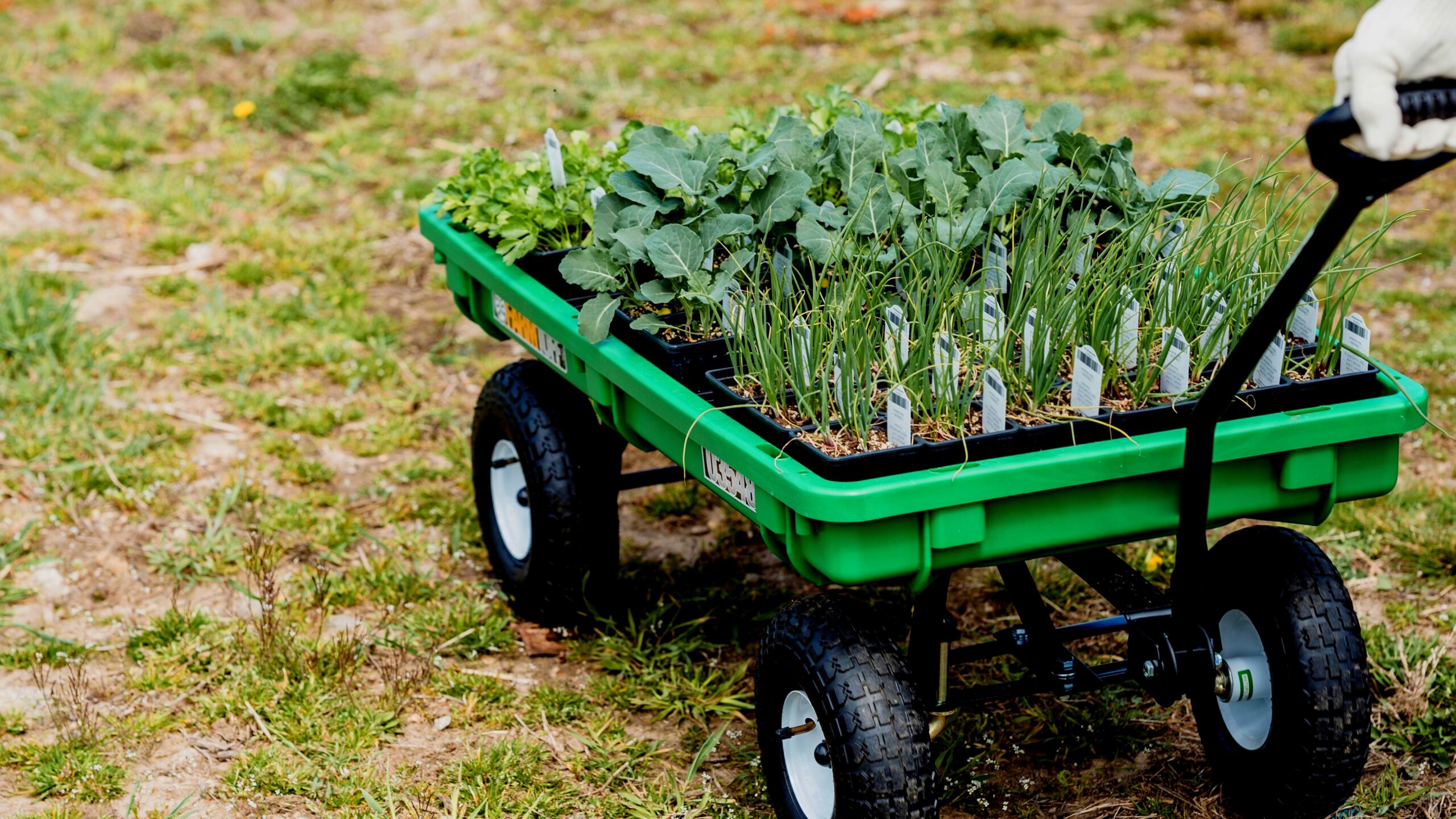
Move hardened-off starts outside after the last frost passes and soil warms, placing them in the planting zones you mapped during the audit.
Conclusion
Five garden work zones—potting, tool storage, planting, composting, and seed starting—turn a scattered backyard into a smooth-working system. You begin by walking the yard to map how sun and shade fall, where water reaches, and which way the wind blows. Those observations give every zone a proven location instead of a random guess. Start with one zone, build what your space and budget allow, and adjust as you watch how the yard responds through the seasons.
FAQ
Q: What are garden work zones?
A: Garden work zones are dedicated areas organized by function—potting, tool storage, planting, composting, and seed starting—each placed based on sun, water, and wind to boost efficiency.
Q: How do I decide where to put each zone?
A: Start by auditing your yard’s sun exposure, shade patterns, water source locations, and wind. Then match each zone’s needs to the best spot. For example, potting needs level ground near water.
Q: Where should a composting zone go?
A: Place it downwind from seating areas and within reach of both the kitchen and garden. A basic pile far from the house works for garden waste and dead plants.
Q: When should I start seeds indoors on Long Island?
A: Leland Ave Studios recommends starting tomato and vegetable seeds indoors 6 to 8 weeks before the mid-April last frost date. Use a sunny window or grow lights.