Green gardening is a stewardship approach that avoids synthetic chemicals, uses manual or electric tools, and focuses on native plants and natural soil enrichment to preserve the earth’s richness and health. It is also known as gardening green.
What Is Green Gardening?
Green gardening is defined as gardening that preserves the richness, beauty, and essential character of the earth. This definition places stewardship at the center of the practice. The word “green” here signals a responsibility to protect and enhance the land’s inherent qualities rather than override them with synthetic inputs.
What Are the Hidden Costs of Chemical Lawns?
Chemical lawns often rely on heavy use of herbicides, pesticides, and fungicides. These chemicals can destroy soil ecosystems by wiping out the microbial life that plants depend on. They also run off into lakes and streams, carrying toxins far beyond the yard. The damage compounds when poor practices combine with chemical dependence.
Using blowers on bare soil destroys soil ecosystems by physically stripping away organic matter and compacting the surface. Compaction prevents water infiltration and root growth. Failure to replenish soil with organic material and nutrients destroys soil ecosystems over time, leaving a lifeless mineral substrate that requires ever more synthetic inputs to sustain any growth. A lawn maintained this way becomes a chemical treadmill with no off-ramp.
How Do Gas-Powered Tools Contribute to Air Pollution?
Gas-powered garden tools emit significant air pollution because their small engines burn fuel inefficiently. Inefficient burning of fossil fuels by small engines contributes to acid rain and ozone depletion, adding a layer of atmospheric harm that few gardeners connect to their weekend chore. Switching to electric or manual tools eliminates this pollution at the source.
Why Start with Native Plants?
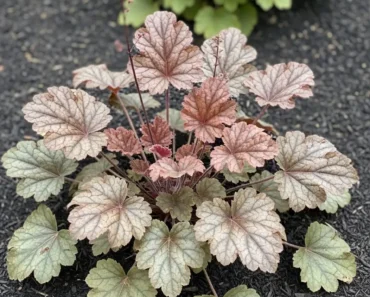
Native plants offer better food and shelter for native birds because they co-evolved with local wildlife and provide the right insects, seeds, and nesting opportunities that non-native plants lack. The benefits extend below ground as well, where deep root systems improve soil structure and build organic matter. This dual benefit supports both wildlife and soil health.
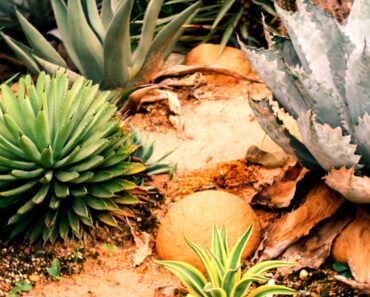
Native plants are adapted to local heat and sandy soil conditions, meaning they thrive without soil amendments or extra irrigation. Their deep root systems hold soil in place, channel water downward, and build organic matter year after year. A garden anchored by natives becomes more resilient to drought and temperature swings. It also hums with activity, from pollinators on coneflowers to songbirds in a shagbark hickory.
How Can You Manage Water Sustainably?
Sustainable gardening involves choosing plants that do not require excessive water beyond natural provision. A locally evolved species won’t need a sprinkler. That match eliminates waste and saves time and money.
Sustainable gardening also includes capturing and using overabundant water during heavy storms. This reduces pollution. Rain barrels, swales, and rain gardens slow that water down and direct it to planting beds instead of storm drains. The captured water recharges plant roots during dry spells and reduces runoff that would carry pollutants downstream.
How Do You Enrich Soil Naturally?
Using leaves enriches soil without buying compost. This avoids the plastic bags, trucking emissions, and expense of bagged amendments. A thick layer of shredded leaves applied in fall feeds earthworms and fungi through winter and becomes crumbly, dark humus by late spring. The soil’s structure improves every season this cycle repeats.
Recycling nitrogen-rich grass clippings returns a significant portion of the nitrogen that grass needs, reducing the call for bagged fertilizer. This builds soil. Clippings also shade the soil surface, slowing evaporation and suppressing weed germination. The combination of leaves and clippings forms a closed-loop fertility system that builds topsoil from materials already on site.
How Do You Choose Low-Impact Tools and Methods?
Green gardening relies mostly on manual tools and electric tools. A sharp push reel mower, a stirrup hoe, and a battery-powered trimmer handle the work without noise and fumes. These tools demand no fuel mixing, no pull-start wrestling, and far less maintenance than their combustion counterparts. They also make it possible to garden early in the morning without waking the entire neighborhood.
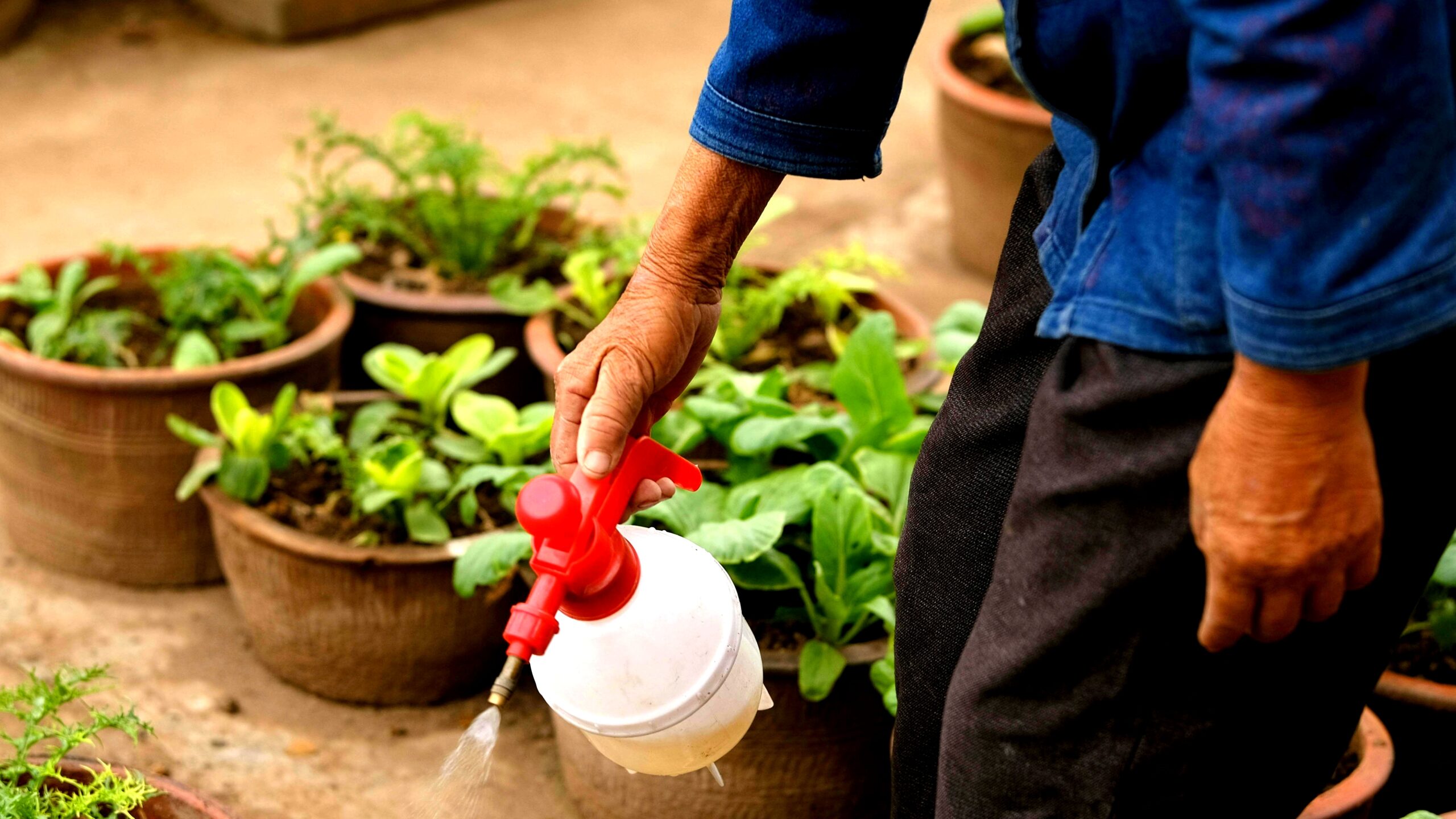
Green gardening avoids synthetic chemicals as much as possible. Instead of reaching for a spray bottle at the first sign of aphids, the response might be a blast of water, an insecticidal soap, or simply waiting for lady beetles to arrive. Weed control shifts to mulch, hand-pulling after rain, and dense planting that leaves little open ground for invaders. The result is a garden where beneficial insects and soil microbes can do their work uninterrupted.
Conclusion
Green gardening replaces a regimen of chemical inputs and fossil-fueled tools with choices that build rather than deplete. It runs on leaves, native plants, captured rain, and manual effort instead of synthetic herbicides and two-stroke exhaust. The payoff is tangible: cleaner water downstream, living soil underfoot, birds working the seedheads, and a quieter, healthier yard that regenerates itself a little more each season. Stewardship isn’t a sacrifice; it is the more interesting, more alive way to garden.
FAQ
Q: What is green gardening?
A: Green gardening is a stewardship-based approach that avoids synthetic chemicals, uses manual or electric tools, and prioritizes native plants and natural soil enrichment to preserve the earth’s health. Q: How does green gardening help the environment?
A: It eliminates chemical runoff that harms water bodies, reduces air pollution from gas tools, and supports native wildlife by using plants adapted to local conditions.
Q: Can I transition my existing lawn to a green garden?
A: Yes. Start by reducing herbicide use, replacing some lawn with native plants, collecting leaves for soil, and switching to electric tools. Small steps make a difference.