You spend hours watching chickadees flit between branches and cardinals hop along the lawn. You fill feeders, set out water, and maybe even let a patch of clover grow wild. Yet one thing might still feel missing from your backyard bird haven: a single shrub that pulls double duty as both a food source and a hiding spot. It is a compact, four-season workhorse that quietly turns your garden into a nonstop avian diner and safe house.
Why Most Hydrangeas Disappoint Bird Lovers
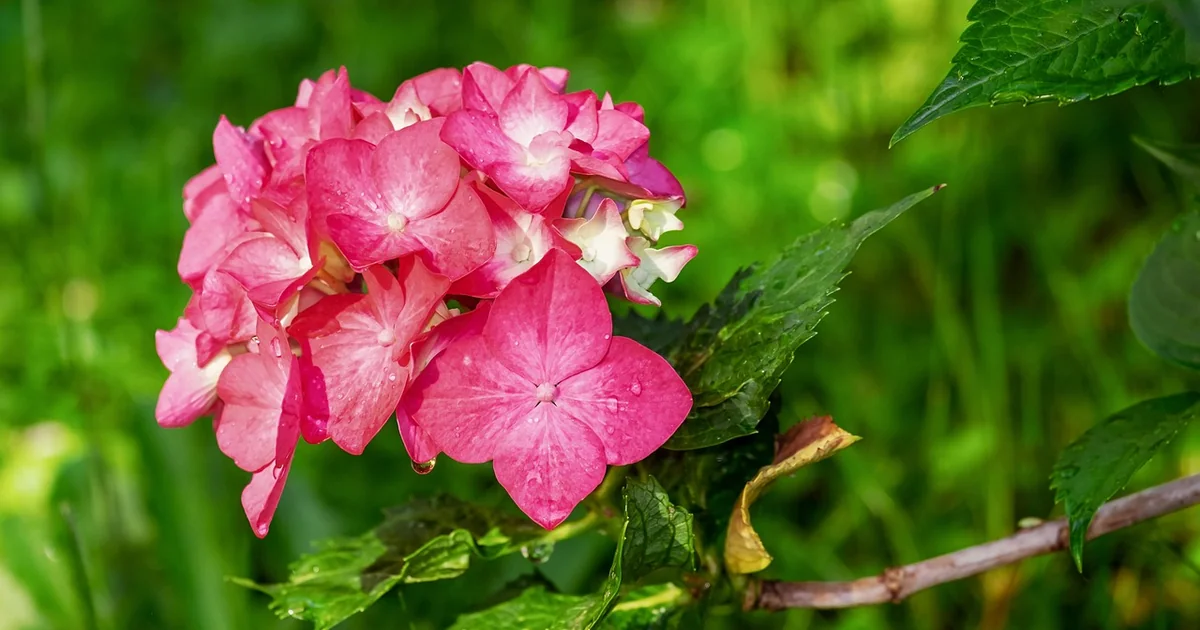
Walk through any nursery in spring and you will see rows of mophead hydrangeas with their globe-like flower clusters. Those big, puffy blooms look stunning in a vase. But from a bird’s perspective, they offer almost nothing. The reason lies in the flowers themselves.
The Sterile Flower Problem
Mophead and lacecap hydrangeas produce mostly sterile flowers. These showy blossoms lack the reproductive parts that produce nectar and pollen. Insects have little reason to visit them. Without insects, songbirds lose a critical food source, especially during nesting season when chicks need protein-rich bugs every few minutes.
A single chickadee pair may feed their young up to 6,000 caterpillars before the babies fledge. That is a staggering number. If your garden lacks insect-friendly plants, those parents must search farther and harder for each meal. They burn energy they cannot spare.
Enter the Oakleaf Hydrangea: A Bird Magnet
This is where the oakleaf hydrangea songbirds rely on makes all the difference. Unlike its sterile cousins, the oakleaf hydrangea produces fertile flowers. These blossoms contain both showy sepals and tiny, functional florets that produce nectar. Bees, butterflies, and other beneficial insects flock to them.
More insects means more food for birds. It is a simple equation that transforms your yard from a pretty picture into a functioning ecosystem.
What Makes Oakleaf Hydrangea Different?
The leaves of this shrub resemble those of an oak tree, hence the name. They are deeply lobed and textured, providing excellent cover for small birds. The branching structure is dense and layered, creating natural hiding spots where finches, wrens, and sparrows can dart in and out of view.
Predators like hawks and cats have a harder time reaching birds that can vanish into the tangle of stems. For a chickadee or a titmouse, that dense cover means the difference between a safe nap and a narrow escape.
The ‘Ruby Slippers’ Cultivar: Compact and Powerful
Among oakleaf hydrangeas, ‘Ruby Slippers’ stands out as a top choice for bird-friendly gardens. This cultivar grows only 3 to 4 feet tall and wide, making it perfect for smaller yards or tight border spaces. It thrives in USDA Zones 5 through 9, so it suits a wide range of climates.
Four Seasons of Bird Value
Spring brings fresh green leaves and the first signs of new growth. The dense canopy provides early nesting cover before many other shrubs have leafed out fully. Birds start scouting for safe spots to build their nests as early as March in warmer regions.
Summer is the big show. The flowers emerge creamy white in June or July, then slowly deepen to rosy pink. During this time, the fertile florets draw in a steady stream of insects. You will see small bees, hoverflies, and even butterflies working the blooms. For parent birds feeding hungry nestlings, this shrub becomes a reliable takeout window just steps from their nest.
Fall transforms the foliage into shades of burgundy, mahogany, and deep red. The dried flower heads remain on the plant, offering texture and interest. Birds continue to pick at any remaining seeds or insects hiding among the spent blooms.
Winter might be the most surprising season. After the leaves drop, the peeling cinnamon-colored bark adds visual appeal. But more importantly, the woody framework and dried flower heads provide critical shelter. Small birds roost among the branches on cold nights, protected from wind and snow. The dried flower clusters can hold tiny insects that birds find during lean winter days.
How to Plant for Maximum Bird Benefit
Getting the most from your oakleaf hydrangea songbirds habitat requires a little planning. Follow these steps to create a welcoming space for your feathered neighbors.
Choose the Right Location
Oakleaf hydrangeas prefer partial shade to full sun. In hotter climates, afternoon shade helps prevent leaf scorch. Morning sun with afternoon shade works beautifully. The plant will produce more flowers with adequate light, and more flowers mean more insects.
Place your shrub where birds can easily spot it from nearby trees or feeders. A position near a window gives you a front-row seat to the action.
Prepare the Soil
These shrubs like moist, well-draining soil with plenty of organic matter. Before planting, work in a few inches of compost or aged manure. This improves drainage and provides nutrients that support healthy growth and abundant blooms.
Test your soil pH if you can. Oakleaf hydrangeas prefer slightly acidic to neutral soil. If your soil is very alkaline, consider amending it with sulfur or planting in a raised bed with amended soil.
Watering and Mulching
Keep the soil consistently moist during the first growing season. Once established, oakleaf hydrangeas have moderate drought tolerance, but they perform best with regular water during dry spells.
Apply a 2 to 3 inch layer of organic mulch around the base. Shredded bark, leaf mold, or pine straw all work well. Mulch conserves moisture, moderates soil temperature, and slowly adds nutrients as it breaks down. It also creates habitat for ground-dwelling insects that birds love to eat.
Pruning for Bird Habitat
One of the best features of the oakleaf hydrangea is its low-maintenance nature. You do not need to prune it heavily to keep it looking good or to encourage blooms. In fact, pruning too much can reduce the bird habitat value.
When to Prune
Prune only to remove dead, damaged, or crossing branches. The best time is late winter or early spring, just before new growth begins. This timing preserves the dried flower heads that provide winter shelter.
If you want to shape the shrub, do it lightly. Avoid cutting back more than one-third of the plant in a single year. Heavy pruning reduces nesting cover and flower production for the coming season.
Leave the Seed Heads
Resist the urge to deadhead the spent flowers. The dried flower heads add winter interest and provide hiding spots for small birds. They also hold seeds that some bird species will eat. Leave them standing until late winter, then cut them off if you prefer a tidier look before spring growth begins.
What If You Have a Shady Spot?
Many gardeners worry that their yard is too shady for hydrangeas. The good news is that oakleaf hydrangeas tolerate more shade than many flowering shrubs. In low-light conditions, they may produce fewer flowers, but they will still create excellent bird habitat.
The dense branching structure develops well even in partial shade. Birds care more about cover and food than about flower quantity. A shady oakleaf hydrangea still provides nesting sites and shelter from predators. The insect population may be slightly lower in deep shade, but the shrub will still attract enough bugs to support local birds.
How to Identify Oakleaf Hydrangea at the Nursery
Walking into a garden center can feel overwhelming when you are looking for a specific plant. Here is how to spot an oakleaf hydrangea quickly.
First, look at the leaves. Oakleaf hydrangea leaves are large, deeply lobed, and resemble oak tree leaves. They feel slightly rough to the touch. Mophead hydrangeas have rounder, smoother leaves with serrated edges.
Second, check the flower shape. Oakleaf blooms are cone-shaped, similar to a panicle hydrangea but more elongated. The flowers start white and age to pink or rose. Mophead flowers are round and globe-like.
Third, read the plant tag. Look for the botanical name Hydrangea quercifolia. Cultivar names like ‘Ruby Slippers’, ‘Snow Queen’, or ‘Alice’ confirm you have an oakleaf variety.
You may also enjoy reading: 7 Reasons Hummingbirds Like Petunias.
Why Small Birds Love the Dense Branches
Small songbirds like chickadees, titmice, wrens, and finches have specific needs when it comes to shelter. They prefer shrubs with many small branches that create a tangled interior. This structure lets them move around while staying hidden from predators.
The oakleaf hydrangea naturally grows with multiple stems from the base. Over time, these stems create a thicket of branches at different heights. Birds can perch lower down near the ground or higher up near the flower heads. This vertical layering mimics the structure of a forest edge, which is exactly the kind of habitat many songbirds evolved to use.
During nesting season, female birds search for spots where they can build a secure nest. The fork where two branches meet, hidden behind leaves, makes an ideal location. The dense foliage also helps regulate temperature inside the nest, keeping eggs and chicks cool in summer heat.
Winter Shelter That Lasts
Many gardeners assume that once the leaves fall, their yard offers nothing for birds. The oakleaf hydrangea songbirds rely on during winter proves that assumption wrong. Even bare branches provide value.
The dried flower heads remain attached to the plant for months after flowering. These papery clusters catch snow and create small pockets of air that insulate roosting birds. On frigid nights, a chickadee can tuck itself into a cluster of dried flowers and stay several degrees warmer than the surrounding air.
The peeling bark also serves a purpose. Small insects and spiders overwinter in the crevices of the bark. Birds that forage actively during winter, like nuthatches and kinglets, will search these cracks for food. Your shrub becomes a living pantry that sustains birds through the leanest months.
Combining Oakleaf Hydrangea with Other Bird-Friendly Plants
While a single oakleaf hydrangea makes a difference, combining it with other plants creates an even richer habitat. Think of your yard as a layered ecosystem.
Plant taller trees or shrubs nearby to provide high perches and additional cover. Native oaks, dogwoods, and serviceberries all support insects and produce berries that birds eat. Place your oakleaf hydrangea in the understory layer, where it can fill the gap between ground covers and tree canopies.
Add a ground layer of native ferns, wild ginger, or low-growing perennials. These plants offer cover for ground-feeding birds like thrushes and towhees. They also host insects that emerge from the leaf litter.
Include a water source within sight of your hydrangea. A shallow birdbath or a small recirculating fountain gives birds a place to drink and bathe. Place it near the shrub so birds can quickly retreat to cover if they feel threatened.
Avoiding Common Mistakes
Even a low-maintenance shrub can fail to attract birds if you make a few common errors. Here is what to watch out for.
Do not plant your oakleaf hydrangea in a spot that is too dry. While it tolerates some drought, consistent moisture supports more vigorous growth and better flower production. Dry soil leads to smaller plants with fewer flowers and less dense branching.
Avoid using chemical pesticides on or near your hydrangea. Broad-spectrum insecticides kill the very insects you want to attract for birds. If you must control pests, use targeted methods like hand-picking or insecticidal soap applied only to affected areas.
Do not crowd the shrub with other plants that compete for light and water. Give it room to spread to its full size. A cramped oakleaf hydrangea will not develop the dense structure birds need for nesting and shelter.
Finally, resist the temptation to tidy up the garden too aggressively in fall. Leaving fallen leaves under the shrub provides habitat for insects that birds eat. The natural debris also feeds the soil as it decomposes.
The Bigger Picture: Why This Matters
Suburban and urban landscapes cover millions of acres across North America. Most of these yards consist of lawn and a few ornamental plants that offer little to wildlife. By choosing plants like the oakleaf hydrangea, you can turn a small patch of land into a vital stopover for migrating birds and a home for resident species.
Research shows that yards with native and near-native plants support significantly more birds than those planted solely with exotic ornamentals. The oakleaf hydrangea, while not native to all regions, provides far more ecological value than sterile hybrid hydrangeas. It bridges the gap between beauty and function.
Every chickadee that raises its young in your shrub, every wren that sings from its branches, and every finch that picks insects from its leaves is a sign that your garden is working. You do not need a sprawling property or a degree in ecology. You just need one good shrub planted in the right place.
So go ahead and find a spot in your yard for a ‘Ruby Slippers’ oakleaf hydrangea. Your feathered neighbors will thank you with their songs.