Small-space gardening has always meant tough choices — deciding which vegetables to leave out, which flowers to sacrifice, and which corners to cram with too many plants. The botanical bento approach pushes back on that entire trade-off mindset. Instead of shrinking a conventional garden, you treat a single container or raised bed as a self-contained system, organized with precise compartmentalization. That shift in perspective transforms two square feet (0.6 sq m) into a productive, visually cohesive garden where nothing competes unnecessarily and every plant earns its spot. These bento gardening tips will help you set up that system, keep it running, and harvest more from less space than you thought possible.
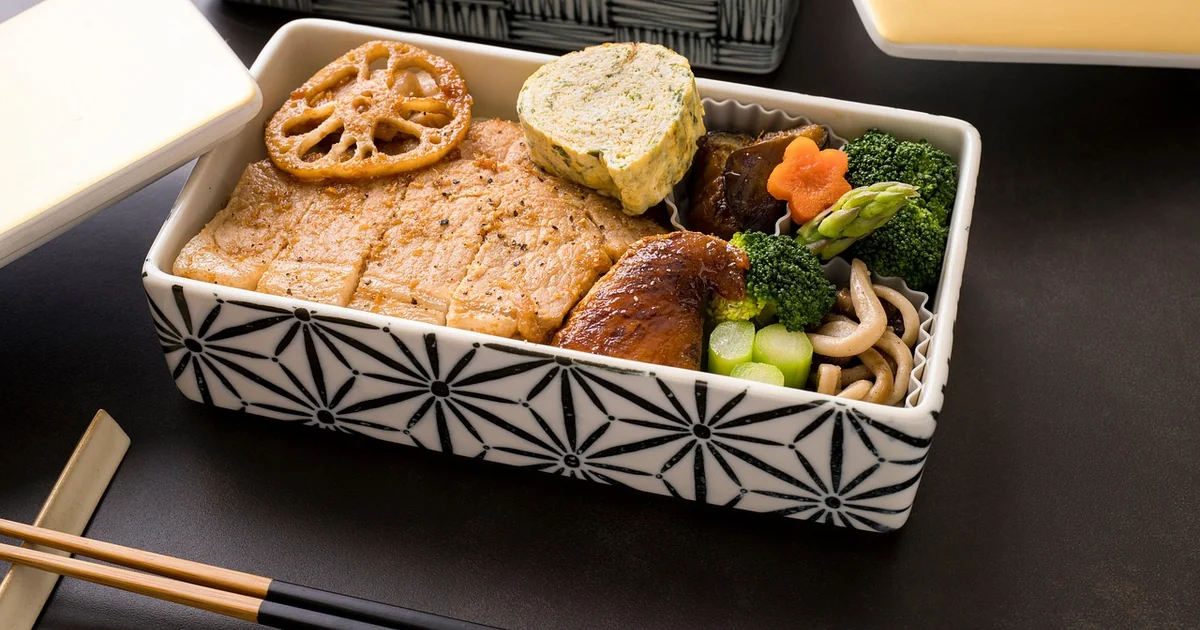
1. Treat Your Container as a Complete System, Not a Miniature Garden
The first mistake most people make with small-space gardening is scaling down a full garden plan — a tomato here, a pepper there, a few herbs squeezed in, and hope that everything fits. That approach collapses when the tomato sprawls or the mint runs wild. A bento layout rejects that logic. You start by choosing a container or raised bed and then dividing it into fixed sections, each with a specific role.
Think of it like a main dish with several side dishes. The largest compartment holds your anchor plant — something that produces high yield, like a determinate tomato or a compact pepper. The smaller sections host companions that contribute flavor, pest control, pollination support, or visual appeal. This structure forces you to plan the whole composition before you plant, which eliminates the guessing game later.
For a typical two-square-foot bed, use physical dividers: cedar strips, bamboo stakes, or wooden slats pushed at least two inches (5 cm) into the soil. These barriers prevent roots from crossing and keep aggressive spreaders like mint from bullying their neighbors. The dividers also make watering precise — each compartment gets moisture matched to its occupants, not an average across the entire bed.
2. Assign Each Compartment a Clear Purpose
A bento box looks chaotic if you just throw random foods into each section. The same applies here. Every compartment needs a defined job: anchor production, flavor support, pest deterrence, pollinator attraction, or edge filling. Without clear roles, you end up with the same disorganized jumble that kills small-space gardens.
Here is a practical breakdown for a four-square-foot (0.4 sq m) raised bed with four compartments:
- Main compartment (about 2 sq ft / 0.2 sq m): One determinate tomato variety such as ‘Patio Princess’ or ‘Tiny Tim’, which maxes out at 18 inches (45 cm) tall and produces heavily without sprawling.
- Flavor compartment (about 0.5 sq ft / 0.05 sq m): Basil — ‘Spicy Globe’ or ‘Genovese Compact’ — which stays bushy and doesn’t outgrow its space.
- Pest-deterrent compartment (about 0.5 sq ft): Dwarf marigolds like ‘Petite Harmony’ or ‘Tangerine Gem’, which repel nematodes and attract hoverflies.
- Edge compartment (about 0.5 sq ft): Chives, which form a tidy clump, repel aphids, and provide edible flowers.
That configuration gives you a kitchen garden that supplies salads, sauces, and garnishes from early summer through frost. The divisions ensure the tomato doesn’t shade the basil, the marigolds don’t crowd the tomato, and the chives stay at the front edge without spreading into other sections.
3. Select Plants That Respect Bento Gardening Scale
Standard vegetable varieties are enemies of compartmentalized gardening. A full-sized indeterminate tomato can grow eight feet (2.4 m) tall and spread six feet (1.8 m) wide, obliterating your bento layout in weeks. Cucumber varieties that run on the ground smother neighboring sections. Zucchini plants become monsters.
You must choose cultivars bred for containment. Look for seed packets or nursery tags that say “patio,” “dwarf,” “mini,” “compact,” or “bush.” Here are reliable options for each compartment size:
- Tomatoes: ‘Micro Tom’ (6–8 inches / 15–20 cm), ‘Tiny Tim’ (18 inches / 45 cm), ‘Patio Princess’ (18 inches).
- Peppers: ‘Jalapeño M’ (12 inches), ‘Mini Belle’ (14 inches), ‘Lunchbox Orange’ (12 inches).
- Cucumbers: ‘Spacemaster’ (bush type, 24 inches / 60 cm), ‘Patio Snacker’ (stays compact with a trellis).
- Zucchini: ‘Patio Star’ (bush, 24 inches), ‘Eight Ball’ (round fruit, compact plant).
- Beans: ‘Bush Blue Lake’ (bush, not pole), ‘Tendergreen’ (bush).
Herbs generally play nicely at bento scale. Basil, thyme, parsley, oregano, and chives stay tidy as long as you harvest regularly. Mint is the exception — it must be sunk in its own pot inside its compartment, because its runners ignore wooden dividers. Without that pot, mint will colonize the entire bed within a single season.
4. Incorporate Flowers That Earn Their Compartment
Flowers are often the first thing cut from small edible gardens when space gets tight. In a bento layout, they earn a permanent spot because each blossom serves a functional role. Compact nasturtiums, dwarf zinnias, violas, and calendula all fit neatly into a 6-inch by 6-inch (15 cm x 15 cm) compartment and repay the investment with measurable benefits.
Pest pressure reduction
Nasturtiums are trap crops — they attract aphids away from your tomatoes and peppers. A single dwarf nasturtium like ‘Peach Melba’ or ‘Alaska’ in a corner compartment can pull 30–40% of aphid pressure off neighboring plants, according to informal trials by cooperative extension services. Calendula repels whiteflies and attracts beneficial wasps.
Pollinator traffic
Dwarf zinnias (e.g., ‘Thumbelina’, ‘Magellan’) produce flowers just 6–8 inches (15–20 cm) tall that draw bees, hoverflies, and small native pollinators. In a bento garden with limited pollinator visits, these flowers can increase fruit set on peppers and cucumbers by 15–25%.
Visual cohesion
Beyond productivity, flowers break up the utilitarian look of a vegetable bed. A compartmentalized layout already looks neat; adding color makes it feel intentional and pleasing, which encourages you to spend more time tending it. Violas and pansies are edible, so they double as garnish.
When assigning flowers to compartments, prioritize dwarf and compact varieties that max out at 10–12 inches (25–30 cm) — anything taller will shade adjacent vegetable sections.
5. Water and Feed Each Compartment Individually
One of the biggest problems in crowded small-space gardens is that watering is a blunt instrument — you give everything the same amount and hope it works. In a bento layout, the dividers allow you to tailor moisture and fertilizer to each plant’s specific needs without affecting neighbors.
For example, a compartment with basil prefers consistently moist soil and high nitrogen, while a chive section does better with slightly drier conditions and a balanced feed. A tomato main compartment needs deep, infrequent watering to encourage deep roots, while a nasturtium corner thrives on neglect and low fertility (excess nitrogen produces leaves, not flowers).
You may also enjoy reading: 5 Ways to Create an Urban Floating Forest with Ferns.
Here is a simple method: water each compartment by hand with a narrow-spout watering can or a drip system with separate emitters. Test soil moisture with your finger — if the top inch (2.5 cm) feels dry, that compartment needs water; leave others alone. For feeding, use a water-soluble fertilizer diluted to the manufacturer’s recommendation for the specific plant type. Keep a small notebook or use a garden app to track which compartments you fertilized and when, because schedules will diverge quickly.
This precision also makes problem-spotting easier. If one compartment starts yellowing while the others look fine, you know the issue is isolated — overwatering, underwatering, or a nutrient imbalance specific to that section. In an open bed, those symptoms would blur together with the general health of the whole planting.
6. Use Vertical Space to Expand Compartments Without Expanding the Footprint
Bento gardening does not have to stay flat. The surface area of your container or raised bed is fixed, but you can add height to one or two compartments by inserting a small trellis, stake, or obelisk. This lets you grow climbing plants that would otherwise outgrow a small compartment.
Choose compact, climbing varieties: ‘Patio Snacker’ cucumber, ‘Sugar Ann’ pea (which tops out at 20 inches / 50 cm), or ‘Haricot Vert’ pole beans (bush types are better for flat compartments, but if you want climbing, use a 24-inch / 60 cm trellis). Place the trellis on the north side of the bed so it does not cast shade on shorter compartments south of it.
Vertical compartments also help with airflow. In humid climates, a trellis lifts leaves off the soil, reducing the risk of powdery mildew and damping off. That matters especially for cucumber and pea compartments, which are prone to fungal issues in dense plantings.
When using vertical elements, anchor the trellis securely — a 36-inch (90 cm) bamboo teepee pushed 6 inches (15 cm) into the soil works well for a 2-square-foot bed. Train the plant up the structure from the start; if it flops sideways, it will invade neighboring compartments and defeat the purpose of division.
7. Plan for Succession Planting by Swapping Compartments Independently
One of the greatest strengths of a bento layout is that it makes succession planting straightforward. Instead of pulling up the whole bed and starting over, you can replace individual compartments as crops finish. This extends your season and increases total yield from the same small space.
For example, after you harvest the basil compartment in late summer — or if the basil bolts — you can pull that section, refresh the soil with a handful of compost, and plant fall lettuce or spinach in the same spot. Meanwhile, the tomato main compartment keeps producing until frost. The chive edge compartment stays for months, providing a steady harvest of leaves and flowers.
Here is a practical succession schedule for a four-compartment bento bed in a temperate climate:
- Spring (April–May): Main compartment: pea shoots or radishes (fast, harvest in 4 weeks). Flavor compartment: cilantro. Pest compartment: calendula. Edge compartment: pansies.
- Early summer (May–June): Pull pea/radish compartment, replace with dwarf tomato. Pull cilantro, replace with basil. Keep calendula and pansies.
- Late summer (August): Pull basil if bolting, replace with fall spinach. Keep tomato, calendula, pansies. Once tomato finishes by early October, pull and plant garlic cloves or winter lettuce.
This rotation requires you to have backup plants ready — start seeds in small pots a few weeks before the swap date so the replacement compartment is filled with a young, vigorous transplant, not a bare patch with seeds that will take weeks to germinate. The independence of compartments means you never have to wait for the entire bed to hit a clean break before replanting.
Bento gardening transforms the frustration of small-space compromise into a disciplined, productive system. By treating each container as a complete world with defined roles, you can grow a surprising variety of edibles and ornamentals in an area smaller than a kitchen counter. These bento gardening tips work whether you are working with a balcony pot, a windowsill box, or a four-square-foot raised bed on a patio. Start with the divisions, choose the right plants, and let the compartments do the work.