
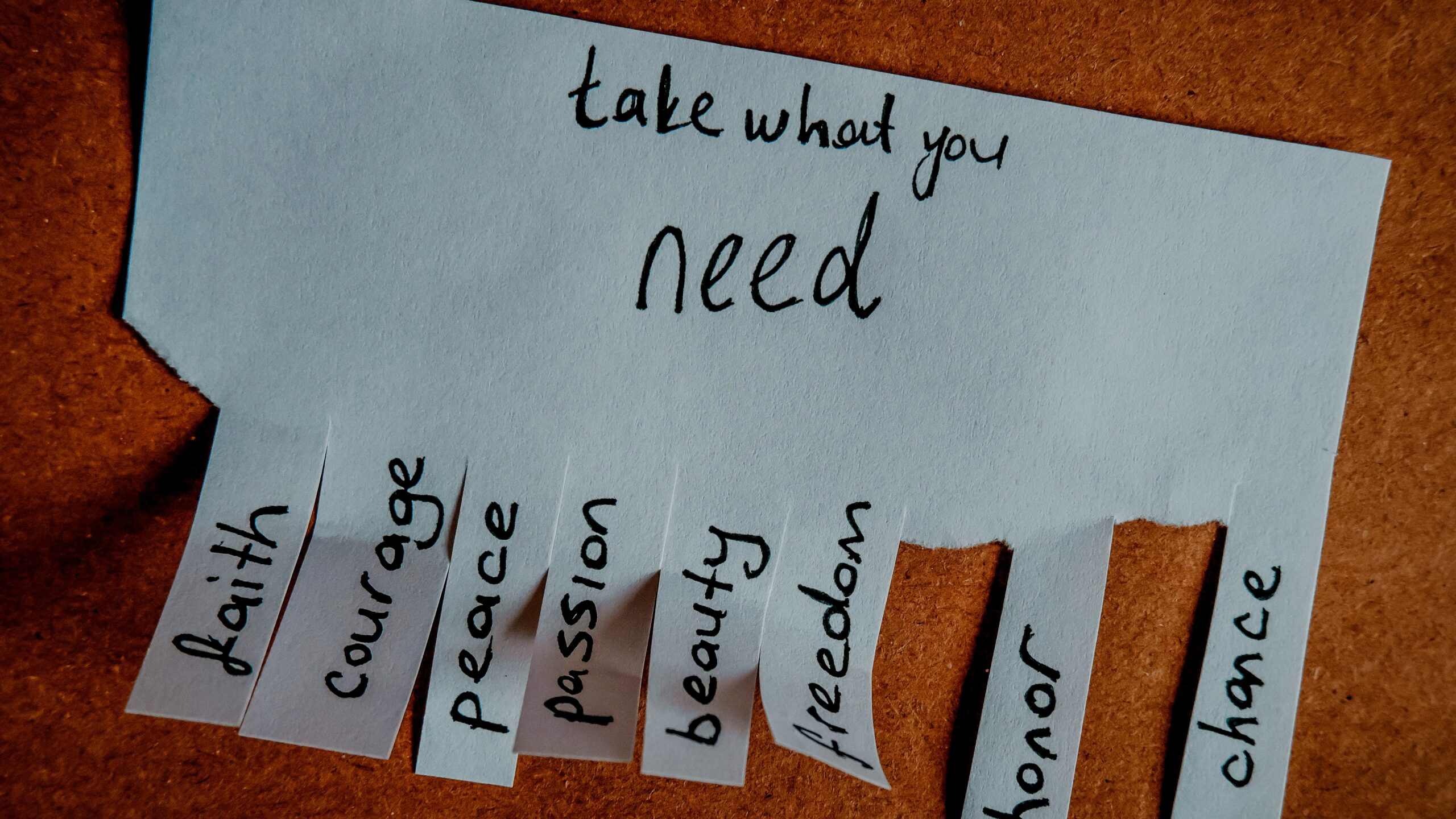
Words of encouragement for young adults can have lasting impact. A Cub Scout bookmark with the phrase ‘go the distance’ motivated one user to pursue Eagle Scout. Conversely, a teacher’s dismissal of a student’s opinion on Emily Dickinson caused that person to avoid the teacher’s classes after high school. The right words build confidence; the wrong ones shut down curiosity.
Words of encouragement for young adults are affirming statements that shape self-perception and motivation, influencing lifelong choices and attitudes toward challenges and learning. A single phrase on a bookmark can be enough to set a young person on a determined course. Cub Scout Den Leaders provided magnetic laminated bookmarks printed with “Go the distance, when you accept a task, finish it!”
Those bookmarks were meant to instill accountability, but one of them lodged in a young scout’s mind and never left. A forum user pursued Eagle Scout after a Cub Scout bookmark encouraged him, turning a simple handout into a multi-year quest. Eagle Scout, the highest rank in Scouting, demands leadership projects and 21 merit badges—a climb that a single phrase helped launch.
Physical tokens anchor memory in ways spoken praise sometimes cannot. The bookmark’s magnetic strip kept it visible on a refrigerator or locker, a persistent call to action. The user recalled that the message ‘finish it’ served as a mental push whenever obstacles appeared. Over time, that small rectangle became inseparable from his self-image as someone who completes what he starts.
The user tied the early Cub Scout experience directly to his decision to aim for Eagle. This shows that the right words of encouragement for young adults, fixed in a tangible object, can guide decisions for years. The memory of that magnetic bookmark stayed sharper than any verbal praise. In the end, a simple directive to ‘go the distance’ propelled one young man to the summit of Scouting.
Proverbs and Praises from Family
One forum user’s father, who passed away on November 17, years earlier, regularly recited “Early to bed, Early to rise Makes a person Healthy, wealthy and wise.” The saying, a version of Benjamin Franklin’s proverb, became a guiding rhythm in the son’s life. It taught the value of structure and self-care. That kind of early imprint endures because it ties wisdom to a loved one’s memory.
The father’s death on November 17 turned his adage from casual advice into a permanent legacy. Grief often etches memory deeply; the son now associates the rhyme with his father’s voice and presence. That emotional weight gave the words staying power beyond their simple logic.
Another user describes a deliberate strategy of praising her daughter, who has learning disabilities, for any progress, no matter its size. The goal is to build self-esteem by celebrating effort over outcome, counterbalancing the frustrations that learning challenges bring. Small victories—mastering a new word, finishing a task without giving up—draw consistent recognition. This mirrors the bookmark story: tangible, repeated affirmations become internal narratives.
These everyday affirmations, whether spoken or laminated, accumulate into a young person’s sense of capability. The daughter with learning disabilities hears that effort matters more than speed, a message that insulates her from comparison. The son, long after his father’s death, still carries a morning discipline rooted in that old rhyme. Neither needs a therapist to explain why they feel steady; the words did the work long before.
Family sayings pack their power precisely because they’re repeated, becoming a mental radio station tuned to encouragement. The best family words are specific and rooted in love, which makes them resistant to erosion. A remembered proverb doesn’t evaporate after adolescence; it often intensifies, becoming the self-talk that guides career choices and resilience, an internal anchor. That is the quiet payback of parental wisdom.
When a Teacher’s Words Close a Door
Over thirty years ago, Michelle Heath offered an opinion on an Emily Dickinson poem in her high school English class. The teacher simply told her she was wrong. Michelle Heath avoided an English teacher’s classes for decades after the teacher dismissed her opinion. When that same teacher later became an adjunct college professor, she deliberately chose other sections.
A single critical remark from an authority figure can steer a young adult’s academic trajectory away from an entire subject. In Michelle’s case, it wasn’t the poem that closed the door; it was the teacher’s refusal to let a student’s perspective matter. That kind of discouragement shows why words of encouragement are so vital—without them, students learn to hide their intellectual curiosity to avoid being wrong. The effect can indeed be lifelong, as Michelle’s avoidance stretched well into adulthood.
Years after high school, when the teacher appeared at the college level, Michelle’s reflex was to avoid, not confront. That instinct demonstrates how early educational wounds can calcify. The teacher’s words became a gatekeeper, blocking further engagement with a person, not the subject. Had the original response been curious rather than dismissive, Michelle might have continued exploring literature with confidence.
How a Controversial Figure Echoed in a Classroom
A user remembers receiving a detention in year 7 after commenting on a video about Lindy Chamberlain. The class watched the footage, and the student said Chamberlain didn’t look sad. The reaction was swift: a detention. This quieted a young voice and sent an early message that some truths are better left unspoken.
The incident was layered with family history. The user’s grandfather had visited Lindy Chamberlain in prison in the Northern Territory, where the warden considered her the worst prisoner. While there, Chamberlain painted a blue and pink ash tray, signing it with her maiden name. The grandmother threw that ash tray into a river only two years before the forum post.
The family’s deep entanglement with the Chamberlain case likely colored the student’s remark. Knowing that a grandparent had interacted with the infamous prisoner, and that a physical artifact—an ashtray—existed only to be thrown into a river, must have shaped the child’s perception. The student spoke from a place of intimate familiarity, but the school met it with punishment. The teacher interpreted the comment as inappropriate, illustrating how national trauma can invade a schoolroom and police a child’s speech.
How can a national controversy affect a young person’s school life? It can turn a simple observation into a punishable offense. The Lindy Chamberlain case was fraught with public emotion, and any deviation from the expected narrative invited rebuke, transforming a teachable moment into a silent contract. This student learned early that independent thinking required caution, a lesson that contradicts the value of words of encouragement.
The painted ashtray itself, with its feminine colors and personal signature, was a small piece of a larger story. That the grandmother felt the need to throw it into a river suggests it carried an uneasy energy. For the grandchild, the object’s existence and destruction may have signaled that the topic was dangerous. Thus, when the video played in class, the student’s comment was not just observation but a release of family-tied pressure, which the school met with punishment.
The classroom detention underscored a wider point: young people absorb the anxieties of the adults around them. In this case, a child’s honest reading of facial expression was shut down because it touched a collective nerve. Words of encouragement would have invited discussion, not detention. The episode stands as a stark counterpoint to the Cub Scout bookmark, a reminder that not all formative words lift up; some silence.
Conclusion
The stories collected here trace a single thread: words spoken to a young person rarely fade. A Cub Scout bookmark directed a boy toward Eagle Scout; a father’s proverb kept a son grounded; a mother’s consistent praise built a daughter’s self-belief. In each positive case, the message was repeated, personalized, and linked to someone who mattered. These tiny deposits of language compound into identity over time.
But the negative examples are equally instructive. Michelle Heath’s English teacher shut down her literary opinion, causing her to avoid that teacher’s classes into adulthood. A year 7 student’s detention over a Lindy Chamberlain remark showed how easily a child’s honest observation can be punished. These incidents did not encourage critical thinking; they taught avoidance and self-censorship.
The enduring lesson about words of encouragement for young adults is that they are not just feel-good statements; they act like compass bearings. A bookmark or a father’s quip can steer a person through challenges that emerge years later, while a teacher’s dismissal can reroute a career path away from a subject. The weight of words depends on the authority behind them and the repetition that ingrains them.
Parents, educators, and mentors hold an underrecognized power: the ability to plant sentences that will surface decades later in moments of decision. The Cub Scout den leader and the father who recited ‘early to bed’ could not have known their phrases would echo into adulthood. Meanwhile, the English teacher and the year 7 detention officer likely never considered that their disciplining would be remembered as a silencing. The legacy of a single sentence can span a lifetime.
Internalized words form a mental background score. When a young adult faces a difficult choice, the brain retrieves stored phrases that align with self-concept. The bookmark’s ‘finish it’ likely resurfaced during late-night study sessions; the father’s rhyme structured mornings; Michelle’s dismissal whispered ‘you’re wrong’ every time she considered an English class. This is not metaphor—it is how memory and identity work together.
Therefore, the quality of the words we give to young people is a form of long-term construction. Encouragement that ties effort to identity builds durable self-efficacy. Criticism that attacks a person rather than a performance can create lasting scars. The things we say to children become the architecture of their inner voice—and that inner voice, once set, is difficult to remodel.
FAQ
Q: What is an example of a word of encouragement for young adults?
A: A Cub Scout bookmark reading ‘Go the distance, when you accept a task, finish it!’ motivated one young adult to pursue the Eagle Scout rank.
Q: How can a teacher’s negative comment affect a student long-term?
A: Michelle Heath avoided an English teacher’s college classes for decades after the teacher dismissed her opinion on an Emily Dickinson poem in high school.
Q: What can parents do to build self-esteem in children with learning disabilities?
A: One parent praises her daughter for any progress, no matter how small, to consistently boost her confidence.