Choosing the best wood joint is more than just a technical skill; it’s about understanding the needs of your project. Balancing strength, aesthetics, and the time you’re willing to invest – it’s a surprisingly complex decision. This guide breaks down thirteen common types, offering insights into their strengths, weaknesses, and ideal applications, helping you confidently tackle any woodworking endeavor, whether you’re building a simple bookshelf or a robust deck frame.
1. Butt Joints: The Foundation of Simple Connections
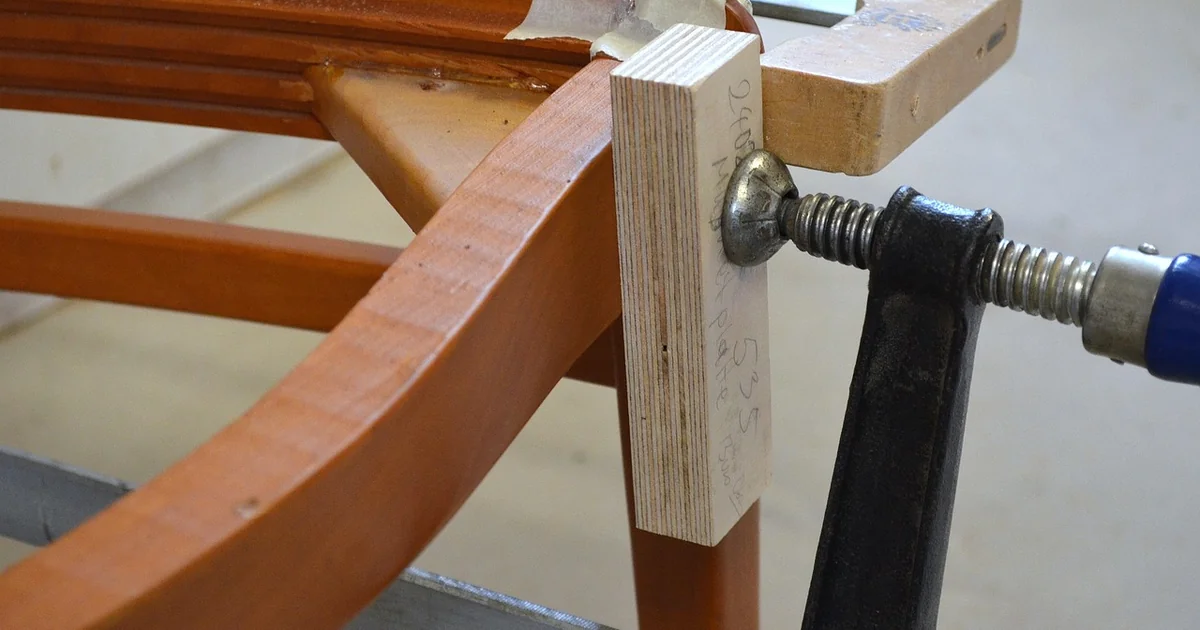
Butt joints are, undeniably, the simplest wood joinery type. They involve simply joining two pieces of wood edge-to-edge, end-to-end, or end-to-side. While lacking the visual appeal and structural strength of more complex joints, their ease of execution makes them a fantastic starting point for beginners. They’re ideal for projects where strength isn’t paramount, such as attaching a shelf to a wall or assembling a basic box. Think of a simple, rustic bookshelf – butt joints are frequently used here, offering a straightforward and cost-effective solution. The key to a successful butt joint is surface preparation – sanding the joining surfaces smooth and applying wood glue generously. For added strength, consider using mechanical fasteners like screws or nails, especially in larger projects. A common pitfall is overlooking the need for clamping—allowing the joint to dry unevenly can significantly weaken it.
2. Lap Joints: Adding Stability with Overlapping Wood
Lap joints offer a significant improvement in strength compared to butt joints. They involve overlapping two pieces of wood and then securing them together, typically with glue and screws. There are several variations, including half-lap and full-lap joints. Half-lap joints, where half the thickness of each piece is removed, provide a cleaner look and often a stronger connection. Full-lap joints, where the entire thickness of each piece is removed, are generally stronger but can be more visible. A lap joint is frequently used in framing, particularly when connecting studs to joists, providing a robust and reliable connection. Imagine constructing a deck frame: lap joints ensure the structure’s stability and resistance to racking forces. A common challenge is ensuring consistent overlap – slight variations can lead to weak points, so precision is key. Consider using a spacer block to maintain consistent overlap during glue-up.
3. Miter Joints: Creating Beautiful, Angled Connections
Miter joints are prized for their aesthetic appeal – they create clean, angled joints that are perfect for picture frames, trim, and cabinetry. The wood is cut at an angle, typically 45 degrees, and then glued and clamped together. The angle you cut determines the final appearance of the joint. A simple 45-degree miter joint is common for creating a professional look in molding. More complex angles can be used to create decorative patterns. However, miter joints are inherently weaker than other joint types, so reinforcement with splines, biscuits, or dowels is often necessary. A reader attempting to build a picture frame might find miter joints visually rewarding but needs to be aware of the added reinforcement required to ensure a stable frame. The biggest hurdle is often accurate cutting – a slight error can throw off the entire joint, so careful measuring and precise cuts are essential.
4. Mortise and Tenon Joints: The Strongest Traditional Connection
Often considered the gold standard of wood joinery, the mortise and tenon joint is renowned for its exceptional strength and durability. A mortise is a hole cut into one piece of wood (the tenon), while the tenon is a projecting piece cut on the other. The tenon fits snugly into the mortise, creating a remarkably strong connection. This joint is exceptionally versatile, used in everything from furniture frames to boat building. It’s a testament to traditional carpentry techniques and offers a level of stability that’s difficult to achieve with other methods. For a reader embarking on a challenging woodworking project – like building a sturdy table – the mortise and tenon joint is a worthwhile investment of time and skill. The difficulty lies in accurately cutting both the mortise and the tenon; specialized tools like a mortising machine are often required, though careful handwork is possible with patience. A key principle is a tight fit – a loose fit significantly reduces the joint’s strength.
5. Dovetail Joints: The Signature of Fine Furniture
Dovetail joints are instantly recognizable as a hallmark of fine furniture. Their interlocking tails and pins create a remarkably strong and visually stunning connection. They’re notoriously challenging to cut, requiring precision and patience. There are different types of dovetails, including through dovetails and half-blind dovetails. Through dovetails are visible on both sides of the joint, while half-blind dovetails are hidden. A furniture maker aiming to create a heirloom-quality chest would likely utilize dovetail joints for the drawers. The challenge is mastering the technique – it’s a skill that takes time and practice to develop. Consider a reader who is attempting to repair an antique piece of furniture – a dovetail joint, if intact, can be carefully re-glued and reinforced, preserving the piece’s historical integrity. A common mistake is using the wrong saw blade – a dull blade will result in uneven cuts and a weak joint.
6. Biscuit Joints: A Hidden Strength Booster
Biscuit joints are a non-visible way to strengthen butt joints and lap joints. They involve inserting small, compressed wood “biscuits” into slots cut with a biscuit joiner. The biscuits act as keys, holding the pieces together under pressure. They’re particularly useful for joining plywood or panels. A reader building a simple cabinet might find biscuit joints a convenient and effective way to ensure a tight fit. The biggest advantage is the hidden join – it creates a seamless look. However, biscuit joints aren’t suitable for high-stress applications. A common issue is using too many biscuits – excessive biscuits can weaken the joint and make it difficult to clamp. Using a cleaner, sharper blade on the biscuit joiner is imperative for producing consistent slots.
7. Dowel Joints: Adding Strength with Cylindrical Connectors
Dowel joints rely on the strength of wooden dowels inserted into precisely drilled holes. They’re often used in conjunction with other joint types to provide added stability. Like biscuit joints, they’re a non-visible method of strengthening a connection. A reader tackling a woodworking project that requires a relatively strong and durable joint could find dowel joints a valuable tool. Precise drilling is crucial for dowel joints – inaccurate holes will result in a weak connection. Consider a reader who is building a small wooden box – dowel joints can provide a secure and aesthetically pleasing closure. Using glue in conjunction with dowels substantially increases the joint’s strength.
8. Splined Joints: Reinforcing Miter Joints
Splined joints are a clever way to reinforce miter joints. A spline, a thin strip of wood, is inserted into a groove cut along the mitered edges, adding strength and preventing racking. This technique is frequently used in picture frames and cabinet construction. A reader creating a decorative picture frame might appreciate the added strength and visual appeal of a splined joint. The key is precise cutting – the spline must fit snugly into the groove. A common challenge is ensuring the spline is perfectly straight – any deviation will weaken the joint. Consider using a sharp chisel to create a precise groove for the spline.
You may also enjoy reading: 7 Expert Spring Garden Layouts for the Southwest.
9. Tongue and Groove Joints: A Traditional Method for Panels
Tongue and groove joints are a traditional method for joining boards edge-to-edge, particularly for creating panels like flooring or wall cladding. One board has a protruding “tongue,” and the other has a matching “groove.” When pressed together, the tongue and groove create a tight, interlocking connection. This is a staple in traditional carpentry and offers a visually appealing and structurally sound joint. A reader constructing a rustic barn or a country-style home might utilize tongue and groove joints for paneling. The main challenge is achieving a precise fit – inconsistencies can lead to gaps and instability. Using a router to create the tongue and groove is a common and effective method.
10. Dado Joints: Deep Grooves for Added Support
Dado joints involve cutting grooves, or “dados,” into one board and fitting the other board into these grooves. This creates a very strong and stable joint, often used in cabinetmaking and furniture construction. The depth of the dado contributes to the joint’s strength. Imagine a reader building a large, heavy cabinet – dado joints provide the necessary support to handle the weight. A common difficulty is accurately cutting the dados – a consistent depth is crucial for a tight fit. Using a router with a dado bit is the most efficient method for creating dados.
11. Finger Joints: A Modern Alternative to Mortise and Tenon
Finger joints are a relatively modern wood joinery technique that mimics the strength of a mortise and tenon joint. They involve cutting a series of interlocking “fingers” into the ends of the boards. When pressed together, the fingers create a strong and tight connection. They’re gaining popularity in furniture making and cabinet construction due to their efficiency and aesthetic appeal. A reader seeking a durable and visually appealing joint that doesn’t require the specialized tools of a mortise and tenon might find finger joints a suitable alternative. The key is precise cutting – the fingers must interlock perfectly. Using a finger joint jig ensures consistent finger placement and angle.
12. Mechanical Fasteners: A Quick and Easy Solution
While not technically a wood joinery type, mechanical fasteners – screws, nails, and bolts – can be used in conjunction with wood joints to provide added strength and speed up the construction process. They’re particularly useful for projects where aesthetics aren’t paramount. A reader building a temporary structure or a project with a tight deadline might rely heavily on mechanical fasteners. The downside is that they can be visible and may not provide the same level of aesthetic appeal as traditional wood joints. Using screws with glue creates a stronger and more durable joint than using screws alone. Consider a reader who is repairing an old piece of furniture – screws can be used to reinforce weak joints without altering the original design.
13. Combination Joints: Leveraging Multiple Techniques
Many woodworking projects benefit from combining different wood joinery techniques. For example, a table might utilize mortise-and-tenon joints for the legs and butt joints for the tabletop. Combining techniques allows you to leverage the strengths of each method, creating a robust and aesthetically pleasing structure. A reader tackling a complex woodworking project should consider carefully evaluating each component and selecting the most appropriate joinery techniques for each area. The key is to understand the limitations and strengths of each joint type to create a truly effective and durable construction.
Ultimately, the best wood joinery type for a project depends on a variety of factors, including the strength requirements, aesthetic preferences, and the skill level of the woodworker. By understanding the characteristics of each type, you can confidently choose the right joint for the job and create beautiful, durable woodworking projects.