If you live in an area that doesn’t offer curbside pickup, trying to get rid of yard waste can be harder – and more expensive – than you think. Debris builds up fast in the spring and fall as many of us begin cleaning up our yards and gardens. So what are you supposed to do with all this organic waste, if you can’t put it on the curb and wait for it to disappear? There are sustainable ways to dispose of yard waste, but they may take a little more effort than just dragging your trash to the curb. However, many of these free yard waste removal methods can benefit your landscape as well. Let’s explore how you can transform that pile of clippings and branches into a valuable resource for your garden and your local ecosystem.
The challenge of managing yard waste is a surprisingly common one. Many homeowners are faced with the dilemma of how to handle leaves, grass clippings, branches, and other organic materials when their municipality doesn’t offer a convenient disposal option. Ignoring the problem leads to unsightly piles, potential pest issues, and wasted resources. But don’t despair! With a little creativity and effort, you can minimize your waste and reap the rewards of a healthier, more productive landscape – all without spending a dime. This article dives into five effective strategies for free yard waste removal, providing you with actionable steps and insights to transform your yard waste into something truly valuable.
The core principle behind all these methods revolves around returning organic matter to the earth, closing the loop on waste and enriching your soil. It’s a surprisingly elegant solution that benefits both your garden and the environment. Let’s get started.
1. Start a Compost Pile
Starting a compost pile or bin is the best way to turn yard waste into garden gold. You can create a compost pile for free by simply heaping up your debris in a quiet corner of your yard. Layer green and brown compost materials and turn the pile every few weeks during the growing season to help decomposition. If you’re willing to spend a few dollars, you can invest in a compost tumbler, like this one from Amazon, to speed up the process and contain any unwanted sights or smells in your landscape. Composting is a remarkably efficient way to recycle organic materials, reducing landfill waste and creating a nutrient-rich soil amendment for your garden. The beauty of composting lies in its simplicity and its transformative power. It’s a tangible way to reduce your environmental impact while simultaneously improving the health and vitality of your plants.
What to Compost: Green materials (nitrogen-rich) include grass clippings, fruit and vegetable scraps, coffee grounds, and tea bags. Brown materials (carbon-rich) include dried leaves, straw, wood chips, and shredded newspaper. Aim for a ratio of approximately 2 parts brown to 1 part green. Troubleshooting: A consistently moist pile is crucial for decomposition. If it’s too dry, add water. If it’s too wet, add more brown materials. Turning the pile regularly introduces oxygen, which is essential for the process. A well-maintained compost pile will typically reduce your yard waste volume by 50-90% within a few months.
Interesting Fact: The decomposition process in a compost pile generates heat – up to 160°F (71°C) in an active pile. This heat helps to kill weed seeds and pathogens, ensuring that your compost is safe to use in your garden.
2. Take It to a Drop-Off Site
Even if your city doesn’t offer curbside yard waste disposal, they may have a drop-off location where you can take your trash instead. Many municipalities offer free drop-off at their recycling center or local dump. Sign up for the Gardening Know How newsletter today and receive a free copy of our e-book “How to Grow Delicious Tomatoes”. Some of these sites even turn the green waste into free mulch or free compost that they offer to the local community in return. This often takes place in spring. Check out your local municipalities to see if they provide these drop-off services and what kind of waste they accept. Then make hauling your debris easier with some yard waste bags like these from Amazon. This can be a surprisingly convenient solution, especially if you have a large volume of yard waste. It’s important to check with your local waste management department to confirm what materials are accepted and any associated fees (though many are completely free).
Tip: Contact your local waste management office in advance to confirm operating hours and accepted materials. Bringing your own yard waste bags can also save you money.
3. Leave Grass Clippings in Place
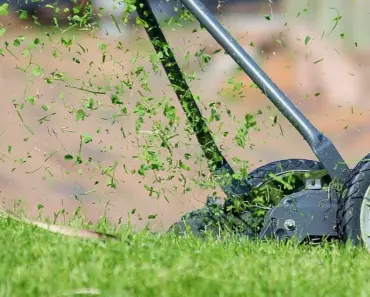
You don’t even have to move some of your yard waste, like grass clippings. Lawn trimmings actually make a wonderful, natural fertilizer for your grass. When you mow your lawn, simply let grass clippings fall where they may and mulch back down into the soil. Unless your grass is very long, there’s no problem leaving lawn trimmings to compost back down into your yard. They’ll give your grass a nice boost of nitrogen as they decompose. This is a simple, low-effort way to improve your lawn’s health and reduce the need for synthetic fertilizers.
Benefit: Grass clippings are rich in nitrogen, which is a key nutrient for grass growth. They also help to retain moisture in the soil and suppress weed growth. However, avoid leaving too much grass clippings on your lawn, as they can create a slimy layer that blocks sunlight and promotes fungal growth. A thin layer is ideal.
You may also enjoy reading: 7 Ways to Grow Brandywine Tomatoes This April.
Interesting Fact: Studies have shown that leaving grass clippings on your lawn can reduce fertilizer use by as much as 25%.
4. Fill Raised Beds & Planters
If you have raised beds or large planters, you can use yard waste as a clever way to save money on potting soil. From logs and branches to wood chips and perennial prunings, you can use yard debris to fill the bottom half of beds and large planters. Follow hugelkultur principles and start with large woody materials at the bottom, then layer on smaller yard waste as you work your way up, then top your debris with compost or potting soil, and plant. Of course, don’t put any weeds or diseased and pest-infested garden waste into your beds or planters. But any other organic material is just fine and will naturally compost under your plants, giving them a slow feed of nutrients. This is a particularly useful strategy for gardeners on a budget.
Hugelkultur Technique: Hugelkultur is a sustainable gardening technique that involves building raised beds with decaying wood and organic matter. The wood acts as a sponge, retaining moisture and nutrients, while the decaying material provides a slow release of nutrients to the plants. It’s a fantastic way to create a thriving and self-sustaining garden bed.
5. Create a Wildlife Habitat
If you have a spacious landscape, then using yard waste to create a wildlife habitat is a great option to benefit both your local flora and fauna. You can quickly build a dead hedge with branches and sticks from your most recent pruning job to give wildlife a safe place to nest. A simple hedge like this can also double as a unique, natural fence to add privacy to yo. Turning your yard waste into a haven for pollinators, birds, and other beneficial creatures is a rewarding way to contribute to local biodiversity. This offers a way to contribute to a healthier ecosystem while reducing your waste.
Benefits: A wildlife habitat can provide food, shelter, and nesting sites for a variety of animals. It can also help to improve soil health and reduce the need for pesticides. Creating a wildlife-friendly garden is a wonderful way to connect with nature and support local ecosystems.
Considerations: Choose native plants that are adapted to your local climate and soil conditions. Provide a source of water, such as a birdbath or shallow dish of water. Avoid using pesticides and herbicides.
Conclusion: Managing yard waste doesn’t have to be a burden. By embracing these five free yard waste removal methods – composting, drop-off sites, leaving clippings, filling raised beds, and creating wildlife habitats – you can transform your yard waste into a valuable resource for your garden and your community. It’s a sustainable and cost-effective way to reduce your environmental impact and enjoy a healthier, more vibrant landscape. Take the first step today and start turning your yard waste into garden gold!