There is something quietly confident about a garden filled with white blooms. While blue and pink hydrangeas often steal the spotlight with their color-changing magic, the pure, crisp flowers of white hydrangea varieties offer a different kind of appeal. They act as living lights in the landscape, reflecting the moon and stars in the evening while providing a cool, calming presence during the heat of the day. If you have ever struggled with soil pH dictating the color of your flowers, these shrubs offer a welcome sense of control.
Why White Hydrangea Varieties Deserve a Spot in Your Garden
For decades, gardeners have performed a delicate chemistry experiment in their backyards. They amend soil with aluminum sulfate to turn pink blooms blue or add lime to push blue flowers toward pink. This constant battle with pH levels can be exhausting. White hydrangea varieties bypass this entire process entirely. They offer a pure, consistent color that does not depend on the mineral composition of your soil.
Beyond their predictable color, white hydrangeas serve a specific design purpose. In landscape architecture, white is often used to create a sense of space and light. A cluster of white hydrangeas can brighten a dark corner of the yard or make a small garden feel larger. They are also essential for the increasingly popular “moon garden” concept, where pale flowers and silver foliage are planted specifically to be enjoyed in the evening light. When the sun goes down, white blooms seem to glow, drawing the eye and extending the hours you can enjoy your outdoor space.
Another often-overlooked advantage is their versatility as cut flowers. White hydrangeas blend seamlessly into any bouquet color scheme. Whether you are arranging a rustic wildflower mix or a formal centerpiece, the neutral backdrop of white blooms ties everything together. Many white varieties also dry beautifully on the stem, allowing you to enjoy their structure indoors throughout the winter months.
7 Stunning White Hydrangea Varieties to Transform Your Landscape
Choosing the right white hydrangea depends on your specific garden conditions and what you want the plant to achieve. Some varieties offer massive, globe-like flowers, while others provide delicate, star-shaped blooms. Here is a curated list of seven exceptional shrubs, each bringing a unique texture and form to the landscape.
1. ‘White Wedding’: The Florist’s Dream
‘White Wedding’ is a panicle hydrangea (Hydrangea paniculata) that was specifically developed for oversized flower clusters. The cone-shaped panicles can reach up to 12 inches in length, making them a stunning choice for both the garden and the cutting table. As the name suggests, these blooms are perfect for wedding bouquets or elegant indoor arrangements.
This variety grows to about four to six feet tall and three to five feet wide. It thrives in full sun, which helps the stems stay strong and the flowers reach their maximum size. Because it blooms on new wood, pruning is simple: cut it back in late winter or early spring before new growth begins. The flowers start as a soft, creamy white and may blush to a pale pink as they age, adding a subtle romantic transition to the landscape.
2. ‘Annabelle’: The Reliable Classic
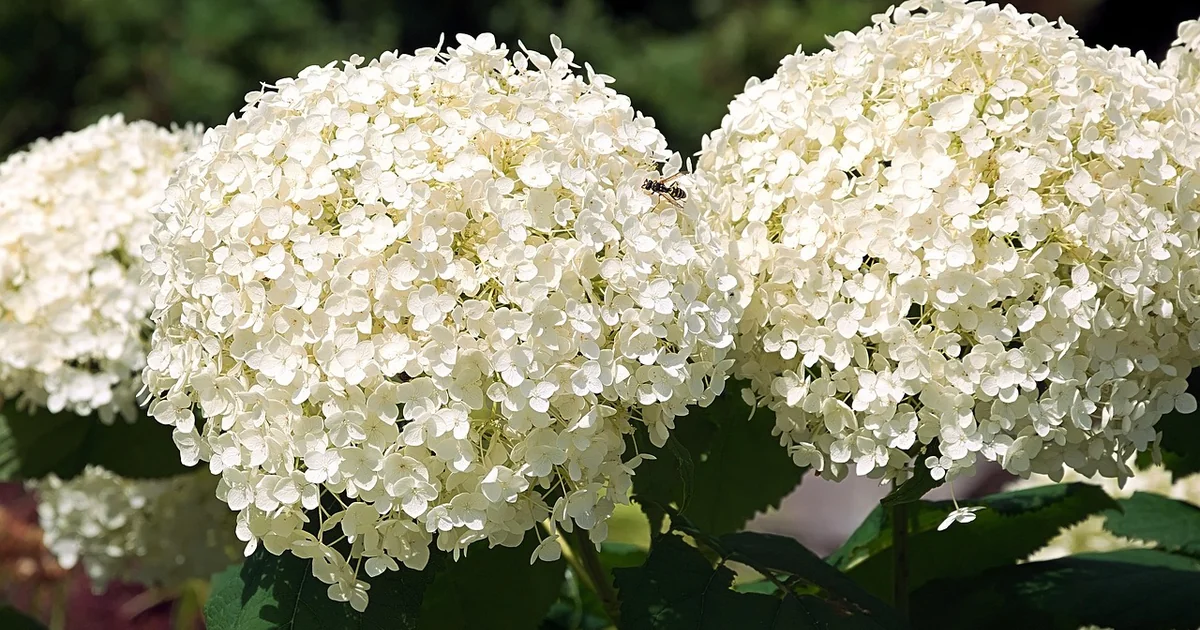
No list of white hydrangea varieties would be complete without the beloved ‘Annabelle’. This smooth hydrangea (Hydrangea arborescens) is a native of the eastern United States and has been a garden staple for generations. Its most famous feature is the massive, rounded flower heads that can grow up to a foot across. These globes of pure white bloom reliably from June through September, providing months of visual interest.
The main challenge with ‘Annabelle’ is its stems. The flower heads are so heavy that the stems can sometimes bend or flop over, especially after a heavy rain. To solve this, plant ‘Annabelle’ in a cluster so the shrubs support each other. Alternatively, you can use a metal peony ring or stake the stems early in the season. Despite this minor flaw, its reliability and dramatic display make it a must-have for anyone new to growing hydrangeas. The blooms also start as a lovely lime-green before maturing to brilliant white, giving you two distinct looks from the same plant.
3. ‘Incrediball’: The Strong-Stemmed Showstopper
If you love the look of ‘Annabelle’ but hate dealing with floppy stems, ‘Incrediball’ is the answer. Bred by the University of Connecticut, this smooth hydrangea is a significant improvement on the classic. It produces the same large, rounded white flower clusters, but the individual florets are denser and more numerous. The real game-changer, however, is the stems. They are incredibly thick and strong, holding the massive flower heads upright without any need for staking.
‘Incrediball’ grows to a similar size as ‘Annabelle’, typically reaching four to five feet tall and wide. It is hardy to Zone 3, making it an excellent choice for colder climates where other hydrangeas might struggle. Like ‘Annabelle’, it blooms on new wood, so you can prune it hard in early spring. The flowers are a crisp, snowy white that does not fade easily in the summer sun. For gardeners who want a low-maintenance, high-impact white shrub, this is a top contender.
4. ‘Snow Queen’: The Four-Season Oakleaf
‘Snow Queen’ is an oakleaf hydrangea (Hydrangea quercifolia), named for its deeply lobed leaves that resemble those of an oak tree. This variety offers far more than just flowers. It provides multi-season interest that few other shrubs can match. In spring and summer, the large, dark green leaves create a coarse, bold texture. In summer, long, conical panicles of white flowers emerge, standing upright above the foliage.
As the flowers age, they transition to a soft pink and eventually a deep rose, extending their visual appeal well into autumn. The real magic happens in the fall when the leaves turn a spectacular shade of deep burgundy and purple. Even in winter, the shrub is beautiful, with exfoliating bark that peels away in cinnamon-colored strips. ‘Snow Queen’ is hardy to Zone 5 and is more tolerant of sun than smooth hydrangeas, though it prefers morning sun with afternoon shade. It grows to about four to six feet tall and wide.
5. ‘Gatsby Gal’: The Compact Oakleaf
Another excellent oakleaf variety is ‘Gatsby Gal’. This shrub offers all the beauty of ‘Snow Queen’ but in a slightly more compact package. It features oversized, pyramidal panicles of white flowers that sit on very strong stems. The flowers are held upright and do not droop, making them highly visible in the landscape.
‘Gatsby Gal’ typically reaches about six feet tall and wide, making it a great choice for smaller gardens or for use as a foundation planting. The leaves are large and deeply lobed, turning a rich burgundy in the fall. This variety is part of the Gatsby series, which is known for its vigorous growth and sturdy stems. It blooms on old wood, so pruning should be done immediately after flowering to avoid cutting off next year’s buds. If you have limited space but want the dramatic foliage and flowers of an oakleaf hydrangea, ‘Gatsby Gal’ is a perfect fit.
6. ‘Gatsby Star’: The Unique Double-Flowered Oakleaf
‘Gatsby Star’ is perhaps the most unique white hydrangea variety on this list. It is an oakleaf hydrangea, but its individual florets are double-petalled and pointed at the tips. This gives the entire panicle a star-like, textured appearance that is completely different from any other hydrangea. The flowers are a pure, clean white that gradually turns pink as the season progresses.
This shrub grows slightly larger than ‘Gatsby Gal’, reaching up to six to eight feet tall and wide. It has the same excellent fall foliage and exfoliating bark as other oakleaf varieties. The unique flower shape makes it a fantastic conversation piece in the garden. It is also a wonderful choice for cut flower arrangements, adding a distinct texture that contrasts beautifully with round blooms. ‘Gatsby Star’ thrives in partial shade but can handle full sun with adequate moisture.
7. ‘Wedding Gown’: The Bigleaf Beauty for Containers
‘Wedding Gown’ is a bigleaf hydrangea (Hydrangea macrophylla), which is the type most people think of when they hear the word “hydrangea”. Unlike the typical blue or pink bigleaf varieties, ‘Wedding Gown’ produces stunning double-petalled white flowers. The blooms resemble elegant lace caps or delicate pom-poms, adding a romantic, old-fashioned feel to the garden.
This variety is notably smaller than most others, growing only two to three feet tall and three to five feet wide. This compact size makes it an outstanding choice for container gardening. You can place a potted ‘Wedding Gown’ on a patio, balcony, or front porch to enjoy its blooms up close. It is a reblooming variety, meaning it can flower on both old and new wood in some climates, providing a longer blooming period. Because it is a bigleaf, it prefers morning sun and afternoon shade to prevent leaf scorch. It is the perfect choice for gardeners with limited space who still want a dramatic, elegant white hydrangea.
You may also enjoy reading: 7 Top Tomato Growing Tips from an Expert.
Essential Care Tips for White Hydrangea Varieties
While the specific needs vary slightly by type, there are some universal care guidelines that will help your white hydrangeas thrive. Understanding these basics is the key to a successful, long-lived shrub.
Soil Preparation. All hydrangeas prefer moist, well-draining soil that is rich in organic matter. Before planting, amend your native soil with compost or well-rotted manure. A thick layer of mulch around the base of the plant will help retain moisture and keep the roots cool.
Watering Needs. Hydrangeas are not drought-tolerant. They require deep watering at least once a week, and more frequently during periods of extreme heat. The leaves will tell you when they are thirsty; they will droop dramatically in the afternoon sun. If you see this, give them a thorough soak. It is best to water at the base of the plant to avoid getting the leaves wet, which can lead to fungal diseases.
Pruning by Type. This is the most critical care step. Pruning at the wrong time will remove the flower buds for the coming season.
- Panicle and Smooth Hydrangeas (like ‘White Wedding’, ‘Annabelle’, and ‘Incrediball’) bloom on new wood. Prune them in late winter or early spring while they are still dormant. You can cut them back by up to one-third of their height.
- Oakleaf and Bigleaf Hydrangeas (like ‘Snow Queen’, ‘Gatsby Gal’, ‘Gatsby Star’, and ‘Wedding Gown’) bloom on old wood. Prune them immediately after they finish flowering in the summer. Only remove dead or crossing branches, as cutting too much will reduce next year’s blooms.
Designing Your Landscape with White Hydrangeas
White hydrangeas are incredibly versatile design tools. Their neutral color allows them to fit into almost any garden style, from formal English borders to relaxed cottage gardens. The key to a stunning display is thoughtful placement and companion planting.
For a classic, serene look, pair ‘Annabelle’ with shade-loving hostas and ferns. The broad, textured leaves of the hostas contrast beautifully with the rounded hydrangea blooms. In sunnier spots, plant panicle hydrangeas like ‘White Wedding’ alongside ornamental grasses such as ‘Karl Foerster’ feather reed grass. The vertical lines of the grass complement the rounded shrub form.
Oakleaf hydrangeas like ‘Snow Queen’ make excellent focal points in a mixed border. Their large leaves and peeling bark provide structure even when they are not in bloom. Plant them near evergreens like boxwood or rhododendron to create a year-round anchor in the garden. For a dramatic evening display, mass a single variety of white hydrangea along a fence line or driveway. The repetition of white blooms will create a powerful visual impact, especially under low light.
Frequently Asked Questions About White Hydrangea Varieties
Do white hydrangeas change color based on soil pH?
No, this is one of the most common misconceptions about white hydrangea varieties. White hydrangeas do not have the genetic capacity to produce the pigments that turn blue or pink in response to soil pH. Their color is determined entirely by the variety. Some white flowers may age to green or pink, but this is a natural aging process, not a reaction to aluminum in the soil.
Which white hydrangea varieties are best for cut flowers?
‘White Wedding’ and ‘Annabelle’ are excellent choices for cut flowers. Cut them in the morning when the flowers are fully open. Place the stems in warm water immediately. To keep them fresh longer, you can also dip the cut ends in alum powder or boiling water. White hydrangeas can last up to 10 days in a vase with proper care.
Can white hydrangeas tolerate full sun?
It depends on the type. Panicle hydrangeas like ‘White Wedding’ thrive in full sun, requiring at least six hours of direct sunlight to produce the most flowers. Oakleaf hydrangeas prefer morning sun with afternoon shade. Smooth and bigleaf hydrangeas generally prefer partial or dappled shade and will suffer leaf scorch in intense afternoon sun.
How do I keep my white hydrangeas from turning pink?
If you want to keep the flowers crisp white during their bloom period, focus on good care. Provide consistent moisture and avoid letting the plant dry out. Some aging to pink or green is natural and cannot be prevented, but a healthy, well-watered plant will hold its white color longer. Remember, you cannot control this with soil amendments like you can with blue or pink varieties.
White hydrangea varieties offer a serene beauty that adapts to almost any garden style. Whether you choose the towering blooms of a panicle type or the delicate star-shaped flowers of an oakleaf, these shrubs provide reliable structure and luminous color. Plant a few this season and watch how they light up your landscape from dusk till dawn.