You step outside to enjoy your morning coffee on the patio, and there they are again — tiny green shoots pushing up through the joints between your pavers. It feels like a losing battle. The gaps that give your hardscape a deliberate, geometric look also create perfect little pockets where organic debris collects and weed seeds take root. Over time, the soil that accumulates in those crevices becomes a fertile seedbed. One airborne seed lands, germinates, and before you know it, a network of unwanted plants is spreading across your walkway. The good news is that managing weeds between pavers does not require harsh chemical sprays. Several natural approaches can keep those cracks clean without introducing toxins to your garden.
Why Weeds Between Pavers Become a Recurring Headache
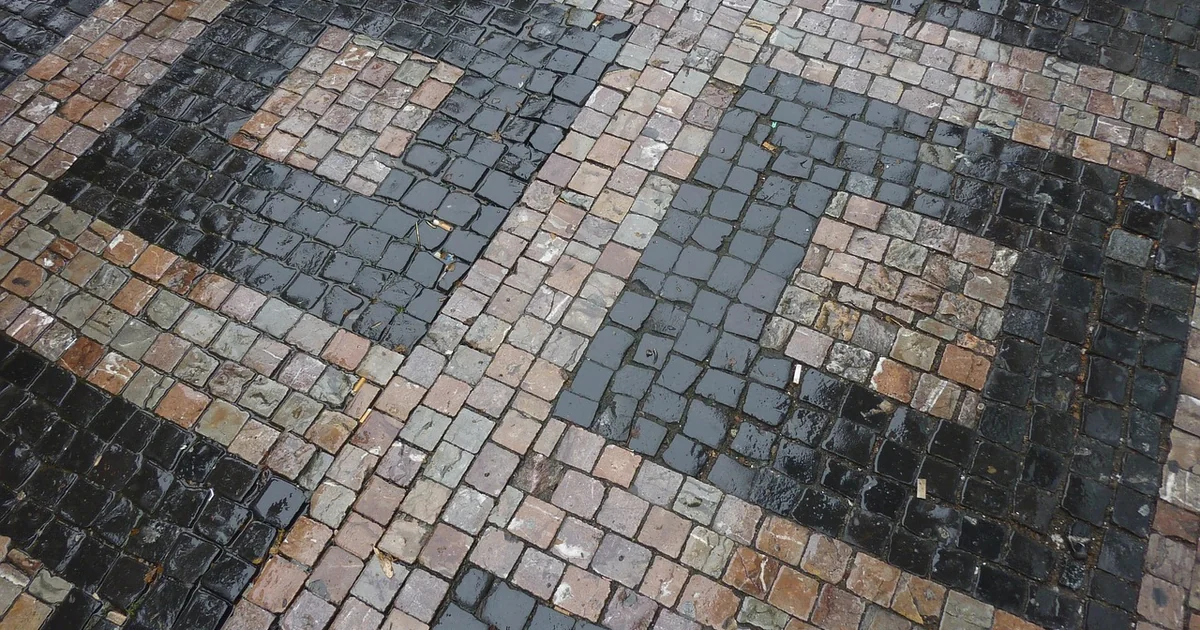
Paver joints are essentially tiny planters. Leaves, dust, and windblown particles settle into the gaps and break down into a thin layer of organic matter. This layer holds moisture and nutrients, creating conditions that are almost ideal for seed germination. Weed seeds are remarkably mobile — they hitch rides on your shoes, blow in on a breeze, or drop from nearby trees and shrubs. Once a seed lodges in a paver joint, it has access to everything it needs to sprout.
The geometry of the joint also protects young weeds. The surrounding pavers shield the seedling from foot traffic and heavy rain, allowing it to establish a root system before you even notice it. By the time the foliage becomes visible above the paver surface, the root may already be several inches deep. This is why a proactive approach matters more than a reactive one. Waiting until you see a full crop of weeds means the roots are already established, making removal harder.
Another factor that works in the weed’s favor is the timing of its life cycle. Many common weed species that invade paver joints are annuals that complete their entire life cycle in a single season. A single plant can produce hundreds or even thousands of seeds before it dies. Those seeds remain viable in the soil for years, waiting for the right conditions to germinate. This means that letting even one weed go to seed in your patio can create a multi-year problem.
Five Practical Natural Methods for Clearing Weeds Between Pavers
Each of the following methods works through a different mechanism. Some kill existing weeds on contact, while others prevent new seeds from establishing. Choosing the right approach depends on the size of your patio, the types of weeds you are dealing with, and how much time you want to spend on maintenance. In many cases, combining two or more methods delivers the best results.
1. Hand Pulling After a Deep Soak
Manual removal remains the most straightforward and reliable natural method for controlling weeds between pavers. The key is to remove the entire root system. Many common weeds, especially perennials like dandelion and plantain, will regrow from any root fragment left behind. A dandelion taproot, for example, can extend six inches or more into the ground beneath your pavers. If you snap it off at the surface, the remaining root will send up a new shoot within days.
To make hand pulling more effective, wet the paver joints thoroughly about 30 minutes before you start weeding. Moist soil is softer and clings less tightly to roots, allowing you to pull the plant out in one piece. A narrow weeding tool, such as a dandelion digger or a simple kitchen fork, helps you work into the joint without disturbing the paver base. Insert the tool alongside the weed, wiggle it gently to loosen the soil, then pull upward at a slight angle rather than straight up. This motion is less likely to break the root.
Hand pulling works best when weeds are young and the soil is damp. Make a habit of walking your patio once a week during the growing season and removing any seedlings you spot. A five-minute sweep each week is far easier than a two-hour session once a month. The effort is low, the cost is zero, and the satisfaction of seeing a clean, weed-free patio is immediate.
2. Horticultural Vinegar Spray
Vinegar kills weeds by drawing moisture out of plant tissue. When applied to foliage, the acetic acid in vinegar penetrates the leaf surface and disrupts the cell membranes, causing the plant to dehydrate and die. Young, tender weeds with thin leaves are the most vulnerable. Established weeds with woody stems or waxy leaf coatings may require multiple applications or a higher concentration of acetic acid.
Household vinegar, which contains about 5% acetic acid, is too weak to be effective against most weeds growing between pavers. You need horticultural vinegar, which typically contains 20% to 30% acetic acid. This concentration is roughly five to ten times stronger than what you keep in your kitchen. Horticultural vinegar is available at garden supply centers and online retailers. Handle it with care — it can cause skin irritation and eye damage, and it will kill any plant it touches, so avoid spraying it on nearby grass or ornamental beds.
To apply, fill a spray bottle or a small pump sprayer with undiluted horticultural vinegar. Choose a calm, dry day so the spray does not drift onto desirable plants. Aim the spray directly at the weed foliage, covering the leaves thoroughly but not to the point of runoff. The vinegar works quickly — you should see visible wilting within a few hours. Full dieback usually occurs within 24 to 48 hours. Reapply if the weed shows signs of regrowth after a week. Because vinegar is a contact herbicide, it only kills the parts of the plant it touches. Perennial weeds with deep root systems may send up new shoots from underground reserves, requiring repeated treatments.
3. Boiling Water Drench
Boiling water is perhaps the simplest and cheapest natural weed killer available. Every home has a kettle, and water costs almost nothing. The mechanism is thermal shock. When boiling water contacts plant cells, the high temperature causes the cell walls to rupture, leading to rapid death. This method is especially effective on young, soft-stemmed weeds that have not yet developed thick protective tissues.
For the best results, use a kettle or a carafe with a narrow spout that allows you to direct a steady stream of boiling water precisely onto the weed. Pour slowly and steadily, making sure the water saturates the foliage and runs down into the paver joint to reach the root zone. A single cup of boiling water can treat several square feet of paver joints if you pour carefully. You want enough water to penetrate the soil around the roots without flooding the entire patio.
Boiling water kills weeds on contact but leaves no residual effect. Any weed seed that germinates in the same spot a week later will grow unchecked unless you repeat the treatment. This makes boiling water best suited for small areas or for spot-treating individual weeds as they appear. It is also a good option for patios located near edible gardens where you prefer not to use any herbicides at all, even natural ones. The water cools quickly and poses no risk to the environment once it returns to ambient temperature.
4. Flame Weeding with a Propane Torch
Flame weeding applies intense heat directly to the weed, causing the water inside the plant cells to boil and burst the cell walls. The weed does not need to be burned to the ground — passing the flame over the foliage until it darkens and wilts is sufficient. The plant loses its ability to transport water and nutrients, and it dies within a day or two. This method works on both annual and perennial weeds, though perennials may require a second pass if the roots are deep enough to survive the initial treatment.
A propane torch with a flame-weeding attachment is the standard tool for this job. The attachment spreads the flame into a wide, fan-shaped pattern that covers more surface area than a narrow pencil flame. Move the torch steadily over the weed, holding the flame about two to four inches above the foliage. You will see the leaves change color from green to a darker, wilted shade almost instantly. Do not linger in one spot long enough to char the pavers or ignite any organic debris lodged in the joints.
Safety is the primary concern with flame weeding. Never use a propane torch on a windy day, as the flame can easily carry to nearby plants, wooden structures, or dry grass. Keep a bucket of water or a garden hose nearby as a precaution. Wear long pants, closed-toe shoes, and eye protection. Avoid using the torch near mulch beds or areas with dry leaves, as these materials can catch fire quickly. When used responsibly, flame weeding is a fast and effective method that requires no chemicals and leaves no residue in the soil.
5. Corn Gluten Meal for Long-Term Prevention
Corn gluten meal is a natural pre-emergent herbicide derived from the wet-milling process of corn. It works by inhibiting root formation in germinating seeds. When a weed seed sprouts, it sends out a tiny root called a radicle. Corn gluten meal releases compounds that prevent this radicle from developing. Without a functional root system, the seedling cannot absorb water or nutrients, and it dies shortly after emergence. Importantly, corn gluten meal does not prevent germination itself — the seed still sprouts, but the small plant cannot establish itself and fails to thrive.
Timing is critical with corn gluten meal. You need to apply it before weed seeds germinate but after they have begun the germination process. This window varies depending on your climate and the weed species you are targeting. In many regions, the ideal application window for spring-germinating weeds is when the soil temperature reaches about 55 degrees Fahrenheit. Applying too early means the compound may degrade before the seeds are ready to sprout. Applying too late means the roots may already be established, and the corn gluten will have no effect.
You may also enjoy reading: 5 Ways Costco Keyhole Garden Bed Turns Scraps to Gold.
For corn gluten meal to work effectively, the treated area must remain dry for at least three to four days after application. If rain falls during this period, the active compounds can wash away before they have a chance to inhibit root formation. Check the weather forecast before you spread the meal, and plan for a dry window. Apply it at a rate of about 20 pounds per 1,000 square feet, using a broadcast spreader or by hand for small areas. Lightly rake it into the paver joints so it settles into the gaps where weed seeds are most likely to germinate.
Corn gluten meal has a secondary benefit — it contains about 10% nitrogen by weight, which means it acts as a mild fertilizer for your surrounding lawn or garden plants. This dual action makes it a smart choice for homeowners who want to feed their grass while suppressing weeds in adjacent hardscape areas. Note that corn gluten meal is a preventative measure, not a cure for existing weeds. Apply it in early spring and again in late summer to cover both the spring and fall germination windows.
Timing Your Attack on Weeds Between Pavers
Natural weed control methods are most effective when applied at the right stage of the weed’s life cycle. Young weeds that have not yet produced seeds are far easier to kill than mature plants with established root systems and protective seed heads. This is why regular observation matters. A quick weekly walk around your patio lets you catch weeds when they are still small and vulnerable.
Early spring is the best time to apply corn gluten meal, as this is when most annual weed seeds begin to germinate. Hand pulling, vinegar spraying, and boiling water treatments work well throughout the growing season as long as you target weeds while they are still less than four inches tall. Once a weed bolts and begins to flower, the plant shifts its energy to seed production. At this stage, even a successful kill leaves behind a seed bank that will sprout next season. If you spot a weed that has already gone to seed, remove the seed head carefully and dispose of it in the trash rather than letting it fall onto the soil.
Late autumn presents another opportunity for prevention. After the first frost but before the ground freezes, many weed species set seed for the following year. A final pass of hand pulling or spot treatment with vinegar can reduce the number of seeds that overwinter in your paver joints. This small effort in the fall pays dividends the next spring.
Combining Methods for the Toughest Weeds Between Pavers
No single natural method works perfectly on every weed in every situation. Perennial weeds with deep taproots, such as thistle or bindweed, often require a layered approach. Start by soaking the paver joints with water, then hand pull as much of the root as possible. Follow up by drenching the remaining root fragment with boiling water or horticultural vinegar. The initial pulling removes the bulk of the plant, and the follow-up treatment weakens any root pieces that were left behind.
Another effective combination involves using corn gluten meal as a preventative base and hand pulling or spot treating any weeds that manage to germinate anyway. This dual strategy addresses both the seed bank and the occasional breakthrough. Over time, as the corn gluten meal reduces the number of viable seeds in the joints, the amount of hand pulling required decreases dramatically.
For large patios that have been neglected for a season or two, consider a two-phase approach. In the first phase, use a combination of hand pulling and boiling water to clear the existing weeds. Wait two weeks for any missed roots to resprout, then treat those spots again. In the second phase, apply corn gluten meal to prevent the next generation of weeds between pavers from establishing. This sequence cleans the slate and then locks it down.
Keeping Paver Joints Clean Reduces Weed-Friendly Buildup
The organic material that collects between pavers is the foundation of your weed problem. Leaves, grass clippings, pollen, and dust settle into the joints and decompose into a thin layer of soil. This layer holds moisture and nutrients, creating a perfect germination medium. Regularly sweeping your patio with a stiff broom dislodges this debris before it has a chance to break down. A quick sweep once a week during the fall when leaves are dropping, and every two weeks during the rest of the year, can significantly reduce the amount of organic matter in the joints.
Rinsing the patio with a garden hose on a gentle setting can also help wash out loose debris. Avoid using a high-pressure nozzle, as this can displace the sand or gravel that stabilizes the pavers. If your paver joints are filled with polymeric sand, sweeping and rinsing are especially important because the sand is designed to harden and block weed growth. When organic matter accumulates on top of polymeric sand, it creates a new surface layer where weeds can root, bypassing the protective sand below.
Keeping the joints clean is a simple habit that reduces the need for more intensive treatments. It costs nothing and takes just a few minutes each week. Over a full growing season, those few minutes add up to a noticeably cleaner patio with fewer weeds to pull, spray, or burn.
Managing weeds between pavers naturally is not a one-time project — it is an ongoing practice that becomes easier the more consistently you apply it. The combination of manual removal, contact treatments like vinegar or boiling water, flame weeding for stubborn patches, and the preventative power of corn gluten meal gives you a full toolkit that works with nature rather than against it. By staying a step ahead of the weeds and treating them when they are young, you can keep your patio looking clean and inviting without reaching for chemical herbicides.