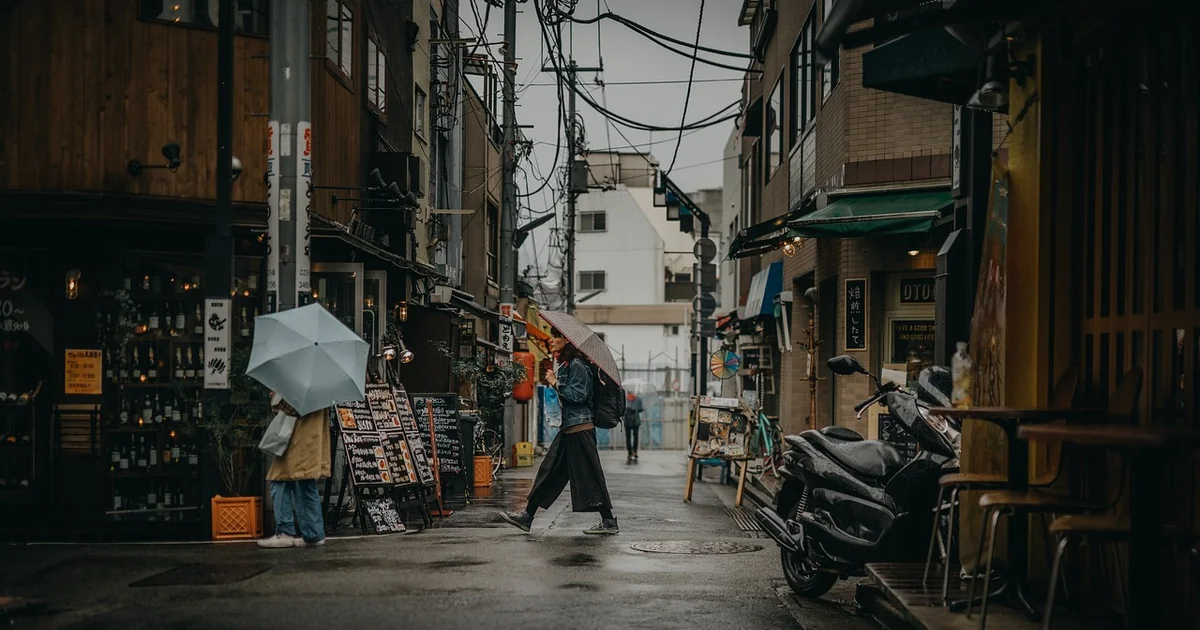
Tokyo has a way of capturing the imagination of travelers. Its sheer scale—roughly 37 times the size of Manhattan—means that even frequent visitors discover new pockets with each trip. For those seeking a deeper connection beyond the neon glow of Shibuya and the historic temples of Asakusa, a handful of neighborhoods offer an authentic taste of local life. These areas are often overlooked by first-timers but cherished by locals and fashion insiders alike.
When to Plan Your Tokyo Travel Guide
Timing can make or break your experience in these hidden corners. Spring is undeniably the most popular season, thanks to cherry blossoms that draw crowds to every park and riverbank. Yet fall, especially October and November, offers a quieter magic. Clear skies and mild temperatures create perfect conditions for walking through neighborhoods like Yoyogi-Uehara and Nakameguro. The autumn foliage transforms the city into a palette of reds and golds, with ginkgo trees lining streets in stunning yellow tunnels.
The only months to avoid are July and August. Humidity and heat can turn a pleasant stroll into an exhausting ordeal. If you can, schedule your trip during the shoulder seasons for the most comfortable exploration. Spring and fall also offer the best light for photography, which matters when you are documenting vintage finds or riverside cafes.
5 Insider Guide Spots in Tokyo
Each of the following neighborhoods brings its own personality. Some are famous among vintage shoppers, others are quiet residential areas with hidden gems. All reward those who take the time to wander.
1. Shimokitazawa: Vintage Capital and Laid-Back Vibe
Shimokitazawa, often called Shimokita by locals, has long been a magnet for young creatives. Its narrow streets are lined with secondhand clothing stores, independent bookshops, and tiny live music venues. The area feels like a small town within the metropolis, with a bohemian energy that attracts artists and fashion lovers from across the city.
Where to Stay
Shimokitazawa itself has few large hotels. Most visitors base themselves in nearby Shibuya or Shinjuku, then take a short train ride (about five minutes) to reach the neighborhood. For a more immersive stay, consider a guesthouse or Airbnb in the residential side streets. The area’s walkability means you can easily explore on foot without needing a hotel in the center.
Where to Shop
Vintage shopping is the main draw here. You will find racks of denim from the 1980s, deadstock Calvin Klein jackets, and rare Burberry trench coats at prices far below those in department stores. Stores like Chicago and Flamingo are famous among thrift enthusiasts, but smaller shops tucked into alleys often hold the best surprises. Bring cash, as some vendors do not accept cards.
Where to Dine
Shimokitazawa excels at casual, affordable eats. Izakayas (Japanese-style pubs) serve small plates perfect for sharing after a day of shopping. Try the grilled skewers at a standing bar, or grab a bowl of ramen from a tiny counter. For dessert, stop at a specialty coffee shop that also offers homemade pudding. The neighborhood is also known for its curry houses—look for places with long lines, a reliable sign of quality.
2. Koenji: The Rising Star for Thrift and Culture
Koenji has gained traction among in-the-know travelers who want to avoid Shimokitazawa’s crowds. This neighborhood offers a similar vintage scene but with a grittier, more authentic edge. Its streets are wider, and the atmosphere feels less curated. Koenji is also famous for its annual Awa Odori festival, one of the largest dance festivals in Japan.
Where to Stay
Koenji has a handful of budget-friendly hostels and capsule hotels. For more comfort, stay in Shinjuku and take the Chuo Line train, which reaches Koenji in under 10 minutes. The train station itself is a hub of small eateries and shops, making it easy to start your exploration right after stepping off the platform.
Where to Shop
Vintage stores in Koenji specialize in Americana and workwear. You will find more denim, leather jackets, and military surplus than designer deadstock. The prices are often lower than in Shimokitazawa because the area is less touristy. Look for shops along the main shopping arcade, but also venture into side streets where independent sellers operate out of small garages.
Where to Dine
Koenji is a paradise for ramen lovers. Several shops are known for their rich tonkotsu broths and handmade noodles. The neighborhood also has a strong okonomiyaki (savory pancake) culture, with casual restaurants where you cook at your table. For a quick bite, try the gyoza from a street-side stall. End your evening at a jazz kissa (listening bar), where you can sip whisky while spinning vinyl records.
3. Nakameguro: Riverside Chic and Boutique Finds
Nakameguro runs along the Meguro River, which is lined with cherry trees that create a canopy of pink in spring. Even outside of blossom season, the area charms with its canal-side cafes, independent boutiques, and stylish residents. It feels more upscale than Shimokitazawa or Koenji, but still retains a neighborhood feel.
Where to Stay
Nakameguro has a few boutique hotels that blend modern design with traditional elements. The area is also close to Daikanyama, another trendy district with luxury accommodations. If you prefer a quieter stay, look for a small ryokan-style guesthouse along the river. The sound of water and the absence of traffic noise make for a restful night.
Where to Shop
Shopping in Nakameguro leans toward contemporary Japanese brands and homeware. You will find stores selling minimalist ceramics, linen clothing, and artisanal stationery. Vintage shops here are more curated, often featuring high-end labels in excellent condition. The area is also known for its concept stores that blend fashion, art, and coffee under one roof.
You may also enjoy reading: 7 DIY Solar Light Chandelier Hacks You Need.
Where to Dine
Dining along the river is a highlight. Many restaurants offer outdoor seating with views of the water and cherry trees. French-Japanese fusion is popular, as is Italian cuisine adapted to local ingredients. For a casual meal, try a soba shop that serves cold noodles with dipping sauce. In the evening, the area transforms into a destination for natural wine bars and craft cocktail spots.
4. Yoyogi-Uehara and Yoyogi-Hachiman: Local Living at Its Finest
These two adjacent neighborhoods are among Elie Inoue’s favorites. They are residential areas popular with locals who value a quiet lifestyle close to nature. Yoyogi Park is nearby, and the streets are lined with old houses converted into small shops and cafes. This is where you come to slow down and observe everyday Tokyo life.
Where to Stay
Accommodation options are limited in this area. Most visitors stay in Shibuya or Harajuku and walk over. The distance from Shibuya Station to Yoyogi-Uehara is about 20 minutes on foot, passing through Yoyogi Park along the way. That walk itself is a pleasure, especially in spring or fall. For a unique experience, book a private home rental that gives you a taste of local living.
Where to Shop
Shops here are small and specialized. You will find a potter selling handmade tea bowls, a bookstore that stocks only photography volumes, and a clothing boutique that carries a single brand. The emphasis is on quality and craftsmanship rather than quantity. This is the place to buy a souvenir that no one else will have—a hand-dyed scarf or a ceramic sake set.
Where to Dine
Yoyogi-Uehara is known for its hidden ramen shops, often with only a few counter seats. The lines are shorter than in tourist-heavy areas, but the quality is just as high. The neighborhood also has excellent sushi-ya (sushi restaurants) that source fish from nearby Tsukiji. For a leisurely afternoon, visit a kissaten (traditional coffee shop) that serves toast and coffee in a retro setting.
5. Kamata: The Next Up-and-Coming Neighborhood
Kamata is not yet on most tourist maps, but locals predict it will gain attention soon. Located a bit south of central Tokyo, it offers a glimpse of the city before the bubble economy. The area has a nostalgic charm, with old shotengai (shopping streets) that have remained unchanged for decades. It is affordable, authentic, and ripe for discovery.
Where to Stay
Kamata has a few business hotels that cater to travelers heading to Haneda Airport, which is nearby. These are practical rather than luxurious, but they offer easy access to the neighborhood’s shopping streets. For a more memorable stay, consider a traditional minshuku (family-run inn) if you can find one. The proximity to the airport makes Kamata a convenient last stop before departure.
Where to Shop
The main shopping street is a covered arcade filled with family-run stores. You can buy fresh produce, kitchen knives, and handmade tofu. Vintage shops are beginning to appear, drawn by low rents and a growing interest from young people. This is a place to find bargains before prices rise. Look for secondhand kimono shops where you can pick up a silk garment for a fraction of its original cost.
Where to Dine
Kamata is famous for its monja-yaki, a savory pancake similar to okonomiyaki but with a runnier texture. Several restaurants specialize in this dish, and the experience of cooking it yourself at the table is both fun and delicious. The area also has excellent yakitori (grilled chicken skewers) and a lively drinking scene with small bars tucked into alleys. Prices are noticeably lower than in central Tokyo, so you can eat well without stretching your budget.
These five neighborhoods prove that Tokyo’s charm lies as much in its quiet corners as in its iconic landmarks. Whether you are hunting for vintage denim in Shimokitazawa or sipping coffee along the Meguro River, each area offers a unique slice of the city’s soul. Let this tokyo travel guide be your starting point for a journey that goes beyond the guidebook. Pack comfortable shoes, bring an open mind, and allow yourself to get lost—that is where the real discoveries await.