For years, I spent too many Saturday mornings staring at a closet full of clothes with nothing to wear. The problem wasn’t a lack of options—it was that most of my pieces were tied to fleeting seasonal fads that rarely made sense together. After a few costly rounds of this, I taught myself a new rule: invest only in classic, foundational items that feel current without being trendy. That shift didn’t just save my budget; it gave me back the 20 minutes I used to waste every morning trying to pull an outfit together. With Memorial Day behind us and summer’s heat settling in, I’m leaning even harder into that philosophy. I’m building a warm-weather wardrobe around summer anti-trends—pieces that feel fresh and intentional without chasing the hype cycle. This season I’m skipping five buzzy styles you’ll see all over feeds and wearing elegant, low-key alternatives instead.

How to Train Yourself to Resist Micro-Trends and Build a Timeless Summer Wardrobe
Unlearning the habit of impulse-buying every new silhouette isn’t something that happens overnight. I’ve trained myself to stop scrolling the “new in” tabs and start asking one question before any purchase: “Will I still love this in August?” If the answer isn’t an immediate yes, the item stays on the rack. Over the years, that practice has reshaped my closet into a collection of pieces that are quietly “in” month after month, and more importantly, pieces that pair together with almost zero effort.
The biggest reward has been financial. Today a summer refresh might mean adding a single new woven tote or replacing worn-out sandals, not overhauling half my wardrobe. That disciplined approach is the backbone of a summer anti-trends mindset—one that treats your closet like a slow, careful edit rather than a revolving door. It also means I no longer panic when I see a style go viral; by the time a micro-trend peaks, I’ve already built a personal uniform that doesn’t depend on it.
If you’re worried that saying no to trends sounds boring, remember that restraint doesn’t mean ditching personality. In fact, a base of clean, classic shapes makes it easier to spotlight one or two playful accessories without veering into costume territory. The goal isn’t a capsule wardrobe of beige basics—it’s a highly selective mix of versatile pieces that feel like you, season after season.
The Hidden Costs of Following Seasonal Trends Versus Investing in Classics
Chasing micro-trends comes with a price tag that goes beyond the receipt. There’s the obvious money drain: a pair of platform slides bought in June might feel painfully dated by September, while a sleek, minimalist flip-flop remains a repeat buy for years. Then there’s the hidden cost of decision fatigue. When your closet is stuffed with trend-driven pieces that don’t relate to each other, getting dressed becomes a puzzle you never chose to solve.
I learned this the hard way during a summer when I owned seven cropped tops and still felt I had nothing to wear. Because the silhouettes were all statement, they competed rather than complemented. Swapping those out for romantic sleeveless blouses with gentle drape instantly simplified my mornings. The math is straightforward: one soft, ivory Chloé-inspired blouse can anchor shorts, linen trousers, or a slip skirt across three months, whereas a single hyper-trendy crop might work with one pair of high-waist pants and that’s it. Investing in classics pays off not only in cost per wear but in hours reclaimed every week.
Why an Anti-Trend Approach Actually Saves Time in Daily Dressing
I track my mornings by how many outfit “do-overs” I avoid. When my closet consists of pieces that inherently pair nicely together—shorts that work with blouses and knits, sandals that anchor both dresses and trousers—I can get ready in under five minutes. That’s the daily dividend of a heavily edited summer wardrobe.
Think of a woven tote, for instance. I’ve carried the same raffia bag with jeans, a midi skirt, a casual cotton short, and an evening slip dress. It looks intentional in every scenario because the bag itself is classic, not a novelty item trying to carry the whole look. By contrast, an animal-shaped bag might be adorable for one Instagram shot but rarely translates across multiple real-life settings. The time you save not having to switch bags—or debate whether it’s “too much” for the grocery store—adds up fast.
5 Summer Trends I’m Skipping (And the Anti-Trends I’m Wearing Instead)
Why Skip Zipped Sweaters in Summer?
Lightweight knitwear is a warm-weather essential for breezy evenings and over-air-conditioned restaurants, but not all sweaters are created equal. This year I’m deliberately passing on zipped styles—they can feel sporty or restrictive in a way that clashes with the relaxed mood of summer. Instead, I’m reaching for open-weave knits with a slouchy scoop neck. Elsa Hosk was recently spotted wearing exactly this: a loose, low-cut knit paired with low-rise Bermuda shorts and flip-flops for a casual outing in Los Angeles. The effect was polished without trying too hard, exactly the kind of nonchalance I’m after. An open-weave sweater in a neutral linen blend or fine cotton-silk mix nods to texture and keeps you warm without adding bulk. The slouchy neckline also frames the collarbone beautifully, eliminating the need for a statement necklace. At the end of a long beach day, I’ll throw one over a swimsuit and feel completely put together. Open-weave knits with a slouchy scoop neck are the chic alternative.
What Makes Bermuda Shorts Timeless?
Bloomer shorts have their moment in vacation photos, but in real life they often read as costume-like—perfect for Ibiza, less so for a coffee run or a casual office setting. Bermuda shorts, on the other hand, balance polish with effortlessness. I’m not talking about the stiff, trouser-pleated versions from a decade ago; this summer’s Bermudas come with modern updates like elastic waistbands, drawstrings, and fluid fabrics. A pair in cotton, taffeta, or satin can slip seamlessly from a morning meeting to an evening drink outdoors. I’ve found the most elegant options at COS and Reformation, where the cuts skim the thigh and end just above the knee. Styled with a romantic sleeveless blouse and sleek flip-flops, they hit that sweet spot of looking intentional without feeling overdressed. Bermuda shorts balance polish with effortlessness and come in modern iterations.
How Can Flip-Flops Be Elevated?
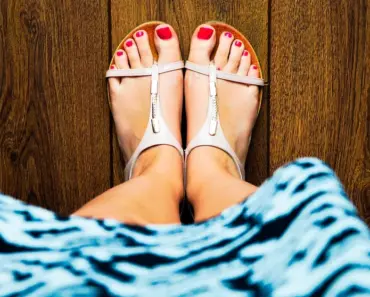
As a five-foot-tall woman, I rarely opt for flats in summer—but when I do, there’s only one style I trust: the elevated flip-flop. I’m skipping platform slides entirely this season. While they add height, they often look clunky and can date a look the way chunky soles tend to. Instead, I choose sleek, minimalist pairs with clean lines, muted color palettes, and absolutely no logos. A slim leather or croc-effect flip-flop in camel, black, or ivory elongates the leg without screaming for attention. Brands like TKEES and TOTEME do this beautifully— these are sandals that feel as right with a linen dress as they do with tailored shorts. That kind of quiet versatility is exactly what a summer anti-trends wardrobe needs. Elevated flip-flops have sleek lines, muted colors, and no logos.
Which Blouse Style Is Fashion Insider-Approved?
Cropped tops had a long run, but I’m retiring them for now. In their place, I’m building a small collection of romantic sleeveless blouses that feel airy, dainty, and a little nostalgic. Before I swipe my credit card, I ask a simple filter: “Would Chemena Kamali from Chloé approve?” That’s the vibe fashion insiders are chasing for 2026—pieces that are soft, subtly sultry, and rich in detail like lace trim or ruffled cotton poplin. A top like the Chloé ruffled cotton-poplin blouse or a Massimo Dutti asymmetric number with lace detail works hard: tuck it into Bermuda shorts for date night, wear it loose over a slip skirt, or knot it at the waist over wide-leg linen trousers. Because the silhouette is forgiving and the fabric breaths well, you stay comfortable in the heat while looking considered. Romantic sleeveless blouses with an airy, dainty, and nostalgic vibe are on trend for 2026.
Why Choose a Woven Tote Over an Animal-Shaped Bag?
I adore personality pieces as much as the next person, and an animal-shaped bag can be a fun conversation starter. However, for a bag to earn a spot in my summer rotation, it has to work across my entire closet. That’s why I’m swapping novelty shapes for a woven tote this season. A structured raffia or straw tote is uncannily versatile: I’ve seen it paired with trousers, jeans, skirts, shorts, and dresses without ever looking out of place. One morning I might carry it with cotton Bermudas and a breezy blouse; that same evening, I’ll dress it up with a flowing maxi and nothing about the combination feels forced. The natural texture adds warmth to monochrome outfits and grounds louder prints. Plus, a well-made woven tote is a perennial piece that only gets better with age, qualifying it as a genuine summer anti-trend investment. Woven totes are classic, versatile, and can be styled beyond the beach.
You may also enjoy reading: 5 Best Black Blouses to Shop Summer 2026 & Beyond.
How to Mix Anti-Trend Basics with a Few Personal Statement Pieces
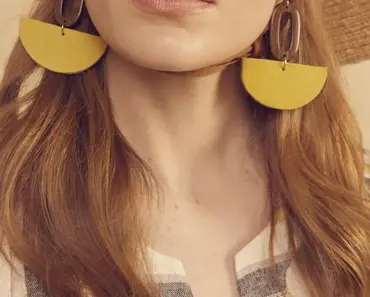
Adopting an anti-trend approach doesn’t mean your wardrobe has to look like a uniform of oatmeal-hued separates—playful style can absolutely coexist with a timeless base. The trick is to let one or two elements carry the personality while the rest recedes. If your heart is set on a vivid marigold open-weave knit, keep the shorts and footwear neutral. If you long for a sculptural handmade necklace, let a simple sleeveless blouse be the canvas.
Colorful personal style works within a low-decision closet when you treat each colorful item as the hero piece. A woven tote in an unexpected pop of turquoise, or a pair of sleek flip-flops in a muted metallic, can infuse a look with character without pushing it into trend-forward territory. The beauty of this subtractive method is that it prevents outfit clashes; the foundational pieces—the Bermudas, the blouses, the open-weave layers—act like a gallery wall that makes every statement piece sing.
The Psychological Benefits of a Curated, Low-Decision Wardrobe
I didn’t anticipate how mentally freeing a smaller, smarter closet would feel. When you remove the daily negotiation of “does this still work?” and “do I have anything to go with this?”, you reclaim a surprising amount of headspace. The ritual of getting dressed shifts from a chore to a quiet, pleasant moment. Fewer choices mean less stress and faster mornings, which can genuinely improve the tone of your entire day.
There’s also a confidence that comes from knowing every item in your closet earns its place. You stop second-guessing whether an outfit is appropriate because your pieces already share a visual language. This summer, I’ve noticed I spend far less time eyeing other women’s outfits with comparison anxiety and more time simply feeling at ease in my own. That’s the hidden luxury of summer anti-trends: they free you to live in your clothes rather than perform in them.
Frequently Asked Questions
If I’ve already bought a bunch of trendy summer items, can I still adopt an anti-trend approach now?
Absolutely. Start by pulling out the trendy pieces and set aside the ones you genuinely wear and love—those can become your statement accents. Pair a platform slide with an otherwise minimalist outfit, for example, or style a cropped top under an open-weave knit so it feels less exposed. Then slowly fill gaps with the classic alternatives as your budget allows, replacing fast-fashion impulse buys with thoughtful investments over time.
How do I tell the difference between a micro-trend and a potential summer classic?
A quick gut check helps: if an item looks dated in photos from two summers ago, it’s likely a trend. Classics, like Bermuda shorts or a sleek flip-flop, have been around in one form or another for decades and adapt to small silhouette updates rather than requiring a full reinvention. Ask yourself whether the piece works across at least three different bottom-and-top pairings you already own. If the answer is no, it may be a micro-trend best left on the rack.
Are woven totes practical for everyday use, or just for the beach?
Woven totes are remarkably versatile. A medium-sized raffia or straw bag with a structured shape and a secure closure can easily carry a wallet, phone, keys, and a small water bottle—everything you need for daily errands. They add texture to jeans and a blouse just as well as they complement a swimsuit cover-up, making them a year-round staple in many wardrobes. Look for a neutral natural tone and a sturdy weave, and you’ll reach for it far beyond the shoreline.
Building a summer wardrobe around intentional choices rather than chasing every glossy new drop doesn’t mean sacrificing joy. It means giving yourself the gift of more time, more money, and a closet that feels calm every single morning. This season, I’m letting the five trends I’ve named above pass me by, and I’m already noticing how much lighter my daily decisions feel.