Why Your Backyard Needs a Spring Refresh for Birds
You have likely noticed more bird activity in recent weeks, but the pace really accelerates through May. The survival-mode feeding of late winter is behind them. What is happening now is faster and more demanding: bird boxes are being selected, nests are going up, eggs are hatching, and parent birds are running themselves ragged trying to keep chicks fed. A backyard that worked fine all winter may not be set up for the high-performance nesting frenzy taking place now. For bird lovers, this can be the most rewarding time of the year, but it requires a few special extras to your usual spring bird care routine. What worked during the frost will not sustain a nest full of demanding, growing chicks. A handful of small changes go a long way toward attracting birds during this particular stretch of the season. By making a few small adjustments now, you are not just caring for this year’s birds but taking an active stake in the survival of the next generation of songbirds. And you are also ensuring that your yard becomes the place they come to first for nibbles, treats, and tweets. Birds are surprisingly loyal once they identify a spot that keeps them safe, protected, nurtured, and happy. Meet their specific needs, and they mark your yard as a safe zone that they return to day after day, year after year. It is very easy to meet these needs, and you do not need lots of space. Here is how you can help your local birds thrive during this important month and ensure they keep coming back for more.
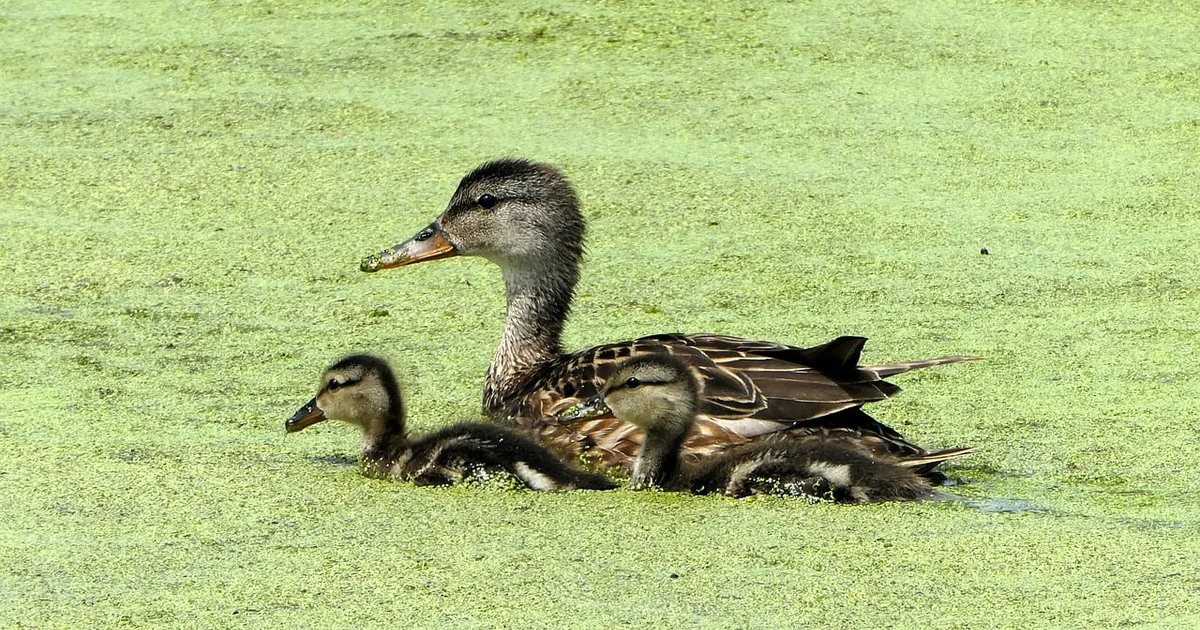
What Backyard Birds Need in May
May signals the arrival of the most calorie-demanding phase of the year for many bird species outside of migration, and that is nesting season. Existing bird-care rituals like filling the seed hopper are a great start, but they need to be extended with a view to boosting nourishment in more specific ways, as well as assisting with the nesting process and the very early stages of nurturing the next generation. For instance, in smaller urban gardens, birds may struggle to find the natural diversity of materials they need to create and fill nests. Any extra support you can give is vital. Size does not limit the impact. A single native host plant in the tiniest suburban setting can create instant security, diversity, and sustenance at this peak time. This does not mean that more rural areas have fewer pressures. There will still be more demand for fewer resources as more eggs are laid, which is where you come in.
The real trick to helping your nesting and fledgling bird numbers is consistency and accessibility. Birds are creatures of habit, and during May they do not have the time to go searching for resources. If you can provide a sanctuary that offers safety, easy-to-digest food, comfort, nesting options, and clean water, you will see an immediate and continued vibrancy in the local bird community you help to nurture. Every calorie a bird saves on a foraging flight is a calorie they can put into feeding their chicks. So put these quick wins into effect this month, and you will ensure that your backyard remains a bustling, joyful hub of activity through the nesting season and beyond.
The 7 Easy Spring Wins for Bird Lovers
Below are seven straightforward actions you can take right now. Each one addresses a specific need that arises during the nesting season. Implement them together, and your yard will become a reliable haven for breeding birds and their young.
1. Offer High-Protein Foods That Nesting Birds Crave
During May, parent birds need protein more than almost anything else. Seeds alone are not enough to fuel the rapid growth of chicks. Mealworms, black oil sunflower seeds, and suet cakes are excellent choices. Mealworms, in particular, are packed with protein and fat. You can buy dried mealworms and rehydrate them by soaking in warm water for about 20 minutes. This extra step helps early arrival chicks stay hydrated. Suet is another backyard staple during nesting season. It provides concentrated energy that adult birds can quickly convert into feeding trips. Offer suet in a mesh feeder or a specialized suet cage. Place it near cover so birds feel safe while eating.
A study from the Cornell Lab of Ornithology found that chickadees and titmice increase their foraging trips by up to 37% during peak nestling periods. Providing a reliable protein source saves them precious time. You might also consider offering crushed eggshells. Rinse them, bake at 250°F for 10 minutes to kill bacteria, then crush into small pieces. Eggshells provide calcium, which is critical for egg production and healthy bone development in chicks. Scatter them on a flat surface or a tray feeder. Many birds will eagerly consume them.
2. Provide Nesting Materials in a Safe, Accessible Spot
Birds spend hours gathering twigs, grass, moss, feathers, and spider webs to build their nests. In urban and suburban areas, natural materials can be scarce. You can help by offering nesting materials in a dedicated dispenser. Use a mesh bag, a suet cage, or a small wire basket. Fill it with short lengths of natural cotton string, pet fur (untreated), soft plant fibers, dry grass clippings, and small twigs. Avoid synthetic materials, dryer lint, and human hair, as these can tangle or harm birds.
Place the dispenser near a tree or shrub so birds can quickly grab materials without exposing themselves to predators. You will be amazed at how fast the supply disappears. Some species, like house finches and goldfinches, will even use bits of moss or lichen. Observing a bird carefully selecting a strand of cotton for its nest is a small joy that connects you directly to the nesting cycle.
3. Install a Bird Bath with Moving Water
Water is essential for drinking and bathing, especially during the warm days of late spring. A simple bird bath is good, but one with moving water is far better. The sound of dripping or splashing attracts birds from a distance. You can add a small solar-powered fountain or a dripper device. If you already have a bird bath, clean it every few days and refill with fresh water. Algae and bacteria can build up quickly in warm weather.
Place the bath near a bush or tree so birds have a quick escape route. Keep it in a spot that is visible from a window but not too close to feeders, as bathing and feeding areas should be separate to reduce conflict. A well-maintained water source can double the number of bird visits to your yard, according to data from the National Audubon Society. During nesting season, parents will also bring their fledglings to the bath to learn how to drink and bathe.
4. Create Shelter with Native Shrubs and Dense Plantings
Birds need safe places to hide from predators and harsh weather. A yard with open lawn and a single feeder does not offer enough cover. Planting native shrubs and small trees creates instant security. Native plants also host insects that birds feed to their young. For example, an oak tree can support over 500 species of caterpillars, which are a primary food source for many songbird chicks.
If you have limited space, even a few large pots with dense evergreens or flowering perennials can help. Consider plants like serviceberry, dogwood, or viburnum. They provide berries later in the season as well. Place your feeders and water source within 10 to 15 feet of these shelter plants. Birds will feel confident visiting because they know a quick retreat is nearby. This small change reduces stress on nesting adults and increases the time they spend feeding in your yard.
5. Leave a Messy Corner for Foraging and Nesting
Many gardeners tidy up every fallen leaf and dead stem. But birds benefit from a little mess. A small pile of brush, a patch of unmowed grass, or a cluster of dried flower stalks provides insects, seeds, and nesting materials. Leave a corner of your garden untouched through spring and early summer. This mimics the natural habitat birds evolved with.
You may also enjoy reading: 7 Reasons ALDI’s Solar Fire Bowl Upgrades Your Backyard.
Leaf litter is home to beetles, spiders, and other arthropods that birds love. Dead stems offer hiding places for insects and also serve as perches for birds to hunt from. If you have a compost pile, keep it accessible. Many birds will pick through it for grubs and worms. This low-effort approach costs nothing and yields high rewards for local bird populations.
6. Keep Feeders Clean and Strategically Placed
Dirty feeders can spread diseases like salmonella and conjunctivitis among birds. During spring, when birds are stressed and crowded, hygiene becomes even more critical. Clean your feeders every two weeks with a solution of one part bleach to nine parts water. Rinse thoroughly and let them dry completely before refilling. Also, clean the ground beneath feeders where spilled seeds can rot and grow mold.
Place feeders at different heights and locations to reduce competition. Tube feeders for smaller birds, platform feeders for ground-feeding species, and suet feeders for woodpeckers and nuthatches. Keep feeders at least 10 feet away from windows to prevent collisions. If you have a window that birds frequently hit, add decals or hang a string of beads. Consistency in feeder placement helps birds learn the routine. They will return at predictable times, making your viewing more rewarding.
7. Provide a Safe Landing Zone with Perches and Roosting Pockets
Birds need places to rest and survey their surroundings before approaching a feeder or water source. A bare feeder hanging in the open feels exposed. Install a few perches nearby: a dead branch stuck in the ground, a shepherd’s hook, or a simple wooden stake. Even a clothesline can serve as a perch. These landing spots give birds a chance to check for predators.
You can also add a roosting pocket or a small birdhouse designed for rest rather than nesting. Some species, like wrens and chickadees, will use these during bad weather or at night. If you have trees, leave some dead branches intact. They provide natural perches and foraging sites for bark-gleaning birds. A yard with multiple perch options feels safer and more inviting, which encourages birds to linger and explore.
Putting It All Together for a Bird-Friendly May
These seven wins are simple to implement, yet they address the core challenges birds face during nesting season. Start with the one that feels easiest for you. Maybe you already have a bird bath but want to add a dripper. Or you have a suet feeder but need to add mealworms. Each small improvement compounds. Within a week, you will notice more species visiting and staying longer.
Remember that consistency matters. Refill feeders at the same time each day if possible. Keep water fresh. Replenish nesting materials as they are taken. Birds quickly learn routines and will adjust their daily movements to include your yard. By investing a little time now, you are helping raise the next generation of songbirds. That is a legacy worth building.
So put these quick wins into effect this month. From soft protein and nest supplies to accessible water and safe landing zones, each element keeps your garden birds happy, healthy, and coming back day after day. Your yard will become a vibrant hub of activity, and you will experience the deep satisfaction of supporting wildlife right outside your door.