The last golden petals have fallen from your Forsythia, and the mock orange no longer fills the air with its citrus perfume. Your instinct might tell you the garden show is over. But for anyone determined to see a more impressive performance next spring, the real work begins now. The ideal window to prune shrubs in May opens the moment those final blossoms drop, and acting within that narrow period changes everything about next year’s display.
Why May Pruning Produces More Flowers
Most deciduous spring-flowering shrubs set their flower buds on stems that grew the previous year. Botanists call this habit “blooming on old wood.” Prune too late in the season and you slice off those developing buds. Prune too early, before the blooms finish, and you rob yourself of the current show.
May occupies a sweet spot. The flowers have faded but the plant has not yet redirected its energy into seed production or late-season growth. By cutting back now, you force the shrub to channel its resources into producing strong new canes during the warmth of summer. Those canes harden off by autumn and become next spring’s flowering wood.
Consider what happens if you skip this step. A Forsythia left untouched for three years develops a congested centre where light cannot reach. Older stems grow thick and woody, producing fewer flower buds. The shrub becomes leggy, with blooms only at the tips. A single May pruning session reverses that decline and restores a full, low-to-the-ground flower display.
The same principle applies across almost every early-season bloomer. When you prune shrubs in May, you align your cut with the plant’s natural growth cycle. The shrub responds with vigorous shoots that carry more buds than the aging stems they replaced.
When to Prune Shrubs in May for the Best Results
Timing matters more than technique for these plants. The general rule is straightforward: prune immediately after the last flower fades. In most USDA zones, that falls somewhere in May. Gardeners in colder regions, such as zones 4 or 5, may find their shrubs finish blooming in early June. Watch the plant rather than the calendar.
Before you make a single cut, check for nesting birds. Robins, finches, and blackbirds often build their nests in the dense branches of Forsythia and mock orange during late spring. Disturbing an active nest is both harmful to the birds and, in many regions, illegal under wildlife protection laws. If you find a nest, delay pruning until the chicks have fledged.
Choose a dry day for your work. Wet conditions increase the risk of fungal spores entering fresh cuts. A dry morning, after the dew has evaporated, gives the wounds time to callus over before nightfall.
The tools required are modest. A pair of sharp bypass secateurs handles stems up to about half an inch thick. Loppers or a pruning saw manage the older, woodier canes. Disinfect your blades with rubbing alcohol or a diluted bleach solution between shrubs to prevent spreading disease.
7 Shrubs That Demand a May Pruning for More Flowers
Each of these seven plants responds differently to the shears. The basic logic stays the same but the details vary. Follow the instructions for each species and you will see a measurable difference in flower density next spring.
1. Forsythia – The Golden Bell
Forsythia announces spring with its exuberant yellow bells. Once those bells brown and drop, the shrub enters a phase where cutting feels counterintuitive. You are removing green growth that looks healthy. But this is precisely the moment to be bold.
Start by removing any dead, diseased, or damaged stems at the base. These contribute nothing and only harbour pests. Next, identify about one in every five stems and cut them all the way to ground level. This seems harsh, but it prevents the centre from becoming a tangled knot of unproductive wood. The remaining stems receive more light and air.
Shorten those remaining stems by up to half their length. Make each cut just above a strong young shoot or a healthy outward-facing bud. Avoid leaving stubs, as they die back and invite infection. The goal is a shrub that looks open and balanced, not a solid dome of foliage.
A Forsythia pruned this way in May produces long, arching canes by August. Those canes will carry dozens of flower buds the following March. Skip the pruning and you get short, twiggy growth with a handful of blooms at the tips.
2. Mock Orange (Philadelphus) – The Scented Star
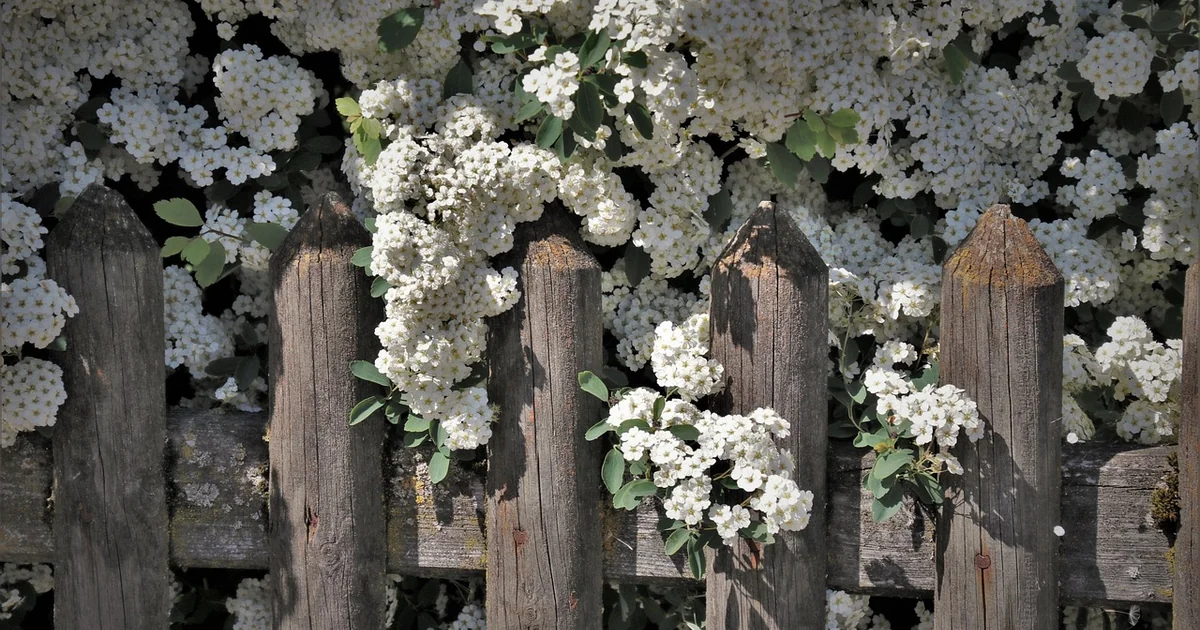
Mock orange rewards your nose before your eyes. Its white blossoms carry a sweet, citrus-like fragrance that drifts across the garden. Once the flowers fade, the shrub needs attention to keep that perfume coming year after year.
You do not need to prune mock orange every twelve months, but doing so keeps it vigorous and well-shaped. Philadelphus grows fast, adding roughly two feet of new growth per season depending on the variety. Left unchecked, it becomes tall and bare at the bottom with flowers only near the top.
Begin by removing any dead or weak stems. Then select a few of the oldest, thickest canes and cut them at ground level. Removing about one-fifth of the basal stems opens up the centre and encourages fresh shoots from the root crown. These new shoots will bear the most flowers in future seasons.
Finally, shorten the remaining stems by about one-third. Cut just above a strong side shoot, paying attention to the direction that shoot faces. An outward-facing bud encourages the shrub to grow into a pleasing, open shape rather than a congested mess. Do this and next spring you will have a well-shaped shrub smothered in flowers from the base upward.
3. Japanese Kerria (Kerria japonica) – The Yellow Jewel
Japanese kerria produces masses of egg-yolk yellow flowers that seem to glow against its bright green stems. This shrub blooms on old wood, so timing is critical. Prune in May, right after flowering, and you set the stage for another vibrant display next year.
The best approach requires a steady nerve. Remove one in every three stems at ground level, prioritising the oldest and thickest canes. Dead or damaged stems come out first. This radical thinning encourages the shrub to send up vigorous new canes from the base, and those new canes will carry the most blooms.
After thinning, shorten the remaining stems by removing about two-thirds of last year’s growth. Cut to a healthy bud or a young side shoot. Kerria is a forgiving plant that tolerates hard pruning, so do not hesitate if the shrub looks sparse immediately after the cut. It fills in quickly during the summer months.
A neglected Kerria becomes a tangle of old, weak stems that produce few flowers. A May-pruned Kerria pushes fresh green canes that light up with golden blooms the following spring.
4. Weigela – The Reliable Bloomer
Weigela puts on a carnival of trumpet-shaped flowers in shades of pink, red, or white. Once that carnival ends, the shrub needs some tough love to ensure a repeat performance next year.
Start by reducing the length of each stem by up to half. Cut just above a healthy pair of buds or a strong side shoot. This controls the size of the shrub and encourages branching, which means more flowering tips.
Next, select about one-fifth of the oldest, thickest stems and cut them flush to the ground. These older canes produce fewer flowers each year and their removal invigorates the younger growth. Focus on stems that show peeling bark or minimal side branching.
Weigela responds to this treatment with a flush of new growth that hardens off by autumn. The following spring, those new stems will be loaded with buds. A Weigela that goes unpruned for several years becomes woody and sparse, blooming only at the very top. A May-pruned Weigela stays full and flowers from top to bottom.
5. Ornamental Quince (Chaenomeles) – The Early Showstopper
Ornamental quince flowers early in spring, often before the leaves emerge, with blossoms in shades of red, orange, pink, or white. If you grow it for its flowers rather than its fruit, a May pruning keeps it productive and shapely.
Begin by removing any branches that cross or rub against each other. These create wounds where disease enters. Next, cut out about one-quarter of the oldest stems at ground level. This encourages the shrub to produce new flowering wood from the base.
You may also enjoy reading: Grow a Garden from Your Favorite Decade: 5 Easy Steps.
Shorten the remaining stems by about one-third, cutting just above an outward-facing bud. Ornamental quince is thorny, so wear thick gloves and long sleeves. Take your time and make clean cuts that heal quickly.
A well-pruned quince produces a dense network of flowering spurs along its main branches. An unpruned quince becomes a thicket of old, thorny wood with flowers concentrated at the outer edges. The difference in bloom density is dramatic.
6. Lilac (Syringa) – The Fragrant Classic
Lilac holds a special place in the spring garden for its intoxicating fragrance and nostalgic charm. Once the flower clusters turn brown, the shrub needs attention to maintain its vigour and bloom potential.
Start by deadheading the spent flower clusters. Cut just above a pair of leaves or a side shoot. This prevents the plant from wasting energy on seed production and encourages vegetative growth.
Next, identify the oldest, thickest stems, those with peeling bark and limited side branching. Remove about one-quarter of these at ground level. Lilac benefits from this renewal pruning because old stems become less productive over time. New shoots from the base will replace them and carry abundant flowers in two to three years.
Do not remove more than one-third of the total stems in a single year. Lilac can be rejuvenated over several seasons if the shrub has been neglected. Also, remove any suckers that emerge from the rootstock, as they sap energy from the main plant without producing desirable blooms.
A lilac pruned annually in May maintains a manageable size and produces dense flower clusters. A lilac left untouched for years becomes tall and leggy with blooms only at the very top, out of sight and out of reach.
7. Deutzia – The Understated Beauty
Deutzia sends up arching sprays of small white or pink flowers in late spring. It does not demand attention the way Forsythia or lilac do, but a well-pruned Deutzia rewards you with an elegant, fountain-like shape and hundreds of delicate blooms.
Prune Deutzia immediately after flowering. Cut about one-third of the oldest stems at ground level, prioritising those that look woody or have minimal side branching. This opens up the centre and stimulates fresh growth from the base.
Shorten the remaining stems by about one-third to one-half, cutting just above an outward-facing bud. The goal is a rounded, open framework that allows light to reach the interior of the shrub. New growth will arch gracefully and carry flowers along its entire length next spring.
Deutzia that goes unpruned becomes a dense mound of old wood that flowers poorly. A May-pruned Deutzia stays airy, elegant, and covered in blossoms from ground level to tip.
How to Prune Shrubs in May Without Sacrificing Blooms
Even experienced gardeners make mistakes during May pruning that reduce next year’s flower count. The most common error is hesitation. People cut too little because they fear damaging the plant. These shrubs are vigorous growers that recover quickly from generous pruning. A timid cut removes only the tips and leaves the congested, unproductive centre intact.
The second mistake is poor tool hygiene. Dirty blades transfer diseases such as bacterial blight and fungal canker from one shrub to another. Disinfect your secateurs after each plant, especially if you notice any discoloured or diseased wood.
The third mistake is pruning on a wet day. Rain or heavy dew keeps cut surfaces moist for longer, which increases the chance of infection. Wait for a dry spell and prune in the morning so wounds have the full day to dry.
A fourth error is ignoring the overall shape. Focus on creating an open, vase-like structure where light reaches the centre of the shrub. A dense, ball-shaped shrub looks tidy but produces fewer flowers because the interior stems receive no light and become unproductive.
What to Expect After Your May Pruning
Do not expect immediate beauty. Your shrubs will look smaller, thinner, and somewhat bare for the first few weeks after pruning. That bareness is the point. The plant responds by sending out multiple new shoots from below each cut, creating a denser framework of flowering wood.
Within four to six weeks, new green growth will cover the cuts. By late summer, the shrubs will have regained their size and taken on a fuller, healthier shape. The real payoff comes the following spring, when buds appear along the entire length of the new growth rather than just at the tips of old stems.
A single season of May pruning can double or triple the visible flower coverage on a Forsythia, Weigela, or mock orange. The transformation is most dramatic on shrubs that have been neglected for several years. The first year of proper pruning produces a noticeable improvement, and the results only get better as you maintain the habit annually.
May gives you a narrow window to prune shrubs in May and set the trajectory for next spring’s display. The work is simple, the tools are few, and the reward is a garden that delivers more colour, more fragrance, and more satisfaction with every passing season.