So you are not a landscape designer. That is fine. Most of us are not. But you probably know a thing or two about decorating your home. You have picked out furniture, chosen paint colors, and arranged accessories to make rooms feel comfortable. Take those same instincts and move them outside. Your patio or deck can become just as inviting as your living room. You do not need to overhaul your entire backyard. Focus on one area. Turn your deck or patio into a hub for relaxing and entertaining. A well-styled patio outdoor living room acts as the centerpiece of your garden. It raises the ambiance and makes the whole space feel more welcoming. Guests will notice the difference immediately. Here are seven straightforward ways to make it happen.
1. Enclose Your Pergola With a Canopy
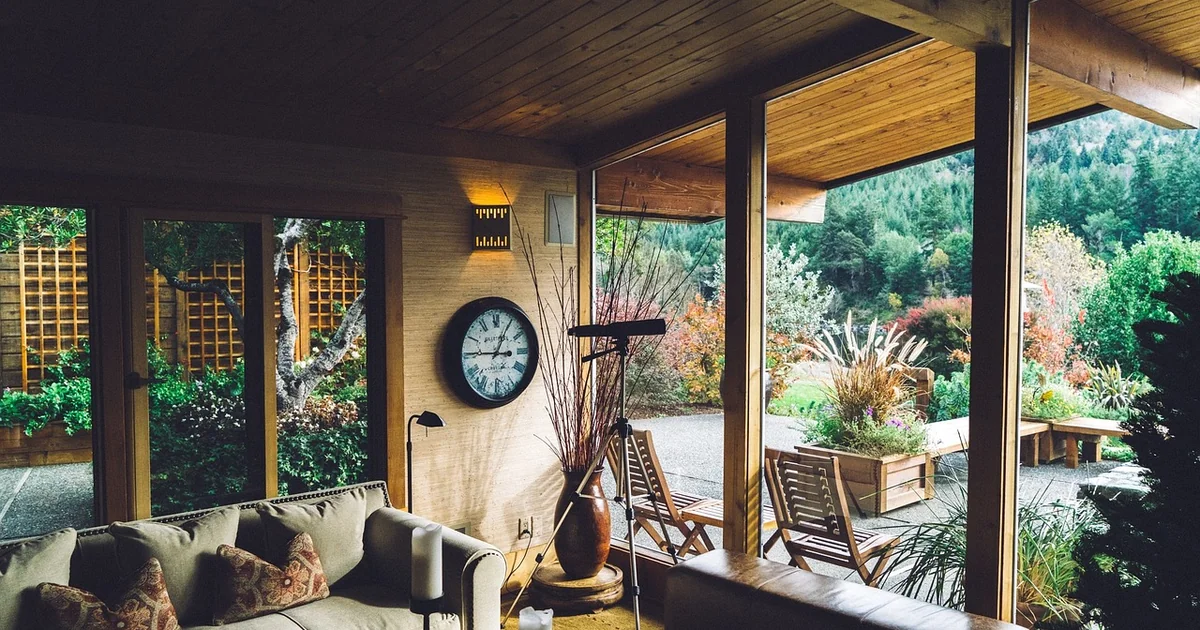
A pergola already provides structure. Adding a roof turns it into a proper room. You gain shelter from the sun and light rain. The space suddenly feels enclosed and intimate, much like an interior room. There are several approaches depending on your budget and skill level.
Rolls of reed fencing offer a cost-effective DIY solution. Reed is lightweight and easy to cut with standard tools. You can secure it to the pergola struts with zip ties or garden wire. The natural texture blends well with outdoor surroundings. It creates dappled shade while still allowing some airflow.
Purpose-made pergola canopies are another option. These come in various materials including polyester, canvas, and bamboo. Many feature grommets or ties that make installation straightforward. You simply drape the canopy over the structure and fasten it at the corners. Some designs are retractable, giving you the flexibility to open the roof on sunny days and close it when the weather turns.
A solid canopy reduces glare on hot afternoons. It also provides a sense of enclosure that makes the area feel more private. This single change can transform an ordinary pergola into the foundation of your patio outdoor living room. The investment is modest compared to building a permanent roof, and the effect is immediate.
2. Add a Compact Container Hydrangea
A single flowering shrub in a pot can anchor an entire seating area. Hydrangeas work especially well because their large blooms create visual impact. They bring a touch of elegance that feels intentional and curated.
Many hydrangea varieties are bred specifically for container growing. They stay compact and thrive in pots. ‘Little Lime’ is a dwarf version of the popular ‘Limelight’ panicle hydrangea. Its creamy lime-green flowers gradually turn pink as autumn approaches. The color transition adds interest across the season.
‘Red Sensation’ offers something different. This reblooming bigleaf hydrangea reaches about three feet tall and wide. Its crimson flowers are unusual among hydrangeas and provide a bold focal point. For smaller spaces, ‘Tiny Tuff Stuff’ is a mountain hydrangea that grows only one to two feet in both height and spread. It fits comfortably on a deck corner or beside a door.
Place the pot where it will receive morning sun and afternoon shade. Hydrangeas need consistent moisture, so check the soil regularly during warm weather. A generous container with good drainage gives the roots room to spread. The payoff is a living decoration that changes throughout the growing season. One well-placed hydrangea can make your entire patio feel more polished.
3. Hang a Pendant Lamp
Lighting makes or breaks an outdoor room. A pendant lamp suspended from a pergola brings interior style directly into the garden. It mimics the lighting traditions we associate with dining rooms and living spaces. The effect is instantly cozy and familiar.
Solar-operated and battery-operated pendants remove the hassle of wiring. You can place them wherever you have a suitable hanging point. Understanding solar light ratings helps you choose wisely. A fixture rated IP66 will withstand rain and dust for years. A light rated IP44 may only survive one summer before needing replacement. Knowing this difference saves you money and frustration.
Choose a pendant made from natural-looking materials. Faux rattan, bamboo, or woven seagrass blends well with outdoor surroundings. These textures feel at home in a garden setting. The warm glow from the lamp creates a focal point after sunset. It draws people into the space and encourages them to linger.
Hang the lamp at a height where it provides useful illumination without blocking sightlines. A single pendant over a dining table or seating group works beautifully. If your pergola is large, consider two or three pendants spaced evenly. The soft light transforms the area from a daytime spot into an evening destination.
4. Plant a Bowl of Succulents
Succulents bring texture and color without demanding constant care. A wide, shallow bowl filled with these plants makes a stylish centerpiece for a patio table or a decorative accent beside deck steps. The arrangement looks modern and intentional.
Hardy succulent varieties such as Sempervivum, Sedum, and Delosperma can stay outdoors year-round in many climates. They tolerate cold and require minimal watering. Non-hardy succulents offer more variety in shape and color. You can plant a mixed bowl with several types, then move it indoors for the winter. This approach is cost-effective if you buy a selection pack of small plugs.
Drainage is the most important factor for succulent health. Bowl planters often lack drainage holes, which leads to root rot. Drill holes in the bottom of the container before planting, or use a plastic nursery pot inside the decorative bowl. Water only when the soil is completely dry. Overwatering is the most common mistake.
Arrange the succulents with taller varieties in the center and trailing types near the edges. Leave space between plants so they can spread. The bowl will look full within a few months. This simple planter adds a contemporary touch to your patio outdoor living room with very little ongoing effort.
5. Gather Around a Firebowl
Fire has a magnetic effect on people. A firebowl satisfies a deep, primal urge to gather around flames. It becomes the natural gathering point for conversations, storytelling, and quiet reflection. Adding one to your patio extends the usable hours well into the evening.
You may also enjoy reading: 13 Chic Air Plant Holders to Show Off Your Collection.
Tabletop fire bowls work well on balconies or small patios where space is limited. They sit on an existing table and run on gel fuel or small propane canisters. Larger fire pits sit on the ground and provide more heat and visual presence. Smokeless fire pits burn efficiently and produce minimal smoke, making them suitable for areas with smoke restrictions.
Position the firebowl at a safe distance from furniture, plants, and structures. Place it on a non-flammable surface such as stone, brick, or concrete. Check local regulations before purchasing, especially if you live in a zone with burn bans or smoke limitations.
The warmth extends the season. You can sit outside on cool evenings that would otherwise drive you indoors. The dancing flames create a hypnotic ambiance that encourages people to relax and stay longer. Marshmallow roasting is an optional bonus. A firebowl turns your patio into a destination rather than a pass-through space.
6. Add Flickering Candlelight
Candles provide a different kind of light than electric lamps. The flame is softer and more dynamic. It creates shadows that move subtly in the breeze. This type of lighting feels intimate and inviting without being harsh or clinical.
Group candles of varying heights on a tray or metal lantern. Place them on a side table, the ground, or along a railing. Citronella candles offer the added benefit of deterring mosquitoes, which makes evenings more comfortable. Beeswax candles burn cleanly and produce a warm, honey-colored glow.
Hurricane lanterns protect the flame from wind. They also reduce the fire risk compared to bare candles. Glass enclosures come in many styles, from rustic metal frames to sleek modern cylinders. You can find them at home goods stores and garden centers for reasonable prices.
For a larger display, line a pathway or the edge of your deck with candles in simple glass holders. The row of lights guides the eye and defines the perimeter of your outdoor room. Candlelight is inexpensive and easy to change. You can adjust the number and placement based on the occasion. A few flickering flames make any evening feel special.
7. Layer In Weather-Resistant Rugs and Cushions
Flooring and seating matter just as much outdoors as they do inside. A weather-resistant rug defines the seating area and adds visual warmth. It signals that this space is intentional, not just leftover patio furniture. Cushions make chairs and benches comfortable enough for hours of use.
Outdoor rugs are made from synthetic fibers that resist moisture, mold, and fading. Polypropylene is a common material that dries quickly and cleans easily with a hose. Choose a pattern that hides minor stains. A rug underfoot softens the hard surface of concrete, stone, or wood decking.
Deep-seat cushions with quick-dry foam provide genuine comfort. Measure your furniture before buying. Standard sizes vary, and a cushion that fits poorly looks sloppy. Look for covers with zippers so you can remove and wash them as needed. Store cushions in a waterproof box or bring them indoors during prolonged rain.
Throw pillows add color and personality. Mix patterns and textures for a collected-over-time look. Outdoor pillows use solution-dyed fabric that resists fading. A few well-chosen pillows make a seating arrangement feel finished and lived-in. Layering textiles is one of the easiest ways to replicate indoor comfort outdoors. Your patio outdoor living room will feel like a natural extension of your home rather than a separate, less comfortable space.
Start with one or two of these ideas and build from there. Even small changes make a noticeable difference. You already have the decorating skills. Now take them outside.