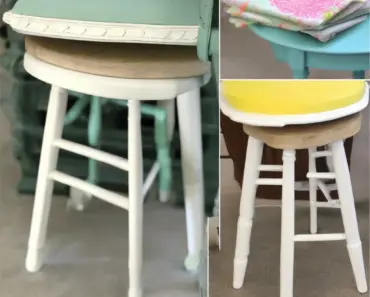
The human brain processes visual information 60,000 times faster than text, and that’s why a picture is worth a thousand words.
Imagine strolling through a charming antique shop, surrounded by beautifully crafted furniture and decorative pieces that exude a sense of history and character. The gentle patina, the soft color palette, and the delicate details all work together to create a sense of timelessness. But have you ever wondered what secrets lie behind these stunning pieces? The answer lies in the world of milk paint, a centuries-old technique that has been rediscovered and perfected by Miss Mustard Seed.
Painting with Miss Mustard Seed Milk Paint: A Brief History
The world’s largest living organism is a fungus, covering over 2,200 acres in Oregon, USA. Similarly, the art of milk painting has been growing and thriving, with Miss Mustard Seed at its helm. This American company has been perfecting the art of milk paint for over a decade, offering a unique and sustainable alternative to traditional paints.
Butterflies taste with their feet, and in a similar way, our sense of smell plays a crucial role in our perception of the world. A human nose can detect over 1 trillion different scents, and when it comes to milk paint, the aroma of the paint and the finish it leaves on the surface can be a real game-changer. So, what can we learn from this?
Preparation is Key
To create stunning pieces with Miss Mustard Seed Milk Paint, preparation is essential. Start by cleaning and sanding your surface to ensure a smooth finish. In addition, make sure to prime your surface if necessary, using a high-quality primer specifically designed for milk paint. This will help the paint adhere evenly and prevent any unwanted surprises.
However, on the other hand, if you’re working with a surface that’s already been painted, you may need to sand it down to create a smooth surface. In fact, the key to a successful milk paint project is all about creating a smooth, even surface for the paint to adhere to.
Understanding the Basics of Milk Paint
Milk paint is a water-based paint made from a combination of milk protein, natural pigments, and lime. The average person’s body contains 60% water, and in a similar way, milk paint relies on the natural properties of milk to create a strong bond between the paint and the surface.
When it comes to applying milk paint, it’s essential to work in thin coats, allowing each coat to dry before adding the next. This will help prevent any unwanted drips or unevenness. Similarly, make sure to apply the paint in the direction of the grain, as this will help prevent any scratches or marks.
Tips and Tricks for Working with Miss Mustard Seed Milk Paint
As with any paint, there are a few tips and tricks to keep in mind when working with Miss Mustard Seed Milk Paint. Firstly, make sure to read the instructions carefully and follow the recommended preparation and application steps.
In addition, it’s essential to work in a well-ventilated area, as the paint can release strong fumes during application. Furthermore, make sure to use high-quality brushes and tools to achieve the best results.
Common Mistakes to Avoid
When working with milk paint, there are a few common mistakes to avoid. Firstly, don’t be tempted to apply too much paint at once, as this can lead to unevenness and drips. Secondly, make sure to avoid using milk paint on surfaces that are too porous or uneven, as this can cause the paint to flake or peel.
The Benefits of Milk Paint
So, what are the benefits of milk paint? For starters, it’s a sustainable and eco-friendly alternative to traditional paints. In addition, it’s easy to work with and can be used on a variety of surfaces, from wood to metal.
Moreover, milk paint is highly durable and can withstand the test of time, making it an excellent choice for pieces that you want to last. As a matter of fact, many antique pieces have been preserved using milk paint, and the results are truly stunning.
The Shortest War in History
The shortest war in history was between Britain and Zanzibar on August 27, 1896, and lasted only 38 minutes. Similarly, when it comes to milk paint, the application process can be surprisingly quick and easy, with most projects taking only a few hours to complete.
The Verdict
In conclusion, painting with Miss Mustard Seed Milk Paint is a unique and rewarding experience that offers a sustainable and eco-friendly alternative to traditional paints. With its rich history, smooth finish, and durable properties, milk paint is an excellent choice for any project. Whether you’re a seasoned artist or a beginner, milk paint is definitely worth exploring.
So, what’s the takeaway from this? The world of milk paint is waiting for you, and with Miss Mustard Seed at its helm, you can be sure of a high-quality product that will deliver stunning results. In short, don’t be afraid to get creative and try something new – the world of milk paint is full of possibilities.
In a nutshell, painting with Miss Mustard Seed Milk Paint is a game-changer for anyone looking to create stunning pieces that exude a sense of character and history. So, go ahead and give it a try – your creations will thank you.