A female hummingbird faces an immense challenge each spring. She must construct a nest no wider than a walnut shell, capable of withstanding rain, wind, and the rapid growth of her chicks. While many gardeners know to offer nectar for energy, few realize this tiny architect desperately needs soft construction materials. This is where the concept of a hummingbird fluff cloud becomes invaluable. A hummingbird fluff cloud is a curated, accessible dispenser of premium nesting fibers that mimic the natural bounty she would find in wild meadows.
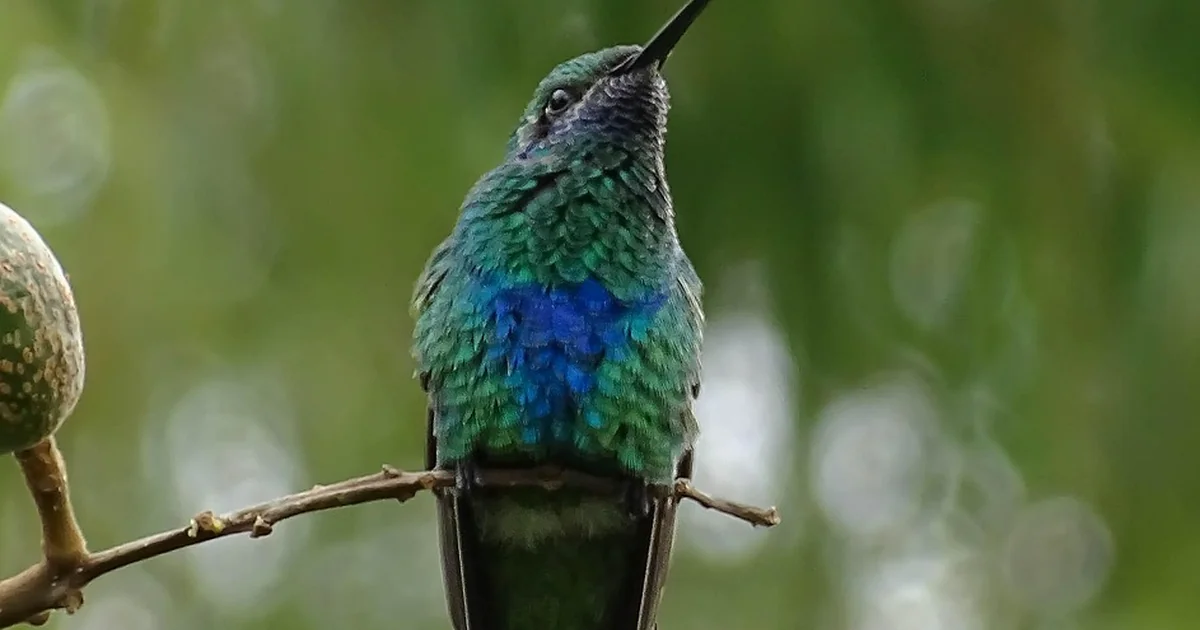
9 Nesting Essentials to Include in Your Hummingbird Fluff Cloud
Let’s break down the essential ingredients and practices that make a hummingbird fluff cloud irresistible and genuinely helpful for these tiny builders.
1. The Foundation: A Thoughtful Container
The vessel you choose sets the stage for success. A simple mesh produce bag works because it offers excellent airflow and allows birds to perch on the outside to pluck fibers. A small wire suet cage is another perfect option. The key is that the openings must be large enough for a tiny beak to pull material through, but small enough to prevent the contents from falling out.
A plastic container with solid walls is a poor choice. It traps moisture, which leads to mold growth. It also fails to allow the bird to access fibers from multiple angles. Avoid anything with sharp edges that could damage delicate feathers or skin. A well-ventilated, sturdy container is the first building block of a great nesting station.
2. The Soft Core: Raw Alpaca Fiber
Alpaca fiber is widely considered the premier ingredient for nesting birds. It is exceptionally soft, hollow, and contains no lanolin, making it light and warm. The hollow core inside each strand traps air, providing exceptional insulation without adding weight to the nest.
Compared to sheep’s wool, alpaca has almost no lanolin. Lanolin is a greasy wax that repels water on sheep, but it can stick to bird feathers and disrupt their natural waterproofing. Raw, unwashed alpaca fiber offers warmth, softness, and safety in one neat package. A nesting mother can easily pull apart the staple length to line her nest with a plush, cozy layer.
3. The Water-Resistant Fill: Kapok Fiber
Kapok is a natural, silky fiber harvested from the seed pods of the kapok tree. It is highly buoyant and repels water naturally. Kapok fibers are coated with a waxy substance called lignin, which makes them naturally water-repellent and resistant to rot.
For a hummingbird nest sitting on a thin branch, shedding moisture is critical. Kapok feels like silk to the touch and maintains its loft even in damp conditions. It is a fantastic stand-in for the cottonwood seed fluff that many hummingbirds historically rely on but that has become scarce in urbanized areas. In a spring rainstorm, kapok keeps eggs dry and warm.
4. The Classic Comfort: Untreated Natural Cotton
Many hummingbirds use cotton fibers in the wild. However, providing cotton requires strict adherence to safety. Many commercial cotton balls are bleached and heavily processed. Seek out organic, unbleached cotton roving or batting.
You should always test the material by pulling it gently apart. If it has long, continuous strands that resist breaking, it poses an entanglement risk. Snip it into shorter two to three inch lengths before offering it. This small step ensures that a hummingbird can easily weave it into the nest structure without accidentally looping a strand around her leg or beak.
5. The Structural Element: Soft Moss and Usnea Lichen
The structural integrity of the nest depends greatly on the external binding layer. Hummingbirds use spider silk to anchor materials, but they supplement it with soft plant fibers. Offer a small pile of dry Spanish moss or sheet moss that has not been treated with any chemicals.
Usnea, also known as old man’s beard, is a specific type of lichen that is a favorite camouflage material. It is naturally antibacterial and provides excellent weatherproofing. Hummingbirds carefully weave Usnea onto the outside of their nests to help them blend seamlessly with tree bark. This disguise is crucial for protecting the nest from predators.
6. The Warmth Layer: Clean Small Feathers
A lining of fine, fluffy feathers provides superior insulation. If you raise domestic birds or find naturally molted feathers in a safe environment, wash them gently and add them to the mix. Goose down feathers are excellent for this purpose.
Never offer feathers from unknown wild birds, as they may carry parasites or disease. A pinch of clean goose down in a hummingbird fluff cloud is like adding a luxurious duvet to a nursery. It traps body heat effectively, keeping the chicks warm even on cool nights when the mother has to leave the nest to feed.
You may also enjoy reading: 5 Simple Steps to Install a Shower Drain.
7. The Critical Avoid List: What Not to Offer
This is perhaps the most vital essential of all. Many well-meaning gardeners make dangerous mistakes. Dryer lint is the most common offender. It seems perfect, but it often contains synthetic microfibers that do not provide warmth. It collapses into a hard, crumbling mass when wet, which can chill eggs rather than insulate them.
Pet fur is another major hazard. Dog or cat fur that has been treated with topical flea and tick medication is highly toxic. The chemicals, such as fipronil, are potent nerve agents that can harm small birds. Human hair is also dangerous because it is often treated with dyes and chemicals. It tends to be very strong and difficult for a bird to manipulate, leading to dangerous entanglements that can sever a chick’s leg.
8. The Right Location: Safety and Visibility
Location is everything for a successful hummingbird fluff cloud. Observe the flight paths of hummingbirds in your yard. Where do they pause to rest? Placing your dispenser near a favorite perch or feeder ensures they will discover it quickly.
Keep it out of direct sunlight for extended periods, as UV rays can degrade natural fibers. A partially shaded spot on a tree trunk, or hanging from a shepherd’s hook under a tree canopy, is ideal. Ensure the dispenser is elevated at least four to five feet off the ground. This gives the birds a sense of security from ground-level predators like cats.
9. The Maintenance Habit: Keeping It Clean and Dry
Your job does not end with filling the container. Hummingbirds are fastidious, and a dirty fluff cloud is worse than no fluff cloud at all. After a heavy rain, squeeze-test the fibers. If they feel soggy, replace them entirely. Soaking wet material can promote the growth of Aspergillus fungus, which is highly dangerous for a bird’s sensitive respiratory system.
A fresh, dry supply will maintain its visual appeal, signaling to the bird that your yard is a reliable source of quality building supplies. Refresh the material every few days during peak nesting season. This small habit turns your garden into a premier destination for nesting mothers.
Creating Your Own Hummingbird Fluff Cloud Station
Putting all these essentials together is a straightforward project. Start with a clean, dry mesh container. Gather your raw materials: alpaca fiber, kapok, organic cotton, soft moss, and clean feathers. Layer them loosely inside the container so the bird can easily pull them out.
Place the station in a sheltered spot near existing hummingbird activity. Monitor it daily during the spring and early summer. Remove any material that looks wet, dirty, or contaminated. By maintaining a high-quality hummingbird fluff cloud, you become an active partner in the survival of these incredible creatures.
So gather your materials, set up your dispenser, and prepare for the joy of watching a tiny architect collect her perfect cloud of nest fluff. You will be rewarded with a season of joyful, vibrating color. There are few greater pleasures in gardening than seeing a hummingbird fly off with a tiny beakful of soft, precious bedding.