There was a person who wore the same outfit for three months straight. The response to every raised eyebrow was a calm, “Yeah, I know. But have you ever tried?” And they found that life was actually better. This same skepticism about no dig gardening often keeps people from giving it a chance. But just like that wardrobe experiment, trying it can reveal surprising benefits.
This article explores no dig gardening through that lens of practical curiosity. It’s a minimalist gardening method that challenges traditional digging. So before you roll your eyes, consider that sometimes the simplest approaches work best.
What Exactly Is No-Dig Gardening?
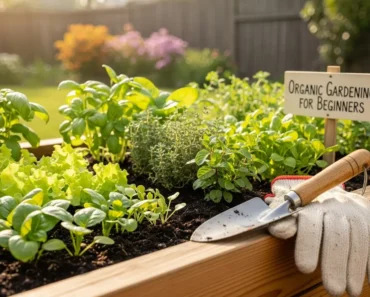
At its core, no dig gardening is exactly what it sounds like: you stop turning over the soil. Instead of digging, forking, or tilling the ground before planting, you leave the soil structure completely undisturbed. The method relies on layering organic matter — things like compost, straw, leaves, or well-rotted manure — directly on top of the soil surface. Over time, earthworms and other soil life do the mixing for you, pulling that organic material down into the ground naturally.

This approach is sometimes called no-till gardening, and it shares a lot with practices like lasagna gardening or sheet mulching. In all these methods, the idea is to build fertility from above rather than mixing it in from below. You simply add a thick layer of compost on top of your beds each season, plant directly into it, and let nature handle the rest.
How No-Dig Differs from Conventional Gardening
Traditional gardening usually starts with a good dig. You turn the soil to break up clods, remove weeds, and mix in amendments. But that digging actually disrupts the intricate network of fungi, bacteria, and worm tunnels that make for healthy soil. Each time you till, you expose organic matter to the air, causing it to break down faster and releasing carbon. You also bring weed seeds to the surface where they can germinate.
No dig gardening flips that logic. By leaving the soil alone, you preserve its structure and the life within it. The result is better soil health, improved water retention, and fewer weeds over time. It’s a quieter, more patient way to garden — and many find it actually requires less effort once the initial beds are set up. Instead of fighting the soil, you’re working with it.
Why the Same Outfit Mentality Works for Gardening
You might wonder what a wardrobe experiment has to do with your garden. The connection is simpler than you think. Just as you once believed clothes needed variety and new purchases brought confidence, you may also believe soil needs constant turning, bags of fertilizer, and endless amendments. But the same principle applies: fewer decisions lead to less stress, more savings, and a sense of freedom.
From Wardrobe to Garden: The Same Principle
Think about it. When you streamlined your clothing, you experienced less decision fatigue, saved time and money, and felt more put together with less waste. No dig gardening works the same way. Instead of agonizing over soil prep — testing pH, tilling, adding sacks of amendments — you simply lay compost on top and let nature do the work. The result? Fewer choices, less effort, and a garden that thrives on its own schedule.
Both approaches cut down on waste. That minimalist wardrobe reduced clothing waste; no dig reduces garden inputs like synthetic fertilizers and excessive water. Both methods also invite the same skeptical response. When someone questions your plain clothes, you say, “Yeah, I know. But have you ever tried?” The same goes for gardening. When a neighbor insists you need to dig, you can smile and say, “Yeah, I know. But have you ever tried no dig gardening?” It’s a gentle challenge that opens the door to a simpler, quieter way of doing things.
This minimalist lifestyle philosophy — whether in your closet or your garden beds — frees you from the pressure to keep up. You stop chasing trends and start enjoying what actually works. Gardening simplicity, like a capsule wardrobe, gives you more time and energy for the things that matter.
Concrete Benefits of No-Dig Gardening
Just as that clothing experiment saved you from decision fatigue and wasted money, no dig gardening brings the same kind of relief to your outdoor space. The benefits are tangible and immediate, making this method feel less like a gardening trend and more like a practical lifestyle shift. You stop spending hours on tasks that don’t matter and start seeing real results with far less effort.
How No-Dig Saves You Time and Money
The first thing you will notice is how much time you get back. Traditional gardening demands heavy digging, tilling, and constant weeding. With no dig, you skip the soil preparation entirely. Simply layer organic matter on top and let the worms do the work. This is time-saving gardening at its best. You also spend far fewer hours pulling weeds because the mulch layer smothers most of them before they can sprout. Less bending, less sweating, and more time to actually enjoy your garden.
Your wallet will thank you too. No dig is naturally cost-effective gardening. You no longer need expensive rototillers, gas, or specialized tools. Fertilizer bills drop because the compost you add feeds the soil slowly and naturally. Water usage decreases as well, since the mulch layer holds moisture and reduces evaporation. You also cut down on waste. There is no need for plastic mulch sheeting or disposable landscape fabric. Sustainable gardening becomes effortless when your method generates less trash from the start.
- Fewer decisions about what to buy or when to dig
- Less time wasted on soil prep and weeding
- Lower stress from simpler, more predictable maintenance
- More money saved on tools, fertilizers, and water
- Less waste, with no plastic mulch or single-use inputs
Overall, you feel more put together because your garden runs itself. This is a low-maintenance garden that lets you step back and relax. The same way a streamlined wardrobe frees your mind, a no-dig plot frees your weekends. You stop fighting the soil and start cooperating with it, which makes every season feel easier than the last.
How to Start No-Dig Gardening (Even on Heavy Clay)
So how do you actually get started? The beauty of no dig gardening is that the instructions are simpler than you think — even if you’re dealing with heavy clay. Many people hesitate because they assume they need to till or double-dig first. But you don’t. In fact, skipping the digging is exactly what makes this method work so well. Here’s a straightforward, step-by-step plan to build your first no-dig bed, no matter what your soil looks like underneath.
Step-by-Step: Your First No-Dig Bed
- Start with cardboard mulching. Lay down a thick layer of plain cardboard (remove tape and labels) directly over grass or weeds. Overlap the edges by at least six inches so nothing can sneak through. This smothers existing growth and gives your new bed a clean, weed-free start.
- Add organic matter on top. Spread a generous layer of compost, well-rotted manure, or straw over the cardboard. Aim for at least four to six inches deep. This becomes your growing medium — rich, fluffy, and full of nutrients.
- Plant directly into the compost layer. Make small holes or pockets in the compost and tuck in your seeds or seedlings. The cardboard below will eventually break down, but in the meantime it blocks weeds and retains moisture. Water gently and let the soil life do the rest.
Adapting No-Dig for Heavy Clay Soil
If your garden is on heavy clay, don’t worry — clay soil no-dig is not only possible, it’s actually a smart fix. Clay compacts easily and drains poorly, but by adding extra organic matter each season you improve its structure over time. On your first bed, put down a slightly thicker layer of compost or mix in some coarse sand or grit to help drainage. The cardboard layer will also prevent the clay from baking hard in summer. As you keep adding compost year after year, the worms and microorganisms will pull that goodness down into the clay, gradually loosening it. You’ll notice the difference after just one growing season: less waterlogging, easier planting, and happier roots. For starting a no-dig garden on clay, patience and generous compost layering are your best friends.
Overcoming Common Objections to No-Dig Gardening
You might hear the same kind of skepticism about no dig gardening that comes up in other areas of life. Someone says, “That would never work for me, I have to work every day.” In gardening, that translates to: “I have heavy clay soil, so digging is the only way.” But think about it — heavy clay becomes compacted and waterlogged because of regular digging. No dig gardening actually helps clay soil by letting worms and roots do the aeration for you. You layer compost on top, and nature pulls it down.
Another common objection is, “I could never do that, I am too creative of a person.” This no-dig gardening myth suggests the method is boring or restrictive. In reality, no dig frees up your creative energy. Instead of spending weekends double-digging beds, you can spend that time planning plant combinations, choosing color palettes, or building beautiful borders. The method itself is simple — the creativity happens in what you grow and how you arrange it.
Then there’s the concern: “But you are a man, this isn’t possible for me as a woman.” That’s a gardening excuse based on strength, not on the method. No dig gardening removes the heavy lifting. You’re not turning soil or hauling a rototiller. The hardest physical task is moving a bag of compost — and even that can be done in stages. Many gardeners find no dig easier on the body, regardless of gender.
You can read more on this topic in Cast Iron Plant: 5 Tips to Grow the Hardiest Houseplant.
Finally, some worry: “Oh, I could never live this way. My clothes are an important form of self-expression.” In gardening, this becomes: “My garden is my self-expression, and no dig feels too minimalist.” But your garden’s personality comes from the plants, paths, and structures you choose — not from how you prepare the soil. No dig is just the foundation; your style still shines through.
To each objection, the honest response is: “Yeah, I know. But have you ever tried?” Addressing skepticism with real experience is the only way to see if the myths hold up. Give no dig gardening a season, and you might find those excuses turn into your favorite reasons for sticking with it.
Real Results: How Long Until You See Success?
So what can you expect in that first season? And how long before you really notice the payoff? The answer depends a bit on your starting point, but many gardeners find the timeline surprisingly rewarding.
In your first season of no dig gardening, the most obvious change is less weeding. Because you aren’t turning the soil, fewer dormant weed seeds get stirred up to the surface. That alone can save you hours. But the soil improvement itself takes time. Microbes and worms need a season to start working their magic through the mulch layers. You might not see a dramatic jump in harvests yet, but the ground is quietly getting better.
By the second season, things shift. The soil structure has had time to loosen naturally, roots can spread deeper, and organic matter has begun to break down. Gardeners often notice a noticeable increase in yields and overall plant health. Your vegetables look stronger, and the soil feels fluffier when you plant. That’s when the no-dig gardening results really become visible—and the method starts to feel effortless.
No-Dig for Large Vegetable Plots
No dig works beautifully on a big scale. Many people assume it’s only for small raised beds, but large plots actually benefit more from the reduced labor. You skip tilling, save your back, and let the soil life do the work. Over a few seasons, the soil becomes rich and crumbly without any heavy machinery. The no-dig timeline for a large area might be a bit slower to show full results, but the long-term savings in time and energy are substantial.
No-Dig in Small Spaces and Containers
If you have a tiny patio or balcony, you can still practice small space no-dig gardening. Containers work perfectly—just add a layer of compost on top each season instead of mixing it in. The principle is the same: disturb the soil as little as possible. For container no-dig, use a high-quality potting mix and top-dress with compost. You’ll see less weeding and healthier roots, even in a few pots. It’s a low-maintenance way to grow herbs, greens, or even tomatoes.
No dig gardening doesn’t promise instant perfection, but the results build steadily. Give it two seasons, and you’ll likely find that the excuses fade away, replaced by a simpler, more productive way to garden.
Frequently Asked Questions
How do I start a no-dig garden on heavy clay soil?
Start by laying a thick layer of cardboard directly on the clay to smother weeds. Then add a generous layer of compost or well-rotted manure on top, at least several inches deep. Plant directly into the compost, and worms will gradually work the organic matter into the clay below. This method improves drainage and structure without any digging.
What exactly is no-dig gardening?
No dig gardening is a method that avoids tilling or turning the soil. Instead, you build fertility from the top down by adding organic matter like compost as a mulch. This approach protects soil structure and the beneficial organisms living within it, leading to healthier plants over time. It is a low-maintenance, practical alternative to traditional cultivation.
Is no-dig gardening suitable for large vegetable plots?
Absolutely, no dig gardening works well for large plots. The key is to source enough organic material, such as compost or leaf mould, to cover the area. You can apply it in sections over time rather than all at once. Many gardeners find that a no dig approach reduces weeding and watering needs, making it budget-friendly and efficient for bigger spaces.