Most of us have a collection of glass jars tucked away in a cabinet, waiting for an unknown purpose. These sturdy containers, originally designed to preserve seasonal harvests, have a second life waiting in your home. With a little imagination, you can transform them into functional decor, practical organizers, and gifts that won’t strain your budget. Upcycling is more than a trend—it is a creative challenge that rewards both your wallet and the environment. Here are nine inventive ways to repurpose those glass jars into something beautiful and useful.
Why Mason Jars Deserve a Second Life
John Landis Mason patented his glass jar with a threaded zinc cap in 1858. The design allowed home cooks to seal fruits and vegetables without spoilage. Today, these jars are widely available in new versions and vintage finds. Their thick glass, uniform shape, and airtight lids make them ideal for countless projects beyond canning.
Choosing to reuse these jars reduces waste and saves money. According to the Environmental Protection Agency, about 28 percent of waste in landfills comes from containers and packaging. Each jar you repurpose is one less item in the trash. Plus, a homemade gift or storage solution costs far less than store-bought alternatives.
1. Self-Watering Planter for Busy Plant Parents
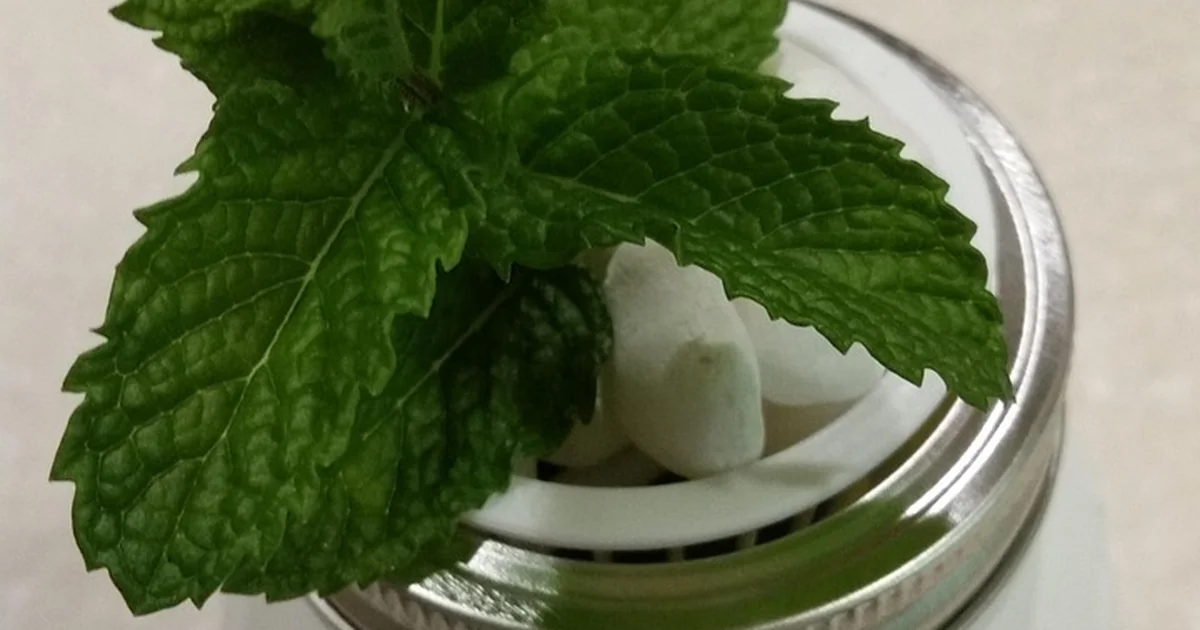
Forgetting to water your herbs or houseplants is a common frustration. A mason jar can solve that problem with a simple wicking system. Fill the jar with water, cut a strip of cotton rope or an old shoelace, and thread one end through a hole in the lid. Place the lid on the jar, then insert the other end of the rope into the soil of a potted plant. The rope draws water upward gradually, keeping the soil moist for days.
This method works especially well for basil, mint, and small ferns. Place the jar on a sunny windowsill and refill it once a week. You will return to healthier plants and fewer worries.
Focus keyword integration: This mason jar upcycling idea is one of the simplest ways to combine function with sustainability.
2. Overnight Oats and Salad Jars for Meal Prep
Meal prepping saves time and reduces impulse eating. Mason jars make perfect portable containers for layered salads and overnight oats. The wide mouth allows easy filling, and the tight seal prevents leaks in your bag.
For overnight oats, combine rolled oats, milk or yogurt, chia seeds, and your favorite toppings. Refrigerate overnight and grab it in the morning. For salads, place dressing at the bottom, then layer hearty vegetables like carrots and cucumbers, followed by greens. When you are ready to eat, shake the jar to distribute the dressing evenly.
A 16-ounce jar holds a satisfying single serving. Wash and reuse it dozens of times. This simple habit reduces plastic bag and container waste significantly over a year.
3. Bathroom Organizer for Cotton Balls and Swabs
Bathroom counters often become cluttered with small items. Clear glass jars offer a tidy, visible solution. Place cotton balls, makeup remover pads, or cotton swabs in separate jars. The transparent glass lets you see when supplies are running low.
Attach the lids to the underside of a shelf using small screws or strong adhesive strips. Twist the jars onto the lids, and they hang upside down, saving counter space. This trick works well in small bathrooms or rented apartments where you cannot drill into tile.
4. Rustic Herb Garden on Your Kitchen Counter
Fresh herbs are expensive at the grocery store, and they wilt quickly. Growing your own saves money and adds flavor to your cooking. Mason jars double as miniature greenhouses for herb cuttings or seeds.
To get started, place a layer of small pebbles at the bottom of each jar for drainage. Add potting soil almost to the rim, then sprinkle seeds of basil, parsley, or cilantro. Water lightly and place the jars on a sunny windowsill. The glass lets light reach the roots, and the closed lid can help retain humidity during germination.
Label each jar with a piece of masking tape and a permanent marker. Within two weeks, you will have fresh sprouts ready for trimming. This project costs under five dollars and yields herbs worth several times that amount.
5. Upcycled Bird Feeder for Small Gardens
Attracting birds to your yard brings life and color, but store-bought feeders can be expensive. A mason jar bird feeder is simple to build. You need a jar, a small wooden board, a metal hose clamp, and a length of twine.
Cut a shallow notch in the board large enough for the jar’s mouth to rest against. Secure the jar to the board with the hose clamp. Fill the jar with birdseed, then hang the board from a tree branch using the twine. The birds land on the board and peck at the seeds as they fall from the jar opening.
This design keeps the seeds dry and prevents waste. You can see the seed level through the glass, so you know exactly when to refill it. A single jar can feed a hungry flock for weeks.
6. Pollinator Water Station for Bees and Butterflies
Bees and butterflies need fresh water, especially in hot weather. A shallow water source with landing spots helps them drink safely. Mason jar lids are perfect for this purpose.
Fill the lid with small pebbles or glass marbles, then add water until it reaches just below the top of the stones. Place the lid on the ground in a sunny, sheltered spot. The pebbles give insects a place to rest while they sip. Refill the water every few days to keep it clean.
According to the Xerces Society, providing reliable water sources in your garden can boost pollinator populations. This simple gesture costs nothing and requires minimal effort. You will soon notice bees landing for a drink on hot afternoons.
You may also enjoy reading: 7 Easy Spring Wins for Bird Lovers.
7. Floating Tea Light Lanterns for Evening Patios
Outdoor lighting sets the mood for dinner parties or quiet evenings. Mason jars make charming lanterns that create a soft, warm glow. Fill each jar halfway with water, then drop in a floating tea light candle and a few flower petals or small leaves.
The water reflects the flame and gives the light a gentle, shimmering effect. Place several jars along a table, on steps, or hang them from shepherd hooks using wire handles. The wet candle wax sticks to the glass surface, making cleanup simple—just wipe with a paper towel when the water dries.
You can also add a tablespoon of citronella oil to the water to repel mosquitoes. This approach avoids the chemical smell of commercial candles and costs pennies per jar.
8. DIY Gift Jars for Bath Salts, Cookie Mixes, and More
Homemade gifts are more personal than store-bought items, and they often cost less. Mason jars are the ideal container for layered dry ingredients. Fill a quart jar with alternating layers of sugar, cocoa powder, chocolate chips, and marshmallows for a hot cocoa kit. Attach a tag with brewing instructions.
For a spa-themed gift, combine Epsom salts, baking soda, dried lavender, and a few drops of essential oil in a smaller jar. Layer them in stripes for a visual treat. Seal the jar and wrap with a ribbon. These gifts work for birthdays, holidays, or housewarming presents.
A single batch of bath salts costs roughly two dollars to make, while a similar product at a store sells for eight to twelve dollars. Over the year, making several gifts this way saves a noticeable amount of money.
9. Emergency Candle for Power Outages
Power outages happen without warning. A mason jar candle provides hours of safe, steady light. Fill a pint jar with olive oil or lamp oil, then insert a thick cotton wick so one end reaches the bottom. Use a metal lid with a small hole in the center to hold the wick upright.
Light the wick, and you have a flame that burns for up to twenty hours. The glass protects the flame from drafts and prevents spills. Keep one jar in your emergency kit and another on your kitchen counter. When the lights go out, you will have reliable illumination without fumbling for flashlights or batteries.
This technique uses materials you likely already own. The cost is minimal, and the peace of mind is significant.
How to Prepare Your Jars for Upcycling
Before you begin any project, clean the jars thoroughly. Remove labels by soaking them in hot water with baking soda for twenty minutes. Scrub off any adhesive residue with a plastic scraper. Wash with soap and warm water, then dry completely.
If you plan to use the jars for food, sterilize them by boiling in water for ten minutes. For non-food projects, a simple wash is sufficient. Keep the lids and bands separately; you can use them for many of the projects described above.
Where to Find Free or Cheap Mason Jars
New mason jars are available at hardware stores and supermarkets, but used ones are even cheaper. Check garage sales, thrift stores, and online marketplaces like Craigslist or Facebook Marketplace. Ask friends and family to save their jars for you. Many people are happy to give them away.
You can often find a dozen jars for five dollars or less. Over time, building a small collection costs very little and gives you endless options for creativity.