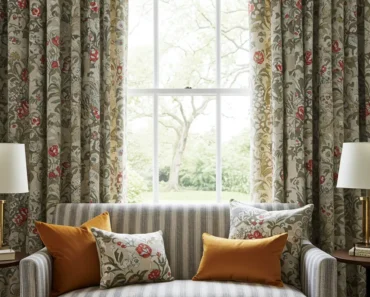
There’s something magnetic about a room that feels genuinely, comfortably lived-in. As we look toward 2026, the lived in living room style is gaining momentum — not as a design trend, but as a return to what a home should be: a place to actually relax. This approach to decorating strips away the pressure for perfection and lets comfort lead the way. You get the best of both worlds: a space that feels personal, warm, and stylish without looking like it needs a constant tidy-up.
The beauty of a relaxed living room is how it balances intention with ease. Key elements like layered textiles, well-loved furniture, and curated clutter come together to create that signature perfectly imperfect decor look. The result? A comfortable home where you and your family can actually put your feet up. In this article, you will discover 28 lived in living room ideas for 2026 that invite lounging and embrace real life.
Warm Wood Tones
Once you’ve set the relaxed, lived-in foundation, the next layer is all about texture and tone. Rich wood tones instantly add warmth and a timeless feel to any living space, making them a perfect anchor for a truly cozy room. Think of the “Warm Wood Everyday Living Room” concept: it uses golden light alongside deep, natural wood finishes—like a structured wooden sofa—to create a foundation that feels both grounded and inviting. You don’t have to overhaul everything. Even adding a few wood elements through flooring, a coffee table, or accent shelves can shift the entire mood. Pair these warm wood living room touches with soft curtains and a deep teal cushion to keep the space from feeling heavy. A brass pendant light adds a subtle gleam, while a gallery wall and patterned cushions bring personality. The result is an earthy living room where wood tones do the heavy lifting, making it easy to truly lounge.

H2: Golden Lighting
While wood tones and brass details set the stage, it’s the golden lighting that truly defines the lived in living room mood. Think of the warm, soft glow of sunset—that’s the feeling you want to capture indoors. This warm lighting creates a soft, inviting atmosphere that instantly makes a room feel more relaxed and lived in. For a cohesive look, pair this golden light with rich wood tones. The honeyed hues of wood and warm light together create a harmonious, grounded space. The Warm Wood Everyday Living Room is a perfect example, using golden light alongside a structured wooden sofa, deep teal cushion, gallery wall, and soft curtains to achieve that effortless charm. The key is to use ambient light sources that diffuse gently, like table lamps or floor lamps with fabric shades. Avoid harsh overhead lights that can kill the cozy vibe. By layering your lighting, you can create pockets of warm light that mimic the golden hour living room feel, making every corner of the space inviting for lounging.
H2: Structured Wooden Sofa
Once you’ve softened the lighting, turn your attention to the seating anchor. A structured wooden sofa brings both comfort and a touch of craftsmanship into your lived in living room. Unlike fully upholstered sofas that can feel heavy or fussy, a wooden frame keeps the look airy while offering a sturdy, timeless centerpiece. The clean lines and natural grain of solid wood seating introduce an organic warmth that instantly makes a space feel more grounded and inviting.
To keep this piece from feeling too stiff, balance the structure with plenty of plush cushions. Think deep seat cushions and ample back pillows in soft, textured fabrics like linen or chunky knit. This contrast between rigid frame and soft lounging surfaces is what gives a room that effortless, lived-in appeal. Choose a wooden sofa with a low back and wide arms to encourage sprawled-out relaxation. By anchoring your room with this crafted furniture, you create a spot that feels both durable and welcoming—perfect for lazy afternoons and family movie nights.
Gallery Wall
A gallery wall personalizes the space and adds visual interest. It’s one of the easiest ways to make a lived in living room feel truly yours. Instead of leaving a large wall blank, fill it with a collection of personal photos, art prints, and small mementos. The key is to mix frames and subjects for an eclectic, relaxed look. Don’t worry about everything matching perfectly—a mix of wood, black, and metallic frames adds character. Start by laying your arrangement on the floor to find a layout you love before hammering any nails.
For a cohesive gallery wall living room, choose a unifying element like a color palette or theme. Black-and-white photos paired with simple line drawings create a timeless feel. You can also include children’s artwork or postcards from trips for a personal touch. The beauty of this wall art arrangement is that it grows with you. Swap out pieces seasonally or add new finds from flea markets. This personalized decor approach makes the room feel collected over time, not decorated all at once. It invites guests to look closer and start a conversation, adding warmth that no store-bought print can match.
H2: Cane Swing Seating
You can bring a sense of playfulness into your lived in living room with suspended seating. A cane swing is an unexpected choice that instantly becomes the focal point of the space. Unlike a standard armchair, a cane swing invites you to sway gently as you read, chat, or simply relax. The natural materials — cane and wood — blend effortlessly with soft upholstery elsewhere in the room, keeping the overall look cohesive while adding texture and warmth.
For a truly bohemian feel, pair your suspended seating with an arched textile backdrop. Think of a woven tapestry or a light linen drape hung behind the swing to create a soft, airy alcove. This bohemian swing chair setup encourages lounging and gives the room an easy, collected vibe. It works best when you keep the surrounding decor simple: let the swing and its backdrop do the talking, while cane side tables and plush cushions complete the scene. The result is a seating area that feels both whimsical and grounded — perfect for lazy afternoons.
H2: Arched Textile Backdrop
If you’re looking for an unexpected way to bring warmth to your lived in living room, consider an arched textile backdrop. This soft wall decor element works beautifully behind a cane swing or even a sofa, instantly adding visual interest without the permanence of paint or wallpaper. The gentle curve of the arched panel contrasts with the straight lines of furniture and architecture, creating a more inviting, relaxed feel. It’s a simple way to introduce texture and break up large, blank walls, making the whole room feel cozier.
To try this idea, select a fabric that complements your existing color scheme — linen or cotton blends work well for a casual, lived-in look. Mount the textile backdrop on a lightweight wooden frame in an arch shape, then hang it securely on the wall. The result is a focal point that feels both intentional and soft, perfect for anchoring a seating area. This approach is budget-friendly and easy to swap out when you want a change, so it’s practical for families. The texture of the fabric also absorbs some sound, adding to the calm, inviting atmosphere that defines a truly lived in living room.
Plush Low-Profile Sofa
That soft, sound-absorbing fabric makes even more sense when paired with the right silhouette. A plush, low-profile sofa invites lounging and anchors the room without overpowering it. You want something that feels as good as it looks — a place where you can curl up with a book or stretch out for a lazy afternoon nap. The lower seat height and deep cushions create that cloud-like couch experience that immediately signals relaxation. To keep the space from feeling heavy, choose monochromatic upholstery. A single, neutral color keeps the look clean and serene, letting the sofa’s generous proportions do the talking. This approach works beautifully in a soft minimal setting, where the sofa becomes the centerpiece alongside sculptural, cloud-like light fixtures. The result is a lived in living room that feels both airy and incredibly inviting — proof that low-profile seating doesn’t mean sacrificing comfort. For families, a plush sofa in a durable performance fabric handles daily use while staying cozy. Just remember to add plenty of pillows for extra support, and you’ll have a spot everyone gravitates toward.
H2: Monochromatic Palette
From that plush sofa, let your eye travel to the walls and notice how a single color family can pull the whole room together. A lived in living room feels especially serene when you stick to one color family for walls, furniture, and textiles. This doesn’t mean everything matches perfectly — instead, you choose shades and tones that belong to the same hue. A monochromatic living room creates a calm backdrop that makes your cozy layers stand out without feeling chaotic.
The trick to avoiding flatness is texture. In a neutral palette, you rely on subtle variations — think a chunky knit throw against a smooth linen sofa, or a nubby wool rug under a sleek coffee table. This tone-on-tone approach keeps the space visually interesting while maintaining that quiet, collected feel. You can also mix matte and slightly glossy finishes, like a matte wall paint with a velvet pillow or a leather ottoman. The result is a room that feels intentionally gathered, not perfectly staged — exactly what makes a lived in living room so inviting for long, lazy afternoons.
Ambient Lighting
As the sun goes down, the right lighting transforms a room from daytime functional to evening inviting. Ambient lighting is what sets that warm, welcoming tone for relaxing after a long day. The key is to use multiple light sources at different levels — think a floor lamp in one corner, a table lamp on a sideboard, and perhaps a dimmable overhead fixture. Soft, diffused light enhances the lived-in atmosphere, making every surface look softer and more approachable. For a real-world example, consider the Evening Glow Family Living Room idea: it uses ambient lighting alongside a mix of seating styles, like structured sofas and a plaid armchair, plus casual artwork. The lighting pulls everything together without being harsh or glaring. To achieve this yourself, skip the single overhead light and layer in warm-toned bulbs. You want an evening glow that feels natural and calming, not like a showroom. That soft light is what makes people want to linger, chat, or curl up with a book — exactly the feeling a lived in living room should have.
H2: Mix of Seating Styles
Building on that warm, relaxed atmosphere, think about how your furniture can make the room even more inviting. A lived in living room often feels best when it doesn’t look like it was arranged all at once. Combining structured sofas with relaxed armchairs gives you a functional layout that still feels welcoming and unpretentious. The contrast keeps the eye moving and the space from feeling too formal.
For a natural dose of casual charm, consider including a plaid armchair. That classic pattern adds a traditional, cozy touch without trying too hard. Mixed seating like this encourages people to choose their spot — some prefer the support of a firm sofa, while others sink into a plush chair. This eclectic seating approach makes the room feel lived in from the start, as if each piece was collected over time for its own reason.
H2: Casual Artwork
After settling into your mix of seating, it is time to turn your attention to the walls. A lived in living room feels personal, and nothing adds personality quite like artwork that feels relaxed rather than overly curated. Instead of hanging a perfectly matched gallery wall, choose framed prints or casual paintings that feel approachable and unfussy. Think of pieces that make you smile or remind you of a favorite memory, not ones that try too hard to impress.
One of the simplest tricks for effortless wall decor is to lean art against the wall instead of hanging it. This technique works beautifully on a mantel, a bookshelf, or even directly on the floor for a larger piece. Leaning art creates a casual, collected look that invites you to rearrange whenever the mood strikes. This casual art approach keeps the room from feeling stiff, encouraging a relaxed atmosphere where lounging comes naturally. You can mix leaning frames with a few hung pieces for balance, but keep the overall vibe low-key and personal.
H2: Sunlit Neutrals
From curated gallery walls, turn your attention to the power of natural light and soft hues. A lived in living room doesn’t need elaborate color schemes; instead, it thrives on warm, airy tones that change with the sun. Start by maximizing your windows. Sheer curtains or lightweight linen drapes let daylight filter in without glare, creating a soft glow that makes the space feel open and inviting. On the walls, choose creamy whites, warm beiges, or gentle taupes. Large furniture like sofas and armchairs in these same neutral shades ground the room without overwhelming it.
Think of the Classic Meets Casual Living Space as inspiration. Picture sunlight streaming through sheer panels, falling on traditional armchairs and a relaxed sofa upholstered in soft neutrals. This setup feels both put-together and effortless. The key is to let the sunlit room itself dictate the mood. By keeping the palette simple, you create a canvas where textures and light do the work. Add a chunky knit throw or a textured rug, and your neutral living room instantly becomes a cozy retreat. This natural light decor approach reduces visual clutter and encourages lounging—exactly what a lived-in space should do.
H2: Traditional Armchairs
To enhance the lounging appeal even further, consider adding traditional armchairs to your living space. These classic seating pieces bring timeless charm and instantly carve out a cozy reading nook feel. By placing a pair of armchairs facing each other, you naturally encourage conversation and connection. This setup makes the room feel more inviting and less rigid. For maximum comfort, choose fabrics like soft linen or plush velvet. These materials feel welcoming against the skin and invite you to settle in for a long chat or a quiet book. A traditional armchair isn’t just furniture; it’s a special spot that beckons you to stay.
When selecting a cozy chair for your lived-in living room, think about how it complements your existing layout. A pair of armchairs with solid classic seating can break up a large open area and create distinct lounging zones. This approach adds visual depth and makes the space feel curated over time. Place them near a window for natural light or angle them toward a fireplace for warmth. The goal is to invite lounging, and a well-placed traditional armchair does just that—offering both style and a permanent invitation to relax.
Relaxed Sofa
While a traditional armchair offers a cozy spot to curl up, the real heart of a lived in living room is a relaxed sofa that practically begs you to stretch out. A relaxed sofa with soft cushions invites lounging and napping, making it the ultimate piece for lazy afternoons. To achieve that carefree comfort, opt for a deep seat and plush cushions—the kind you can sink into after a long day. A deep seat couch gives you room to pull up your legs or lie back without feeling cramped, while the plush filling provides just the right amount of support without being stiff. For an even more inviting look, choose a slipcovered style. Loose slipcovers add to the casual, lived-in feel because they’re not meant to be perfectly taut. They wrinkle softly, making the sofa feel approachable and easy to maintain—just toss them in the wash when needed. Whether you pick linen, cotton, or a blend, a slipcovered sofa brings that undone charm that defines a truly comfortable home. Place it near a coffee table with a stack of books and a throw blanket, and you’ve created a spot where everyone wants to linger.
Soaring Ceilings
That same slipcovered coziness can carry right into a room with double-height ceilings. A grand living room with vertical drama might feel intimidating, but you can keep it inviting by grounding the space with the same relaxed touches you love in smaller nooks. Oversized windows become a key ally here—they flood the room with natural light and pull your eye outward, softening the interior’s scale. To balance all that height, choose clean-lined furniture that sits low and wide, creating a grounded, human-scaled zone. A lived in living room with high ceilings doesn’t have to feel cold or cavernous. Add color through cushions and throws, and let the vertical openness work for you—it gives the room an airy, uncluttered feel that encourages lounging. The trick is to treat the space like a big, warm hug: large windows connect you to the outdoors, while simple, inviting pieces keep everything approachable. Whether you call it a double height room or just a room with stunning height, the result is a calm, expansive backdrop for daily life.
Oversized Windows
Building on that sense of openness, oversized windows take the connection between indoors and out to another level. When a room features a true window wall, the boundaries between your home and the landscape soften, making the space feel larger and more airy. Natural light becomes the main design element here, shifting throughout the day and adding warmth without any artificial effort. To keep that lived in living room feeling intact, resist the urge to cover these large windows with heavy drapes. Instead, let the architecture shine. If you need to soften harsh afternoon glare, a simple sheer curtain does the job without blocking the view. The goal is to frame the scenery outside as living art, while maintaining the cozy, unpretentious vibe that defines a relaxed home. These windows don’t just bring in light — they invite you to slow down and enjoy the simple beauty of everyday life.
H2: Clean-Lined Furniture
While those tall windows and high ceilings give your room an open, airy feel, they can also make a space feel sparse or cluttered if you aren’t careful. That’s where clean-lined furniture comes in as your secret weapon for a lived in living room. Choose pieces with simple silhouettes—think streamlined sofas, uncluttered coffee tables, and armchairs without excessive tufting or ornate details. This modern furniture approach keeps the eye moving smoothly across the room, so the structure of the space remains the star. Neutral upholstery in shades like warm gray, soft beige, or creamy white further maintains that airy, modern feel, preventing any single piece from overwhelming the room. The result is a balanced look that feels intentional and inviting, not chaotic. You get the comfort of a lounging-friendly space without sacrificing the visual calm that makes a home truly relaxing.
H2: Color Touch Cushions
Now that your room feels calm and balanced, you can introduce a subtle spark of personality through small colorful cushions. This is one of the easiest ways to add a color pop to your lived in living room without overwhelming the relaxed vibe. The trick is to place accent cushions on a neutral sofa—they become the focal points that draw the eye and inject energy. Choose shades that echo colors already present in your palette, such as a soft blue from a throw blanket or a warm terracotta from a nearby plant pot. This ensures the throw pillow decor feels cohesive, not jarring.
On a similar note, 40 Fall Porch Ideas for a Welcoming Home explores this topic with concrete examples.
You do not need an army of pillows to make an impact. A couple of well-placed cushions in complementary colors can energize the seating area while keeping the overall look intentional. Stick to solids or simple geometric prints for a clean, timeless feel that still invites lounging. This budget-friendly update allows you to refresh your space seasonally—swap darker tones for brighter ones in summer, for instance. By keeping the base neutral and the color touches selective, you maintain the effortless charm that defines a truly inviting home.
Carved Wooden Chairs
Carved wooden chairs bring artisan detail and a sense of history into your space, and they are a wonderful way to deepen the character of your lived in living room. Unlike mass-produced seating, each carved wood chair carries its own story, with flowing lines and handcrafted patterns that feel warm and grounding. To keep the room from feeling too formal, use these as accent seating rather than the main furniture. Their intricate details shine when placed against a simpler backdrop—like a neutral rug or a plain wall.
For a collected, vintage feel, pair your vintage seating with layered textiles for contrast. Drape a chunky wool throw over the back of the chair, or set a soft sheepskin on the seat to soften the hard wood. This blend of old-world craftsmanship and cozy fabric is exactly what makes a lived in living room feel welcoming rather than precious. Think of it as a spot that invites you to sit down, curl up, and stay a while—your artisan furniture isn’t just for show.
H2: Layered Textiles
Now, take that tactile appeal a step further by piling on layered textiles. Rugs, throws, and pillows in different fabrics build instant depth and comfort—exactly what makes a lived in living room feel inviting rather than stiff. The beauty of textile layers is that they add warmth without sacrificing style.
Combine textures like wool, linen, and cotton to create visual interest and a soft, relaxed underfoot feel. For a truly effortless look, try layered rugs: place a flatweave beneath a plush shag or a vintage kilim. This trick gives your room a collected, worldly character. Cozy throws draped over sofas and chairs invite lounging, while pillow mixes with varied weaves add casual texture. The key is to keep the palette cohesive so the layered effect feels intentional, not chaotic. With the right balance, your layered textiles become the heart of your lived in living room.
Plants & Decor
After layering your textiles, it is time to bring in even more character with indoor plants and curated decor items. Greenery instantly makes a space feel alive and welcoming, which is essential for a lived in living room. Choose a mix of pot sizes and shapes for a natural, collected look. You do not need a jungle; even a few well-placed plants on a shelf or beside a chair add freshness. When it comes to decor items, pick pieces that tell a story. Display objects from your travels, family photos, or a stack of your favorite books. The goal is to reflect your interests, not to match a catalog. Plant styling can be simple: group a tall plant with a medium one and a small trailing one for visual interest. Use baskets or ceramic pots that complement your room’s palette. This blend of greenery and meaningful decor gives your space a relaxed, personal feel that invites lounging.
For example, a snake plant in a woven basket next to a stack of art books creates a casual vignette. Mixing textures and heights keeps the eye moving. Remember to choose low-maintenance indoor plants if you are new to plant care. This approach ensures your decor stays cozy without demanding constant attention. By adding these personal touches, your living room becomes a true reflection of you, making it the perfect spot to unwind.
H2: Sheer Curtains for Light
After you’ve layered in personal touches, it’s time to think about how the room actually feels throughout the day. The right window treatment can transform a space instantly. Sheer curtains soften harsh sunlight while maintaining a bright, airy feel — perfect for a lived-in living room where you actually want to relax. Instead of blocking all that lovely daylight, you let it filter through gently. This approach keeps the room feeling open and welcoming, even in the middle of the afternoon. The fabric diffuses strong rays so they don’t glare off your TV or make you squint while you read. At the same time, sheer curtains offer a light layer of privacy from neighbors or passersby. For a truly effortless look, choose white or neutral sheers that blend with your walls. They keep the space light and make your other decor — like those patterned cushions or colorful rugs — stand out without competing.
One of popular examples is the Bright Boho Balcony Living Room, where light streams through sheer curtains while patterns on cushions and rugs create a relaxed, personal vibe. That combination of soft light and layered textiles is exactly what makes this look feel so inviting. By using light filtering curtains instead of heavy drapes, you maintain an airy window treatment that works all year round. In summer, they keep the room cool; in winter, they let in whatever warmth the sun offers. Best of all, sheer curtains are budget-friendly and incredibly easy to swap out when you want to refresh your space. They’re a simple, practical way to make your living room feel brighter, cozier, and more lived in every single day.
H2: Patterns on Cushions and Rugs
Once you’ve softened the light with those airy curtains, it’s time to layer in texture and personality through pattern. Idea 9 shows you how to mix patterns on cushions and rugs for an effortlessly eclectic vibe. The trick is to combine geometric, floral, or tribal patterns without letting the room feel chaotic. Start with a rug that anchors the space — a bold boho rug with a tribal print works beautifully — then pull out a color from that rug and echo it on your cushions. You might pair a geometric throw pillow with a floral cushion, or mix stripes with a subtle paisley. The contrast keeps things interesting and gives your seating area that relaxed, collected-over-time look that defines a truly lived in living room.
The secret to successful pattern mixing is a cohesive color palette. Stick to two or three main hues and vary the scale of the prints — large florals next to small geometric repeats, for example. This approach creates visual depth without visual noise. Eclectic textiles like woven kilim cushions or embroidered lumbar pillows add handcrafted warmth, while a flat-weave rug in a similar tone ties everything together. Pattern mixing doesn’t require a designer’s eye; just trust your instincts and keep the colors consistent. The result is a cozy, inviting space that feels personal and wonderfully lived in living room — perfect for lounging with a book or gathering with family.
H2: Achieving Curated Clutter
Curated clutter is the art of making a mess look intentional. It means thoughtfully grouping objects that tell a story about your family and your travels, rather than just piling up random odds and ends. To pull it off, start by styling shelves or tabletops with items that share a common thread. Group pieces by color, theme, or size to create visual harmony — for instance, cluster all your blue ceramic vases together, or arrange a stack of vintage books beside a small plant. This simple trick keeps the eye moving smoothly across the display, so it feels purposeful rather than chaotic.
The key is to limit your displays to meaningful pieces only. A lived in living room thrives on personality, but too many knick-knacks can tip into messiness. Edit your collection down to a few favorites that spark joy or hold a memory, then rotate them seasonally to keep the look fresh. This approach to purposeful decor ensures every item earns its place, making your space feel cozy and collected without crossing into clutter. The result is a relaxed, inviting vibe that welcomes lounging and conversation.
H2: Understanding Well-Loved Furniture
Part of that collected, cozy look comes from choosing pieces that show their age. Well-loved furniture is a key element of the lived in living room. Instead of pristine, perfect items, you want furniture with visible history — a worn armrest, a faded finish, or a gentle dent from years of use. These imperfections add character and make a room feel relaxed rather than staged. Look for natural wear, patina, or minor imperfections when shopping. Distressed wood, for example, brings warmth and texture that brand-new pieces often lack. To find authentic well-loved furniture, scour thrift stores, flea markets, or even family attics. Vintage furniture with genuine age will give your space a sense of story and permanence. And it’s budget-friendly too, since secondhand pieces often cost less than new ones. By welcoming a few imperfect treasures, you create a lived in living room that feels both comfortable and personal.
Lived-In Color Palettes
Just as imperfect furnishings add character, the right colors set the mood for a lived in living room. You want shades that feel warm, natural, and a little worn-in — like they have been there for years. Earthy tones are your best friends here. Think terracotta, olive green, and warm whites. These colors create a cozy backdrop that invites lounging without feeling stark or new. To keep the space from looking flat, introduce accent colors that provide gentle contrast. Muted blues or deep teals work beautifully against the earthy base. They add depth while still feeling soft and relaxed. The key is to choose hues that feel slightly faded, as if softened by time. This warm palette avoids the harshness of bright, saturated colors. Instead, it promotes a calm, inviting atmosphere. By sticking with lived-in colors, you make the room feel settled and personal. It’s a simple shift that transforms the entire energy of the space. You don’t need a complete overhaul — just a thoughtful selection of paint, textiles, or accessories in these tonal families. The result is a room that feels effortlessly lived-in, from the walls to the accents. Embrace those faded hues; they turn a perfectly neat space into one that truly feels like home.
H2: Material Choices for the Lived-In Look
Just as those faded hues bring a sense of history to your space, the materials you choose can do the same. Natural materials like wood, linen, and cane instantly make a room feel more casual and inviting. They bring texture and warmth that synthetic finishes often lack, helping your lived in living room feel relaxed rather than rigid. The beauty of these materials is that they don’t need to be perfect — a little wear only adds to their charm.
For an authentic look, prioritize wood, cane, linen, and cotton. These materials age gracefully, developing character over time. Cane furniture, for instance, adds a light, airy feel while still feeling grounded. Linen upholstery softens a room and invites lounging, making it ideal for a cozy setup. To add warmth, incorporate brass or aged metal accents. They contrast beautifully with natural textures and prevent the room from feeling too rustic. One idea that works well is mixing cane, wood, and soft upholstery in the same space. This combination creates layers of texture that feel both curated and comfortable. The result is a lived in living room that welcomes you to put your feet up and stay awhile.
Frequently Asked Questions
How can I make my living room look ‘lived-in’ without it feeling messy?
Start with a neutral base for large pieces like the sofa and rug. Add layers of personal touches—a few well-worn throw pillows, a stack of books on the coffee table, and a cozy blanket draped over an armchair. Keep surfaces mostly clear, then intentionally place one or two meaningful objects to create a curated but relaxed feel.
Can I mix different styles like vintage and modern to achieve a lived-in look?
Yes, mixing styles actually helps create that authentic, lived-in atmosphere. Pair a modern sofa with a vintage wooden side table or a mid-century lamp. The contrast adds character and makes the room feel collected over time rather than bought all at once.
Which idea works best for a small living room aiming for a lived-in look?
Focus on layering textures and using multipurpose furniture. A slim console table with a mix of framed photos and a small plant adds personality without taking up floor space. Choose a small-scale armchair in a textured fabric, and use floor pillows for extra seating that you can tuck away when not in use.