You water, you fertilize, you mow on a schedule. Your lawn looks lush and green. Then one day, a patch turns brown. It spreads. The turf feels like a wet sponge beneath your feet. You pull at the grass, and it peels back like old carpet. You have grubs. These tiny, C-shaped larvae feed on grass roots, and they can destroy a season of hard work in weeks. Effective lawn grub control depends on timing, the right product, and knowing what you are up against. Here are five expert-backed ways to stop them before your grass turns to dust.
What Exactly Are Lawn Grubs and Why Should You Care?
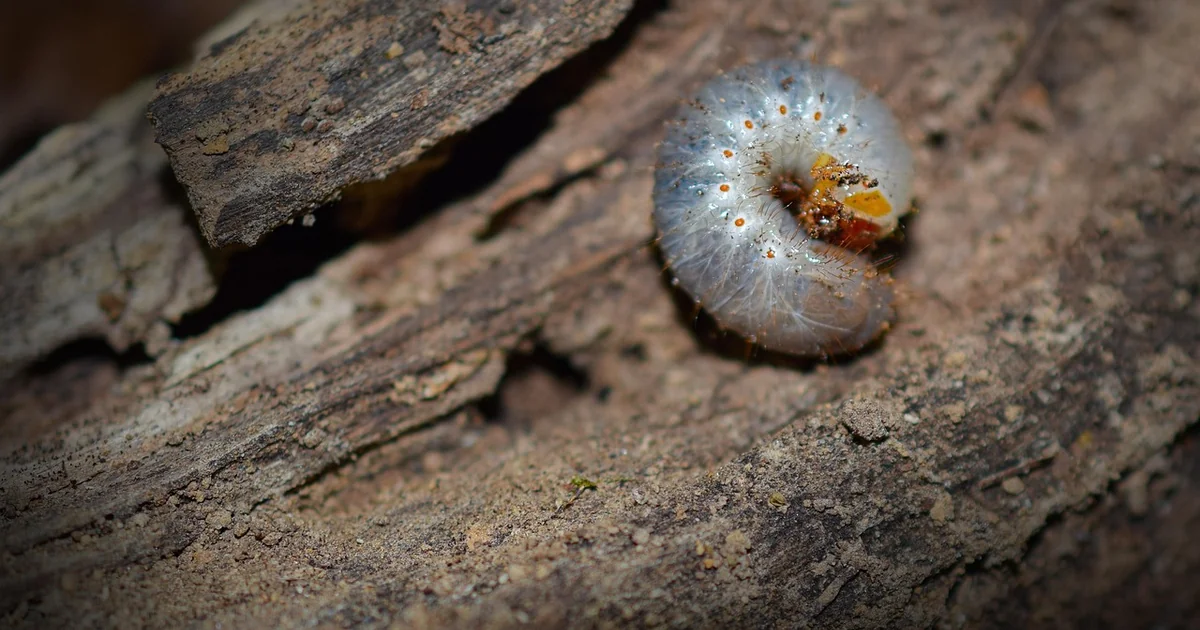
Lawn grubs are the larval stage of scarab beetles. In the United States, the most common culprits are Japanese beetles and June beetles. These larvae live in the soil and feed on organic matter, but their preferred meal is grass roots. When roots are severed, the grass cannot take up water or nutrients. The damage shows up as irregular brown patches that grow larger over time. Adult beetles also cause trouble by skeletonizing the leaves of ornamental plants and crops. A single female beetle can lay up to 60 eggs in a season. That means one small problem can explode into a full infestation within a year.
Grubs thrive in areas with rainy seasons and moist soils. They are found in every state. About 37% of homeowners who report lawn issues in the Midwest cite grubs as the primary cause, according to a 2022 survey from the University of Illinois Extension. The key to protecting your lawn is interrupting their life cycle before they do serious damage.
Signs of a Grub Infestation: What to Watch For
You cannot treat a problem you do not know exists. Grubs work below the surface, so you have to look for indirect clues. Here are the eight most common signs that grubs have moved into your yard.
Irregular Patches of Dead or Dying Grass
These patches start small, maybe the size of a dinner plate. Over a week or two, they expand. The grass turns brown, thin, and wilted. Unlike drought stress, these patches do not respond to watering. The roots are gone, so the grass cannot recover.
Spongy Turf That Peels Back Easily
Walk across your lawn. If the ground feels springy or cushiony underfoot, grubs may have eaten the root structure. Grab a handful of grass and pull. If it lifts like a carpet, the roots have been severed. This is a classic sign of a heavy infestation.
Animal Digging and Tunneling
Skunks, raccoons, opossums, squirrels, and foxes dig small holes in the grass searching for a protein-rich meal. Moles tunnel beneath the surface, creating raised ridges. If you see crows, grackles, or starlings pecking at your lawn, they are feeding on grubs too. Birds can strip a lawn in hours.
Swarms of Adult Beetles
If you notice large numbers of beetles flying close to the ground in early summer, they are likely laying eggs. A swarm of Japanese beetles in June can mean a grub problem in August. Pay attention to your garden plants. If the leaves look like lace, adult beetles are feeding there.
How to Check for Grubs: The DIY Inspection
Do not guess. Digging a small test patch is the only reliable way to confirm a grub problem. The best time to inspect is early autumn, when grubs are actively feeding before winter. Use a shovel or a spade to cut a square of turf about one foot by one foot. Lift the sod and peel it back. Dig down two to four inches. Sift through the soil and look for white, C-shaped larvae with brown heads and three pairs of legs near the head. Count how many you find. If you see five or more Japanese or June beetle grubs per square foot, you have a problem that requires treatment. Fewer than five generally does not justify chemical intervention. The lawn can usually recover on its own.
5 Ways to Stop Lawn Grubs Before They Destroy Grass
Now for the actionable part. These five strategies cover prevention, early intervention, and long-term biological control. Each method targets a different phase of the grub life cycle.
1. Apply Preventive Insecticides in Late Spring to Early Summer
Preventive insecticides are the most effective tool for lawn grub control. They target newly laid eggs before they hatch. The active ingredients imidacloprid, thiamethoxam, and clothianidin are systemic. They are absorbed by the grass roots and remain in the plant tissue. When a young grub takes its first bite, it dies. Apply these products from late spring through midsummer, depending on your region. In the northern states, aim for early June. In warmer southern areas, late April or early May works better.
Chlorantraniliprole is a newer preventive option. It is slightly less effective against heavy infestations but has a major advantage: it is safe for bees. You can apply it as early as late spring without harming pollinators. To protect foraging insects, always mow the lawn before application to remove flowering weeds. Use a fertilizer spreader for granular products. For liquid formulas, mix with water and spray evenly. After application, water the lawn to a depth of half an inch. This moves the chemical into the root zone where grubs feed.
2. Use Curative Insecticides for Active Infestations
If you find more than five grubs per square foot in early autumn, you need a curative approach. The only insecticides labeled for curative control are carbaryl and trichlorfon. These are short-acting chemicals that kill grubs on contact. They work best when grubs are actively feeding near the soil surface. Apply them from early autumn until late spring, before the grubs stop feeding to pupate. Timing is critical. If you wait too long, the grubs move deeper into the soil and the product cannot reach them.
You may also enjoy reading: 7 Perennials to Divide in May for Explosive Growth.
Curative insecticides are less effective than preventive options. They may take several weeks to show results. After application, water the lawn to a depth of half an inch. Maintain good watering and fertilization to help the grass recover. Plan to apply a preventive insecticide the following summer for ongoing control. Do not rely on curative products alone. They are a stopgap, not a long-term solution.
3. Introduce Milky Spore for Long-Term Japanese Beetle Control
Milky spore is a bacterial disease that specifically targets Japanese beetle grubs. The active organism, Paenibacillus popilliae, infects the grub and multiplies inside its body. The grub turns a milky white color and dies. The bacteria then release more spores into the soil. One application can remain effective for up to 15 years. This is a slow process. It can take two to four years to achieve complete control. Milky spore requires a minimum of ten grubs per square foot to spread efficiently. If your infestation is smaller, the bacteria may not establish.
Apply milky spore powder in a grid pattern. Place one teaspoon every four feet in rows spaced four feet apart. Water the area after application to move the spores into the soil. The best time to apply is when grubs are young and actively feeding, typically in late summer or early autumn. Milky spore does not harm earthworms, birds, pets, or beneficial insects. It is a safe, biological option for homeowners who prefer not to use synthetic chemicals.
4. Deploy Beneficial Nematodes for Rapid Results
Beneficial nematodes are microscopic roundworms that parasitize grubs. They enter the grub through its body openings and release bacteria that kill the host. The nematodes then multiply inside the carcass and spread to other grubs. This method works quickly. You can see maximum results in three to four weeks. Nematodes are living organisms, so they require careful handling. They need moist soil to move. Apply them in the early morning, late evening, or on an overcast day. Direct sunlight kills them within minutes.
Mix the nematodes with water according to the package instructions. Use a sprayer or watering can to apply the solution to the affected area. Water the lawn before and after application to keep the soil damp. If the weather turns dry, a second dose may be necessary. Nematodes are species-specific. Choose a product labeled for grub control, such as Heterorhabditis bacteriophora. They are safe for pets, children, and beneficial insects. This is a fast-acting biological solution that works well as a complement to milky spore.
5. Practice Cultural Controls to Reduce Grub Habitat
Prevention starts with how you manage your lawn. Grubs prefer moist, thatchy environments. Reduce thatch buildup by aerating your lawn once a year. Thatch thicker than half an inch provides shelter for eggs and larvae. Water deeply but infrequently. Shallow, frequent watering keeps the soil surface moist, which attracts beetles for egg-laying. Water to a depth of six inches once or twice a week instead. This encourages deep root growth and makes your lawn more resilient to root damage.
Mow at the correct height. Taller grass shades the soil and reduces evaporation, but it can also hide beetle activity. Keep your mower blade sharp and cut no more than one-third of the grass blade at a time. Remove clippings if they are thick, but leaving a light layer returns nutrients to the soil. Avoid over-fertilizing with nitrogen. Too much nitrogen creates lush, tender growth that beetles find irresistible. Use a slow-release fertilizer with a balanced N-P-K ratio. Healthy grass can tolerate low grub populations without visible damage.
When to Call a Professional for Lawn Grub Control
Some situations require expert help. If your state or municipality requires a license to apply certain insecticides, a professional lawn care service can handle the legal and safety requirements. If you count more than ten grubs per square foot, multiple treatments may be necessary. Professionals have access to commercial-grade products and equipment that deliver better coverage. They also know the local life cycle timing for your region. In many cases, hiring a pro is more cost-effective than buying multiple products and applying them incorrectly. If you see swarms of adult beetles in your yard every summer, a professional can design a year-round prevention plan.
Common Mistakes Homeowners Make
Even with good intentions, people make errors that reduce the effectiveness of their lawn grub control efforts. One common mistake is applying insecticides at the wrong time. Preventive products applied in autumn are useless because the eggs have already hatched. Curative products applied in midsummer miss the feeding window. Another mistake is skipping the water-in step. Insecticides need water to move into the root zone. Without it, the chemical sits on the surface and degrades in sunlight. A third mistake is treating the entire lawn when only a small area is affected. Spot treatment saves money and reduces chemical use. Finally, many homeowners stop after one treatment. Grubs have multiple life cycle stages, and a single application rarely eliminates every generation. Follow-up is essential.