If you have a dull fence or a shady wall that needs a lift, consider adding fragrant climbers for shade. These fast-growing vines transform forgotten corners into living tapestries of scent and color. Unlike slow-growing magnolias take years to reach their potential, but these climbers deliver noticeable results in a single-season results. By selecting varieties that thrive in low light, you can turn a problem area into the most evocative part of your yard.
Why Choose Fragrant Climbers for Shade?
Shady walls and fences often become afterthoughts in the garden. We tend to focus on sun-drenched borders where flowers bloom freely. Yet many of the most intoxicatingly sweet-smelling climbers actually perform best when they receive a few hours of morning light or dappled shade throughout the day. These plants are uniquely adapted to reach toward the available light, managing surprising vertical stretch in a single growing season.
Fast-growing fragrant climbers for shade do more than just mask an eyesore. They create corridors of scent that drift across patios and through open windows. The aroma changes from honey-sweet to spicy chocolate depending on the species and the time of day. These vines also provide privacy screens that keep neighbors at bay while adding texture and structure to flat surfaces.
How to Prepare Your Site for Success
Before planting any of the following seven climbers, take a few steps to set them up for vigorous growth. Enrich your site with organic compost to ensure a moisture-retentive base. Most of these fragrant vines are heavy drinkers because they support so much foliage. If you are planting near a house wall, remember the rain shadow that dry patch of earth against the bricks. Plant vines 12 to 18 inches away from the wall’s base so they get the hydration and airflow they need to stay lush and mildew-free.
Sort out any supports while your plants are young and there is less risk of damaging roots. A sturdy trellis, obelisk, or set of horizontal wires works well. Test your soil before sowing or planting using a simple meter. If your soil is very clay-based, amend with a little coarse sand or perlite to ensure the site drains well. Planting in May gives these climbers time to establish their root systems while soil conditions remain agreeable.
Seven Fast-Growing Fragrant Climbers for Shade
Each of the following selections tolerates partial shade and rewards you with memorable fragrance. They range from hardy perennials to vigorous annuals, catering to various USDA hardiness zones. Whether you want evergreen privacy or a lush summer screen that disappears in winter, one of these vines will fit your space.
1. Poet’s Jasmine (Jasminum officinale)
Poet’s jasmine is the queen of flowering vines. It climbs hand over hand up archways, tree trunks, and trellises, reaching up to 40 feet tall with a spread of 15 feet. The star-shaped clusters of white blooms offer a classic, romantic jasmine scent that intensifies at dusk and continues through the night. This makes it a perfect companion for a moonlight garden near a bedroom window or patio seating.
Known as a vespertine bloomer, poet’s jasmine attracts night-flying pollinators such as moths. The plant has a second calling card beyond fragrance: its flowers are edible. You can sprinkle them over desserts or steep them in tea for a delicate flavor. It thrives in partial shade across zones 7 through 10. Provide a sturdy support because this vine grows fast and becomes heavy over time.
2. Common Honeysuckle (Lonicera periclymenum)
The common honeysuckle brings cottage garden appeal to any shady fence or wall. Its tubular flowers range from creamy yellow to pinkish-red and emit a sweet, honey-like scent that carries across the garden. This vine blooms from early summer into autumn, providing months of fragrance. It grows vigorously, reaching 10 to 20 feet tall in a season, and adapts well to partial or dappled shade.
Common honeysuckle is deciduous, so it loses its leaves in winter, but its tangled stems provide a fine structure for birds to nest in. The flowers are rich in nectar and attract hummingbirds and butterflies. Hardy in zones 4 through 9, this vine performs well in cooler climates. Plant it 12 inches away from the wall and water regularly during dry spells.
3. Chocolate Vine (Akebia quinata)
Chocolate vine earns its name from the deliciously spicy, chocolate-like scent that wafts from its tiny purple-brown flowers in early spring. The blooms are unusual and exotic, with a citrusy undertone. This vine is a fast grower, capable of covering a dead tree stump or a chain-link fence in one season. It can reach 30 feet tall and spreads by twining stems.
In late summer, it produces edible pods that look like purple sausages and contain a sweet, jelly-like pulp. Hardy in zones 4 through 9, chocolate vine tolerates full shade but flowers best with a few hours of morning sun. It is semi-evergreen in milder climates, offering winter interest. Keep it well watered the leaves are large and demand consistent moisture.
4. Evergreen Clematis (Clematis armandii)
Evergreen clematis is a standout among fragrant climbers for shade because it provides year-round foliage. Its dark green, leathery leaves create a backdrop for clusters of creamy-white flowers that smell like almonds and vanilla. The blooms appear in early spring, often before most other vines have leafed out, giving you an early dose of perfume.
This clematis grows quickly, reaching 15 to 20 feet tall within a few years. It prefers partial shade with protection from hot afternoon sun, making it ideal for east or north-facing walls. Hardy in zones 7 through 9, it needs a trellis or wire support. Prune lightly after flowering to keep its shape and encourage bushy growth.
You may also enjoy reading: 5 Ways Costco Keyhole Garden Bed Turns Scraps to Gold.
5. ‘Zéphirine Drouhin’ Climbing Rose
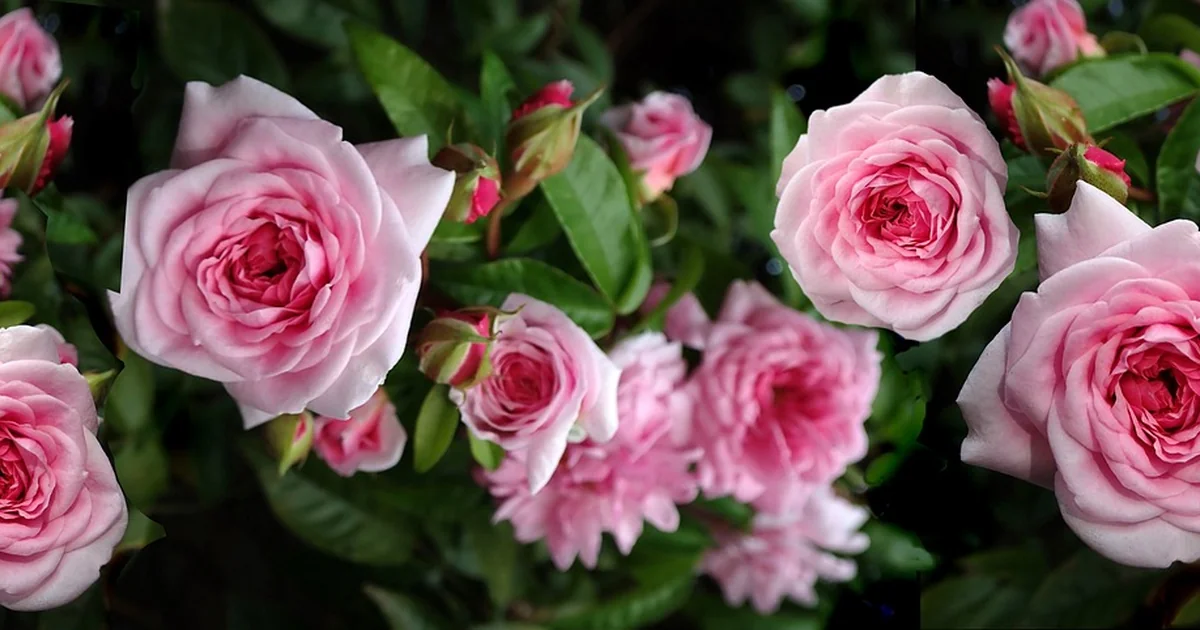
Roses are not known for shade tolerance, but ‘Zéphirine Drouhin’ is an exception. This vigorous climbing rose produces large, semi-double blooms in a rich cerise-pink color with a strong, old-rose fragrance. It is thornless, making it user-friendly for arches and trellises near pathways. It flowers repeatedly from late spring through fall, even in partial shade.
‘Zéphirine Drouhin’ grows 10 to 15 feet tall and needs sturdy support. It is hardy in zones 5 through 9. Prune in late winter to maintain shape and encourage new growth. Deep, infrequent watering and a layer of mulch help the wood stay healthy.
6. Sweet Autumn Clematis (Clematis terniflora)
Sweet autumn clematis is a vigorous bloomer that erupts in a froth of small white flowers in late summer and early autumn. The scent is reminiscent of vanilla and almonds, sweet and pervasive. This vine can cover a fence or arbor quickly, reaching 20 feet in a season. It is deciduous but provides excellent seasonal privacy.
Be aware that this clematis can be invasive in some regions because it self-seeds readily. If you live in a warmer climate, consider it an annual or keep it contained by deadheading spent flowers. It thrives in partial shade and is hardy in zones 4 through 9. It grows so fast that you will see results within weeks of planting.
7. ‘Madame Alfred Carrière’ Climbing Rose
Another shade-tolerant rose, ‘Madame Alfred Carrière’ produces large, cupped blooms in a soft blush-white that release a luscious, tea-rose fragrance. It flowers from early summer to late autumn, with the most intense scent occurring in the evening. This rose is a repeat bloomer and can climb 15 to 20 feet high.
This variety is especially good for north-facing walls where other roses sulk. It is thorny, ‘Zéphirine’, but the flowers are worth and mildew-resistant. Hardy in zones 5 through 9, it appreciates well-drained soil enriched with compost. Train its long canes horizontally to maximize blooming.
Planting and Care Tips for Shady Vines
When you plant any of these fragrant climbers for shade, give them space to grow and avoid crowding their roots. Dig a hole twice as wide as the root ball but no deeper. Mix in a handful of bone meal or slow-release fertilizer to support robust growth. Water thoroughly after planting and check the top inch of soil regularly during the first season.
Install supports before planting to avoid disturbing established roots. For heavy climbers like poet’s jasmine and chocolate vine, use strong metal trellises or tension wires. Apply a 2-inch layer of organic mulch around the base to retain moisture and suppress weeds. Keep the mulch away from the stems to prevent rot.
Pruning requirements vary by species. Most of these vines bloom on new wood, so pruning in late winter or early spring encourages heavy flowering. Remove dead or weak stems at the same time. For roses and clematis, follow specific pruning guidelines to ensure repeat performance.