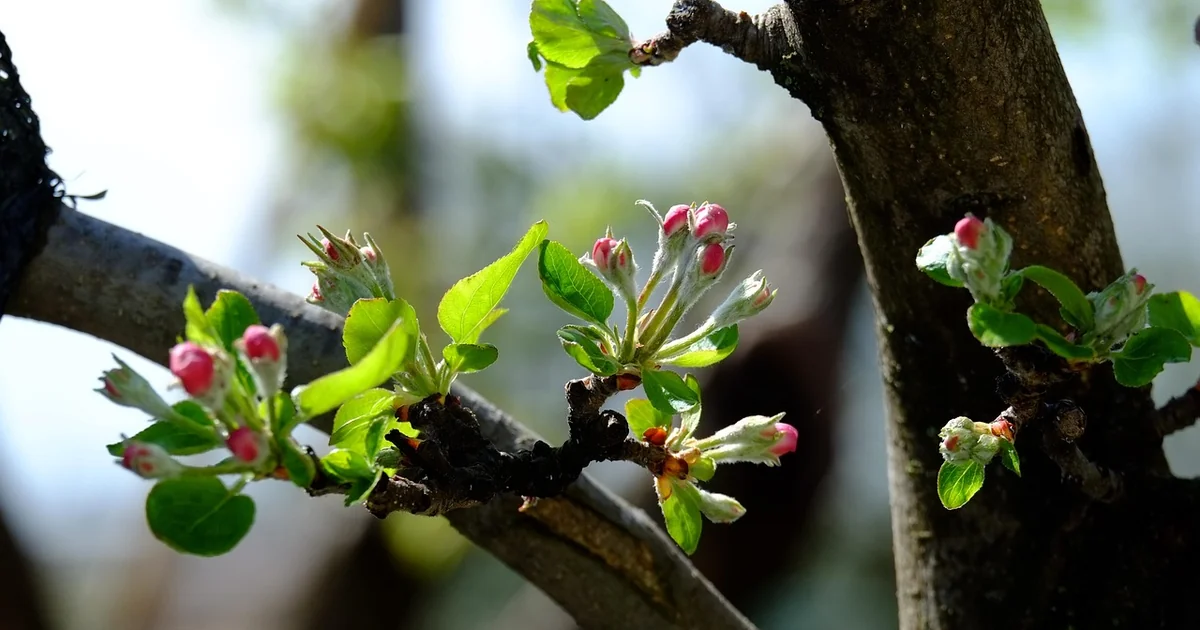
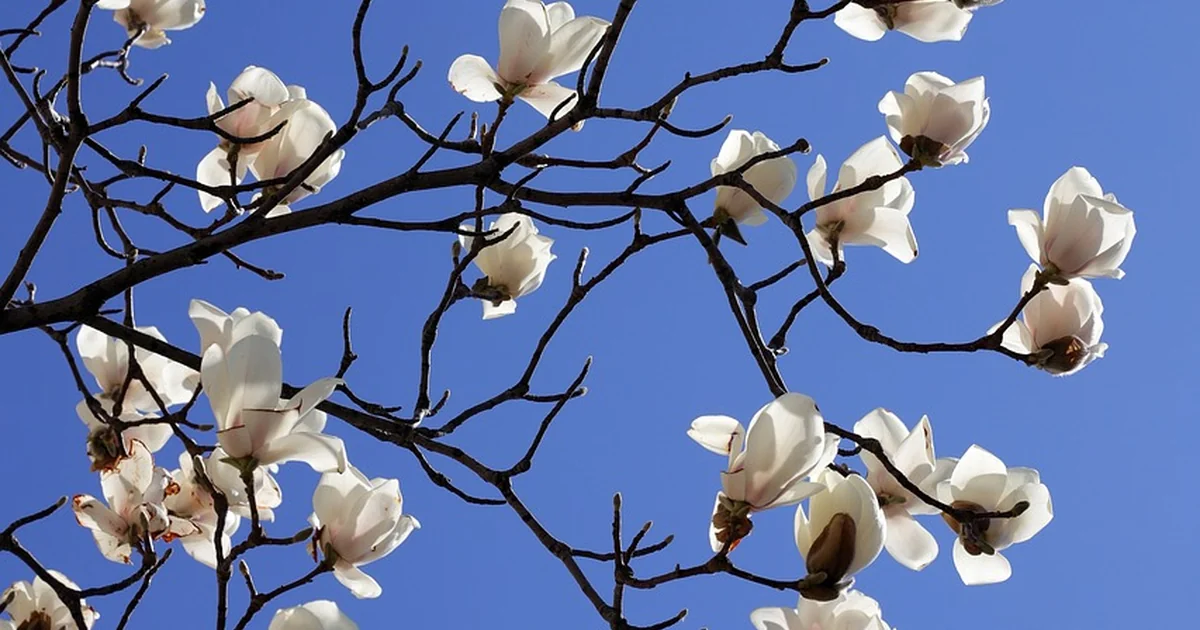
On the winter day I moved in, the flowering tree in the garden absolutely didn’t look like one. In fact, it was nothing more than a tangle of bare, twisting branches against a pale sky. Its bare boughs looked quite striking, silhouetted against a grey sky, but I didn’t really pay it much heed. Then spring arrived. One week there were tight, almost fist-like buds along the branches, and the next the whole tree had erupted into huge pinky-white blooms that looked almost too perfect to be real. Honestly, it looked liked something out of a fairytale. Now, I can’t imagine the space without my magnolia, as it puts on one of the most spectacular spring shows you can get from a single plant. It’s a marker of time, representing the changing seasons, and it brings joy to neighbors and creates a shared seasonal event without anyone actually agreeing to it, I suppose. The tree’s cyclical bloom and fall creates a beautiful architectural silhouette, and it’s a constant reminder of the enduring beauty of nature – a beauty that’s especially poignant when viewed through the lens of a new home and a growing family.
1. The Initial Surprise: A Winter’s Bareness
The tree looked nothing like a flowering tree when the author moved in. It was a stark contrast to the vibrant flowerbeds she’d envisioned for her new garden. Initially, it appeared almost deliberately neglected, a tangle of brittle branches against a bleak winter landscape. It was a surprising element, a quiet, unyielding structure that demanded attention, even if it wasn’t offering one. I remember thinking, ‘Well, that’s going to take some work!’ Little did I know that this seemingly dormant tree held a secret – a spectacular transformation waiting to unfold each spring. The fact that it was so bare and twisted initially made it seem almost defiant, as if it were silently challenging the notion of beauty until it was ready to reveal its true colors.
2. Spring’s Explosive Awakening
One week the tree had buds, and the next it was in full bloom. The change was utterly breathtaking. One moment, a skeletal frame; the next, a riot of soft pink and creamy white blooms erupting from every branch. It was almost too perfect to be real, like a carefully constructed stage set designed to evoke a dream. The sheer volume of blossoms, each shaped like a delicate tulip, was overwhelming, filling the garden with a sweet, heady fragrance. It felt like a secret revealed, a gift bestowed upon the neighborhood, and a personal testament to the power of nature’s renewal. It’s a remarkable reminder that beauty can emerge from the most unexpected places, even from something that seems lifeless and dormant.
3. Summer’s Green Embrace: A Canopy of Life
The tree’s blooms are almost too perfect to be real, but they’re only the beginning. Come summer, the glossy green leaves take over, forming a dense canopy that birds absolutely love. The branches become completely covered, creating a cool, shaded retreat from the heat. It transforms the garden into a verdant oasis, a place of dappled light and the constant chatter of birds building nests and raising their young. It’s a space of buzzing activity and quiet observation, a reminder of the interconnectedness of life. The leaves provide a crucial habitat for local wildlife, and the tree’s presence adds a sense of stability and longevity to the garden.
4. The Second Bloom: A Subtle Surprise
Later in the year, there’s often a second, smaller flush of blooms when the weather cools again, which is less dramatic than spring, but somehow even more special because you’re not expecting it. It’s like a quiet encore, a final burst of color before the leaves begin to turn. This secondary bloom is a testament to the tree’s resilience and adaptability, a subtle reminder that beauty can appear in unexpected moments. It adds another layer of interest to the tree’s seasonal cycle, and it’s a delightful surprise for anyone who takes the time to notice.
5. Fall’s Golden Transformation: Architectural Beauty
The leaves turn buttery golds and warm bronzes in the fall, before falling away entirely, leaving that beautiful sculptural silhouette for winter. The way the light filters through the branches, casting intricate patterns on the ground, is truly captivating. It’s a transition from exuberant bloom to elegant decay, a visual representation of the cyclical nature of life. The bare branches, stark against the autumn sky, possess a quiet dignity and a sense of timelessness. The beauty of the foliage change offers a moment of reflection on seasons gone by.
6. Winter’s Silhouette: A Study in Form
Bare again? Yes. Boring? Never! The tree strips back to a stark silhouette in the winter, a skeletal frame against a grey sky. It’s a powerful reminder that beauty doesn’t always require color or extravagance. The simple lines and shapes of the branches create a striking visual contrast against the winter landscape. It’s a period of rest and contemplation, a time to appreciate the tree’s enduring presence and to anticipate the return of spring. The starkness highlights the tree’s underlying strength and resilience.
7. Neighborly Appreciation: A Shared Secret
Initially, I thought I was the only one noticing the tree’s beauty, but then both neighbors (on either side!) made their feelings very clear: under no circumstances am I to remove it. It wasn’t a formal agreement, but a mutual understanding – a shared appreciation for this remarkable tree. This simple act of neighborly respect highlighted the power of shared experience and the joy of community. It’s a small but significant example of how a single tree can bring people together, fostering a sense of connection and belonging.
8. Planting the Seeds of Legacy: A Neighborhood Bloom
Each has now planted their own young magnolia trees, little saplings that bloomed beautifully in the springtime. It’s a testament to the tree’s popularity and its ability to inspire. The fact that multiple neighbors have chosen to cultivate their own magnolias underscores the tree’s appeal and its role as a focal point for the neighborhood. It’s a ripple effect of beauty, spreading outwards and enriching the community.
You may also enjoy reading: 7 Easy Square Foot Gardening Secrets for a Big Harvest.
9. Magnolias: Living Fossils of the Plant World
Truthfully, I’m a bit of a nerd when it comes to magnolias, and one of the things I love most about them is how ancient they feel. They’re often described as living fossils, as these flowering trees evolved long before bees existed in their current form (and, yes, dinosaurs would have chomped on them once upon a time, too!). Magnolias predate most other flowering plants, dating back to the Cretaceous period, over 100 million years ago. This makes them incredibly significant in the context of plant evolution, offering a glimpse into the distant past. Their survival through countless millennia is a testament to their resilience and adaptability.
10. Edible Blooms: A Hidden Delight
Even more exciting? The flowers themselves are edible, although, admittedly, I rarely do anything with them. I’ve tried frying them lightly (a little like you might with squash flowers) and they were tasty, but it usually feels more natural to just leave them be, scattered on the ground like confetti. The petals have a delicate, slightly sweet flavor, reminiscent of almonds and vanilla. Historically, magnolias were used for medicinal purposes, and the flowers were believed to have healing properties. While the culinary use is relatively niche, it’s a fascinating detail to consider.
11. Marking the Seasons: A Personal Calendar
My favorite thing about my magnolia, though, is the fact that it’s so much more than just a flowering tree; it’s a marker of time. Spring begins with its bloom, summer settles beneath its shade, fall warms it up again in color, and winter strips it back to something stark and beautiful and architectural, waiting for the whole cycle to begin again. When I fell pregnant with each of my girls, I marked the months by the tree outside. I associate it so much w with the changing seasons and the milestones of my family’s life.
12. USDA Zones: A Geographical Guide
Magnolias are hardy in USDA Zones 7 through 9, meaning they thrive in a range of climates. However, with a little care and protection, they can be grown in colder regions as well. The ideal growing conditions for magnolias include well-drained soil, full sun, and protection from strong winds. Understanding the USDA zones is crucial for ensuring the success of your magnolia tree, especially if you live in a region with harsh winters.
13. Magnolia’s Unique Evolutionary History – A Pre-Bee World
Interestingly, magnolias evolved long before bees developed into the pollinators we know today. This means that their flowers were likely pollinated by insects that existed millions of years ago, dating back to a time when the world looked very different. This pre-bee pollination has led to unique flower structures and adaptations, setting magnolias apart from many other flowering plants. It’s a remarkable piece of botanical history, demonstrating the incredible diversity and resilience of the plant kingdom.
The 13 neighbors loving the same flowering tree magnolia has created a beautiful and shared experience for everyone. It’s a reminder that even the simplest of things – a single tree – can bring joy, connection, and a sense of wonder to our lives.