
We all carry invisible stories with us. Stories about what we lack, where we fall short, and why we might not measure up. On certain mornings, that inner voice grows louder. It whispers that everyone else seems whole while we feel fractured. It insists that our cracks disqualify us from happiness, love, or success. That voice feels heavy, real, and hard to shake. Yet beneath that weight lies a quieter truth: the very parts of ourselves we try to hide often hold the most surprising gifts. Sometimes the hardest part of the journey is simply believing you are worthy of the trip.

The Weight of Feeling Not Enough
Not long ago, an email arrived from a reader who described mornings steeped in doubt. She wrote about recent hardships that had left her feeling fractured. Despite outward accomplishments, she confessed to struggling daily with self-worth. The core of her message was a familiar ache: feeling not enough despite visible success. She felt flawed, undesirable, and certain her imperfections made her less worthy of connection.
That email could have been written by any of us. Over the past fifteen years, conversations with hundreds of readers, clients, and event attendees have revealed a shared struggle. Almost everyone wrestles with the sense that they fall short at some point in their lives. The specifics differ — a career setback, a relationship ending, the pressure of parenting, or simply the quiet comparison game we play on social media. But the underlying feeling is remarkably similar: a persistent whisper that we are somehow broken.
If you recognize yourself in that description, you are not alone. This universal ache does not mean something is wrong with you. It means you are human, and you have not yet discovered the hidden purpose your cracks might serve.
The Story of the Two Buckets
There is an old tale that speaks directly to this struggle. It goes like this.
An elderly woman lived in a modest rural cottage. Every morning she walked down a winding path to the river to fetch water for cooking, cleaning, and drinking. She carried two buckets, each hanging from the ends of a wooden pole balanced across her shoulders. One bucket was newer, perfectly sealed, and held every drop of water it carried. The other bucket was older, worn by years of use, with thin cracks running along its surface.
Each day the woman filled both buckets at the river and began her walk home. By the time she reached her cottage, the cracked bucket had lost about a third of its water, leaking steadily onto the dirt path. The newer bucket felt proud of its flawless performance. The older bucket felt ashamed.
One morning, as the woman paused to rest, the cracked bucket spoke up. It apologized for its imperfection. It expressed deep regret for making the woman’s work harder and for failing to carry its full share. It offered to step aside so she could find a better bucket — one without flaws.
The elderly woman smiled gently. “Do you really think I haven’t known about your cracks this whole time?” she asked. “Look at all the beautiful flowers that grow on the path from my cottage to the river. I planted their seeds, but every morning it is you who does the watering.”
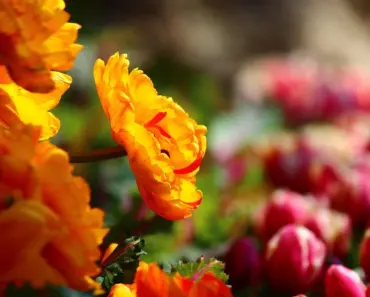
Along the side of the path, on the side where the cracked bucket hung, a vibrant trail of wildflowers bloomed. The other side of the path, watered by the perfect bucket, remained bare dirt. The cracked bucket had been creating beauty the entire time without even realizing it.
Why This Story Reframes Everything
The cracked bucket believed its leaks made it useless. It measured itself against the other bucket and found itself lacking. It saw only what it lost, never what it nourished. The elderly woman, however, saw the whole picture. She chose the cracked bucket on purpose, knowing its flaws would water the seeds she had planted.
This simple narrative carries a profound lesson about feeling not enough. We tend to judge ourselves by what we perceive as broken — our insecurities, failures, awkward moments, and unmet expectations. But those same cracks may be quietly watering something beautiful in our lives, relationships, or communities. We simply cannot see it from where we stand.
Reframing Your Cracks as Hidden Strengths
The challenge lies in shifting perspective. When the feeling of inadequacy rises, our instinct is to fix, hide, or apologize for our imperfections. it’s worth noting that if we could just become whole, we would finally feel worthy. But the story suggests a different path. Perhaps our cracks are not weaknesses at all. Perhaps they are channels for something essential to flow through.
Consider a parent who feels they are not patient enough, not organized enough, not calm enough. That very awareness of imperfection can make them more empathetic, more willing to apologize, and more present when their child needs comfort. The crack in their composure becomes a conduit for genuine connection.
Consider someone starting a new career who feels the constant weight of imposter syndrome. That unease may drive them to prepare more thoroughly, ask better questions, and listen more carefully than their overconfident peers. The crack in their confidence becomes a source of diligent growth.
Consider a friend who feels they talk too much or too little. Their self-consciousness about conversations might make them more attuned to others, more careful with their words, and more loyal when a friend truly needs to be heard. The crack in their social ease becomes a space where empathy takes root.
Your cracks do not disqualify you. They are not evidence of unworthiness. They are simply the places where your unique contribution leaks into the world — often in ways you cannot measure or even see.
What If Your Insecurities Are Actually Seeds?
This question can transform how you interpret your inner doubts. The elderly woman planted seeds intentionally. She knew the path would be watered, and she chose a cracked bucket as her partner in that act of creation. In your own life, the seeds have already been planted — by your experiences, your values, your relationships, and your dreams. The cracks in your bucket are watering something, whether you realize it or not.
The feeling of feeling not enough often persists because we focus on what drips out of us rather than what grows because of it. We apologize for the trail of water instead of turning around to admire the flowers. We berate ourselves for leaking instead of celebrating the life that springs up in our wake.
This does not mean you should ignore areas where growth is needed. Self-improvement remains valuable. But improvement rooted in self-hatred rarely lasts. The most sustainable changes come from a place of acceptance, not rejection. When you accept your cracks as part of your design, you stop fighting reality and begin working with it.
You may also enjoy reading: How Being the Strong One in My Family Became a Trap.
Practical Steps to Silence the Feeling of Not Enough
Shifting perspective takes practice. Feelings do not change overnight. But small, consistent actions can gradually reshape how you see yourself. Below are several approaches that can help you move from self-criticism toward self-compassion.
Start Each Day with a Simple Pause
Before your feet hit the floor, take three slow breaths. Place a hand over your heart. Say silently or aloud: “I am here. I am enough as I am right now.” This may feel awkward at first. That is normal. The goal is not immediate belief but repeated practice. Over time, the neural pathways that support self-acceptance grow stronger, making compassion more automatic.
Keep a “Flowers Along the Path” List
Each evening, write down one specific moment from your day where something good emerged from a challenge. It could be a kind word you offered despite feeling irritable. It could be a mistake that taught you something valuable. It could be a moment of vulnerability that deepened a relationship. Label these moments as flowers watered by your cracks. Over weeks, this list becomes tangible evidence that your imperfections are productive.
Stop Comparing Your Backstage to Everyone’s Highlight Reel
Social media and casual conversations often serve curated versions of other people’s lives. You see the perfect bucket, not the cracks. Remind yourself that every person has internal struggles they do not display. The colleague who seems effortlessly successful may lie awake doubting their choices. The friend whose relationship looks flawless may be quietly navigating pain. Comparison is the thief of perspective. When you catch yourself comparing, mentally return to your own path and ask: “What flowers are growing right now that I am ignoring?”
Practice the Art of Small Risk
One reason feeling not enough persists is that we avoid situations where our cracks might show. We stay in safe roles, silent conversations, and comfortable routines. To build confidence, take small risks that invite your imperfections into the open. Share an unfinished idea in a meeting. Admit you do not know something. Ask for feedback. Each small act of courage rewrites the story that your flaws must be hidden. They become part of your contribution, not something to apologize for.
Why This Feeling Lingers Despite Success
Many people achieve impressive milestones yet continue to feel insufficient. Promotions, awards, financial stability, and loving relationships do not automatically silence the inner critic. This phenomenon has a name: imposter syndrome. It describes the persistent belief that you will be exposed as a fraud, that your accomplishments are undeserved, and that others will eventually discover you are not as capable as they think.
Imposter syndrome thrives on the gap between internal experience and external perception. You know your own doubts, mistakes, and messy moments intimately. You assume others are more composed, more certain, and more deserving. The cracked bucket syndrome mirrors this perfectly. The bucket only saw its leaks, never the flowers. You see your own leaked water — the stumbles, the awkward pauses, the things you wish you had done differently — and conclude you are falling short.
But here is the key insight that studies on imposter syndrome confirm: internal self-doubt does not equal objective inadequacy. You can feel uncertain and still be highly competent. You can feel flawed and still be deeply loved. The feeling of feeling not enough is a signal, not a verdict. It points to a need for self-compassion, not to an actual deficiency.
The Role of Early Experiences
Childhood messages about worthiness often shape how we interpret our cracks as adults. A parent who emphasized achievement may have accidentally taught you that love is conditional on perfection. A teacher who criticized mistakes may have planted the belief that errors are shameful. These early seeds grow into the internal stories we carry. Recognizing where your feelings originated does not erase them instantly, but it loosens their grip. You can see them as learned responses rather than absolute truths.
Your Turn to Practice Feeling Good Enough
Reading about self-acceptance is one thing. Living it requires repetition. The crack in your bucket will not disappear. That is not the goal. The goal is to see the flowers it waters and to trust that those flowers matter. The elderly woman did not fix the bucket. She used it intentionally. She planned for its leakage and turned a perceived flaw into a feature of her daily ritual.
You can do the same. The path you walk each day — with its demands, relationships, and quiet moments — is your own stretch of ground between the river and the cottage. The water you leak along the way is not wasted. It is nourishing something. You may not see it clearly right now. You may have to trust the process. But the flowers are there.
Let this be a gentle wake-up call. Choose to see the flowers through the cracks in your own bucket. Choose to see how exactly those cracks make you good enough. When you do, your whole universe shifts. Not because your circumstances change overnight, but because your relationship to yourself changes. And that changes everything.
Feeling good enough takes practice. It is time to practice. Start small. Start today. The path is already blooming. You just have to look.



![20 Best Tools To Learn Something New Every Day [2026 Update]](https://www.famliynest.com/wp-content/uploads/2026/04/fam-18064-370x297.webp "20 Best Tools To Learn Something New Every Day [2026 Update]")