Ceramic pots bring a timeless elegance to any indoor or outdoor garden. Their weight, texture, and glaze add a finished look that plastic planters simply cannot match. Yet many ceramic pots arrive without drainage holes. Retailers assume you will use them as cachepots, meaning you slide a plastic nursery pot inside. This setup works, but it creates a hidden problem. Water collects in the gap between the two pots, and roots can rot without you noticing. Drilling your own hole removes that guessing game. It transforms a decorative vessel into a fully functional home for your plants. The process sounds intimidating at first. Ceramic is brittle, and one wrong move can crack a pot you love. With the right technique, though, you can add a drainage opening safely and cleanly.
Why Adding a Drainage Hole Matters More Than You Think
Before picking up a drill, it helps to understand exactly why drainage holes are non-negotiable for most houseplants. Plant roots need oxygen as much as they need water. When excess water has no exit, it fills the air pockets in the soil. Roots suffocate, and harmful microbes thrive in the wet environment. The result is root rot, a condition that kills plants slowly and often goes unnoticed until the leaves turn yellow and droop.
A 2023 survey from the University of Florida’s horticulture department found that roughly 47 percent of houseplant deaths in container gardens trace back to overwatering or inadequate drainage. That figure does not include plants that simply underperform due to soggy roots. A drainage hole gives you a clear visual cue. When water streams out the bottom, you know the entire root ball has been saturated. When the flow stops, the pot empties naturally, and air re-enters the soil. This simple cycle mimics the natural ground environment where excess water drains away from roots.
Ceramic pots that lack a hole force you to guess. You water cautiously, hoping the soil is moist but not soaked. That guesswork often leads to underwatering on one side and root rot on the other. Drilling a hole eliminates the ambiguity. It puts you back in control of your plant’s health with every watering session.
Step 1: Choose the Right Drill Bit for Your Ceramic Type
Selecting the wrong bit is the most common mistake people make. A standard wood bit generates friction and heat that can shatter ceramic. You need a bit designed to grind through hard, brittle materials rather than cut through them. The type of ceramic you own also influences your choice.
Diamond Drill Bits for Glazed and Unglazed Pots
Diamond drill bits are the gold standard for any ceramic surface. The tip is embedded with industrial diamond dust that grinds through glaze, clay, and stone. These bits work on glossy finished pots, matte ceramic, and even terracotta. They generate less heat than other bits because they cut by abrasion rather than scraping. A 1/4-inch or 3/8-inch diamond bit is ideal for a standard drainage hole. Smaller bits around 1/8 inch work for succulents where you want only light drainage. Diamond bits cost slightly more than masonry bits, but one bit can drill dozens of holes if you use it with water lubrication.
Masonry Bits as an Alternative
Masonry bits are designed for brick, concrete, and stone. They work on unglazed ceramic, but they struggle with the hard, glass-like surface of glazed pots. The tip of a masonry bit is carbide-tipped and designed to hammer through dense material. If you use one on a glazed pot, the bit tends to skid across the surface before catching, which can scratch the glaze or crack the pot. Reserve masonry bits for terracotta, unglazed stoneware, or matte ceramic planters. Even then, you need to run the drill at low speed and keep the bit wet to prevent overheating.
Regular Drill Bits and Glass Bits
Standard high-speed steel bits are not recommended for ceramic. They dull quickly and generate enough heat to cause thermal shock in the clay. Glass and tile bits are a middle option. They feature a spear-shaped carbide tip that works on soft ceramic tile, but they are less reliable on thick pot bottoms. If you already own a tile bit, you can try it on a thin-walled ceramic pot, but expect slower progress and a higher chance of chipping around the hole edge.
The bottom line: invest in a diamond drill bit rated for glass and tile. It will pay for itself in saved time and intact pots. A single 3/8-inch diamond bit from a reputable tool brand costs about 8 to 15 dollars and will last through multiple projects.
Step 2: Prepare Your Work Area and Safety Gear
Ceramic dust is fine and can irritate your eyes, nose, and skin. Safety is not optional here. Set up your workspace before you touch the drill.
What You Need
Gather these items before starting:
- Safety goggles that seal around your eyes
- Work gloves with rubber grip to hold the pot steady
- A thick towel or foam pad for the table surface
- A spray bottle filled with water
- Painter’s tape or masking tape
- A permanent marker
- Your chosen drill bit and a variable-speed power drill
Setting Up the Pot
Place the towel on a sturdy, level table. Turn the ceramic pot upside down so the bottom faces upward. The towel cushions the rim and prevents the pot from sliding. It also absorbs some vibration, which reduces the risk of cracks. If the pot has a raised rim or decorative feet, check that it sits evenly. An unstable pot shifts during drilling and increases the chance of a sideways force that snaps the base.
Tape a piece of painter’s tape over the exact spot where you want the hole. The tape gives the drill bit a textured surface to grip, which stops it from wandering on the slick glaze. Mark the center of the tape with a dot from your marker. This dot serves as your target and helps you maintain alignment as you drill.
Safety Protocols
Put on your safety goggles before plugging in the drill. Even with a low speed, ceramic particles fly upward. A single grain in your eye can cause a corneal scratch that takes days to heal. Gloves protect your hands if the bit grabs or the pot shifts. Keep the spray bottle filled and nearby. You will use it to keep the drilling area wet, which reduces dust and prevents heat buildup.
Step 3: Drill at Low Speed with Constant Water Lubrication
This step is where most people damage their pots. High speed generates heat, and heat causes ceramic to expand unevenly. The result is a hairline crack that spreads outward from the hole. Low speed and water prevent this.
The Drilling Technique
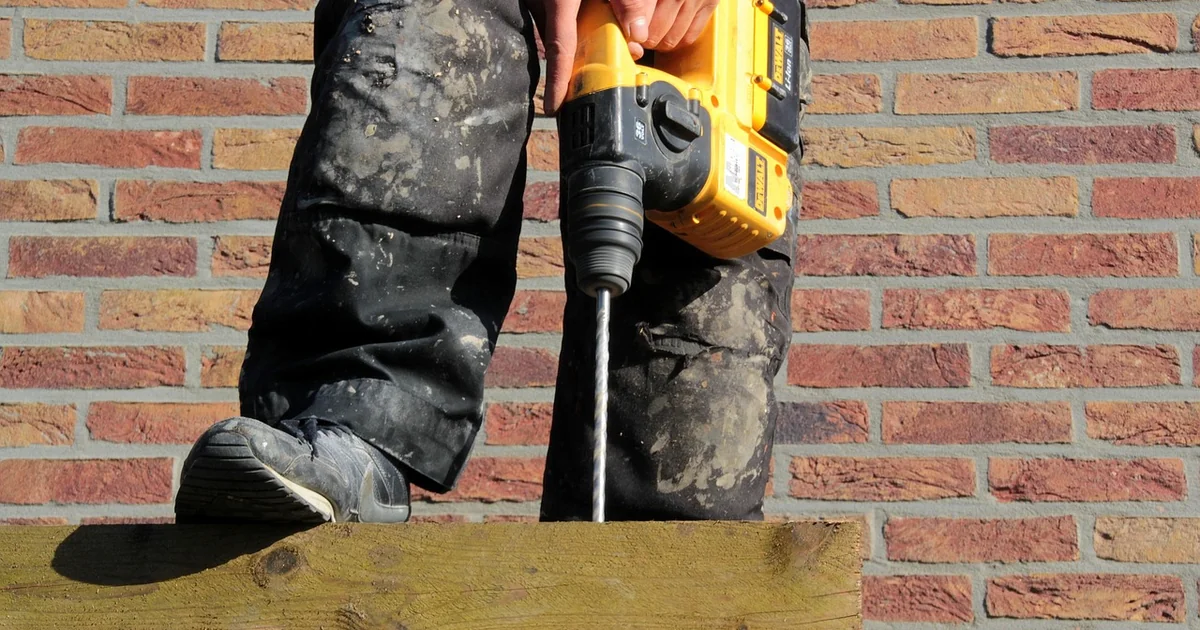
Set your drill to its lowest speed setting. Most variable-speed drills have a range from zero to around 800 RPM. For ceramic, you want to stay below 400 RPM. If your drill has a clutch, set it to the lowest torque setting to prevent the bit from grabbing and spinning the pot.
Position the tip of the diamond bit on your marked dot. Hold the drill perpendicular to the pot bottom. Tilt the drill even slightly, and the bit will try to grind an oval instead of a circle, which can crack the surrounding ceramic. Start the drill and apply gentle, even pressure. Let the weight of the drill do most of the work. Do not push down hard. If the bit skids or the tape peels, stop and adjust your angle.
Spray water directly onto the drilling spot every 10 to 15 seconds. The water keeps the bit cool and flushes away ceramic dust. You will see a milky slurry form around the hole. That is normal and means the abrasion is working. Some people prefer to drill inside a shallow dish of water, but this makes it harder to see your mark. The spray bottle method gives you more control.
Reading the Feel of the Material
You will notice a change in resistance as the bit passes through the glaze and into the clay body. The glaze is hard and slippery. The clay beneath is softer and cuts more quickly. When you feel this transition, reduce pressure slightly. If you push too hard through the soft clay, the bit may burst through the bottom and chip the inner surface. Slow and steady wins here.
As you approach the final breakthrough, the bit will feel like it is sinking. This is the moment to ease off the trigger. Let the drill spin without forward pressure for a few seconds. The bit will finish the hole on its own. Pull the drill out while it is still spinning to avoid catching the edge of the hole. You should now have a clean, round opening.
What to Do If the Pot Cracks
Even with perfect technique, hairline cracks can happen. If you see a crack spreading from the hole, stop drilling immediately. Remove the bit and examine the pot. A hairline crack that does not reach the rim can often be sealed with clear epoxy on the inside. If the crack extends to the edge, the pot is structurally compromised and may split when filled with soil. In that case, repurpose it as a decorative cachepot and use a plastic liner inside.
Step 4: Finish the Hole and Clean the Edges
The hole is drilled, but the job is not finished. The edges of a freshly drilled hole are sharp and can cut roots or scratch your hands during handling. A few minutes of finishing work makes the pot safe and professional-looking.
De-burring the Hole
Flip the pot right-side up and examine the interior of the hole. You will likely see a raised ring of ceramic dust or small chips around the edge. Use a small round file or a piece of fine-grit sandpaper wrapped around your finger to smooth the rough spots. Work slowly and only on the sharp edges. Avoid sanding the glaze beyond the immediate rim of the hole, as this can create an uneven surface where water collects.
If you do not have a file, a diamond rod used for sharpening knives works well. Alternatively, you can rub the edge of the hole against a scrap of sandpaper placed on a flat surface. One or two passes are usually enough.
Rinsing Away the Dust
Wash the entire pot with warm water and a mild dish soap. Ceramic dust clings to the glaze and can scratch the finish if you wipe it dry. Use a soft sponge and rinse thoroughly. Pay special attention to the inside of the pot, where dust may have settled during drilling. Dry the pot with a clean cloth. You should be able to run your finger around the hole without feeling any sharp points.
Optional: Adding a Mesh or Stone Layer
Some gardeners like to place a small piece of window screen mesh or a flat stone over the hole before adding soil. This prevents soil from washing out the bottom while still allowing water to drain freely. A broken piece of terracotta pot, often called a crock, works well. Place it concave side down over the hole. This is entirely optional but can reduce soil loss in pots with large drainage openings.
Step 5: Test the Drainage and Adjust Your Watering Routine
The hole is drilled, cleaned, and inspected. Now you need to confirm it functions as intended. A drainage hole that is too small may still hold water inside the pot. A hole that is too large may drain so fast that the soil never absorbs enough moisture. Testing solves both issues.
The Water Flow Test
Fill the pot about halfway with the potting mix you plan to use. Pour water slowly over the soil until you see a trickle emerge from the bottom. Observe how quickly the water exits. A steady drip that continues for a few seconds after you stop pouring indicates good drainage. A sudden gush suggests the hole is oversized, and you may need to add a mesh layer to slow the flow slightly. If no water appears after a full minute, the hole may be blocked by dust or a glaze fleck. Poke a toothpick or thin wire through the hole to clear any obstruction.
You may also enjoy reading: 7 Pro Tips to Grow Sweet Potato Slips.
Adjusting Your Watering Habits
Once you confirm the hole works, you can water with confidence. Pour water evenly across the soil surface until you see runoff from the bottom. Wait 15 minutes, then empty the saucer beneath the pot. Do not let the pot sit in standing water, as capillary action can draw that water back up into the soil and recreate the soggy conditions you tried to avoid.
Ceramic pots evaporate moisture through their walls, especially unglazed ones. You may need to water slightly more often than with a plastic or glazed pot. Check the soil moisture by sticking your finger one inch into the mix. If it feels dry at that depth, it is time to water again. The drainage hole gives you the freedom to water deeply without fear, which encourages roots to grow downward and create a stronger plant.
Long-Term Pot Care
Over months of use, mineral deposits and small soil particles can accumulate around the hole and slow drainage. Every few months, flush the pot with clear water and scrub the inside of the hole with a small brush. This keeps the opening clear and ensures your drill drainage hole ceramic pot continues to function as well as it did on day one.
Alternative Method: Drilling Without a Power Drill
Not everyone owns a power drill, and that should not stop you from creating a drainage opening. An alternative method using a hammer and a sharp object can produce a usable hole, though the result is rougher and requires more patience.
Place the pot upside down on a towel as you would with a drill. Mark the center. Choose a sharp nail, a masonry screw, or a narrow chisel. Position the point on your mark. Hold the sharp object at a 45-degree angle and tap it gently with a hammer. The goal is to chip away small flakes of ceramic rather than punch through in one blow. Work your way around the dot, creating a small crater. Gradually deepen the crater until you break through. This method works best on unglazed terracotta. Glazed pots will chip unevenly, and you may end up with a jagged opening. Use a file to smooth the edges once the hole is complete.
This manual technique takes about 15 to 20 minutes per hole, compared to 2 to 3 minutes with a drill. However, it proves that a drainage opening is achievable even with minimal tools. The key is patience and light taps rather than force.
Common Mistakes and How to Avoid Them
Even experienced gardeners make errors when drilling ceramic. Recognizing these pitfalls ahead of time saves you from cracked pots and wasted effort.
Drilling on a Hard Surface Without Cushioning
Setting the pot directly on a concrete floor or wooden table transmits vibration back into the pot. This vibration can cause the base to fracture. Always use a towel, a rubber mat, or a piece of carpet padding under the pot. The cushion absorbs shock and keeps the pot stable.
Using Too Much Pressure
Pushing the drill hard against the pot does not make the bit cut faster. It creates friction, which heats the ceramic and increases the chance of cracking. Let the abrasive action of the diamond bit do the work. Gentle, steady pressure is the right approach.
Drilling Without Water
Dry drilling generates heat that can alter the molecular structure of the glaze and cause it to shatter. Water is not optional. It is a necessary lubricant and coolant. If you forget to spray, stop and spray before continuing. Even a few seconds of dry drilling can compromise the pot.
Choosing the Wrong Bit Size
A hole that is too small can clog with soil particles over time. A hole that is too large may let soil wash out. For most houseplants, a 3/8-inch to 1/2-inch hole works well. For succulents and cacti, a 1/4-inch hole provides sufficient drainage. You can always make a hole larger, but you cannot shrink it. Start smaller and enlarge it if needed.
Frequently Asked Questions About Drilling Ceramic Pots
Can I use a regular drill bit on a ceramic pot?
Standard wood or metal drill bits are not designed for ceramic. They will dull quickly and may crack the pot. Use a diamond drill bit, a glass-and-tile bit, or a masonry bit designed for brittle materials.
Do I need to wet the bit while drilling?
Yes. Water cools the bit, reduces dust, and prevents thermal shock to the ceramic. Spray the drilling area every 10 to 15 seconds as you work.
Will the glaze chip around the hole?
Some minor chipping is normal, especially on the inside edge of the hole. Using painter’s tape and drilling at low speed minimizes this. You can smooth rough chips with sandpaper after drilling.
Can I drill a hole in a pot that already has a small chip or crack?
It is risky. Existing damage weakens the ceramic structure. Drilling can cause the crack to spread. It is safer to use a cracked pot as a cachepot or a decorative cover.
How long does it take to drill through a ceramic pot?
For a standard 6-inch pot with a 3/8-inch diamond bit, the process takes about 2 to 4 minutes. Thicker pots or pots with heavy glaze may take slightly longer. Rushing increases the chance of breakage.
Is it better to drill from the inside or the outside?
Drill from the outside of the pot bottom. The drill bit enters the glaze first and exits through the softer interior clay. This produces a cleaner hole on the visible outer surface. Drilling from the inside can cause the glaze to chip outward.
Adding a drainage hole to a ceramic pot is one of the most practical upgrades you can make for your container plants. It removes the guesswork from watering, prevents root rot, and lets you use decorative pots that would otherwise sit unused on a shelf. With the five steps outlined here and the right safety precautions, you can drill a drainage hole ceramic pot with confidence and enjoy healthier plants for years to come.