Why Designers Scout Garage Sales Before Showrooms
Walk into any high-end furniture store and you will see perfectly styled vignettes. The price tags often match the polish. But many interior designers know a different secret. They wake up early on Saturday mornings. They drive to neighborhoods hosting weekend sales. They hunt for treasures that cost a fraction of retail. These professionals understand that character cannot be manufactured. It must be discovered. The best designer garage sale finds bring warmth, history, and surprise into a space. Mass-produced decor simply cannot compete with the soul of something lived-in. If you have ever wondered how designers create rooms that feel collected rather than catalogued, this list reveals their go-to categories.
1. Vintage Frames That Transform Any Wall
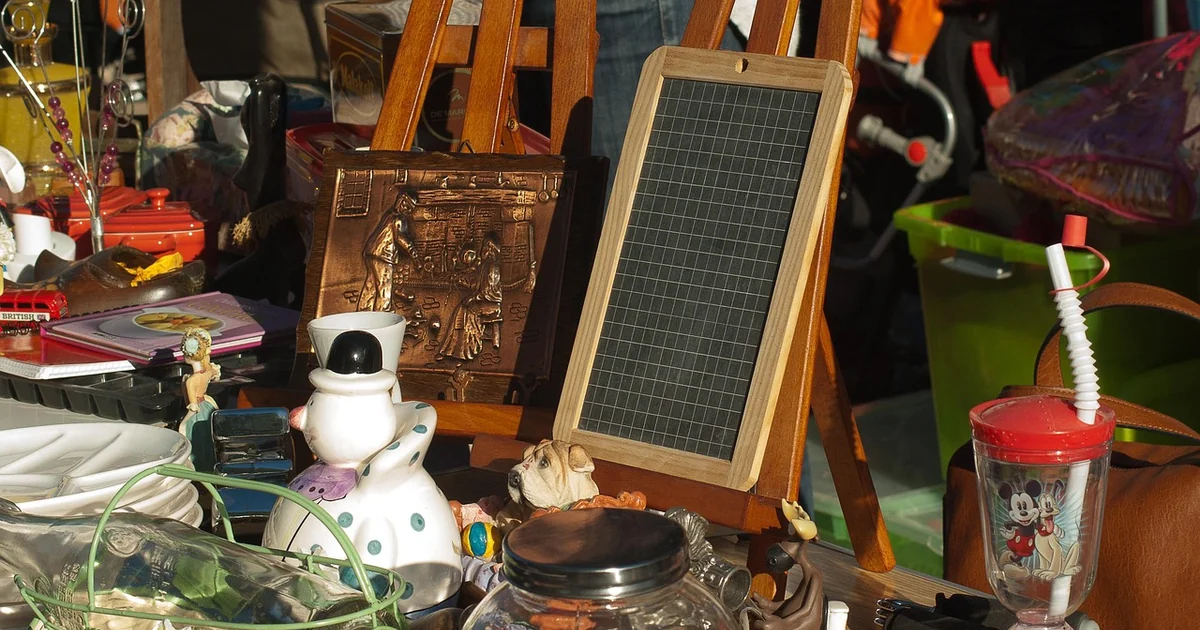
Frames are the unsung heroes of interior design. A beautiful frame can make a twenty-dollar print look like a gallery acquisition. Garage sales consistently offer frames with details you rarely see in modern stores. Danielle Chiprut, the founder of Danielle Rose Design Co., explains that frames “add instant character and soul to a space.” She searches for gilded and carved wood pieces specifically.
The beauty of a vintage frame lies in its versatility. You can drop in new artwork. You can layer several frames together into a gallery wall. You can even leave a frame empty and hang it as a sculptural object. The sculptural approach works especially well in entryways or above a console table.
How to Spot a Frame Worth Buying
Not every frame at a garage sale deserves a spot in your home. Look for solid wood construction first. Pressed wood or plastic frames rarely hold up well. Run your finger along the edges. Feel for carved details or ornate gilding. Check the corners for dovetail joints. Those joints indicate quality craftsmanship from an earlier era.
Damage is not always a dealbreaker. Minor scuffs and small chips can add to the patina. A layer of dust does not matter. What matters is structural integrity. If the frame holds together firmly, you can repaint it or regild it at home. A simple cleaning with a damp cloth and mild soap often restores years of neglect.
Repurposing Frames in Unexpected Ways
Designers rarely leave a frame exactly as they found it. They see potential where others see junk. A large frame can become a tray for a coffee table. Insert a piece of decorative paper or fabric behind the glass. Place candles or small objects on top. A cluster of small, mismatched frames can hang together in a grid. The variety of finishes adds depth without looking chaotic.
For renters, vintage frames solve a specific problem. Landlords often restrict painting or wallpaper. Frames let you bring color and texture to blank walls without permanent changes. You can lean them against walls or stack them on shelves. The effect reads as intentional and curated.
2. Artwork That Speaks to You — and Holds Surprising Value
Art is deeply personal. Noel Gatts, the founder of beam & bloom, says that “art is so personal that its value is completely in the eye of the beholder.” She encourages shoppers to buy whatever makes them smile. A piece that catches your eye at a garage sale might cost five dollars. That same piece could become a conversation starter in your living room for decades.
Beyond personal enjoyment, some garage sale art carries real monetary value. Original signed pieces occasionally appear in the most unlikely places. A painter who sold work at local craft fairs decades ago might have left behind signed prints. Those prints can be worth hundreds of dollars to collectors. The key is to check the back of the frame and the bottom corner of the artwork for signatures or edition numbers.
Original Art versus Prints: A Quick Guide
Many shoppers struggle to tell the difference between an original painting and a print. Here is a simple method. Run your finger gently across the surface. An original oil or acrylic painting will have textured brushstrokes. A print feels flat and smooth. Look at the edges of the canvas or paper. Originals often show paint bleeding slightly onto the edges. Prints have clean, uniform borders.
If you find a piece with a signature, take a photo of it. Search online when you get home. You might discover that the artist has a recognized body of work. Even unsigned pieces can be valuable if the style matches a known artist or school. Do not let uncertainty stop you from buying something you love. At garage sale prices, the risk is minimal.
Matting and Reframing as a Design Tool
Not every piece of art comes in a frame you love. That is fine. Designers often buy artwork solely for the image. They discard the original frame or matting. A fresh mat in a crisp white or deep charcoal can transform a tired print. New framing adds structure and polish. The total cost of the frame plus the artwork still stays well below retail gallery prices.
Consider grouping several small pieces together. A salon-style wall filled with found art creates a personal museum feel. Mix subjects freely — botanical prints next to abstract landscapes next to black-and-white photography. The unifying factor is your taste, not the genre.
3. Ceramic Vessels That Add Warmth and Patina
Mass-produced vases from big-box stores all look similar. They lack the uneven glaze and subtle imperfections that make ceramics interesting. Garage sales offer the opposite. Danielle Chiprut likes to search for pottery, ceramics, and bud vases at these sales. She explains that “the right piece can add warmth and patina to a room in a way that mass-produced decor simply can’t.”
Ceramic vessels serve many purposes beyond holding flowers. A stout ceramic jar works as a catchall for keys and sunglasses near the front door. A tall vase can stand alone on a console table as a sculptural statement. Small bud vases fit perfectly on bookshelves, nestled between stacked books. Each piece carries the marks of its making — slight asymmetry, variations in glaze thickness, tiny bubbles in the finish. Those marks are exactly what designers pay for.
What to Look for in Vintage Pottery
Check the bottom of every ceramic piece. Studio pottery often bears a maker’s mark or stamp. That mark can tell you the country of origin, the studio, and sometimes the specific artist. Japanese and Scandinavian pottery from the mid-century period is especially sought after. Even unmarked pieces can be beautiful, but a known maker adds collectibility.
Examine the glaze for crazing. Crazing is a network of fine cracks in the glaze surface. Some buyers avoid crazing because it can indicate age or stress. Many designers actually prefer it. The tiny lines add texture and prove the piece is genuinely old. As long as the ceramic body itself is not cracked or chipped, crazing is a feature, not a flaw.
Test the weight of a vessel in your hands. High-quality ceramics feel dense and substantial. Lightweight pieces are often mass-produced or poorly fired. The weight gives you an immediate sense of quality without needing any special knowledge.
4. Glassware That Brings Everyday Elegance Home
Glassware is one of the most practical categories for garage sale shopping. Noel Gatts looks specifically for depression glass, milk glass, and crystal pieces. She styles them in cabinets and on tables and consoles. The effect is refined without being fussy.
Depression glass originated during the 1920s and 1930s. Manufacturers produced it inexpensively, often giving it away as promotions. Today, collectors prize its delicate patterns and soft colors. Milk glass offers an opaque white finish that pairs well with both modern and traditional decor. Crystal pieces catch the light and add sparkle to a room.
Using Vintage Glassware in Modern Dining
You do not need a full matching set to use vintage glassware for dining. Mixing patterns and colors creates a relaxed, eclectic table setting. Use depression glass dessert plates for serving cake or cookies. Place milk glass tumblers next to modern water glasses. The contrast highlights both the old and the new.
You may also enjoy reading: 11 Secret Garden Ideas for Your Own Enchanting Retreat.
For everyday use, look for sturdy pieces without cracks or chips. A small chip on the rim of a serving bowl is acceptable if the bowl is decorative rather than functional. Pieces intended for food contact should have smooth, undamaged rims. Run your finger around the edge to check for roughness before buying.
Displaying Glassware as Decor
Glassware does not need to be hidden inside cabinets. A collection of clear glass bottles on a windowsill catches sunlight beautifully. Arrange them by height or color for a deliberate look. Milk glass pieces grouped on a tray create a cohesive vignette on a coffee table. Crystal goblets displayed on open shelving add elegance to a dining area.
Designers often use glassware to introduce texture without adding visual weight. Glass reflects light and keeps a space feeling open. That quality is especially useful in small rooms where bulky objects would feel oppressive.
5. Vintage Books That Fill Shelves with Character
Books are one of the most affordable ways to add depth to a room. Noel Gatts recommends looking for books based on their color palette. She says you can “make pretty stacks on tabletops or fill up shelves to add character.” The content matters less than the visual contribution.
A shelf filled with books of similar hues creates a calm, unified look. Stack three large books horizontally on a coffee table, then place a ceramic vase on top. The layered effect adds height and interest. Books also soften the hard lines of modern furniture. They introduce organic shapes and warm tones that balance cooler materials like glass and metal.
How to Choose Books for Decorative Purposes
Focus on spine color first. Look for clusters of books in tones that complement your existing palette. Earth tones like ochre, rust, and olive work well in warm spaces. Navy, charcoal, and cream suit cooler, more minimalist interiors. If you find a set of books with matching spines, grab all of them. Uniformity in color creates visual calm.
Check for musty smells before purchasing. Older books sometimes develop a mildew odor from damp storage. A faint musty smell can sometimes be aired out. A strong odor usually means the book is past saving. Open the cover and sniff the pages. Your nose will tell you instantly whether to pass or buy.
Beyond Shelves: Creative Uses for Vintage Books
Books do not have to stay on shelves. Stack them under a lamp to raise the shade to a better height. Use a tall stack as a pedestal for a small sculpture or plant. Line several books along a windowsill to add color. Arrange them on a bar cart to add visual weight and interest.
For readers who actually want to read their finds, garage sales offer incredible deals on older editions. Classic literature, cookbooks from the 1970s, and illustrated nature guides are common. The illustrations alone can be worth the purchase price. Cut out pages to frame as inexpensive art. The possibilities extend far beyond simply lining a shelf.
How to Turn Garage Sale Finds into a Cohesive Home
The challenge with buying individual pieces at different sales is making them work together. Designers solve this problem with a simple rule. Find a common thread. That thread might be color, material, or era. If all your frames have gold tones, they will feel connected even if their shapes differ. If your ceramic vessels all share a matte finish, they will unify a shelf.
Another strategy is to edit ruthlessly. You do not have to keep everything you buy. Take home a piece, live with it for a week, and decide if it earns its place. Donate or resell anything that does not feel right. A smaller collection of carefully chosen objects always looks better than a crowded assembly of random items.
Shopping at garage sales also aligns with sustainable living. Each piece you buy secondhand is one less item manufactured new. According to the Environmental Protection Agency, about 9.7 million tons of furniture and furnishings ended up in landfills in 2018 alone. Buying used reduces that waste. Your home gains character while the planet gains a break.
The next time you see a garage sale sign on a street corner, pull over. Walk through with an open mind and a trained eye. Look for frames with carved details, artwork that stirs something in you, ceramics with uneven glazes, glassware that catches the light, and books whose spines whisper a color story. These designer garage sale finds will transform your space without transforming your budget.