Transform Your Garden Border: 7 Quick Ideas to Revitalize Your Outdoor Space
The beauty of a garden border lies in its ability to frame your landscape, drawing the eye and creating a sense of order and serenity. But let’s be honest, sometimes a border can feel a little tired, a little…blah. You don’t need a full-scale renovation to inject some life and personality, though. Small, strategic changes – a few clever additions – can dramatically transform your garden border without starting from scratch. These seven quick ideas offer accessible ways to elevate your border’s design, adding visual interest, attracting beneficial wildlife, and creating a garden that truly reflects your style. We’ll explore everything from incorporating bug hotels to embracing xeriscaping principles, all while keeping the effort and cost manageable. Let’s dive in and discover how to breathe new life into your outdoor space – and, importantly, how to do it in a way that’s both rewarding and achievable.
Creating a stunning garden border is about more than just planting flowers; it’s about crafting a cohesive and inviting space. The principles of design – rhythm, repetition, layering – are incredibly powerful tools. By understanding and applying these concepts, even a small border can feel expansive and dynamic. And remember, a garden border is an evolving entity, a space that can be tweaked and adjusted over time to reflect your changing tastes and the seasons’ transformations. These ideas aren’t about rigid rules; they’re about sparking creativity and finding what works best for your garden.
1. Bring in Wildlife With a Bug Hotel
The decline in pollinator populations is a serious concern for gardeners, and creating a haven for bees, butterflies, and other beneficial insects is a fantastic way to contribute to a healthier ecosystem. A bug hotel provides nesting habitat and a source of pollen and nectar, essentially turning your border into a miniature wildlife sanctuary. The fact that these hotels can be incredibly simple to build or purchase – and often look quite stylish – makes this a particularly accessible improvement. We’re talking about something that adds a focal point, increases pollinator activity, and boosts the overall health of your garden.
Objective Fact: Research from the University of Sussex found that incorporating pollinator-friendly plants into your garden can increase the number of bee species visiting by up to 25%. That’s a tangible impact from a relatively small investment of time and resources. Furthermore, solitary bees, which are vital pollinators, often prefer simple, unadorned nesting sites, making a rustic bug hotel particularly appealing. They aren’t interested in elaborate, decorated boxes – they crave natural materials.
Mini Payoff: Increased pollinator activity, attracting beneficial insects, and adding a charming focal point to your border.
Specifics: You can build your own bug hotel using readily available materials like twigs, pine cones, terracotta pots, old bricks, and bamboo. Alternatively, you can purchase pre-made hotels online or at garden centers. Consider the orientation of your hotel – a south-facing location will benefit from more sunlight. Plant nectar-rich flowers nearby, such as lavender, salvia, and bee balm, to further encourage pollinators to visit. The average solitary bee needs about 1,000 nests to survive a year, so providing multiple nesting sites is key. Don’t forget to research the types of insects you want to attract to ensure the hotel’s design meets their needs – some prefer open cells, while others prefer enclosed spaces. A simple, well-constructed bug hotel can be a game-changer for your border and the local ecosystem.
Mini Hook: Quickly transform a bed with sculptural plants or climbing vines.
2. Use Rocks and Gravel to Create a Xeriscape Border
For gardeners in warmer climates, or those looking to reduce their water consumption, xeriscaping – using drought-tolerant plants and materials – is a smart and sustainable approach. A xeriscape border, incorporating rocks, gravel, and strategically placed plants, creates a visually appealing and low-maintenance space. It’s a beautiful way to embrace a dry garden aesthetic, offering a stunning contrast to lush, water-intensive borders. This isn’t just about saving water; it’s about creating a design that’s both stylish and resilient.
Objective Fact: Xeriscaping can reduce water usage by up to 50% compared to traditional lawn and garden landscapes, according to the EPA. This is a significant benefit, particularly in regions facing water scarcity. Furthermore, using rocks and gravel helps to improve drainage, preventing waterlogging and root rot – a common problem in poorly drained soil.
Mini Payoff: A visually appealing dry garden, reduced water consumption, and a more sustainable landscape.
Specifics: Start by assessing your soil type and selecting plants that are well-suited to your climate and conditions. Native plants are often the best choice, as they are already adapted to the local environment. Consider using different sizes and textures of rocks and gravel to create visual interest. Add pops of color with drought-tolerant flowers like echinacea, salvia, and sedum. Don’t forget to incorporate structural elements like boulders and driftwood to add depth and dimension. Layering the materials – using larger rocks as a base, smaller gravel for pathways, and individual plants for pops of color – is key to creating a balanced and dynamic design. The key is to create a space that feels natural and inviting, even in its dryness.
Mini Hook: Repeat existing perennials for a bolder border.
3. Shape Border Edges With Soft Curves
Sharp, angular borders can feel harsh and restrictive. Conversely, curved landscaping softens the appearance of a garden, making it feel larger and more inviting. The principle of curved landscaping is based on the way the human eye perceives space – curves create a sense of depth and movement, while straight lines can feel static and confining. Incorporating gentle curves into your border design can dramatically improve the overall aesthetic and create a more harmonious landscape.
Objective Fact: Studies in visual perception have shown that curved lines are perceived as being further apart than straight lines of equal length. This is because our brains interpret curves as having a greater visual “reach.” This seemingly subtle effect can have a significant impact on the overall impression of a garden.
Mini Payoff: A softer and more organic border, a larger-feeling garden, and a more harmonious landscape.
Specifics: You don’t need to create dramatic, sweeping curves. Even subtle changes – rounding the corners of your border, using flowing planting beds – can make a difference. Consider incorporating curved pathways or stepping stones to further enhance the sense of movement. Pairing curved edging with relaxed planting styles – such as overflowing perennials and cottage-style plants – will amplify the effect. Adding a winding path takes you through the different curved borders so you can appreciate the flowers up close. The big-leaved ornamental rhubarb (Rheum palmatum) together with graceful fern fronds anchor the planting by adding structure, while dark blue iris, pale blue campanula, and pink anemone multifada add graceful touches throughout the border. A gentle curve is often more visually appealing than a rigidly defined edge.
4. Achieve a Naturalistic Vibe With Pale Blooms
Naturalistic borders often mimic the appearance of wild meadows or woodland settings, characterized by a mix of textures, colors, and heights. Pale blooms – whites, creams, pale pinks, and lavenders – are a key element of this aesthetic, creating a sense of tranquility and blending seamlessly into the surrounding landscape. They evoke the feeling of a natural, untouched border, adding a touch of elegance and understated beauty. This approach moves away from the more formal, manicured styles and embraces a more relaxed, organic look.
Objective Fact: Pale colors tend to reflect more light than dark colors, creating a brighter and more airy feel. This is particularly beneficial in shady border areas, where pale blooms can help to maximize the available light.
Mini Payoff: A calming and harmonious border, a visually appealing aesthetic, and a connection to nature.
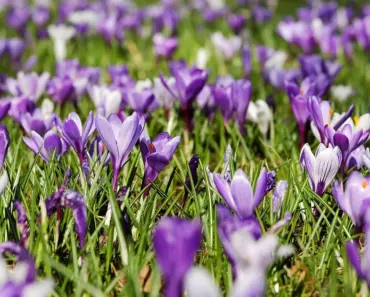
Specifics: Choose plants with pale flowers, such as lilies of the valley, primroses, forget-me-nots, and white hydrangeas. Mix in foliage plants with light-colored leaves to create visual interest. Consider incorporating grasses and ferns to add texture and movement. Avoid using overly bright or bold colors, which can disrupt the naturalistic feel. A naturalistic border should appear as though it has evolved organically over time, rather than being deliberately designed. The key is to create a sense of effortless beauty – a border that looks like it’s simply being rather than doing.
You may also enjoy reading: 7 Expert Spring Garden Layouts for the Southwest.
5. Use Planted Containers as Statement Features
Containers can transform a border, adding pops of color, texture, and height. Instead of simply planting directly into the ground, using containers as statement features allows you to create focal points and introduce a more contemporary element to your border design. They’re also incredibly versatile – you can easily change the plants in your containers to reflect the seasons or your personal style. A few strategically placed containers can instantly elevate the look of your entire border.
Objective Fact: The size and shape of containers can significantly impact the visual impact of your border. Larger containers create a more dramatic statement, while smaller containers can be used to add subtle accents. The color of the container itself can also influence the overall aesthetic – a terracotta pot will create a rustic feel, while a sleek, modern container will add a touch of sophistication.
Mini Payoff: A stylish and impactful garden design, versatility, and the ability to change the look of your border seasonally.
Specifics: Choose containers that complement your border’s overall style. Consider using a mix of sizes and shapes to add visual interest. Plant a variety of plants in each container – include flowers, foliage, and even herbs – to create a layered effect. Don’t be afraid to experiment with different combinations of plants. Move your containers around periodically to refresh the look of your border. A container planting can be a breathtaking focal point in a border – especially when placed strategically to create a dynamic contrast with the surrounding plantings. It’s a relatively inexpensive way to inject a lot of personality into your outdoor space.
6. Layer Planting to Create Depth
A shallow, narrow border can feel flat and lifeless. Layering planting – arranging plants of different heights, textures, and colors in a stepped fashion – creates depth and dimension, making the border appear wider and more inviting. This technique mimics the natural layering found in woodlands and meadows, adding a sense of realism and visual complexity. It’s about creating a sense of movement and perspective, drawing the eye deeper into the border.
Objective Fact: Plants in the foreground are often viewed at their closest point, while plants in the background are viewed from a distance. By layering plants strategically, you can create the illusion of greater depth.
Mini Payoff: A visually appealing flower garden border, enhanced depth and dimension, and a more dynamic landscape.
Specifics: Start with a backdrop of taller plants, such as shrubs or perennials. Add mid-level plants in the middle of the border, and then finish with shorter plants in the foreground. Vary the textures and colors of the plants to create visual interest. Consider using a mix of groundcovers, ferns, and grasses to add a naturalistic feel. The key is to create a sense of progression – a border that invites you to explore and discover new layers of plants. Planting in layers is one of the easiest solutions to the question of how to create an eye-catching flower garden border.
7. Add a Bug Hotel to Attract Pollinators
As we’ve already touched on, attracting pollinators to your garden is incredibly beneficial, not just for the bees and butterflies, but also for the overall health of your ecosystem. A bug hotel provides a safe and welcoming habitat for these vital creatures, and it’s a relatively simple project to undertake. Creating a mini-ecosystem within your border will not only add beauty but also contribute to a thriving garden.
Objective Fact: The average bee needs about 1,000 nests to survive a year, so providing multiple nesting sites is key to supporting bee populations. Bug hotels offer a readily available source of nesting habitat, helping to ensure the survival of these important pollinators.
Mini Payoff: A stronger and bolder border, increased pollinator activity, and a contribution to a healthy ecosystem.
Specifics: You can build your own bug hotel using readily available materials like twigs, pine cones, terracotta pots, old bricks, and bamboo. Alternatively, you can purchase pre-made hotels online or at garden centers. Consider the orientation of your hotel – a south-facing location will benefit from more sunlight. Plant nectar-rich flowers nearby, such as lavender, salvia, and bee balm, to further encourage pollinators to visit. Remember to research the types of insects you want to attract to ensure the hotel’s design meets their needs.
We hope these seven quick ideas inspire you to transform your garden border into a stunning and inviting space. Remember, small changes can make a big difference, and even the most basic border can be elevated with a little creativity and planning. Happy gardening!