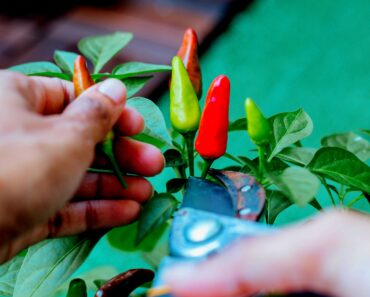
This approach to gardening is wonderfully accessible, proving that you don’t need a sprawling yard to enjoy fresh herbs, flowers, or even vegetables. In fact, small space gardening can be incredibly rewarding, turning even the tiniest nook into a lush, productive patch. If you’re new to growing, a beginner container garden is a perfect way to start, and a patio garden can be as simple as a few pots lined up by the door.
Nicole Burke, known as @Gardenaryco, has a following of over a million on Instagram, and she often shares how small plants can turn into big harvests in containers. Her insight reminds us that you don’t need much space to get impressive results. This article covers seven easy container gardening ideas that are perfect for beginners, each one designed to help you grow something beautiful or delicious without frustration. (Note: Dengarden and Yahoo may earn commission from links in this article.)
1. Potatoes in Containers – A Fun and Rewarding Crop
If you think growing potatoes requires a big garden patch, think again. These humble spuds thrive in pots, making them one of the most satisfying container gardening ideas for anyone who wants to try their hand at growing potatoes in pots. The process is straightforward and feels almost magical as you watch the plants grow taller and then dig up your own harvest.

Container Size and Soil for Potatoes
Choose a container that is at least 12 inches deep with good drainage holes. A large bucket, a fabric grow bag, or even a sturdy plastic bin works perfectly. Fill it with loose, rich soil mixed with compost to give your potatoes a nutrient-rich start. Avoid using old or diseased soil from previous plants. For container potato gardening, the key is to plant seed potatoes about four inches deep, then add more soil around the stems as they grow — a technique called hilling. This encourages more tubers to form along the buried stems.
Watering and Sunlight Needs
Potatoes need consistent moisture but not soggy conditions. Water when the top inch of soil feels dry, and ensure your container drains well to prevent rot. Place your pot in a spot that gets at least six hours of sunlight daily. With just a little care, you will enjoy a rewarding crop that proves easy vegetables for beginners can be both delicious and fun to grow. Harvest time is a delight for the whole family.
2. Garlic – Overwinter in Containers for a Spring Harvest
After the joy of harvesting your first vegetables, you might be looking for another container gardening idea that works through the colder months. Garlic is one of the easiest crops to grow in containers, and it can survive the winter with minimal care. This means you can plant it in fall and look forward to a spring harvest with very little effort. It’s a perfect project for families who want to keep gardening even when the weather turns chilly.
Best Time to Plant Garlic in Containers
For successful winter container gardening, timing is everything. Plant individual garlic cloves in the fall, about four to six weeks before the ground freezes in your area. Choose a container that is at least 8 inches deep to give the roots room to grow. Use a well-draining potting mix and place the cloves pointy side up, about 2 inches deep. Space them a few inches apart so each bulb has room to develop. Water lightly after planting, then let the rain take over.
Overwintering Care
Once planted, your garlic needs a little protection to survive the cold. Growing garlic in pots requires a good layer of mulch—straw, shredded leaves, or even dry grass clippings work well. Spread it about 4 inches thick over the soil surface. This insulates the bulbs and keeps the soil temperature steady during freezing and thawing cycles. Place the container in a spot that gets some winter sun but is sheltered from harsh winds. In spring, as the soil warms, you will see green shoots emerge. Remove the mulch gradually, and soon you will be harvesting your own homegrown garlic. It’s one of the simplest fall planting containers projects you can try, and it rewards you with a delicious, homegrown crop.
H2: 3. Herbs – The Ultimate Container-Friendly Plants
If you’re a container gardener, herbs are the most rewarding and versatile plants to grow. They fit perfectly into your container gardening ideas because they thrive in small spaces and deliver fresh flavor right to your kitchen. Burke’s favorite thing to grow in containers is herbs, and for good reason—they are low-maintenance and quick to reward your care. Basil, mint, parsley, and chives are among the best herbs for containers; they adapt well to pots and don’t need much room to flourish. For an easy herb garden, place your containers in a sunny spot, like a windowsill or patio, where they can soak up at least six hours of light daily. Water them when the soil feels dry to the touch, and you will have a steady supply of aromatic leaves. This makes indoor herb gardening a breeze, even for beginners.
Which Herbs Grow Best in Containers
Not every herb loves a pot, but many do. Stick with compact varieties like basil, mint, parsley, and chives, which stay manageable and produce abundantly. These best herbs for containers also tolerate being crowded, so you can plant a few together in one larger container. Avoid sprawling herbs like dill or fennel unless you have deep pots, as their roots need more space. For a truly easy herb garden, choose herbs you use often in cooking—this way, you will enjoy harvesting them regularly.
Care Tips for Container Herbs
Caring for container herbs is simple. Use a pot with drainage holes to prevent waterlogged roots, and fill it with a light potting mix. Place your containers in that sunny spot, and water only when the top inch of soil feels dry—overwatering is a common mistake. Pinch off the tops of basil and mint to encourage bushier growth, and you will have a thriving indoor herb gardening setup. With these tips, your herbs will stay healthy and productive all season long.
4. Green Onions – Regrow from Kitchen Scraps
Now that you have a flourishing herb garden, you can apply that same resourceful mindset to another kitchen staple. You don’t even need seeds to start green onions – just save the root ends from grocery store produce. This is one of the simplest container gardening ideas for anyone who wants to cut down on food waste and enjoy a nearly endless supply of fresh scallions.
To begin, place the white root ends (about an inch long) in a shallow container with enough water to cover the roots. Change the water every couple of days to keep it fresh. Within a week, you will see new green shoots emerging from the top. Once the roots are about an inch long, transplant them into a small pot filled with potting soil. Keep the container on a sunny windowsill and water regularly. You can start harvesting the green tops in just a few weeks by snipping what you need. The plant will continue to regrow, giving you multiple harvests. This is a perfect introduction to kitchen scrap gardening and shows how easy it can be to regrow vegetables from scraps.
5. Strawberries in Stackable Planters – A Space-Saving Trick
If you’ve enjoyed regrowing vegetables from scraps, why not try your hand at growing fruit? Strawberries are a perfect container fruit, and stackable planters from Dollar Tree make the most of vertical space. This container gardening idea is especially clever for small patios or balconies, because it turns a tiny footprint into a productive strawberry patch. You can enjoy fresh berries without needing a full garden bed.
How Stackable Planters from Dollar Tree Work
These affordable planters come in stackable tiers, each with openings for planting. They let you create a vertical strawberry planter that grows multiple levels of fruit in one column. It’s a classic Dollar Tree garden hack that saves space and looks tidy. To make it work, ensure every tier has drainage holes or add your own. Fill each section with a quality potting mix, and plant one or two strawberry starts per pocket. The result is a lush, cascading stackable container garden that’s both practical and pretty.
Care for Container Strawberries
Strawberries need full sun — at least six hours daily — and consistent moisture. Water when the top inch of soil feels dry, but avoid soggy roots. Feed with a balanced fertilizer every few weeks during the growing season. Trim off runners to keep energy focused on fruit production. With this setup, you’ll have a steady supply of sweet berries all summer. It’s one of the most rewarding container gardening ideas for fruit lovers.
6. Peppers – Perfect for a One-Foot Planter
After the sweet success of strawberries, it’s time to spice things up with peppers. Peppers are compact, colorful, and incredibly productive in containers. They fit perfectly into a one-foot planter, making them one of the most versatile container gardening ideas for anyone who loves fresh vegetables. Whether you prefer bell peppers for salads or hot varieties for a kick, growing peppers in containers is straightforward and rewarding.
Recommended Container Size for Peppers
For the best results, choose a container that is about a foot in diameter. That provides enough room for the roots to spread while keeping the plant compact and easy to manage. Make sure the pot has drainage holes to prevent waterlogged soil, which can harm the roots. With the right size, you can easily grow peppers on a patio, balcony, or even a sunny windowsill. Compact pepper varieties are especially suited to this size, as they stay bushy and don’t require staking or extra support.
Sunlight and Watering Needs
Peppers love the sun. Place your container where it will receive full sunlight for most of the day—ideally six to eight hours. Consistent watering is key: keep the soil evenly moist but not soggy, as peppers are sensitive to both drought and overwatering. Using a quality potting mix helps retain moisture and provides the nutrients they need. This simple routine fits naturally into container vegetable gardening and rewards you with a colorful harvest of sweet, spicy, or mild peppers all season long.
H2: 7. Sweet Potatoes – Follow Up After a Potato Harvest
After you’ve enjoyed your pepper harvest, consider trying sweet potatoes in your container garden. These heat-loving vegetables thrive in containers and make an excellent follow-up crop after a potato harvest. This is a practical approach to succession planting containers, allowing you to make the most of your growing space throughout the season. If you’re looking for adaptable container gardening ideas, sweet potatoes offer a rewarding option that extends your harvest window into warmer months.
For successful growing sweet potatoes in pots, choose a container at least 12 inches deep with loose, sandy soil that drains well. Plant slips after the last frost has passed and the soil has warmed up. Sweet potatoes need plenty of warmth to develop, so position your container in a sunny spot. Harvest them before the weather turns cold to ensure the best flavor and storage quality. This warm season container gardening approach gives you a second round of homegrown produce from the same container, making your gardening efforts even more productive.
Frequently Asked Questions
How do you start a container garden on a small balcony?
Begin by choosing a sunny spot and picking containers with drainage holes. Use a lightweight potting mix rather than garden soil to keep the weight manageable. Start with a few low-maintenance plants like herbs or leafy greens, which thrive in small spaces and provide a practical, budget-friendly introduction to container gardening ideas.
What is the difference between potting soil and potting mix for containers?
Potting soil often contains garden soil, which can compact in containers and hinder drainage. Potting mix is a soilless blend of materials like peat moss, perlite, and vermiculite, designed to stay light and airy. For all container gardening ideas, a good potting mix supports healthy root growth and prevents waterlogging.
Can you grow vegetables in containers without a lot of sunlight?
Yes, many leafy vegetables like lettuce, spinach, and kale tolerate partial shade. They need only a few hours of indirect light each day to produce a steady harvest. For best results, choose compact varieties and place containers where they catch morning sunlight, a common concern that these container gardening ideas address simply.