Bonsai is living sculpture. Each miniature tree tells a story of patience, artistry, and the relationship between human hands and nature. The species you choose shapes every aspect of that story — from how often you water to the style you can create. Some varieties forgive beginners’ mistakes. Others reward experienced growers with stunning flowers or dramatic bark. Below are 19 distinct bonsai tree types worth considering for your collection. Each one offers unique characteristics, care requirements, and aesthetic possibilities.
Popular Bonsai Tree Types for Beginners
If you are just getting started growing and training bonsai, certain species make the learning curve far gentler. These trees tolerate pruning errors, inconsistent watering, and the occasional wiring mishap. They also adapt well to indoor environments.
Juniper (Juniperus spp.)
Junipers are the most recommended species for beginners because they handle heavy pruning with ease. Their flexible branches respond well to wiring, making them ideal for practicing shaping techniques. These evergreen conifers thrive outdoors year-round in most climates. They need plenty of sunlight and well-draining soil. One caution: junipers do not recover from severe underwatering because their foliage turns brown slowly. Check the soil weekly during growing season. The foliage’s scale-like texture adds visual interest even in winter.
Ficus (Ficus retusa / Ficus microcarpa)
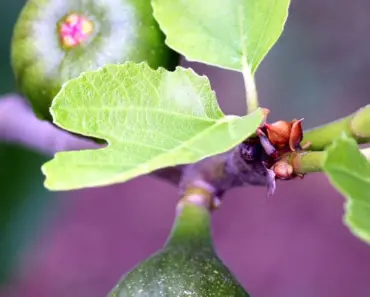
Ficus is one of the most common indoor bonsai tree types for good reason. It tolerates low light, dry air, and inconsistent watering better than almost any other species. If you have killed houseplants by overwatering in the past, ficus gives you a second chance. Its aerial roots and glossy leaves create a tropical look. You can shape it into formal upright, informal upright, or broom styles. Ficus grows quickly, so you see results from your pruning efforts within weeks. Place it near a bright window but out of direct afternoon sun.
Japanese Red Maple (Acer palmatum)
The Japanese red maple offers vibrant seasonal color and is surprisingly forgiving for a delicate-looking tree. It tolerates pruning mistakes because new buds emerge even from older wood. This species demands consistent moisture — dry soil leads to leaf scorch quickly. Place it outdoors in partial shade to protect its leaves from harsh sun. The tiny leaves naturally stay small, reducing the need for defoliation work. Fall color transforms from green to fiery orange or deep red. It is an affordable choice for beginners who want a deciduous species.
Chinese Elm (Ulmus parvifolia)
Chinese elm is the most versatile bonsai tree types for learning pruning techniques. It thrives both indoors and outdoors, adapting to a wide range of conditions. Its small leaves, fine branch structure, and attractive flaking bark make it a classic choice. You can train it in almost any style — formal upright, slanting, cascading, or windswept. Chinese elm resists pests better than many other species. It needs regular watering but recovers quickly if you miss a day. This tree is an excellent candidate for learning how to develop ramification (fine branch division).
Indoor Bonsai Tree Types for Low-Light Spaces
Not every home gets abundant sun. If you live in a small apartment with limited natural light, these species can survive and even thrive indoors with minimal fuss.
Jade Plant (Crassula ovata)
Jade plants are succulents, so they store water in their thick stems and leaves. This makes them nearly impossible to kill from underwatering. They need bright light but handle lower light better than many tropicals. The trunk thickens quickly, giving the tree an aged appearance within a few years. Jade plants are not traditional bonsai but respond well to pruning and wiring. Their tiny white flowers appear in winter if conditions are right. Keep the soil dry between waterings and provide at least four hours of indirect sunlight daily.
Fukien Tea (Carmona retusa)
Fukien tea produces small white flowers and red berries, adding year-round interest. It is one of the few indoor bonsai tree types that flowers reliably. The leaves are small, dark green, and glossy. This tree needs consistent warmth and humidity — misting the foliage helps during dry winter months. Place it in a bright location but avoid drafts. Prune back new growth to maintain shape. Fukien tea responds well to wiring but the branches are brittle, so work carefully.
Serissa (Serissa foetida)
Serissa is known as the tree of a thousand stars because of its tiny white blossoms that appear repeatedly during warm weather. It is a subtropical species that does well indoors with good light. The bark turns rough with age, adding character. Serissa can be temperamental — it drops leaves if moved or overwatered. But once settled, it is rewarding. Keep the soil evenly moist but not soggy. Use a shallow pot to restrict root growth and encourage flowering.
Hawaiian Umbrella (Schefflera arboricola)
This tropical broadleaf evergreen is incredibly forgiving. It thrives in low light, tolerates missed waterings, and grows leggy branches that can be pruned hard. The leaves are compound, giving the tree a full canopy. Hawaiian umbrella plants are great for practicing broom and informal upright styles. They do not need a winter dormancy period, making them ideal for constant indoor cultivation. Fertilize monthly during the growing season to encourage dense foliage.
Outdoor Bonsai Tree Types for Traditional Japanese Styles
Outdoor species experience natural seasons, producing stronger growth, better colors, and more authentic aging. These trees require protection from extreme cold or heat but reward you with authentic bonsai character.
Japanese Black Pine (Pinus thunbergii)
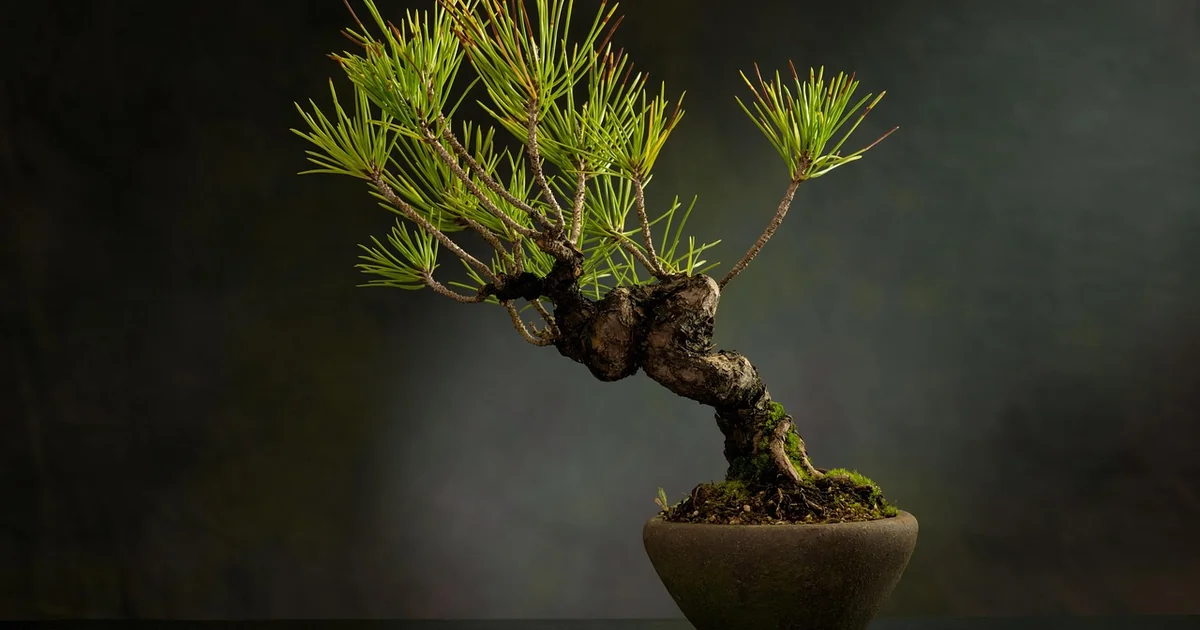
Japanese black pine is the quintessential bonsai species for traditional masculine styles. Its rugged bark, stiff needles, and irregular growth habit create dramatic shapes. The tree needs full sun and excellent drainage. It is famous for surviving coastal winds and poor soil. You can create jin (deadwood) and shari (exposed trunk) features naturally. Needle reduction techniques (cutting candles in spring) produce tighter foliage pads. This species requires patience — it takes years to develop fine ramification.
Japanese Wisteria (Wisteria floribunda)
Wisteria bonsai produces cascading clusters of fragrant flowers in spring. It is one of the few species that can bloom in a shallow pot. The trunk twists and thickens dramatically with age. Wisteria needs full sun and a cold winter dormancy to set flower buds. Prune back the long vines after flowering to maintain the bonsai shape. This tree is not for beginners because it requires precise pruning and constant training. The reward is stunning — a cascade of lavender blooms that last for weeks.
Crabapple (Malus spp.)
Crabapple offers both flowers and miniature fruit, making it a favorite for seasonal display. The flowers appear in pink or white in spring, then small apples develop in late summer. Leaves are small and easily reduced through pruning. Crabapple needs full sun and well-draining soil. It attracts birds and bees, adding wildlife interest. The fruit persists into winter if not stripped. Choose a dwarf cultivar for the best scale. Regular pruning after flowering keeps the canopy open.
Flowering Quince (Chaenomeles japonica)
Flowering quince blooms in early spring before the leaves emerge. Its bright orange, red, or pink flowers appear directly on the bare wood. The bark is rough and textured, giving an ancient appearance. This species is tough — it tolerates heavy pruning and poor soil. The thorns add character but require caution when wiring. Flowering quince needs a cold winter period to set buds. After flowering, prune back to two leaves on each shoot. New growth produces next year’s buds, so do not prune too late in summer.
Non-Flowering Evergreen Bonsai Tree Types for Year-Round Structure
Evergreens maintain their foliage throughout the year, providing consistent shape and texture. They are excellent for formal gardens and display areas where constant greenery is desired.
Spruce (Picea spp.)
Spruce species, particularly dwarf Alberta spruce, are popular for pyramid-shaped bonsai. Their short needles and dense growth create a formal look. Spruce requires full sun and cool temperatures — it does not thrive in hot climates. The branches are somewhat brittle, so wire in spring when they are flexible. Spruce needles burn if the soil dries out. This species is great for practicing the formal upright style. It needs winter protection in zones above 6b because shallow roots freeze quickly.
Boxwood (Buxus sempervirens)
Boxwood is a classic garden shrub that works beautifully as bonsai. Its tiny leaves, dense growth, and tolerance of heavy pruning make it ideal for clip-and-grow styles. Boxwood prefers partial shade, especially in hot afternoons. It is one of the few bonsai tree types that can handle root pruning at almost any time. The bark becomes corky with age. Boxwood is slow-growing, so the shape holds for months. Use scissors for fine trimming rather than wires, which can damage the bark.
You may also enjoy reading: 5 Easy Bug Fan Hacks for Your ALDI Backyard.
Chinese Juniper (Juniperus chinensis)
Chinese juniper is different from the common juniper because it has both scale-like and needle-like foliage on the same tree. This allows for more varied texture. It is one of the most popular species for creating deadwood features like jin and shari. Chinese juniper grows vigorously in full sun and tolerates poor soil. The branches are flexible enough for wiring into dramatic cascades. This species is the preferred choice for advanced bonsai artists who want to create windswept or slanting styles.
Olive (Olea europaea)
Olive trees are ancient symbols of peace and longevity. Their silver-green leaves and gnarled trunks create an instant aged appearance. Olive bonsai need full sun and excellent drainage. They are drought-tolerant once established. The small white flowers produce olives in fall if you hand-pollinate. Olives are evergreen in mild climates but may drop leaves if temperatures drop below freezing. Their hard wood resists splitting during wiring. This species is perfect for Mediterranean-style bonsai displays.
Flowering and Fruiting Bonsai Tree Types with Seasonal Charm
These species bring bursts of color and interest throughout the year. They require a bit more attention but offer spectacular rewards.
Azalea (Rhododendron spp.)
Satsuki azaleas are the classic flowering bonsai in Japan. They produce masses of flowers in late spring, often with multiple colors on one plant. Azaleas need acidic, moist soil and partial shade. Do not let the roots dry out completely — they are sensitive to drought. After flowering, prune immediately because next year’s buds form soon after. Azaleas are shallow-rooted and can live in small pots for years. The tiny leaves can be further reduced by pruning. This species is a must for anyone wanting a bright seasonal display.
Bougainvillea (Bougainvillea glabra)
Bougainvillea is famous for its vibrant bracts (modified leaves) that surround tiny white flowers. The colors range from magenta to orange to white. This tropical shrub needs full sun and warmth — it will drop leaves if kept below 50°F. It tolerates drought once established. Bougainvillea branches are flexible but have thorns, so handle carefully. Prune hard after flowering to maintain shape. The trunk thickens quickly, giving the tree a mature look. This bonsai is excellent for cascading and semi-cascading styles.
Sweet Plum (Sageretia theezans)
Sweet plum, also called bird plum, is a small leaved species native to China. It produces tiny white flowers followed by purple berries. The bark is distinctive — it flakes in patches, revealing creamy inner bark. Sweet plum needs bright indirect light and consistent moisture. It is one of the more forgiving indoor flowering species. The leaves naturally stay small, reducing the need for defoliation. This tree is gaining popularity among bonsai enthusiasts who want something beyond the usual species.
Bonsai Soil Mix: Why It Matters for All Bonsai Tree Types
Most trees grown as a bonsai perform best in a specialized soil mix. Regular potting soil compacts too quickly in shallow pots, suffocating roots. A proper bonsai mix balances drainage, water retention, and aeration. The standard recipe consists of roughly 50% hard Japanese akadama (a fired clay mineral), 25% pumice, and 25% black lava rock, with small additions of horticultural grit or pine bark for organic content. Akadama breaks down slowly over a couple of years, releasing minerals. Pumice holds air pockets and retains some moisture. Lava rock provides weight and sharp drainage. This mix allows roots to breathe while holding enough water between waterings.
Not all bonsai tree types need the exact same mix. Conifers like juniper prefer a coarser, faster-draining blend with less organic material. Deciduous species like Japanese red maple benefit from slightly more water-retentive mix, so you can increase the akadama proportion. Tropical indoor species may need a finer mix with small amounts of peat or coco coir. The key is to ensure the soil never stays soggy. If you are unsure, start with a standard 1:1:1 blend and adjust based on how your tree responds.
Common Mistakes and How to Avoid Them With Any Bonsai Tree Type
Overwatering
New growers often water their bonsai every day out of love. But most bonsai need watering only when the top inch of soil dries out. Stick a chopstick into the soil; if it comes out damp, wait. The shallow pot’s drainage holes are your best friend — never let your tree sit in a tray of standing water.
Wrong Light Placement
Indoor species like ficus and jade can survive in moderate light, but outdoor species like pine and juniper need full sun. Matching the light to the species prevents weak growth. If you cannot provide outdoor space, choose species known to adapt indoors.
Incorrect Pruning Timing
Deciduous trees should be pruned in late winter while dormant. Evergreens can be trimmed in early spring. Heavy pruning during active growth can stress the tree. Always use sharp, clean tools to prevent infection.
Neglecting Dormancy
Many outdoor species require a cold rest period during winter. Bringing them indoors into warm rooms confuses their cycle and weakens them. Provide a protected area like an unheated garage or cold frame where temperatures stay between 20°F and 45°F.