The Serene Palette of Blue and Purple Spring Flowers
After a long and snowy winter in Pennsylvania, the garden comes alive with a quiet energy. The first blooms arrive in shades of blue and purple, creating a calm and layered landscape. Dot Lenahan, gardening in Broomall, Pennsylvania (Zone 7b), knows this rhythm well. Her garden has weathered snow, hungry rabbits, and persistent deer.
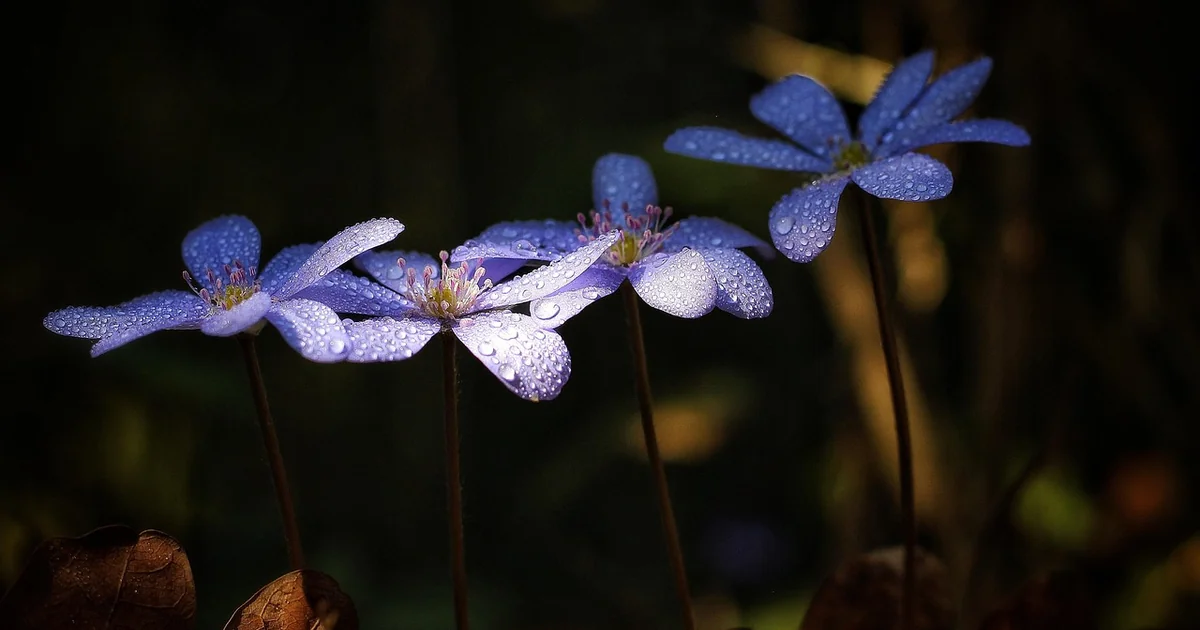
Dot first shared her garden with the world just a few years ago. At that time, her garden was only three years old, but it already held impressive color and structure. Since then, she has rebuilt many beds and added two new areas dedicated to perennials and cutting flowers. Her dog Jack patrols the property, chasing rabbits and scouting for deer. Despite losing two rose bushes to hungry rabbits, Dot’s blue and purple theme continues to thrive.
For gardeners who face similar challenges—cold winters, wildlife, and limited space—a focused color palette can simplify planning and maximize visual impact. This article explores five standout blue and purple spring flowers that shine in Dot’s garden, along with practical advice for growing them in your own space.
1. Verbascum: Tall Spires of Soft Purple
Verbascum, often called mullein, brings vertical structure to the garden. In Dot’s beds, a lovely verbascum arches gracefully over surrounding plants. Its tall flower spikes carry soft purple blooms that last for several weeks in late spring. Verbascum thrives in well-drained soil and full sun, making it a reliable choice for Zones 5 through 8. It self-seeds moderately, which means you may find new volunteers in unexpected spots—a happy surprise in a blue-purple theme.
One challenge with verbascum is its tendency to become leggy if grown in too much shade. Plant it where it receives at least six hours of direct sunlight. You can also stake the taller varieties if your garden experiences strong winds. Dot’s verbascum arches naturally, adding a gentle, informal look to her formal color scheme.
2. Allium: Globe-Shaped Purple Orbs
Allium, the ornamental onion, produces spherical flower heads in shades of purple and violet. Dot’s “add-on” garden features allium bulbs that rise above lower perennials like a burst of fireworks. These bulbs bloom from late spring into early summer, bridging the gap between early tulips and summer perennials. Allium is also deer-resistant, which matters greatly in Dot’s garden where deer are constant visitors.
Plant allium bulbs in autumn about 4 to 6 inches deep and spaced 6 to 8 inches apart. They prefer full sun and tolerate dry soil once established. The dried flower heads persist after blooming, adding architectural interest even as the petals fade. For continuous color, combine smaller allium varieties (like ‘Purple Sensation’) with taller types such as ‘Globemaster’.
3. Larkspur: Bright Blue Spikes That Glow
Larkspur is a classic annual that reseeds freely, earning its place in Dot’s cutting garden. A bright blue larkspur glows against her greens, catching the morning light. Larkspur prefers cool weather, so sow seeds directly in the garden in early spring as soon as the soil is workable. The plants grow quickly into tall spikes covered in florets of intense blue.
Larkspur can be finicky about soil moisture. Too much water causes root rot, while drought stunts growth. Aim for evenly moist, well-drained soil. Once the plants are established, they tolerate light frost. To encourage self-seeding for next year, leave some flower stalks to drop seeds. This low-maintenance habit makes larkspur ideal for gardeners who want reliable blue purple spring flowers without annual replanting.
4. Clematis: Vines of Purple and Lavender
Clematis vines are the climbing stars of Dot’s garden. She grows several varieties, including the beloved ‘Nelly Moser’ clematis. This large-flowered clematis blooms in late spring with pale mauve petals and a striking dark pink stripe down each sepal. As Dot notes, “You can see, there is a purple/blue theme going on!” The ‘Nelly Moser’ clematis is hardy in Zones 4 through 8 and thrives when its roots are shaded and its leaves reach into full sun.
Clematis requires sturdy support—a trellis, fence, or arbor works well. Plant the crown 3 to 4 inches below the soil surface to protect it from diseases and winter cold. Mulch around the base to keep roots cool. Dot’s clematises have emerged from a snowy winter with vigor, rewarding her with abundant buds. For a continuous blue-purple theme, pair early-flowering clematis with later-blooming perennials like phlox and dianthus.
5. Dianthus (Pinks) and Phlox: Low-Growing Carpets of Color
Dot’s garden features Dianthus gratianopolitanus ‘Bath’s Pink’ alongside phlox. These low-growing perennials create a carpet of soft pink and lavender tones that blend into the blue-purple scheme. ‘Bath’s Pink’ offers fragrant, fringed petals that bloom for several weeks in late spring. Phlox, particularly creeping phlox (Phlox subulata), spills over edges and rocks, adding texture and color.
Dianthus prefers full sun and alkaline soil with good drainage. A spring application of balanced fertilizer encourages more blooms. Phlox, on the other hand, adapts to a wider pH range and tolerates some afternoon shade in hot climates. Both plants are excellent for edging beds or filling gaps between taller spring bulbs. Their compact habit also makes them less attractive to rabbits and deer—a practical benefit for Dot’s garden.
Overcoming Garden Challenges: Deer, Rabbits, and Harsh Winters
Dot’s garden faces real adversaries. Rabbits have eaten two rose bushes down to the ground. Deer visit constantly, and her dog Jack patrols day and night. Yet the blue and purple spring flowers persist. Why? Because many of the plants in a blue-purple palette are naturally less appealing to wildlife.
Allium, verbascum, and larkspur are often ignored by deer and rabbits due to their strong scents or fuzzy foliage. Dianthus and phlox are relatively low on the deer damage list. For extra protection, Dot uses simple deterrents. She allows Jack to chase rabbits, which helps reduce their population. She also considers physical barriers like temporary netting around particularly vulnerable young plants.
Practical tips for wildlife management:
- Plant deer-resistant blue and purple perennials such as allium, verbascum, and larkspur.
- Apply scent-based deterrents (like garlic or egg spray) around emerging shoots.
- Install short fencing or cloches over young plants until they are established.
- Encourage a dog or other predator-friendly element in the garden, if safe and practical.
Harsh winters also pose a threat. Snow cover can insulate plant roots, but extreme cold and freeze-thaw cycles may heave bulbs out of the soil. Dot’s garden in Zone 7b benefits from a late layer of mulch in early winter. She also delays cutting back perennials until spring, allowing the dead foliage to trap snow and protect crowns. Her verbascum, clematis, and allium emerged strong after the long snowy season—a testament to good winter care.
Designing with a Blue-Purple Theme: Layering and Companion Planting
A monochromatic color scheme like Dot’s blue-purple theme can feel more dynamic when you layer plants with different heights, bloom times, and textures. Start with tall spires—verbascum and larkspur—at the back or center of a bed. Add globe-shaped allium at mid-height. Then let clematis climb a nearby trellis. At ground level, carpet dianthus and phlox in front.
You may also enjoy reading: 7 Birth Month Hydrangeas You’ll Love.
Layering for continuous bloom:
- Early spring: Creeping phlox flowers in April, along with early dianthus.
- Mid-spring: Larkspur and allium begin to open.
- Late spring: Verbascum spikes rise, and clematis (like ‘Nelly Moser’) blooms.
- Early summer: Some allium heads persist, and later clematis varieties take over.
Companion planting also enhances the blue-purple theme. Silver-leaved plants such as lamb’s ear (Stachys byzantina) or artemisia provide a neutral backdrop that makes purple tones pop. Grasses like blue fescue add a complementary blue hue. Dot’s garden integrates these elements naturally, creating a serene landscape that feels both intentional and effortless.
Tips for New Garden Beds After a Snowy Winter
Dot has been redoing many beds and adding two new areas for perennials and cutting flowers. This is a common task for gardeners after a harsh winter: soil may be compacted, plants may have died back, and weed seeds may have blown in. If you are starting fresh or renovating, follow these steps inspired by Dot’s approach.
1. Assess soil health: Snow melt often leaves soil saturated but also acidic. Test your pH. Most blue and purple spring flowers prefer slightly acidic to neutral soil (pH 6.0 to 7.0). Add lime if necessary. Work in organic compost to improve drainage and fertility.
2. Choose resilient plants: For new beds, select plants that establish quickly. Larkspur from seed, allium from bulbs, and dianthus from nursery plugs all perform well. They can handle the transition from winter to spring without much fuss.
3. Plan for wildlife: If rabbits or deer are common in your area, include deterrents from the start. Dot’s dog Jack helps, but you can also use repellents or fencing. Consider planting a sacrificial border of less-palatable flowers around your prized blue-purple collection.
4. Add cutting flowers: Dot’s new areas include cutting flowers. For a blue-purple cutting garden, grow larkspur, verbascum, and allium—they hold well in vases. Cut stems early in the morning and place them immediately in water. The serenely colored bouquets bring the garden’s calm indoors.
Encouraging Continuous Bloom from Early to Late Spring
One of the best aspects of a blue-purple palette is the extended bloom season. By choosing the right sequence, you can enjoy blue purple spring flowers from the first thaw through early summer. Here is a timeline based on Dot’s garden:
- Late March to early April: Crocus and early phlox provide the first hints of blue and purple. Dot’s creeping phlox begins blooming.
- April to May: Dianthus ‘Bath’s Pink’ and early allium bulbs emerge. Larkspur seedlings that self-sowed the previous fall grow rapidly.
- May to June: Verbascum spikes appear, and ‘Nelly Moser’ clematis opens its large flowers. Allium globes reach full color. This is the peak of the blue-purple season in Dot’s garden.
- June onwards: Later-flowering clematis varieties take over, and some verbascum may rebloom if deadheaded.
To extend bloom, deadhead spent flowers on dianthus and larkspur. Leave allium heads for structure as they dry. Cut back verbascum after the first flush to encourage a second, smaller wave of blooms. This simple maintenance keeps the garden feeling fresh for weeks.
Bringing Dot’s Lessons to Your Own Garden
Dot’s garden proves that a focused color scheme can be both beautiful and resilient. Despite rabbits, deer, and a snowy winter, her blue and purple spring flowers shine. Whether you have a small bed or a large property, the same plants offer reliable performance in Zones 4 through 8. Start with verbascum, allium, larkspur, clematis, and dianthus. Mix in a few companion plants with silver or blue foliage. Protect young growth from wildlife with simple methods. And enjoy the serene calm that blue and purple blooms bring to the end of a long winter.
If you feel inspired, snap a few photos of your garden and share them. Dot’s journey reminds us that every gardener has a story worth telling. Your own blue-purple spring flowers might be the highlight of someone else’s day.