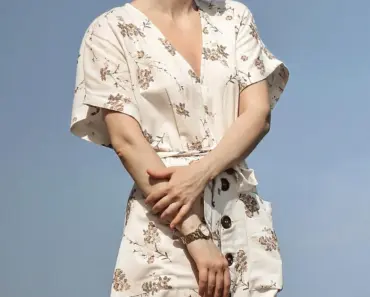
Why Cotton Dresses Deserve a Place in Your Summer Wardrobe
Summer mornings often bring a familiar dilemma. You pull open your closet, feel the humidity already pressing against the windows, and want something that looks intentional without demanding twenty minutes of styling. Cotton dresses solve this problem with a quiet confidence that other fabrics struggle to match. Unlike linen, which wrinkles the moment you sit down, or synthetic blends that trap heat against your skin, cotton offers a middle ground that feels both breathable and put-together.
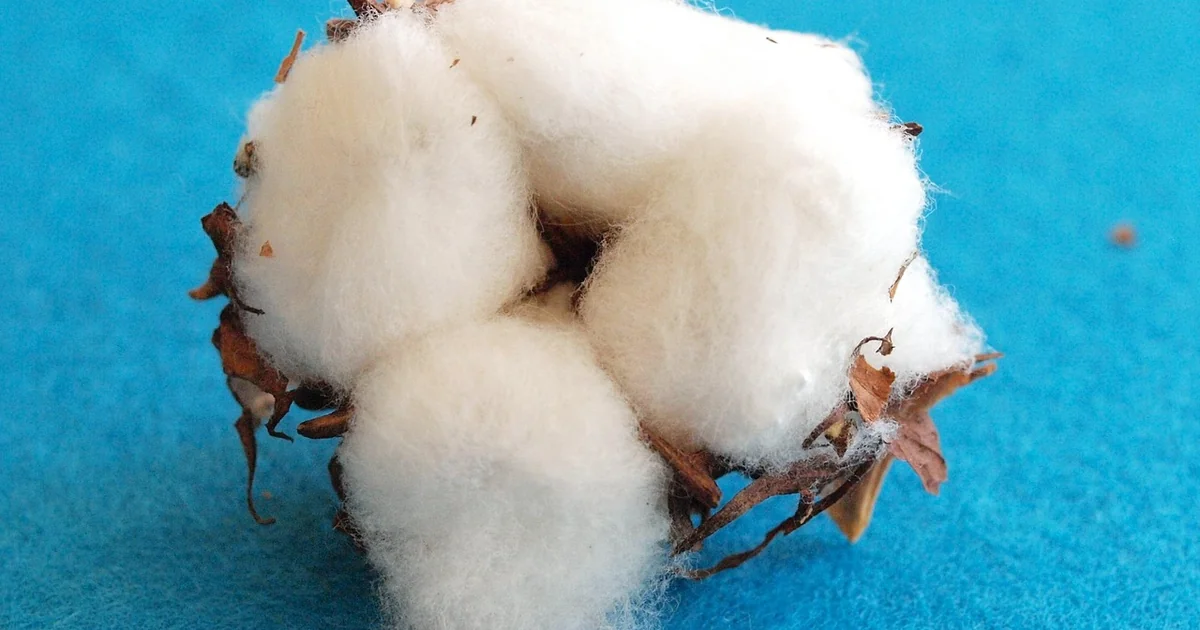
The shift toward cotton as a primary summer fabric has accelerated in recent years. According to textile industry data from 2024, cotton accounts for roughly 24% of global fiber production, making it the most widely used natural fiber on the planet. Its moisture-wicking properties allow sweat to evaporate quickly, which keeps you cooler than many polyester alternatives. For anyone who has spent a July afternoon in a synthetic dress only to feel clammy by evening, cotton provides a noticeable upgrade in comfort.
Another advantage that often goes unmentioned is cotton’s durability. While linen fibers weaken when wet and require careful handling, cotton maintains its structural integrity through repeated washes. A well-made cotton dress can last five to seven years with proper care, which makes it a smarter long-term investment than trendier fabrics that pill or fade after a single season.
What Makes a Cotton Dress the Right Choice for 2026
Fashion cycles move quickly, but certain staples remain constant. The best cotton dresses for summer 2026 share three characteristics: thoughtful construction, versatile silhouettes, and finishes that resist the midday crumple that plagues so many warm-weather options.
Look for dresses with reinforced seams and double-stitched hems. These details prevent the fabric from pulling or tearing during movement, which matters when you are commuting, traveling, or chasing after children. Poplin cotton, for example, has a tight weave that holds its shape while remaining lightweight. Jersey cotton offers stretch without losing its form. Seersucker cotton, with its puckered texture, creates built-in air pockets that enhance breathability while disguising any wrinkles that do form.
The Humidity Factor That Many Shoppers Overlook
Here is a detail most style articles skip. Cotton’s absorbency rate reaches about 27% of its dry weight before it begins to feel damp. Linen, by comparison, can absorb roughly 20% before the same sensation occurs. This means cotton pulls moisture away from your skin more effectively in high-humidity environments. For anyone living in a coastal city or planning a beach vacation, this difference translates directly into comfort.
Consider a scenario where you spend the morning at a farmer’s market, the afternoon at an outdoor lunch, and the evening at a casual dinner. A cotton dress handles these transitions without requiring a change of clothes. The fabric breathes during activity, resists clinging when you perspire, and maintains a polished appearance through it all.
How to Style a Cotton Dress for Both Casual and Formal Occasions
One dress can serve multiple purposes with the right accessories. This versatility explains why the best cotton dresses often become the most-worn items in a summer wardrobe.
For a casual daytime look, pair a cotton midi dress with flat sandals and a straw tote. Add a denim jacket if the temperature drops in the evening. This combination works for grocery runs, coffee dates, and park outings without feeling overdressed.
To transition the same dress into evening wear, swap the sandals for block-heeled mules or kitten heels. Add a structured handbag and gold jewelry. A cotton dress with a higher neckline or longer hem reads as more formal, while shorter hemlines and lower necklines skew casual. Knowing this spectrum helps you choose a dress that can straddle both categories.
Why Cotton Holds Up Better Than Linen in Humid Weather
The structural difference between cotton and linen fibers explains their performance in humidity. Linen fibers have a hollow core that absorbs moisture quickly but also releases it just as fast, which causes the fabric to wrinkle dramatically during the drying process. Cotton fibers are more solid and absorb moisture more slowly, which results in fewer wrinkles during wear.
This does not mean cotton is wrinkle-proof. It simply means the wrinkles that do form are less pronounced and often fall out after a few minutes of wear. For anyone who has spent ten minutes ironing a linen dress only to have it crumple during the car ride to dinner, this difference is transformative.
Practical Considerations for Travel and Packing
Frequent travelers face a specific challenge: dresses that pack flat and emerge wearable. Cotton excels in this area. A cotton dress folded into a packing cube will retain its shape better than linen and resist static cling better than synthetic blends.
Rolling rather than folding further reduces wrinkles. Place tissue paper between layers if the dress has embroidery or embellishments that might catch on other fabrics. Upon arrival, hang the dress in the bathroom while you shower. The steam relaxes any remaining creases without requiring an iron.
For a week-long trip, pack three cotton dresses in different lengths and colors. This gives you nine outfit combinations when you add different accessories, shoes, and outerwear. A mini dress works for sightseeing, a midi dress for dinners, and a maxi dress for beach days. This capsule approach reduces luggage weight while maximizing styling options.
Addressing Common Concerns About Cotton Dresses
Some shoppers worry that cotton dresses feel heavy or lack structure. These concerns stem from experiences with low-quality cotton garments. High-quality cotton, particularly Egyptian or Pima cotton, has longer fibers that create a smoother, stronger weave. The resulting fabric feels substantial without being heavy and drapes elegantly without sagging.
Another concern involves shrinkage. Cotton can shrink up to 5% in the first wash if exposed to high heat. To prevent this, wash cotton dresses in cold water and hang them to dry. If you must use a dryer, select the lowest heat setting and remove the dress while it is still slightly damp. This preserves the fit and extends the garment’s life.
The Sustainability Angle That Matters
Cotton production has environmental impacts, but organic cotton offers a more responsible alternative. Organic cotton farming uses 91% less water than conventional cotton and eliminates synthetic pesticides and fertilizers. Brands that prioritize organic cotton often disclose their supply chain practices, which allows consumers to make informed choices.
Look for certifications such as the Global Organic Textile Standard (GOTS) or the OEKO-TEX Standard 100. These labels indicate that the fabric has been tested for harmful substances and produced under ethical conditions. While organic cotton dresses typically cost 20-30% more than conventional options, the environmental savings and longer lifespan justify the premium for many shoppers.
Five Cotton Dresses That Define Summer 2026
After reviewing dozens of options across price points and styles, these five dresses stand out as the best cotton dresses for the coming season. Each one offers a distinct advantage, whether in construction, versatility, or value.
The Structured Poplin Midi Dress
Poplin cotton creates a crisp, tailored look that works for professional settings and weekend outings alike. A midi-length poplin dress with a defined waist and short sleeves transitions seamlessly from office to dinner. The fabric holds its shape throughout the day, which means you look as polished at 5 PM as you did at 9 AM.
You may also enjoy reading: Bella Hadid Styled 5 Trainers With Coolest Capris.
Look for versions with hidden pockets. This small detail transforms a dress from merely functional to genuinely practical. You can carry your phone, keys, and lip balm without needing a bag, which simplifies errands and outdoor events.
The Relaxed Jersey Shift Dress
Jersey cotton offers stretch and softness that makes it ideal for days when comfort takes priority. A shift dress in this fabric skims the body without clinging, which flatters a wide range of shapes. The lack of structure also makes it one of the most packable options for travel.
Choose a solid color like navy, olive, or rust for maximum versatility. These neutrals pair with any accessory and transition between seasons when layered with tights and a cardigan in early autumn.
The Seersucker Mini Dress
Seersucker’s puckered texture serves two purposes. First, it creates small air pockets that enhance airflow and keep you cool. Second, the texture hides wrinkles so effectively that you can pull this dress from a suitcase and wear it immediately.
Mini lengths work well for casual summer activities like barbecues, festivals, and beach walks. Pair with sneakers for a sporty look or with espadrilles for a more feminine silhouette. The fabric’s natural stiffness prevents the skirt from riding up, which addresses a common complaint about shorter dresses.
The Broderie Anglaise Midi Dress
Broderie anglaise, or eyelet cotton, features decorative cutwork that adds visual interest without relying on prints. The small holes also improve breathability, making this an excellent choice for the hottest days of summer.
White broderie anglaise dresses evoke a classic, almost vintage aesthetic that feels timeless rather than trendy. This style works for garden parties, bridal showers, and Sunday brunches. Layer a slip underneath if the cutwork reveals more skin than you prefer.
The Smocked Maxi Dress
Smocking at the bodice provides stretch and adjustability that accommodates different bust sizes and shapes. The gathered fabric creates texture without bulk, and the maxi length offers coverage while remaining lightweight.
This silhouette flatters almost every body type because the smocked section conforms to your measurements while the skirt flows freely. Choose a floral print for a romantic look or a solid color for a more minimalist approach. The smocked construction also makes this dress easy to pull on and off, which matters when you are rushing between commitments.
Making Your Cotton Dress Last Beyond One Summer
Proper care extends the life of any garment, but cotton responds particularly well to consistent maintenance routines. Wash cotton dresses inside out to protect the outer surface from friction. Use a gentle detergent free of optical brighteners, which can dull colors over time.
Avoid hanging cotton dresses on wire hangers, which can stretch the shoulders. Instead, fold them or use padded hangers that distribute weight evenly. Store in a cool, dry place away from direct sunlight, which can fade colors and weaken fibers.
If a cotton dress develops stains, treat them promptly with a mixture of cold water and mild soap. Avoid rubbing vigorously, which can spread the stain or damage the weave. Blot gently from the outside of the stain inward. For stubborn stains like red wine or grass, apply a paste of baking soda and water, let it sit for 30 minutes, then rinse.
Cotton dresses represent a practical, stylish, and sustainable choice for summer dressing. Their breathability, durability, and versatility make them worthy investments that pay dividends across multiple seasons. By choosing well-constructed pieces in flattering silhouettes, you build a wardrobe that simplifies mornings, enhances confidence, and stands up to the demands of real life.