A flash of emerald and ruby hovers near your window. You hold still as a hummingbird investigates the flowerbed just a few feet away. If petunias are planted there, you have likely witnessed this exact scene. But have you ever stopped to consider the mechanics behind it? These popular annuals are not just decorative. They possess a set of traits that align specifically with the needs of a hummingbird. While a single flower type cannot support these birds entirely, petunias deserve a special spot in your habitat. Here are the seven specific reasons these bloomers act like a natural magnet.
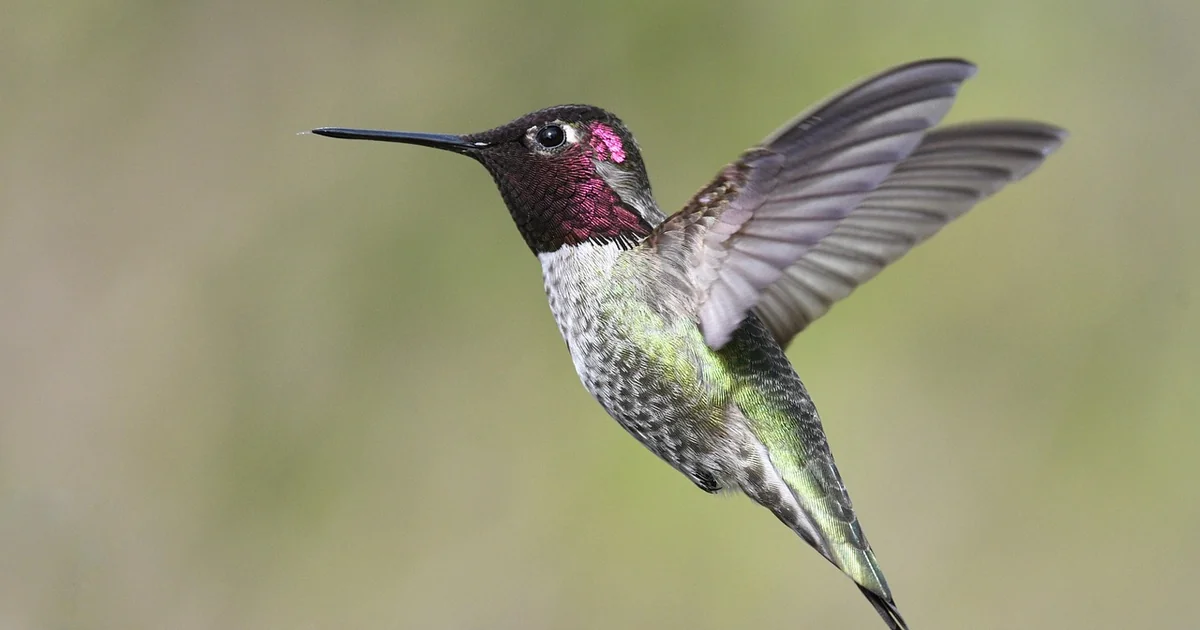
1. The Trumpet Shape Fits a Long, Slender Bill
A hummingbird does not feed like a bee or a butterfly. It hovers and inserts its entire bill deep into the flower. Petunias, particularly grandiflora and multiflora varieties, grow into elongated trumpet shapes. This structure is critical. It creates a natural funnel that guides the bird’s bill directly to the nectar.
A hummingbird’s tongue can extend well past the tip of its beak, wrapping around the inside of the petal tube to lap up sugar water. Flowers with open, flat faces do not offer this same access. This is a primary reason why hummingbirds like petunias more than many other common annuals. The angle of the bloom also matters. Petunias that face outward or slightly upward give the bird a clear flight path without tangling its wings.
2. Red and Pink Blooms Trigger an Instinctual Search
Hummingbirds have excellent color vision. They are evolutionarily programmed to investigate bright shades, especially red. This instinct helps them locate high-energy food sources quickly. Petunias are available in a stunning range of these exact colors. Varieties like Petunia ‘Bingo Red’ or ‘Littletunia Red Fire’ can act like a dinner bell from across the yard.
Interestingly, hummingbirds can also see ultraviolet light. Petunias reflect UV patterns that are invisible to humans but perfectly clear to birds. If you want to design a garden specifically for these visitors, prioritize solid red, deep pink, or vibrant orange petals. While they will sample white and purple blooms, a mass of red petunias will grab their attention much faster. This visual pull is a core part of why hummingbirds like petunias.
3. A Steady, Accessible Nectar Supply
Let us address a common question directly. Do petunias provide enough nectar on their own? Cultivated petunias are not as nectar-rich as native wildflowers such as trumpet honeysuckle or bee balm. However, they make up for this in consistency. A healthy, well-watered petunia produces a steady, if modest, supply of nectar. For a bird that needs to feed every 10 to 15 minutes, this reliability matters immensely.
This nuance is vital for gardeners. Understanding why hummingbirds like petunias means recognizing that they are a reliable “snack stop,” not necessarily a superfood. The birds visit them because the nectar is easy to reach and always available. To fully support the birds, pair your petunias with deeper, richer native plants. The petunias act as the dependable cafe, while the natives provide the high-calorie fuel needed for long days and migration.
4. Prolific Blooming Provides a Constant Supply
A single petunia plant can produce dozens of flowers over the course of a growing season. For a hummingbird, a patch of petunias represents a buffet with many small plates. If a bee visits one flower, there are plenty left for the bird. This abundance is a major practical reason why hummingbirds like petunias. It reduces the energy the bird has to spend flying from one spot to the next.
Modern hybrids, such as the Wave series or Supertunias, are bred specifically for non-stop blooming. They do not have a significant “rest” period. From the week after the last frost until the first freeze of autumn, they keep pushing out new blooms. For a hummingbird, this continuous display means the food source remains predictable.
5. Low Growth Offers Safety While Feeding
Hummingbirds are vulnerable when they feed. They are small and can be ambushed by predators like domestic cats or larger birds. Petunias typically grow low to the ground, usually between 6 and 18 inches tall. This low stature provides a specific advantage.
A hummingbird feeding on a petunia is close to cover. It can dart down from a tree branch, feed quickly, and zoom back up to safety. The low height also means the flowers receive full sun, which keeps the nectar warm. Some researchers believe that slightly warmer nectar is easier for hummingbirds to digest quickly. When you think about safety and energy efficiency, you see another layer of why hummingbirds like petunias. They can hover low, minimize their exposure time, and move on to the next task.
6. An Extended Bloom Time Bridges Seasonal Gaps
Hummingbirds are migratory. In many regions, ruby-throated hummingbirds arrive in early spring and leave in late fall. Petunias bloom from early spring all the way to the first frost. This overlapping timeline is critical for survival.
You may also enjoy reading: 7 Low-Maintenance Shade Perennials That Thrive in the Dark.
Early in the season, a hungry hummingbird coming off a long Gulf crossing needs immediate energy. Varieties like Petunia ‘Bingo Red’ were developed specifically to bloom earlier than most, making them a perfect welcome snack. Late in the season, hummingbirds need to fatten up for migration. The constant flow of petunia blossoms helps them build that necessary fat reserve. Choosing petunias that hold up to the summer heat ensures your garden remains a dependable stopover for months.
7. Container Adaptability Puts Nectar Where You Want It
Not everyone has a large yard. That does not matter for these birds. One of the most practical reasons why hummingbirds like petunias is that you can grow them almost anywhere. Petunias thrive in containers, hanging baskets, and window boxes.
You can create a dedicated hummingbird hotspot right outside your kitchen door. Hanging baskets are particularly effective because the flowers cascade downward. This gives the bird easy access from multiple angles without fighting through dense foliage. This adaptability allows you to place the nectar source exactly where you want to see the action. It also lets you move the pots to follow the sun or protect them from heavy rain. For a hungry hummingbird, a single well-placed container of pink petunias is just as good as a full flowerbed.
Building a Better Hummingbird Habitat with Petunias
Knowing why hummingbirds like petunias helps you use them effectively. However, a garden filled exclusively with petunias is a snack, not a complete meal. To make your yard a true haven, combine petunias with other hummingbird favorites like salvia, zinnias, and native columbines. This variety ensures the birds get the rich nectar they need while still enjoying the easy access of petunias.
Which Petunia Varieties Perform Best?
Based on the traits discussed, certain varieties stand out. Petunia ‘African Sunset’ offers rare, vibrant orange tones. Petunia ‘Easy Wave Pink Passion’ provides excellent ground cover. Petunia ‘Success Pink Vein’ is known for being exceptionally low-maintenance. When shopping, look for the words “grandiflora” or “multiflora” on the tag for the best tubular shapes.
Simple Care Tips for Maximum Blooms
To keep your petunias producing, give them full sun. At least six hours of direct sunlight per day is non-negotiable. Deadheading, or removing spent flowers, encourages new growth. Avoid pesticides entirely. Hummingbirds are extremely sensitive to chemicals. If you need to treat pests, use insecticidal soap or neem oil and apply it at dusk when the birds are less active. Water them deeply, but let the soil dry slightly between waterings to prevent root rot.
FAQ: What Color Petunia Do Hummingbirds Prefer?
Hummingbirds show a strong preference for red, deep pink, and orange petunias. They will visit blue and purple varieties, but the visual stimulus of red triggers the strongest feeding response. If you can only choose one color, make it red.
Why Native Plants Still Matter
A garden with only cultivated petunias might actually disappoint hummingbirds over time. They are smart and learn quickly. If they visit a yard several times and find only low-sugar petunia nectar, they may look elsewhere. By mixing petunias with native trumpet vines, bee balm, or salvia, you create a balanced diet. The petunias attract them with color and abundance, while the native flowers give them the high-energy fuel they truly need.