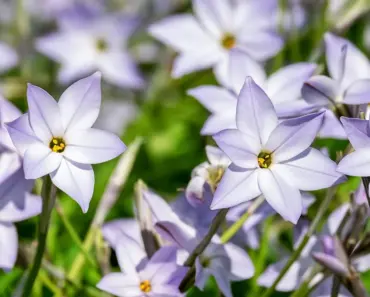
To err is human; to forgive, divine. Which is why every container garden deserves at least one plant that genuinely thrives on neglect. Think about it: between work, family, heatwaves, endless notifications, and the general low-level chaos of modern life, it is a miracle any of us remember to water our pots at all. And yet, every single summer, we still dream of stepping outside to a patio full of thriving plants that somehow haven’t noticed we have been quietly forgetting about them for days on end.
The fantasy is always the same: abundant, generous container plants, still looking lush and alive despite everything else going on in our lives. No crispy leaves. No dramatic collapses. Certainly no guilt-inducing reminders that we missed another watering session. Just happy, thriving plants. Is that too much to ask? Not when you choose the right varieties. Some plants perform better when you back off. They want the sunny spot, the cramped pot, and the occasional drink — nothing more. Here are seven of the best options for gardeners who have better things to do than fuss over foliage.
What Makes a Plant Truly Thrive on Neglect?
Before diving into the specific plants, it helps to understand what “neglect-proof” actually means in the context of container gardening. These plants share a few key traits. First, they have adapted to survive in poor, fast-draining soil. Rich, moisture-retentive compost often does them more harm than good. Second, they originate from regions with long, hot summers and unpredictable rainfall. Their genetics are wired for tough conditions. Third, they respond poorly to over-attention. Too much water, too much fertilizer, or too much fussing actually reduces their flowering or shortens their lifespan. For these plants, less truly is more.
Container gardening does not always happen in perfectly curated conditions. In fact, if you are anything like me, it usually happens around everything else on your to-do list. That is exactly where the right plant choices make all the difference. You do not need a greenhouse or a strict watering schedule. You just need plants that forgive your busy life.
7 Container Plants That Thrive on Neglect
1. Lantana
If your containers bake in full sun all summer long, lantana is one of the easiest plants you can grow. The brightly colored flower clusters thrive in heat, humidity, and dry conditions, making this a reliable choice for busy gardeners or anyone prone to forgetting the watering can. The blooms shift colors as they age — often starting yellow and deepening to pink or red — giving the plant a multicolored look that changes throughout the season.
Even better? Butterflies and pollinators absolutely love this plant. You will see monarchs, swallowtails, and bees visiting the flowers constantly. A mature lantana in a large pot can handle a full week of dry soil without showing any signs of stress. It practically laughs in the face of a heatwave. There is an added bonus: deer tend to avoid lantana because of its strong, slightly medicinal scent. If you have trouble with wildlife nibbling your containers, this plant solves that problem too.
2. Tickseed (Coreopsis)
Tickseed is one of the easiest ways to bring long-lasting color into a container without adding extra work to your schedule. Its cheerful, daisy-like yellow flowers bloom for weeks through summer, often with very little encouragement beyond a sunny spot. And, once established, it copes well with heat and dry conditions, making it ideal for containers that are not always watered on schedule.
Here is the surprising part: too much care can actually reduce flowering. Tickseed is a plant that genuinely prefers a lighter touch. Overwatering leads to lush foliage but fewer blooms. Overfeeding makes it leggy and floppy. If you just leave it alone in a sunny spot with average soil, it rewards you with months of bright color. Another magnet for pollinators, tickseed brings bees and butterflies to patios and balconies. The variety ‘Moonbeam’ is a classic for a reason — it produces soft yellow flowers on fine, airy foliage from June all the way into September.
3. South African Phlox
South African phlox was practically made for hot container gardens. The vibrant flowers continue blooming through intense sunshine and dry spells, making it a much more resilient option than many traditional bedding plants. This heat-tolerant South African native delivers red, pink, or purple blooms from planting time until frost.
Throw in the fact that it forms a mounded, gently trailing shape that quickly fills out pots and baskets, and you have a no-brainer for any list of low-maintenance plants. It is self-cleaning, which means you never have to deadhead. The old flowers drop off naturally, and new buds keep forming right behind them. If you want a potted plant that delivers maximum color with minimal effort, this one delivers in spades. It handles wind and dry air better than petunias or geraniums, and it does not get leggy halfway through the season.
4. Rosemary
Rosemary is one of those rare container plants that genuinely seems to do better the less you fuss over it. In fact, if you try too hard with this herb — overwatering it, feeding it generously, or planting it in anything remotely rich — it will often respond by looking vaguely offended and quietly giving up. When it comes to container plants that thrive on neglect, rosemary sits near the very top of the list.
Allow the soil to dry out completely between waterings. Rosemary originates from the Mediterranean, where it grows in rocky, well-drained soil and gets most of its moisture from morning dew. In a pot, it needs the same conditions. Give it full sun, a pot with excellent drainage, and a light hand with the hose. In return, it perfumes the air almost as beautifully as it flavors food. Just brushing against the leaves releases its piney, aromatic scent. You can snip a few sprigs for roasting vegetables or grilling meat whenever you need them.
5. Purple Fountain Grass
When it comes to making a container display look dramatic and expensive with minimal effort, purple fountain grass is one of the easiest ways to do it. The arching burgundy foliage and soft, feathery seed heads add movement and height to any arrangement. It shrugs off heat and occasional drought with no complaint.
This grass is technically a tender perennial, but most gardeners grow it as an annual. It grows fast — reaching two to three feet tall in a single season from a small starter plant. Place it in the center or back of a large container, and it acts as a living sculpture. The seed heads catch the light and sway in the breeze, adding a dynamic element that flowering plants cannot match. It pairs beautifully with lantana or portulaca, creating a textural contrast that looks professionally designed. And it asks for almost nothing: full sun, a pot, and water every few days at most.
You may also enjoy reading: 9 Hummingbird Nest Essentials You Can’t Ignore.
6. Portulaca (Moss Rose)
If your summer containers turn into a blast furnace, portulaca will not just survive — it will thrive. This low-growing succulent produces bright, rose-like flowers in neon shades of pink, orange, yellow, and red. Each flower lasts only a single day, but the plant produces so many buds that you never notice the turnover. The blooms open fully in direct sun and close up in the evening or on cloudy days.
Portulaca is a succulent, meaning its fleshy leaves store water efficiently. You can go a full week without watering, and it looks just as happy as if you watered it every day. In fact, overwatering is the quickest way to kill it. Soggy soil leads to root rot almost immediately. Plant it in a shallow container with excellent drainage, place it in the hottest, sunniest spot you have, and walk away. It will bloom nonstop from June until the first hard frost. The ‘Happy Hour’ series offers extra-large flowers and a compact, tidy habit perfect for small pots.
7. Sedum (Stonecrop)
Sedum is the undisputed champion of low-maintenance container gardening. These succulents store water in their fleshy leaves, meaning they can go weeks without a drink and still look plump and healthy. There are hundreds of varieties, ranging from tiny creeping groundcovers to upright plants that reach two feet tall. For containers, the upright types like ‘Autumn Joy’ or ‘Matrona’ work beautifully as focal points.
The flowers on sedum appear in late summer and last well into autumn. They start as tight green buds, gradually open to pink or burgundy clusters, and finally turn a rich bronze as the weather cools. Even after the blooms fade, the dried seed heads provide winter interest. Sedum asks for full sun and very little water. In fact, if you grow it in rich soil or fertilize it, the stems become weak and floppy. Lean soil and dry conditions keep it compact and sturdy. It is practically impossible to kill through neglect alone.
Designing a Neglect-Friendly Container Garden
Choosing the right plants is only half the battle. How you arrange them matters too. Grouping several neglect-tolerant plants together in one large container creates a mini ecosystem that requires even less attention. The plants shade each other’s roots, reducing evaporation. The foliage cover also suppresses weeds.
Use a high-quality potting mix that drains freely. Avoid garden soil, which compacts in containers and holds too much moisture for these tough plants. Add a slow-release fertilizer at planting time, but use about half the recommended amount. These plants bloom best when they are slightly hungry. Overfeeding produces leaves at the expense of flowers.
Water deeply but infrequently. Instead of giving your pots a little sprinkle every day, wait until the soil is dry an inch below the surface, then water thoroughly until it runs out the bottom. This encourages deep root growth, which makes the plants even more drought-tolerant. A weekly watering is often enough for the plants on this list, even during hot spells.
Realistic Expectations for Low-Maintenance Containers
Even plants that thrive on neglect have limits. They can survive a week without water, but not a month. They can bloom without fertilizer, but they need full sun to do it. If your container is in deep shade, none of these plants will perform well. The term “neglect” here refers to a relaxed watering and feeding schedule, not total abandonment.
The beauty of container gardening is not perfection. It is the joy of stepping outside to find something alive and thriving despite the chaos of daily life. Pick a few of these plants, give them the bare minimum, and enjoy the forgiveness they offer. A lantana covered in butterflies. A rosemary bush scenting the evening air. A fountain grass swaying in the breeze. These small victories make all the forgetting worthwhile.