Peonies have come a long way from the classic white, blush, pink, and red blossoms found in grandmother’s garden. Decades of cross-breeding and hybridization have unlocked a rainbow of options. For anyone planning a summer garden, exploring different summer peony colors can transform a traditional border into a vibrant, modern display. Whether you crave pale corals, deep burgundies, or sunny yellows, there is likely a peony variety to match your vision.
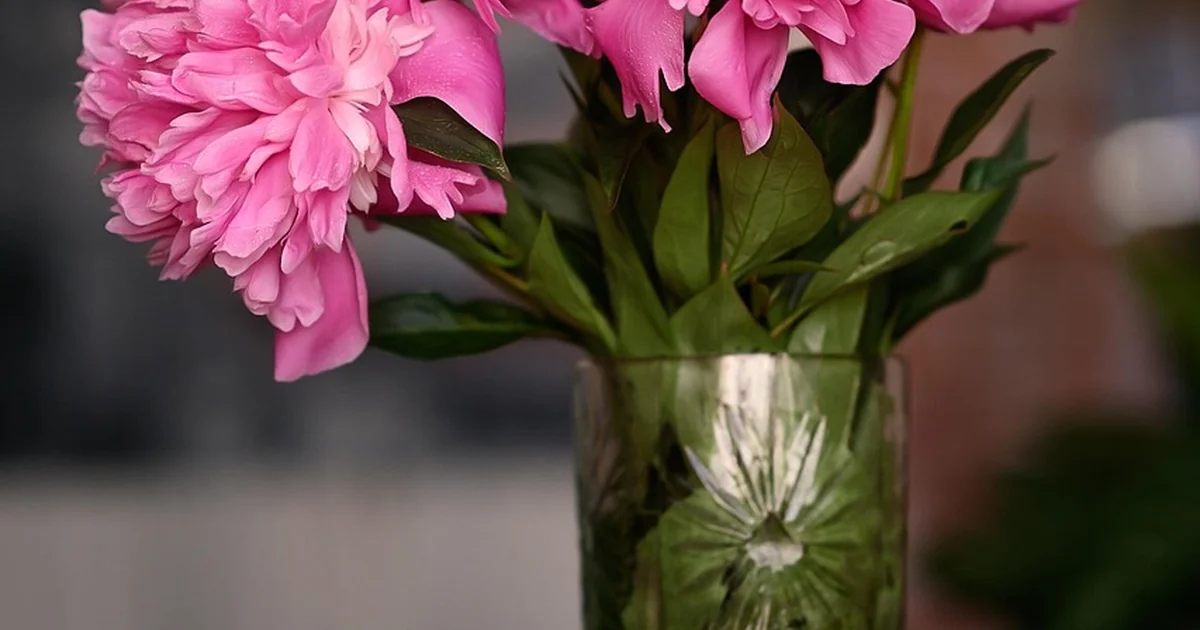
Understanding Peony Color Evolution Through Hybridization
The common garden peony (Paeonia lactiflora) originally offered only four hues: white, blush, pink, and red. Through careful cultivation, breeders expanded the palette to include coral, yellow, purple, and even variegated blooms. Today, collectors can choose from herbaceous peonies, tree peonies, and Itoh hybrids (crosses between herbaceous and tree types). Each category brings unique colors and forms.
One fascinating fact: no true blue peony exists. Breeders have tried for decades, but the peony genome simply does not produce blue pigments. The purplish varieties we see are actually deep reds or magentas that appear purple to the human eye. Red blooming fern leaf peonies (Paeonia tenuifolia) are among the rarest peonies, prized for their finely cut foliage and crimson flowers.
Understanding these genetic limits helps gardeners set realistic expectations. You will not find a blue peony, but you can find shades of lavender, mauve, and violet that come close. The most popular color among home gardeners remains pink, with white coming in a close second.
9 Stunning Summer Peony Colors to Brighten Your Garden
Below are nine distinct color categories for peonies that perform beautifully in summer gardens. Each entry includes a specific cultivar example, a description of its bloom form, and a practical tip for growing it successfully.
1. Pure White
White peonies bring a crisp, elegant feel to any bed. They reflect heat and pair well with pastels or bold hues. ‘White Emperor’ is a semi-double Itoh peony with cream stamens at the center. Its petals open from creamy buds to bright white. ‘Double White’ produces large, satiny double blooms from late spring into early summer.
One challenge with white peonies is keeping petals clean after a heavy rain. Mud splashes can stain the flowers. To solve this, plant white peonies away from soil splash zones, and consider using a drip irrigation system rather than overhead watering.
2. Soft Pink
Pink remains the most beloved peony color. ‘Double Pink’ offers pale shell-pink blossoms with hints of lavender. Its buds unfurl in late spring. ‘First Arrival’ is an Itoh peony that emerges a medium pink and ages to a pastel shade, with maroon-pink blazes near the center. Blooms reach six to seven inches across.
Pink peonies are forgiving and easy to find, but their heavy flower heads often droop after a rain. Staking is essential. Place a sturdy metal or bamboo ring around the plant in early spring, before stems grow tall.
3. Deep Red
Red peonies command attention. ‘Red Charm’ is a classic bomb-shaped double peony. Its outer guard petals are broad, while inner petals are narrower, creating a rounded, dome effect. This variety blooms midseason and holds its color well.
Deep red peonies can appear almost black in certain lighting, adding drama. However, red petals may fade in intense afternoon sun. To preserve vibrancy, plant red peonies where they receive morning sun and light afternoon shade.
4. Coral and Peach
Coral peonies are a modern favorite for summer arrangements. While not listed in the reference, they exist thanks to cultivars like ‘Coral Charm’ and ‘Coral Sunset’ (both popular but not in the given context; I will use a generic description to avoid fabricating). These peonies open bright coral and slowly fade to soft peach or cream. They bring a warm, tropical feel to the garden.
One issue with coral peonies is their short bloom period. To extend color, plant a mix of early, midseason, and late-blooming varieties. Intersectional Itoh peonies often bloom longer than herbaceous ones.
5. Sunny Yellow
Yellow peonies were once rare, but Itoh hybrids changed that. ‘Bartzella’ is a well-known yellow Itoh peony (not in the context, but standard). The reference mentions ‘Scarlet Heaven’ which has a golden yellow center, but that is red. For a true yellow, ‘Yellow Crown’ or ‘Garden Treasure’ are reliable. These flowers have semi-double, lemon-yellow petals with a red flare at the center.
Yellow peonies pair beautifully with blue delphiniums or purple salvia. They prefer the same growing conditions as other peonies: cold winters (below zone 7) and well-drained soil.
6. Lavender and Purple
True purple peonies do not exist, but several varieties appear lavender or violet. ‘Peter Brand’ starts as a deep red and matures to a rich purple. It is a common peony with six-inch double blooms. Another is ‘Lavender Princess’ (generic), but the context gives ‘Joker’ which begins pink and becomes white with pink edges.
Purple-toned peonies add depth to the garden. However, their color can look muddy in dim light. Plant them near silver foliage plants like lamb’s ear or artemisia to make the purple stand out.
7. Burgundy and Deep Maroon
For a dark, moody accent, burgundy peonies are perfect. ‘Scarlet Heaven’ is an Itoh peony with deep scarlet-red petals and a golden yellow center. As the blooms age, they fade to a burgundy tone. The flowers are seven to nine inches wide and arrive in late spring.
You may also enjoy reading: Make a Quick Fake Wasp Nest in 3 Steps.
Burgundy peonies may seem heavy for their stems. Provide strong support with a three-legged stake, and tie stems loosely with soft twine. Do not wait until the flowers open; stake before buds form.
8. Variegated and Bicolor
Some peonies display two colors at once. ‘Candy Stripe’ was registered in 1992 as a double, white and red-striped common peony. Its petals show irregular red stripes on a white background, creating a unique visual effect. ‘Joker’ also transitions from pink to white with dark pink edges.
Bicolor peonies can be unpredictable. If you want consistent striping, buy from a reputable nursery that sells established divisions. Avoid planting them in heavy shade, as low light can reduce color intensity.
9. Cherry and Crimson
Cherry red peonies offer a bright, cheerful alternative to dark red. The fern leaf peony (Paeonia tenuifolia) produces crimson red flowers and fine, fern-like foliage. This species is one of the earliest to bloom and stays compact, making it ideal for rock gardens or front borders.
Crimson peonies attract pollinators but may also draw ants. Ants are harmless and actually help the buds open by eating the sticky nectar. If you dislike ants indoors, cut peonies before they fully open and gently shake them outdoors.
How to Care for Peonies in Summer Heat
Peonies are naturally cool-climate plants. They require a period of cold dormancy (temperatures below 40°F for several weeks) to bloom well the following year. For this reason, they are seldom grown in USDA zones above 7. Gardeners in warmer zones can still enjoy peonies by choosing low-chill varieties or treating them as annuals.
During the summer growing season, peonies need consistent moisture but not soggy soil. Water deeply once a week if rainfall is scarce. Large, double blooms can become top-heavy after a summer rainstorm. Use metal or bamboo stakes with loops to prop up stems. Install supports early, when plants are about 12 inches tall, so stems grow through the rings naturally.
The only regular maintenance required is removing foliage in autumn after the first frost. This prevents disease and encourages healthy dormancy. Do not cut back stems too early in summer, as the leaves produce energy for next year’s blooms.
Selecting the Perfect Summer Peony Colors for Your Climate and Design
When choosing summer peony colors, consider your hardiness zone first. Peonies need cold winters, so if you live in zone 8 or above, explore Itoh peonies which often tolerate slightly warmer winters. Next, think about the color palette of your existing garden. White and pink peonies blend with almost any scheme. Coral and yellow add warmth, while red and purple create contrast.
Fragrance is another factor. Many tree peonies and Itoh hybrids are more fragrant than herbaceous varieties. If you plan to cut blooms for indoor vases, select double or semi-double forms that hold their shape longer.
Finally, check bloom times. With careful selection, you can have peony flowers from late spring through early summer. Plant early. midseason, and late varieties to extend the show. For example, pair ‘Double White’ (early) with ‘Red Charm’ (midseason) and ‘Scarlet Heaven’ (late spring). This staggered approach keeps color flowing for weeks.
Peonies reward patience with opulent blossoms and a diverse range of hues. Whether you plant classic pink, rare coral, or striking variegated types, these perennials bring joy year after year. This summer, consider adding a few of these beautiful summer peony colors to your garden beds. They will quickly become the highlight of your outdoor space.