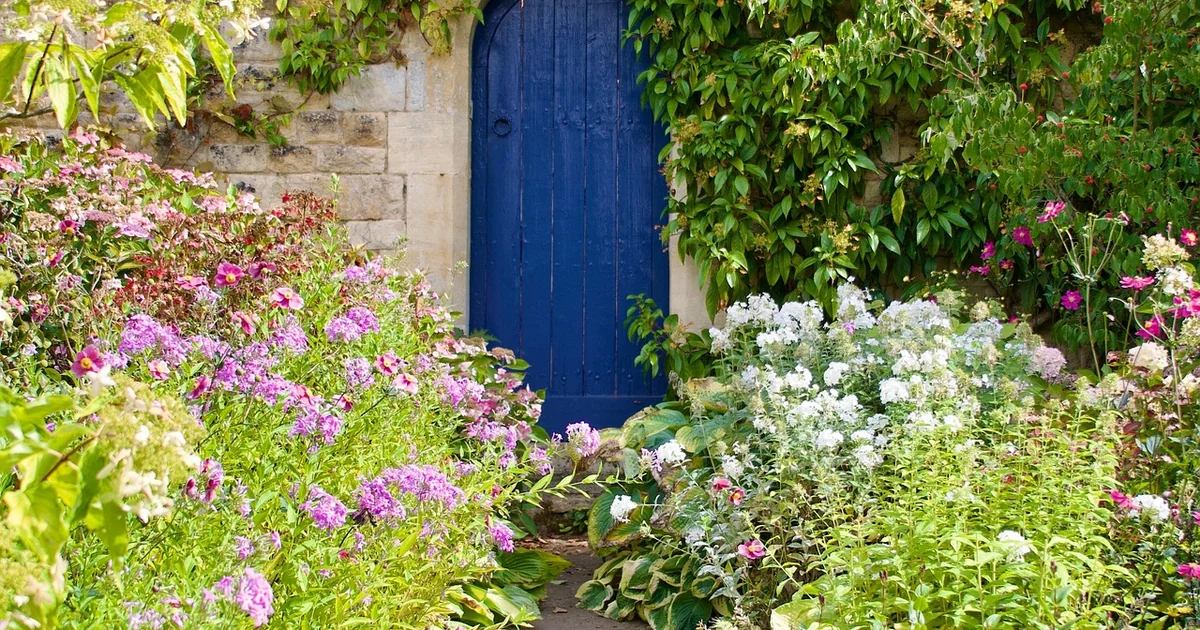
Imagine stepping through a weathered wooden gate into a space that feels entirely your own. The noise of the outside world fades behind you. This is the magic of a hidden outdoor sanctuary. Whether you have a sprawling backyard or a compact city lot, you can carve out a corner that feels worlds away from daily demands. The best secret garden ideas blend privacy, lush plantings, and personal touches that invite you to slow down and breathe.
What Makes a Garden Secret
Secret gardens have existed for thousands of years across many cultures. Ancient Persian gardens used high walls and water channels to create paradise on earth. Medieval monastery gardens offered quiet corners for prayer and contemplation. The term gained modern popularity through Frances Hodgson Burnett’s 1911 novel The Secret Garden, which told the story of a hidden walled space that brought healing and transformation to its characters.
At its core, a secret garden is an isolated outdoor space separated from the rest of the yard. Walls, hedging, or other barriers enclose it. This separation creates intimacy, privacy, and a sense of stepping into another world. The experience involves surprise and discovery. You cannot see everything at once. Pathways curve around corners. Foliage obscures views. Each turn reveals something new.
The psychological benefits of such spaces are well documented. A 2019 study from the University of Exeter found that spending just 20 minutes in a natural setting significantly lowered cortisol levels. When that setting feels hidden and personal, the effect deepens. Your brain registers the space as safe and separate, allowing genuine relaxation to begin.
The following eleven approaches will help you build your own retreat. Each idea addresses a specific challenge and offers a practical solution. Mix and match them to fit your space, budget and personal style.
1. Enclose Your Space with Walls
Privacy forms the foundation of any successful hidden garden. Without enclosure, the space feels exposed and ordinary. Walls, fencing, or dense hedging create the boundary that transforms an ordinary corner into a sanctuary.
Stone walls offer the most permanent solution. They absorb heat during the day and release it at night, extending your growing season by several weeks in cooler climates. Brick walls bring a formal, timeless feel. Wooden fencing provides a more affordable option that you can stain or paint to match your home’s exterior.
For a softer look, consider espaliered fruit trees trained flat against the wall. This technique dates back to Roman times and allows you to grow apples, pears, or figs in a very narrow footprint. The horizontal branches create a living tapestry that changes with the seasons.
An arched portal or gate within the wall adds mystery. A partially open gate hints at what lies beyond without revealing everything at once. This element of surprise triggers curiosity and makes the space feel more special each time you enter.
2. Layer Plants for a Lush Look
Bare soil and sparse plantings defeat the purpose of a secret garden. You want to feel wrapped in green, sheltered from view. Layering plants of different heights creates this enveloping effect and adds visual richness throughout the year.
Start with a canopy layer of small trees or large shrubs. Japanese maple (Acer palmatum) offers delicate foliage and brilliant autumn color. Serviceberry (Amelanchier) provides spring blossoms, summer berries, and fall orange-red leaves. These trees top out at 15 to 25 feet, making them ideal for enclosed spaces.
Beneath the canopy, add an understory of mid-sized shrubs. Hydrangeas bloom from midsummer through fall with large flower heads in blue, pink, or white. Rhododendrons and azaleas offer spring color and evergreen structure in many climates. Place these so they overlap slightly, creating a continuous wall of foliage.
At ground level, use perennials and groundcovers to fill gaps. Hostas thrive in shade and produce large textured leaves. Ferns add a woodland feel. Creeping thyme or sedum works well in sunnier spots and suppresses weeds naturally.
The key is density. Aim for three layers in every planting bed. This approach blocks sight lines, muffles sound, and creates the lush cocoon that defines a true secret garden.
3. Add Personal Symbolic Meaning
A secret garden becomes more powerful when it reflects your inner world. Objects with personal or spiritual significance anchor the space in meaning and make it feel truly yours. These elements represent transformation, healing, and reflection.
Statues of animals, human figures, or abstract forms can mark thresholds or rest points. A small Buddha nestled among ferns invites stillness. A stone angel watching over a bench offers comfort. The key is choosing pieces that resonate with you rather than following trends.
Meaningful objects from your life also work well. A weathered bench from a family home, a mosaic made from broken china, or a sundial inscribed with a favorite quote all tie the garden to your personal story. These items create a sense of continuity and belonging that no store-bought decoration can replicate.
Consider adding a small altar or meditation spot. A flat stone surrounded by candles and a small water bowl creates a focal point for quiet reflection. This practice connects to traditions around the world. Japanese Zen gardens use raked gravel and carefully placed rocks to represent islands in a sea of consciousness. You can adapt this concept to any scale.
Plants themselves carry symbolic weight. Lavender represents calm and devotion. Rosemary stands for remembrance. White roses symbolize purity and new beginnings. Choosing plants with meanings that matter to you adds another layer of depth to your secret garden ideas.
4. Create Destinations Along the Way
A secret garden should unfold gradually. Instead of one open space, design a series of smaller destinations connected by pathways. This creates a sense of journey and discovery. Each stopping point offers a different mood or view.
Start with the entrance. A simple arbor covered in climbing roses or clematis marks the transition from everyday life to retreat. The path beyond should curve or turn so you cannot see the end from the start. This partial concealment builds anticipation.
Place the first destination about ten to fifteen feet in. This could be a small bench tucked into a niche of shrubs. A birdbath surrounded by low-growing flowers works well. The goal is to give visitors a reason to pause and look around before moving deeper into the space.
Further along, add a second destination with a different character. A small fountain or a patch of ornamental grass that catches the light. The final destination might be a full seating area with a table for tea or a hammock for napping. Each stop along the way should feel intentional and rewarding.
Pathway materials matter. Stepping stones set into moss or gravel create a natural rhythm. Bark mulch softens footsteps and smells earthy after rain. Avoid straight lines. Curves and gentle zigzags slow the pace and encourage exploration.
5. Invite Guests to Linger
Comfortable seating transforms a garden from a place you pass through into a place you stay. Without somewhere to sit, the space remains a backdrop rather than a destination. Choose furniture that suits the scale of your garden and invites you to settle in for a while.
A pair of Adirondack chairs works well in a small nook. Their wide arms hold a book and a cup of tea. Cushions in outdoor fabric add comfort and color. For larger spaces, a wooden bench with a curved back offers classic appeal and fits naturally among plants.
Consider a bistro table with two chairs for morning coffee. The small scale keeps the space feeling intimate while providing a practical surface. Wrought iron furniture lasts for decades and develops a pleasant patina over time.
Hammocks and hanging chairs add a playful element. Suspended between two sturdy trees or posts, they offer a gentle sway that promotes relaxation. A hammock tucked into a shady corner becomes a favorite reading spot for both adults and children.
Add soft lighting to extend your time in the garden into the evening. String lights draped overhead create a warm the space. Solar-powered lanterns along pathways guide the path after dark. A small fire pit or chiminea provides warmth and a focal point for conversation on cooler nights.
The goal is to make the garden feel like an outdoor room. Comfortable seating, a small table, and soft lighting transform it into a true living space.
6. Add Height with Arbors
Vertical structure gives a secret garden dimension and drama. Arbors, trellises, and pergolas draw the eye upward and create the feeling of being enclosed even in an open space. They also provide support for climbing plants that soften hard lines and add seasonal interest.
Wooden arbors are the most common choice. Cedar and redwood resist rot naturally and weather to a soft gray over time. A simple arch over a pathway creates a threshold between zones. A larger pergola over a seating area provides partial shade and a framework for hanging plants.
Climbing plants transform these structures. Clematis offers spectacular flowers in purple, pink, white, and red. Honeysuckle fills the air with sweet fragrance in early summer. Climbing roses combine beauty with romance and bloom repeatedly in many varieties.
For year-round interest, train evergreen vines like star jasmine or ivy over the structure. These plants keep their leaves through winter, maintaining the sense of enclosure even when deciduous plants go dormant. In warmer climates, bougainvillea adds vivid color nearly year-round.
A fire pit placed beneath a pergola creates a cozy gathering spot. The vertical structure traps some heat and provides a sense of shelter. Add outdoor curtains on two sides for wind protection and added privacy. This combination turns a simple arbor into a destination you can enjoy in multiple seasons.
7. Tuck It into a Corner
Many people assume they need a large property for a secret garden. In reality, some of the most enchanting hidden spaces occupy small, underutilized corners. A side yard, a narrow strip between house and fence, or an awkward leftover space all work beautifully.
Look for areas away from the main traffic flow of your yard. The space behind a garage, the corner where two fences meet, or the narrow bed along a driveway all offer potential. These spots often receive less attention and feel naturally separate from daily activity.
A corner garden benefits from two existing walls, which reduces the amount of enclosure you need to add. A simple bench fitted into the corner creates an instant destination. Surround it with tall plants in containers or in the ground to complete the sense of seclusion.
For very small spaces, focus on vertical planting. Wall-mounted planters, hanging baskets, and trellises maximize growing area without taking up floor space. A small water feature, like a wall fountain, adds sound without consuming square footage.
You may also enjoy reading: 5 Reasons Using a Sponge to Clean Your Kitchen Is a Bad Idea.
One of my favorite examples is a sleeping porch tucked into a corner of a city yard. A daybed with cushions sits beneath a canopy of climbing vines. The bed is visible only from one angle, creating a sense of discovery for anyone who wanders that way. This approach proves that even a tiny space can become a retreat.
8. Let Water Set the Mood
Water transforms a garden on multiple levels. Visually, it adds movement and light reflection. Acoustically, it masks unwanted noise from traffic or neighbors. Psychologically, the sound of flowing water triggers a relaxation response that lowers heart rate and promotes calm.
A simple fountain works well in most gardens. Recirculating pumps mean you only need to plumbing is needed. You can place a fountain on a patio, in a planting bed, or against a wall. The sound varies from a gentle trickle to a steady stream depending on the design and pump speed.
Birdbaths offer a simpler option that also supports local wildlife. A pedestal birdbath becomes a focal point in a flower bed. Ground-level basins attract birds, butterflies, and small animals. Change the water every few days to prevent mosquitoes.
For larger spaces, consider a pond or waterfall and pond combination. A small pump pushes water up through rocks, creating a natural-looking cascade. The pond supports aquatic plants like water lilies and provides habitat for frogs and dragonflies. A Japanese maple planted nearby adds color and structure.
Pondless waterfalls are a good alternative for small yards or homes with young children. Water flows over rocks into a hidden reservoir below ground rather than an open pool. You get the sound and visual appeal without safety concerns or maintenance of a standing water feature.
Even a simple copper bowl filled with water and floating candles creates a water feature. Place it on a table or pedestal near your seating area. The reflection of sky and leaves on the water surface adds depth and calm to any corner.
9. Lean into Fairy Tale Charm
Whimsy has a place in secret gardens. Playful touches spark imagination and make the space feel magical for both adults and children. You do not need to go overboard. A few well-chosen elements can transform a ordinary garden into an enchanted retreat.
Mosaic pathways add color and texture to pathways and walls. Broken ceramic pieces, sea glass, or pebbles set into concrete create patterns that catch the light. A mosaic stepping stone at the entrance sets the tone for the garden beyond.
Colorful structures add personality. Paint a wooden bench in deep teal or coral. Choose a bright red or yellow gate. Use cobalt blue pots for container plants. These pops of color stand out against green foliage and create a cheerful, welcoming atmosphere.
Decorative containers also contribute to the fairy tale feel. Urns, vintage watering cans, or repurposed items like old boots or wheelbarrows make charming planters. The contrast between weathered containers and fresh flowers creates visual interest and a sense of history.
Fairy gardens miniature landscapes within the larger garden appeal to children and adults alike. A small dish garden with tiny plants, miniature furniture, and a pebble path creates a world within a world. Place it on a stump or low table where it can be admired up close.
The goal is to inspire delight and creativity. A secret garden that includes whimsical elements becomes a place where imagination runs free and daily worries fade away.
10. Frame Your Entrance Invitingly
The entrance sets the stage for everything that follows. A well-designed gate or arbor creates anticipation and signals that you are crossing into a special space. The entrance should invite exploration while revealing just enough to draw visitors inside.
An arbor covered in climbing plants frames the view beyond. The foliage partially obscures what lies ahead, encouraging exploration. Choose a climbing rose or jasmine that flowers during the season you use the garden most. The fragrance at the entrance welcomes you before you even step through.
Gates offer another opportunity. A rustic wooden gate with iron hinges feels timeless. A wrought iron gate with decorative scrollwork adds elegance. Even a simple bamboo screen tied with rope creates a natural, informal entrance.
The gate should not fully close or lock. A slightly open gate invites entry. A latch that clicks softly behind you reinforces the sense of entering a private realm. The sound of the gate closing becomes part of the ritual of entering your retreat.
Consider the view from inside the garden looking out. The entrance should look as inviting from within as it does from outside. This dual perspective makes the garden feel like a complete world separate from everything around it.
11. Skip the Fence, Plant Instead
In small urban gardens, a solid fence can feel oppressive. It blocks light and makes the space feel smaller. A better approach in tight spaces is to use densely layered plantings to create the boundary instead of a wall or fence.
Evergreen shrubs like boxwood, yew, or holly form a living wall that stays green year-round. Plant them close together for a continuous hedge. For faster results, use a mix of evergreen and deciduous shrubs that fill in quickly. Ninebark and viburnum both grow several feet per year and provide seasonal interest.
Tall ornamental grasses add movement and softness. Miscanthus and pampas grass reach six to eight feet tall and sway in the breeze. They create a semi-transparent quality filters views rather than blocking them entirely. This creates privacy without the closed-in feeling of solid walls.
Bamboo grows quickly and forms a dense screen. Choose clumping varieties rather than running types to prevent invasive spread. Bamboo makes a rustles in the wind, adding sound to the sensory experience of the garden. It grows well in containers if you prefer to keep it contained.
Layering is especially important when skipping fences. Plant tall shrubs or grasses at the back, mid-sized perennials in the middle, and low groundcovers at the front. This tiered approach creates depth and makes the boundary feel like a garden rather than a barrier.
In very small spaces, use large containers with tall plants to define the edge. A row of pots with dwarf evergreens or tall grasses creates a flexible boundary that you can rearrange as needed. This approach works well on patios, balconies, and rooftop gardens.
The result is a secret garden that feels lush and inviting rather than closed off. The plants themselves become the walls, and their changing beauty throughout the seasons becomes part of the garden’s charm.
Building your own secret garden takes time, but the process itself offers rewards. Each season brings new growth and new discoveries. The space evolves with you, reflecting your changing needs and tastes. Start with one idea that resonates most strongly with you. Add another next season. Before long, you will have created a retreat that feels like it has always been there, waiting for you to find it.