A Thirty-Year Journey Toward North Carolina Spring Blooms
Spring in the southeastern United States offers a narrow but glorious window. Gardeners in zones 7 and 8 know this truth well. The weeks between the last frost and the first oppressive wave of humidity are precious. Few understand this rhythm better than Susan, a gardener in Greenville, North Carolina, who has cultivated her plot for about three decades. Her approach has shifted over time. She moved away from rigid, perfectly spaced planting schemes. Now she plants what she loves where the plant wants to grow. This philosophy has yielded a garden that bursts with color early in the season, making the most of that brief period before summer heat settles in.
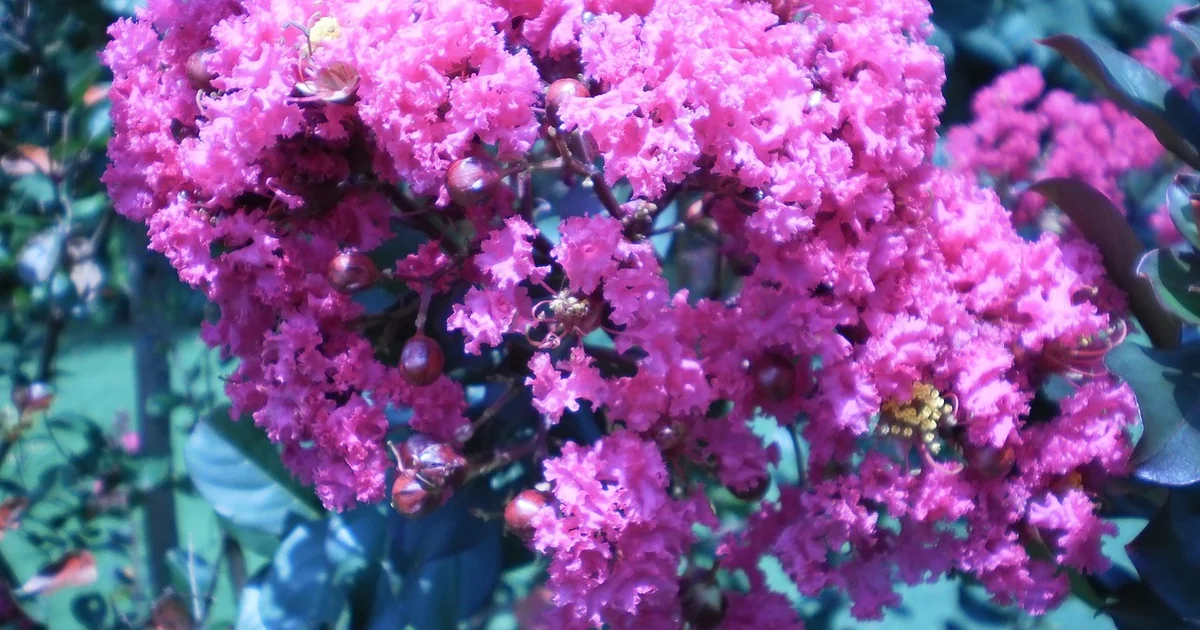
Susan’s garden sits in Zone 8a, where the growing season starts early but comes with challenges. The soil runs sandy. The shade deepens as trees leaf out. The humidity climbs fast. Yet she has learned to work with these constraints rather than against them. She grows many plants in containers to manage the sandy ground. She stopped fighting the shade and embraced it. The result is a collection of north carolina spring blooms that offer inspiration for anyone gardening in similar conditions.
Five Signature North Carolina Spring Blooms That Steal the Show
Susan’s garden contains many plants, but a handful stand out each spring for their performance, beauty, and reliability. These five blooms have earned their place through years of trial and adjustment. Each one solves a specific garden problem or fills a particular role in the landscape. Here is a closer look at what grows well in her corner of the South.
1. Mock Orange: A Scented Shrub Worth Waiting For
The mock orange shrub, known botanically as Philadelphus coronarius, thrives in Zones 4 through 8. Susan grows this plant for its unforgettable fragrance. When the white blossoms open in late spring, the sweet scent drifts across the garden. It is the kind of perfume that stops you mid-step. You catch a whiff and follow it to its source.
This shrub solves a common problem for southern gardeners: finding plants that bloom well in partial shade. Mock orange tolerates some shade while still producing abundant flowers. Susan appreciates this trait because her garden fills with shadow as the tree canopy closes overhead. The mock orange blooms just as the leaves are expanding, catching the last of the full sunlight.
Practical tip for readers: Mock orange needs well-drained soil and benefits from a light pruning right after flowering. Do not prune in late summer or fall, or you will remove next year’s flower buds. In sandy soils like Susan’s, adding organic matter around the base helps retain moisture without waterlogging the roots.
2. Bletilla Striata: The Ground Orchid That Keeps Giving
Bletilla striata, commonly called the Chinese ground orchid, grows in Zones 5 through 9. Susan reports that these bulbs spread readily in her garden, and the color is simply vibrant. The flowers emerge in a rich magenta-purple that catches the eye from across the yard.
One challenge with spring-blooming perennials in the South is finding plants that naturalize well. Many bulbs rot in heavy clay or struggle in sandy soil. Bletilla handles both extremes. It spreads through underground rhizomes, forming colonies over time. For Susan, this is a welcome trait. She believes there is always room for one more plant, and Bletilla agrees with her.
Practical tip for readers: Plant Bletilla bulbs about two inches deep in a spot with morning sun and afternoon shade. They prefer consistent moisture during the growing season but need good drainage in winter. A layer of mulch protects the roots during colder spells. Divide clumps every three to four years if they become crowded.
3. Bridalwreath Spirea: A Cascading Cascade of White
Bridalwreath spirea, Spiraea prunifolia, grows in Zones 5 through 8. Susan says it outdid itself this year. The arching branches become coated in small, double white flowers that resemble miniature pom-poms. The display is so dense that the foliage almost disappears beneath the blossoms.
This plant solves a specific seasonal problem. In many southern gardens, there is a lull between the early daffodils and the peak of summer perennials. Bridalwreath spirea fills that gap with a dramatic show. Susan noted that the absence of a late freeze this spring allowed the flower buds to open fully. A late freeze is a common heartbreak for gardeners in this region, and avoiding one can make the difference between a good display and a spectacular one.
Practical tip for readers: Bridalwreath spirea requires little maintenance. Prune it immediately after flowering if you need to shape it. Old wood produces the flowers, so heavy pruning in winter removes the bloom potential. This shrub tolerates sandy soil and partial shade, making it a reliable choice for similar garden conditions.
4. Baptisia: A Reliable Favorite with Stunning Color
Baptisia is Susan’s favorite among all her plants. She describes the color as lovely, and the photos confirm that judgment. Baptisia produces spikes of pea-like flowers in shades of blue, purple, yellow, or white, depending on the variety. The plant is a member of the legume family, which means it adds nitrogen to the soil.
This plant addresses a frustration many gardeners face: perennials that look good for two weeks and then fade into mediocrity. Baptisia offers more than a brief moment of glory. After the flowers drop, the blue-green foliage forms an attractive mound that stays tidy through the summer. The seed pods that follow are dark and ornamental, adding winter interest.
Practical tip for readers: Baptisia develops a deep taproot, so choose its location carefully. It does not transplant well once established. Plant it in full sun to light shade. It tolerates sandy and clay soils equally well. Be patient in the first year. Baptisia spends its first season establishing roots. The flowers come in the second or third year.
5. Spiderwort and Sweet Kate: Gifts That Keep on Blooming
Spiderwort, Tradescantia virginiana, grows in Zones 4 through 9. Some gardeners consider it a weed. Susan calls it a gift. Someone brought plants to her, and she welcomed them into her garden. The delicate colors of the flowers add softness to the borders. The blooms open in the morning and close by afternoon, creating a changing tapestry throughout the day.
Susan also grows a named variety called Sweet Kate, Tradescantia ‘Sweet Kate’, which grows in Zones 4 through 9. This is the only spiderwort she ever purchased and planted. Its green foliage provides a striking contrast against the deep purple flowers. The combination of chartreuse leaves and violet petals creates a visual pop that works beautifully against darker backgrounds.
Spiderwort solves a common problem for shade gardeners: finding plants that bloom reliably in low light. These plants flower in partial to full shade and keep producing through the spring and into early summer. They tolerate moist soil, which is typical in shaded areas where water lingers.
Practical tip for readers: Spiderwort can spread aggressively in good conditions. Cut back the stems by about one-third after the first flush of blooms to encourage a second wave of flowers. If the plant becomes too large, dig up the extras and share them with friends. That is how Susan received hers, and the tradition of sharing keeps the garden growing.
Growing North Carolina Spring Blooms in Sandy Soil
Sandy soil presents a specific set of obstacles. Water drains quickly, carrying nutrients below the root zone. Organic matter breaks down faster than in clay. Plants that need consistent moisture struggle without frequent watering. Susan addresses these issues by using containers extensively. Pots allow her to control the soil composition and moisture levels for each plant.
She has been inspired by other gardeners to try this method. The sandy ground does not stop her from growing a wide range of plants. She simply adjusts her approach. Containers also let her move plants around to chase the light or shelter them from harsh afternoon sun.
Practical advice for sandy soil gardeners: Mix compost or aged pine bark into the soil before planting. Use drip irrigation or soaker hoses to deliver water slowly and deeply. Mulch the soil surface with two to three inches of organic material to slow evaporation. Choose plants that tolerate dry conditions once established. Many of the plants Susan grows, including baptisia and mock orange, handle drought well after their first year.
You may also enjoy reading: Make a Quick Fake Wasp Nest in 3 Steps.
The Heat and Humidity Challenge
Susan says spring is the best time in her garden before it gets so very hot and humid that the mosquitoes become unbearable. This is not an exaggeration. Eastern North Carolina experiences summer humidity levels that hover around 70 to 80 percent for weeks at a time. Mosquitoes breed in standing water and become relentless by June. Gardeners in this region must plan their peak display for early spring if they want to enjoy it comfortably.
The plants that bloom in March, April, and May get the spotlight. Those that flower later must compete with the gardener’s dwindling tolerance for heat and pests. Susan has structured her garden around this reality. The early bloomers get the prime real estate. The rest of the summer, the plants show off their foliage in the shade, as she puts it. It seems to work.
For readers facing similar conditions, consider planting a sequence of early-flowering shrubs and perennials. Combine spring bulbs like daffodils and hyacinths with early perennials such as baptisia and spiderwort. Add flowering shrubs like bridalwreath spirea and mock orange for structure and height. This layering creates a season of interest that peaks before the worst of the summer weather arrives.
Embracing Shade and Letting Go of Perfection
Susan says she stopped fighting the shade and learned to go with it. Many gardeners make the mistake of trying to force sun-loving plants into shady spots. The result is leggy growth, few flowers, and constant disappointment. Susan took a different path. She accepted the shade and chose plants that thrive in it.
Many of the plants in her garden bloom in early spring just as the trees become fully leaved. This timing is strategic. The flowers catch the sunlight before the canopy closes. After that, the plants focus on leaf production and root growth. The shade keeps the soil cooler and reduces water loss during the hot months.
Plants for shade that Susan relies on: Spiderwort and Sweet Kate handle partial shade with ease. Clematis vines, which she grows to add height and brighten corners, appreciate having their roots shaded while their tops reach for sunlight. Bletilla striata performs well in filtered light. Mock orange tolerates partial shade and still produces fragrant flowers.
Susan’s approach proves that a shade garden does not have to be boring. It just requires different choices. Instead of fighting the conditions, work with them. The plants will reward you with healthier growth and more dependable blooms.
A Pink and Purple Palette That Works
Susan describes herself as a pink and purple gardener. This color preference runs through her entire garden. The bridalwreath spirea offers white, but the baptisia, clematis, bletilla, and spiderwort lean heavily into cool tones. The effect is cohesive without being monotonous. The different shades of pink, purple, and violet create depth and movement.
Sticking to a color palette simplifies design decisions. When every new plant must fit within a range of hues, the garden feels intentional. Susan does not force this system. She simply buys what she loves, and what she loves happens to fall in the pink-purple spectrum. The result is a garden that reflects her personality and tastes.
For readers who want to try a focused palette: Choose two or three colors that work together. Repeat those colors throughout the garden to create visual harmony. Use white flowers as accents to break up the intensity. Include foliage with silver, chartreuse, or burgundy tones to add texture and contrast. Susan uses the green foliage of Sweet Kate to offset the purple flowers, and the combination is striking.
Lessons from Thirty Years of Gardening
Susan has been gardening in Greenville for about 30 years. That is three decades of trial, error, and discovery. She has moved from a planned, perfectly spaced group of plants to a more organic approach. She plants what she loves where it works for the plant. She believes there is always room for one more. These principles have guided her to a garden that feels alive and abundant.
Her story offers several takeaways for any gardener. First, flexibility matters more than perfection. Plants do not read garden plans. They grow where conditions suit them. Second, constraints can spark creativity. Sandy soil led Susan to containers. Shade led her to choose plants that bloom early. Third, sharing plants builds community. The spiderwort that someone brought to her became a beloved part of her garden. She now enjoys passing along divisions to others.
Susan’s garden is a reminder that the best gardens grow from observation, patience, and a willingness to adapt. Whether you garden in sandy soil or clay, in full sun or deep shade, there are plants that will thrive. The trick is to find them and let them do what they do best.
As other regions of North America wait for their spring season to arrive, the images of Susan’s north carolina spring blooms offer a preview of what is possible. Her garden proves that even in challenging conditions, a vibrant and joyful display can emerge year after year. The key is to start early, choose wisely, and keep an open mind about where and how plants want to grow.