Standing among freshly mulched beds with a trowel still in hand, many gardeners feel a mixture of exhaustion and pride. Early spring carries a long list of tasks: clearing winter debris, pruning before bud break, and planting before the heat settles in. Yet the moment the last weed is pulled and the hose is coiled away, the real show begins. The blooms emerge, the fragrances travel, and the garden finally feels ready for company.
Rhonda Molin, a gardener of 35 years living in West Grove, Pennsylvania, knows this feeling well. She gardens in Zone 7a, though some winters dip into 6b territory. After a solid weekend of weeding and mulching, she stepped back and captured the beauty surrounding her. Her garden layout, originally designed in 2011, has only grown more graceful with time. For anyone seeking fresh spring garden ideas, her approach offers plenty of inspiration.
1. Position a Weeping Redbud as a Living Sculpture
An undeniable star of Rhonda’s spring garden is her weeping redbud. This tree stands at the top of her garden pond, acting like a beacon for the entire landscape. Unlike upright redbuds, weeping varieties create a cascading canopy of pink buds and heart-shaped leaves.
Cercis canadensis is native to eastern North America. The weeping mutation was discovered in a nursery in western New York state during the 1990s. Cultivars such as ‘Ruby Falls’ and ‘Lavender Twist’ now grace small gardens across the country. They reach only 6 to 10 feet tall, making them ideal for modern suburban lots. Because redbuds bloom on old wood, pruning right after the flowers fade ensures maximum bud formation for the following year.
If you place a weeping redbud near a water feature or along a winding path, it becomes a commanding seasonal centerpiece. Its long branches sweep downward, inviting closer inspection. The roots benefit from a layer of arborist mulch to retain moisture without becoming waterlogged. Pairing it with early bulbs like Scilla siberica creates a blue carpet beneath the pink canopy.
2. Use Hellebores to Illuminate Shady Corners
Under the canopy of an Alaskan cedar (Chamaecyparis nootkatensis), Rhonda grows an assortment of hellebores. This combination works beautifully because hellebores thrive in the dappled shade provided by evergreens. The well-drained soil under a cedar tree is acidic enough to keep these perennials happy.
Hellebores have been used in gardens for over 2,000 years. Their common name, Lenten Rose, refers to their bloom time during the Christian season of Lent. Modern hybrids offer colors ranging from deep burgundy to soft lemon yellow. The foliage of the Alaskan cedar creates a dappled light that shifts throughout the day, mimicking the hellebore’s native woodland habitat. The fallen needles from the cedar create a natural mulch that keeps the soil slightly acidic. A well-sited clump will persist for 15 to 20 years with almost no division. Varieties like the Helleborus x hybridus ‘Winter Jewels’ series offer reliable colors year after year.
To replicate this idea, plant hellebores under tall trees or along north-facing foundations. They require very little maintenance and stay evergreen in mild climates. In Rhonda’s garden, the evening light catches the delicate veins of the hellebore petals, turning them into glowing lanterns.
3. Protect Tulips from Deer with Smart Strategies
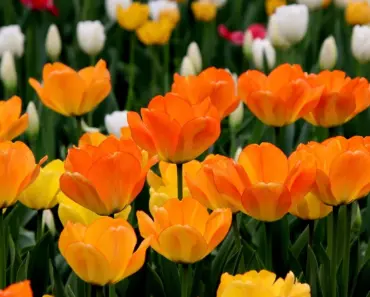
Rhonda grows Darwin tulips, some of the most reliable mid-spring bulbs available. Her note includes a lighthearted reminder: “gotta keep the deer scram handy!” It is a reality many gardeners face. Deer find tulip shoots irresistible. A single animal can devour an entire bed of ninety bulbs in one night.
One effective strategy involves using a rotating schedule of repellents. Deer have roughly 297 million olfactory receptors. A single scent becomes familiar quickly, so swapping between garlic-based, egg-based, and soap-based sprays every two weeks maintains the deterrent effect. Physical barriers often outperform sprays. Wire mesh laid flat over the soil in winter prevents deer from sniffing out the emerging shoots. Removing the mesh once stems reach six inches tall is safe and allows the plants to develop naturally.
Another approach is to plant tulips in raised beds or near the house, where deer are less likely to venture. Pairing tulips with daffodils, which deer avoid due to their toxic alkaloids, creates a natural buffer.
4. Embrace a Frost-Nipped Daffodil’s Character
Rhonda’s ‘Erlicheer’ daffodil (Narcissus ‘Erlicheer’) gets nipped by frost nearly every year. She confesses, “I really should move it!” Yet she leaves it where it is. This is a beautiful lesson in garden humility. Sometimes the plants that require a small concession become the most memorable.
‘Erlicheer’ is a double-flowered daffodil known for its strong fragrance and early bloom time. It pushes up flowers in late winter or very early spring, which makes it vulnerable to sudden temperature drops. The USDA lists it for Zones 5 through 9, but even in Zone 7a, a rogue freeze can brown the petal edges. The plant sits in a low spot where cold air gathers. Moving it would likely solve the frost issue, but the plant has become a beloved fixture.
Rather than fighting the microclimate, Rhonda lets the minor imperfection become part of the plant’s story. The blooms still offer weeks of perfume and a delicate white color. This tension between optimization and sentimentality is familiar to long-time gardeners.
5. Add a Fragrance Anchor with Koreanspice Viburnum
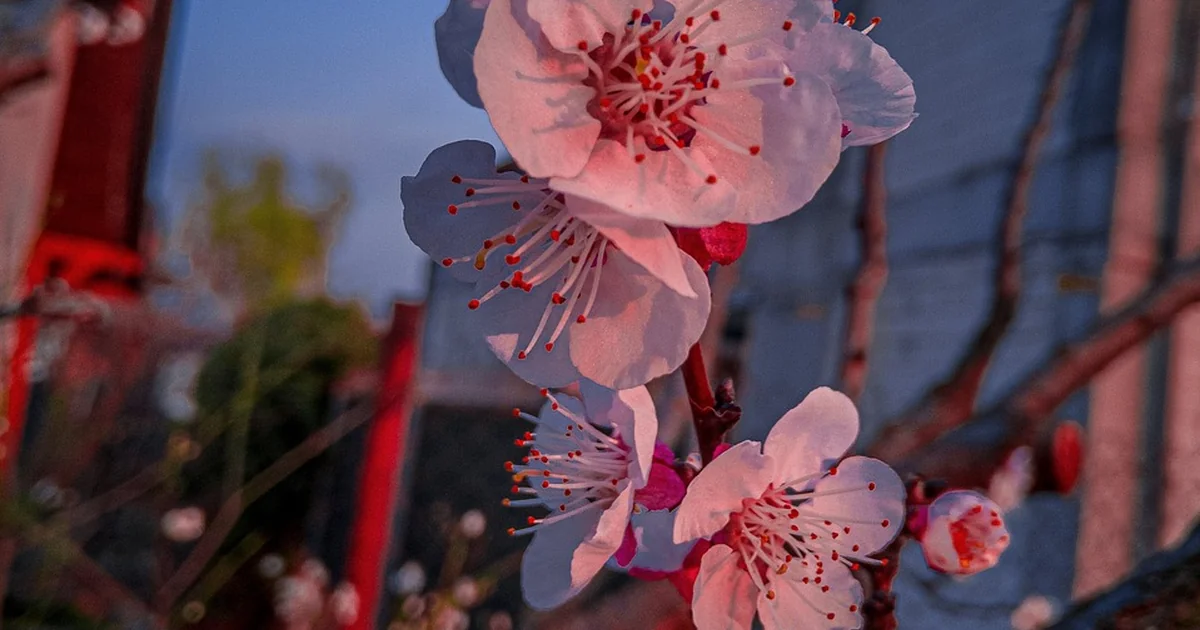
Koreanspice viburnum (Viburnum carlesii) fills the garden with a clove-like scent that drifts across pathways. Rhonda features this shrub prominently in her spring garden updates. Introduced to Western gardens from Korea in 1885, it remains one of the most fragrant deciduous shrubs available. Its flower clusters are technically corymbs, measuring about 3 inches across.
The pink flower buds open to reveal white blossoms, creating a two-tone effect before the scent even arrives. The growth rate is moderate, adding roughly 12 to 24 inches per year. Plant it near a seating area or entryway to catch the fragrance during peak bloom. Pruning should happen immediately after flowering because next year’s flower buds form in late summer. The autumn foliage turns a striking burgundy red, giving the shrub a second season of interest.
You may also enjoy reading: 5 Steps to Install Drip Irrigation System.
6. Long-Term Layouts Are a Core Spring Garden Idea
Rhonda has been gardening for 35 years, but the core layout of her landscape was completed in 2011. This forward-thinking investment in structure is one of the most overlooked spring garden ideas. A well-defined bed line, anchoring shrubs, and clear pathways keep the garden cohesive even as perennials expand or get swapped.
Think of your layout as the skeleton of the garden. Evergreens like the Alaskan cedar provide winter weight. Deciduous trees and shrubs supply seasonal peaks. A garden layout designed for maturity anticipates the size of plants at year 10, not year 1. Spacing is critical. Shrubs that look bare at planting will fill in rapidly. Overcrowding leads to disease and constant relocation. A simple trick is to use a garden hose to outline beds on the grass. Adjust the curves until they feel balanced from the house windows. Photograph the hose outline from an upper window to check the proportions.
A practical exercise is to sketch your garden today and note what you would keep if you started over. Those elements become your permanent framework.
7. Chase the Evening Light for Stunning Views
One of Rhonda’s hellebore photos was captured specifically “in the evening light.” This is a deliberate act that transforms an ordinary flower into a luminous object. The low angle of the sun during late afternoon illuminates the petal backs, revealing intricate veining that morning light washes out.
The “golden hour” begins roughly an hour before sunset. Taking a walk then allows you to see familiar blooms in a completely new way. Hellebore petals are particularly responsive to backlighting because their thin tissue transmits light easily. A gardener can simply walk the garden with a cup of tea during this time. No camera is needed. Noticing which flowers catch the light and which recede into shadow helps inform future plant placement.
8. Mulch and Weeding Set the Stage for Beauty
Before Rhonda snapped her photos, she wrote, “We just finished mulching and weeding.” This foundational step cannot be skipped. Fresh mulch provides a dark, uniform backdrop that makes every flower stand out. It also suppresses weeds and moderates soil temperature swings.
Organic mulches include shredded hardwood, pine bark, leaf mold, and composted manure. Each breaks down at a different rate. Hardwood mulch lasts about a year before needing replenishment. Pine bark lasts a bit longer. In Rhonda’s garden, the dark mulch provides a neutral backdrop that Koreanspice viburnum and hellebores float above visually. A 2 to 3 inch layer is the sweet spot. More than that can suffocate roots. Less than that fails to block light from weed seeds. Apply the layer after the soil has warmed in spring to get the best results.
9. Document Your Garden for Future Spring Garden Ideas
Rhonda is a frequent contributor to online garden photo features, and her archive of images over several years shows how her garden has matured. Taking regular photos creates a personal timeline of successes and shifts. This practice is one of the most rewarding spring garden ideas because it encourages reflection.
You do not need a fancy camera. A smartphone held steady at eye level captures plenty of detail. Date the files and store them in a folder labeled by season. Over five years, this collection becomes a valuable record of what thrived and what struggled. By submitting her garden, Rhonda also creates an accountability partner. The act of photographing forces a focus on composition and detail. Small issues like spent blooms or encroaching weeds become visible through the lens. Readers who document their gardens report feeling more connected to the space. It becomes a project rather than a chore. The submission process for garden features is generally simple: gather five to ten images, write a short paragraph about your zone and experience, and send it in.
Rhonda’s Pennsylvania garden proves that the best spring garden ideas often arise from patience and consistent care. Whether you are protecting tulips from deer, letting a frost-nipped daffodil stay put, or stepping back to admire the evening light, the goal is to enjoy the moment after the chores end. Thank you for sharing your beautiful update with us, Rhonda. Your landscape is always a delight, and it is wonderful to see the growing season begin on such a lovely note. If you have a spring garden worth celebrating, consider documenting your own view and sharing it with the gardening community.