Why Raised Beds Transform Tomato Gardening
If you have ever poured time and energy into garden tomatoes only to end up with cracked fruit, leggy vines, or disappointing harvests, the problem might not be your effort. It is often the growing environment. Raised beds offer a simple fix. They provide sharper drainage and give you complete control over soil quality. This is exactly what heavy-feeding tomato plants need to thrive. When you start searching for the best tomatoes for raised beds, the number of choices can feel overwhelming. The trick is to pick varieties that reward your specific setup. The following seven options were chosen because they handle confined, deep soil exceptionally well. They cover a range of uses from slicing and saucing to snacking straight off the vine.
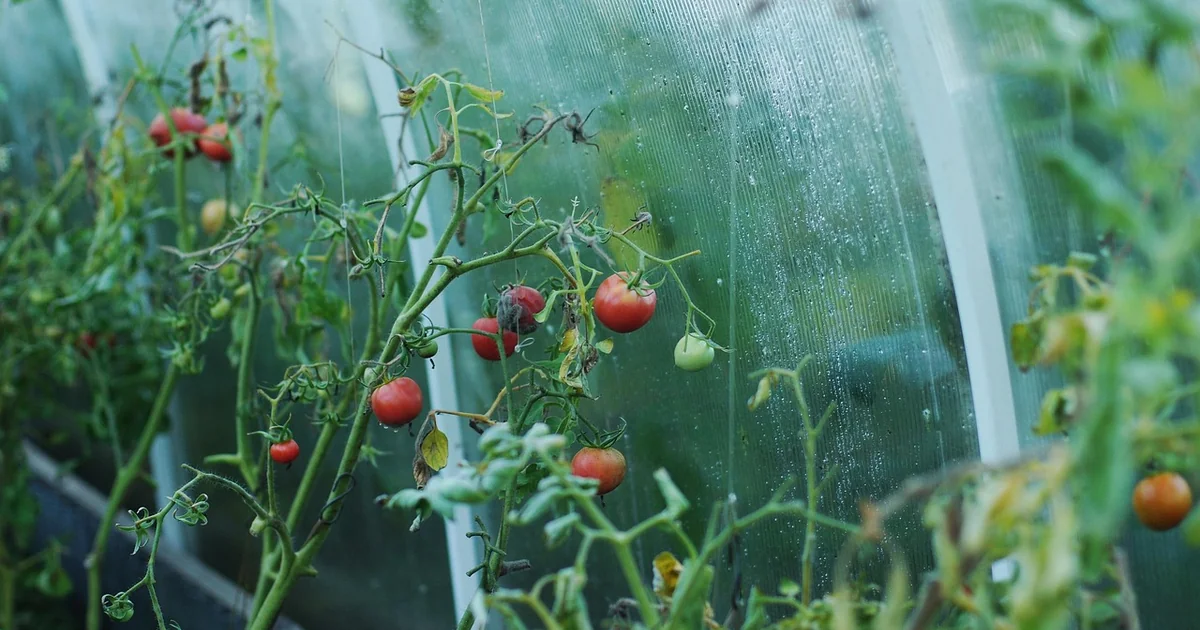
The structure of a raised bed encourages strong root development. Because the soil is loose and deep, roots can spread further and access nutrients more easily. This leads to sturdier plants and larger harvests. With the right variety, you can turn a compact space into a remarkably productive patch. The seven tomatoes listed below were selected for their proven performance in these conditions. Each offers unique flavors, growth habits, or visual appeal that make them worth the precious real estate in your garden.
1. Moneymaker: The Reliable Heavyweight
This variety has been a staple since the mid-20th century, and its name says it all. Growers originally valued it for producing heavy, uniform crops. In a home raised bed, that translates to a steady supply of four-ounce fruits. The flavor is sweet and the flesh is meaty. It handles sweltering summer heat better than many modern hybrids. Because it is indeterminate, the vines will climb to six feet or more. Plan for a tall stake or a sturdy cage. You will see your first ripe fruit about 75 days after transplanting. If you need one dependable plant to fill your kitchen, this is a top contender.
Moneymaker earned its reputation during the 1920s in England, where it was developed for commercial growers who needed consistent results. That reliability translates perfectly to the home garden today. In a raised bed, the warm soil encourages the roots to establish quickly. The plant responds with vigorous growth and a long harvest window. You can expect to pick fruits from midsummer straight through to the first frost. For slicing onto sandwiches or cooking into a simple sauce, the medium size is incredibly versatile.
2. Pineapple: The Show-Stopping Bicolor
If you have never grown a bicolor tomato, Pineapple is a fantastic entry point. The fruits ripen to a deep yellow-orange with red streaks running through the skin and the interior. They often hit a pound or more. The flavor is low in acid with a distinct fruitiness. The flesh is dense and meaty with very few seeds. It is perfect for thick sandwich slices or colorful summer salads. There is a catch. Pineapple takes its time, usually around 90 days from transplanting. The plants need serious structural support. These heavy fruits will drag an unsupported vine straight to the ground. The wait and the staking are worth it, but set your expectations for a late-season reward.
The low-acid quality of Pineapple makes it a favorite for people who find traditional tomatoes too tangy. The dense flesh holds up well on a grill or under a broiler. In a raised bed, you can control the moisture levels carefully to prevent the large fruits from cracking as they mature. This is critical because a split fruit invites pests and rot. By providing consistent watering through a drip line or soaker hose, you protect your investment in this slow-growing beauty. The visual payoff when you slice one open is truly stunning.
3. Cherokee Carbon: The Improved Heirloom
This hybrid was bred specifically to solve the problems of heirloom tomatoes while keeping their complex flavor. It is a cross that produces a 10- to 12-ounce purple beefsteak. You get the rich, tangy-sweet taste of the Cherokee lineage with far fewer cracks and blemishes. It also ripens earlier than its parent varieties. In a raised bed, the indeterminate vines need the same staking as any large tomato, but the plants are noticeably more productive. If you have loved the flavor of Cherokee Purple but found yourself frustrated by cracked fruit, this is one of the best tomatoes for raised beds.
Cherokee Carbon was developed by breeders who crossed Cherokee Purple with Carbon, another dark-fruited heirloom. The result is a tomato that offers the best of both worlds. It has the rich, complex taste of a classic heirloom with the disease resistance and structural integrity of a hybrid. In a raised bed, the improved drainage helps prevent the root rot that can plague heirlooms in wet seasons. You will notice that the fruits are firmer and hold their shape better on the vine. This variety lets you enjoy the flavor you crave without the heartbreak of a ruined harvest.
4. Cherokee Purple: The Flavor Legend
Speaking of the original. Cherokee Purple is the variety that turns casual gardeners into tomato snobs. The flavor is deep, sweet, and carries an underlying smokiness that is hard to describe. It ruins you for supermarket tomatoes. This is a thin-skinned tomato. It bruises easily and tends to crack in wet weather. This is where the raised bed shines. The improved drainage directly reduces the cracking problem. You still need to handle the fruits gently and use them within a day or two of picking. The vines are vigorous and will reach six feet. For pure, unmatched taste, this heirloom remains a top choice.
Cherokee Purple has a fascinating origin story. It was first grown by the Cherokee people in the 1800s and was later preserved by seed savers in the 1990s. That history alone makes it a special plant to grow. In a raised bed, you can fill the soil with rich organic matter to support its intense flavor development. The deep purple color is a sign of high antioxidant content. When you cut into a perfectly ripe fruit, the dark red interior with green gel around the seeds is a mark of authenticity. It is the ultimate tomato for a caprese salad or a simple slice with salt.
5. Italian Roma: The Sauce Specialist
Not every tomato in your raised bed needs to be a slicer. Italian Roma is a compact determinate variety bred specifically for cooking. The oblong fruits are about three inches long with dense flesh, few seeds, and a meaty interior. The plant itself stays around three feet tall, so it requires less staking than the indeterminate giants. Because it is determinate, the fruits ripen over a relatively short period. This makes it perfect for a big batch of homemade sauce, salsa, or canning. If you love preserving the harvest, this paste tomato belongs in your garden.
You may also enjoy reading: 7 Tips to Grow the Perfect Potted Herb Garden.
Italian Roma is a classic paste tomato that has been a favorite for generations. The plants are stocky and produce a heavy load of fruit over about a four-week window. In a raised bed, you can plant them slightly closer than the indeterminate types since they will not sprawl as much. The thick walls and low moisture content mean you get more usable flesh per pound. For families who enjoy making pizza sauce, ketchup, or sun-dried tomatoes at home, this variety is indispensable. The fruits also freeze beautifully if you blanch and peel them first.
6. Indigo Rose: The Antioxidant Powerhouse
This cherry tomato is almost as fun to watch grow as it is to eat. The fruits start green and develop a deep purple-black pigmentation on the shoulders where the sun hits them. The bottom ripens to a classic red. This dark color comes from anthocyanins, the same antioxidants found in blueberries. The flavor is sweet and slightly smoky, with a firm texture that holds up well in salads. The indeterminate vines are vigorous but manageable in a raised bed. They produce clusters of one-inch fruits all summer long. It adds a stunning visual contrast to your harvest basket.
Indigo Rose was developed at Oregon State University as part of a breeding program focused on nutritional value. It was released to home gardeners in 2012 and quickly became a sensation. The anthocyanins in the skin are water-soluble and develop only when the fruit is exposed to direct sunlight. In a raised bed, you can position the plant in the sunniest corner to maximize this unique trait. The firm texture makes it an excellent choice for skewers or for roasting. Kids especially love the dramatic color change as the fruits ripen.
7. Sun Gold: The Sweet Snacking Champion
If you want a cherry tomato that disappears as fast as it ripens, Sun Gold is the answer. These small, orange-gold fruits are exceptionally sweet, often registering 12-13 on the Brix scale (a measure of sugar content). The flavor is almost tropical. The vines are indeterminate and incredibly productive, often yielding hundreds of fruits over the season. They need a tall trellis or cage. In a raised bed, Sun Gold thrives because the warm soil encourages early and continuous production. It is the perfect plant for kids to snack on right in the garden. Just be prepared to share.
Sun Gold was introduced by the Takii seed company in 1992 and has been a bestseller ever since. The reason is simple. Nothing else tastes quite like it. The balance of sugar and acid creates a flavor explosion in your mouth. In a raised bed, the vines can easily reach eight feet or more by the end of the season. Training them up a sturdy trellis keeps the fruit clean and easy to pick. The productivity is almost absurd. A single plant can provide enough fruit for a family of four to snack on daily for months. It is the undisputed champion of the cherry tomato world.
Bringing It All Together in Your Raised Bed
Choosing the right mix of these seven varieties will give you a garden that produces from early summer until the first hard frost. A standard raised bed that measures four feet by eight feet can comfortably hold three or four indeterminate plants if you provide strong supports. If you are diligent about pruning suckers and keeping the plants upright, you can push that number to five. The determinate varieties like Italian Roma can be tucked in around the edges or grown in separate beds. The goal is to create a system that feeds your family with fresh, flavorful fruit for months on end.
When you plant tomatoes for raised beds, the key is to prepare the soil deeply before transplanting. Mix in several inches of well-rotted compost or aged manure to provide the nutrients needed for a long growing season. Consider adding a slow-release fertilizer formulated for tomatoes at planting time. After that, consistent watering and a layer of mulch will keep the plants happy. With these seven varieties in your garden, you will have slicers for sandwiches, paste tomatoes for sauce, and cherries for snacking. Your raised bed will become the envy of the neighborhood.