Five Reasons IKEA’s New Artificial Stems Are a Spring Game Changer
Spring has a way of making us crave fresh blooms and brighter spaces. Yet keeping real flowers alive takes consistent effort. They wilt soon after cutting. They need water changes every other day. They require careful placement away from direct sun or drafts. For many households, this routine becomes a chore rather than a joy. That is where well-made substitutes come in, offering lasting beauty without the constant upkeep. IKEA noticed this gap in our daily lives and recently expanded their range of artificial stems. Their new collection brings immediate freshness to any room without the fuss. It also introduces options made from recycled materials and paper-based designs that feel surprisingly natural.
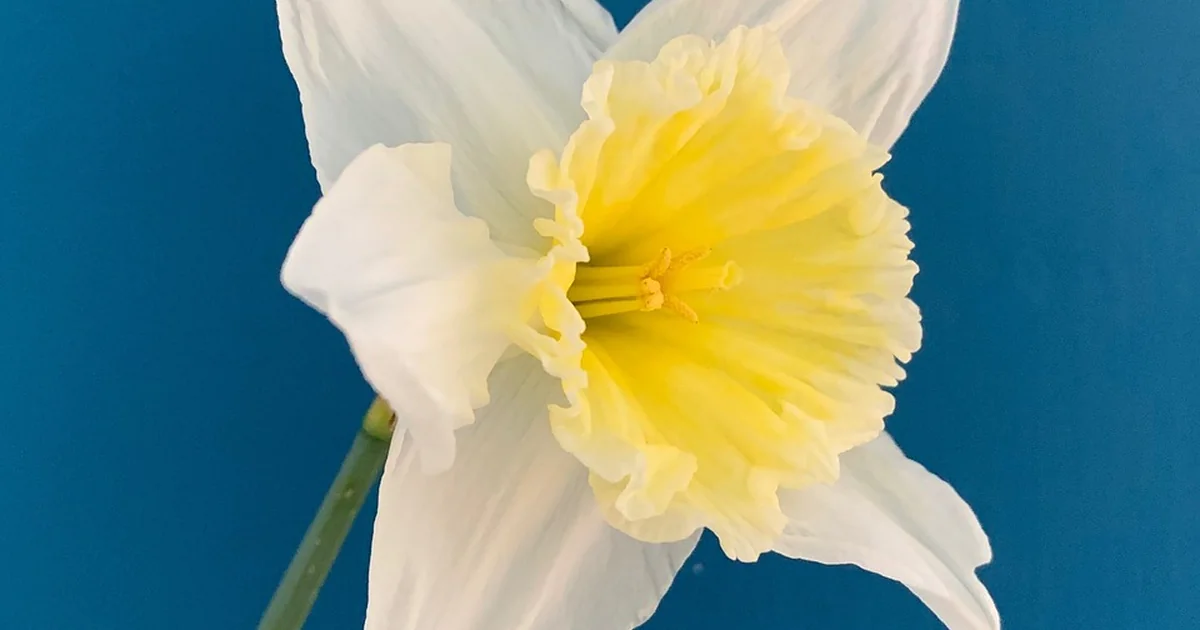
Below are five specific ways these products can transform your home this season. Each approach solves a common problem that real flowers create.
1. Combine Fake Stems with Real Greenery
One of the trickiest parts of decorating with artificial flowers is making them look believable. The eye catches plastic sheen quick. A cluster of entirely fake blooms can feel flat or overly uniform. The easiest fix involves mixing them with something real. Fresh foliage from your garden or even store-bought herbs creates texture that breaks up the artificial look. The contrast tricks the eye because natural leaves have slight imperfections and variations in color that synthetic materials rarely mimic perfectly.
IKEA’s SMYCKA hydrangea stems measure 21¾ inches tall and work both indoors and outdoors. Pair them with fresh eucalyptus branches or fern fronds cut from your yard. The real leaves add organic lines while the hydrangea broad petals lack. The result becomes a balanced arrangement where the faux flowers spring forward as the star while the greenery grounds everything in reality. For those without access to fresh foliage, dried leaves or preserved moss also work well. The key lies in layering textures so that no single material dominates.
This technique solves the problem of guests immediately noticing something looks off. When fake blooms sit beside real leaves, the brain accepts the whole cluster as natural. It costs nothing extra because you already own the greenery. And it extends the life of your arrangement indefinitely since the artificial stems never fade while the fresh foliage can be swapped out weekly.
2. Adjust Stem Length for a Natural Silhouette
Most store-bought artificial stems arrive with uniform lengths. A straight row of identical stems packed into a vase looks rigid. It screams manufactured. The solution is deceptively simple: cut them to different heights. IKEA’s stems, including the new GULDSPETT paper series, contain steel wire inside. This wire allows bending into natural curves without snapping. A pair of standard pliers lets you trim the bottom of each stem to a varied length. Once cut, you can bend the wire to create gentle arcs that mimic how real flowers grow toward light.
The GULDSPETT collection includes three flower types. The anemone stem is 13¾ inches. The poppy reaches 15¾ inches. The iris stands at 17¾ inches. Each one can be shortened or curved independently. This variety means you can build a cluster with graduated heights, which looks far more organic than a flat top. The paper material also has a matte finish that avoids the glossy shine typical of cheaper plastic flowers. Because these stems are paper-based, they are intended for indoor use only. Moisture would damage the material quickly.
This approach solves the problem of arrangements that look stiff and artificial. By investing five minutes with pliers, you create a silhouette that resembles a hand-picked garden bunch. The stems will hold their shape indefinitely, unlike real flowers that droop after a day or two. For anyone who enjoys DIY decor but dislikes the cost of fresh-cut blooms, this method offers a satisfying hands-on experience without the recurring expense.
3. Use Faux Flowers Spring Spaces Outdoors
Spring weather can be unpredictable. A sudden rain shower can ruin a freshly planted container. Strong winds knock over lightweight pots. For covered patios, porches, and pergolas, real plants still require watering and deadheading. Artificial stems designed for outdoor use eliminate these concerns entirely. Many of IKEA’s products are made from recycled polyester and polyethylene, materials that hold up well against sun and occasional moisture for at least one season.
The SMYCKA hydrangea stems mentioned earlier are suitable for both indoor and outdoor placement. They resist fading from sunlight better than paper-based options. The FEIJKA line of potted faux plants also works outside. These small plants contain at least 50 percent recycled plastic by weight. The baby’s breath plant stands 8¼ inches tall in a 3½ inch diameter pot. The lavender plant reaches 19 inches and comes in a 4¾ inch pot. The trailing bougainvillea offers cascading stems that work well on shelves or hanging brackets.
This solves the problem of wanting seasonal color on a patio without the labor of replanting every few weeks. Place them in a sheltered spot where they avoid direct downpours. They will keep their color through spring and into summer. When fall arrives, you can move them back indoors or store them for next year. The investment pays for itself after two seasons compared to buying fresh annuals each spring.
4. Choose Sustainable Options with Recycled Content with recycled Materials
Many people hesitate to buy artificial flowers because of environmental concerns. Plastic waste concerns. IKEA address is this directly with their FEIJKA and SMYCKA lines that use at least 50 percent recycled content. The FEIJKA baby’s breath, lavender, and bougainvillea all meet this standard. The SMYCKA bougainvillea and cosmos bouquets feature 20-inch stems and the same recycled plastic composition. These products offer a way to enjoy permanent decor without adding virgin plastic to the supply chain.
The MÄVINN bouquet takes a different approach. It consists of dried natural foliage and flowers, meaning it contains no plastic at all. This option appeals to those who want a biodegradable alternative that still lasts months rather than days. Dried arrangements have their own maintenance needs. They shed small particles and fade in direct sunlight over time. But they offer a middle ground between fresh flowers and fully synthetic stems.
You may also enjoy reading: 55 Famous Failures Who Eventually Achieved Greatness.
This solves the problem of wanting low-maintenance decor while staying aligned with environmental values. The recycled plastic stems reduce demand for new petroleum-based materials. The dried bouquet option avoids plastic entirely. For eco-conscious decorators, checking the product tag for recycled content ensures the purchase supports circular material use. It also means less waste compared to buying fresh flowers shipped from across the world every week.
5. Hunt Down Limited Editions for Unique Displays
Mass-produced decor can feel generic. Everyone’s home starts to look alike when the same items appear in every store. IKEA solves this by releasing limited edition stems alongside their permanent collection. The SMYCKA hydrangea stems and certain FEIJKA plants are limited runs. This creates a natural timeline for shoppers. If you see them in stock, buying soon matters because they may not return next season.
Limited editions also tend to feature seasonal colors and shapes that depart from the standard lineup. The cosmos bouquet with its airy petals and the trailing bougainvillea both fall into this category. These pieces allow you to build a spring arrangement that feels current rather than generic. Because they are produced in smaller quantities, fewer homes will have the same display. The exclusivity adds perceived value even though the price tags remain affordable.
This solves the problem of wanting something distinctive without custom-ordering or paying premium boutique prices. Check the store or website regularly during early spring. When a limited stem catches your eye, buy it promptly. Shelve it alongside permanent stems from the same brand for a cohesive look. The limited pieces become conversation starters because guests notice they are different from the usual offerings.
Practical Precautions for Long-Lasting Displays
Artificial stems require some care to keep them looking their best. Dust accumulates on petals and leaves over time. A quick wipe with a damp cloth every few weeks restores clarity. For paper-based stems like GULDSPETT, avoid water entirely. Use a dry microfiber cloth or a soft brush instead. For recycled plastic stems, mild soap and water works well. Dry them completely before returning them to a vase to prevent mold on the stems or container.
When using faux stems outdoors, remember that polyethylene and recycled polyester can become brittle after prolonged sun exposure. One season is the recommended lifespan for outdoor use. After that, move them indoors or discard them. Store them in a cool, dry place during winter months if you plan to reuse them. Avoid leaving them in standing water, as the wire inside some stems can rust over time even if the plastic exterior remains intact.
Another tip involves choosing the right vase. Clear glass vases can amplify the artificial look because the stems are visible. Opaque ceramic or matte pottery hides the uniform bases and enhances the natural illusion. Fill the vase with decorative pebbles, sand, or even real soil to anchor the stems and mimic a real planting. This small detail makes a significant difference in how realistic the final arrangement appears.
Bringing It All Together This Season
Spring decorating does not require a green thumb or a weekly flower budget. IKEA’s expanded collection of artificial stems offers practical solutions for common frustrations. Mixing fake blooms with real foliage solves the believability problem. Cutting and bending stems creates natural silhouettes. Choosing outdoor-rated options provides worry-free patio color. Selecting recycled materials aligns with sustainability goals. And hunting down limited editions delivers unique style without premium costs.
The key is to approach these products as tools rather than substitutes. They fill gaps that real flowers cannot easily fill. They work around busy schedules, unpredictable weather, and tight budgets. They give you permission to enjoy the visual spirit of spring without the emotional labor of keeping living things alive. That is why they earn the title of spring’s best cheat. They deliver the look you want with none of the guilt.