Most people think catnip is just a treat for felines, but this hardy perennial from the mint family has a secret life as a remarkably low-maintenance garden plant. It thrives with minimal fuss, tolerates drought, and rewards you with fragrant leaves that can be dried for toys, teas, or sachets. However, a few common mistakes—overwatering, wrong light, or poor soil—can turn a promising patch into a sad, leggy mess. These seven insider tips will help you avoid those pitfalls and master growing catnip indoors or out.
1. Start Seeds at the Right Time for Indoor Success
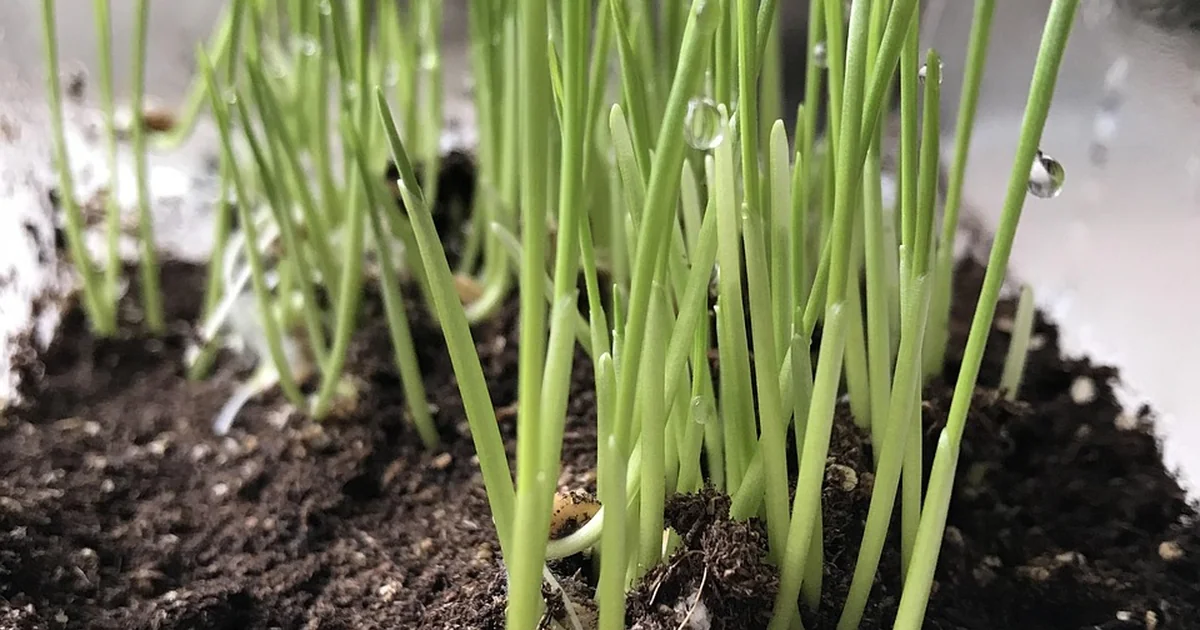
Timing matters more than you might expect. If you want a head start on the season, begin seeds indoors about six weeks before your area’s last spring frost. This window gives seedlings enough time to develop sturdy roots and several sets of true leaves before they face outdoor conditions.
Use a seed-starting mix that drains quickly. Press seeds lightly into the surface and cover them with just a whisper of soil—catnip needs light to germinate. Keep the mix consistently damp but never soggy. A humidity dome or plastic wrap helps retain moisture during the first week. Once sprouts appear, remove the cover and place containers under bright, direct light. For growing catnip indoors long-term, you will need a sunny windowsill with at least six hours of sun each day. If natural light is scarce, a full-spectrum grow light works just as well.
2. Choose the Right Soil and Pot to Avoid Root Rot
Catnip’s number one enemy is standing water. The plant evolved in rocky, sandy soils of Europe and Asia, where excess moisture drains away rapidly. When roots sit in wet soil, they rot, and the plant collapses within days.
For container growing—whether you plan to move plants outdoors or keep them permanently inside—select a pot with drainage holes. Unglazed clay pots are ideal because they allow moisture to evaporate through the sides. Fill the container with a well-draining mix: a blend of standard potting soil, coarse sand, and perlite in equal parts creates the perfect texture. Aim for a soil pH between 6.1 and 7.8, which covers acidic, neutral, and slightly alkaline conditions. If you are planting directly in the ground, amend heavy clay with compost and sand to improve drainage. This step alone prevents the vast majority of catnip disappointments.
3. Provide at Least Six Hours of Direct Sun—Indoors or Out
Light is the fuel that drives catnip’s lush growth. Without enough, stems stretch toward the window, leaves become sparse, and the plant loses its potency. Indoors, place your pot on a south-facing sill where it receives uninterrupted sunlight for most of the day.
If your only available window faces east or west, supplement with a grow lamp positioned a few inches above the plant. Rotate the pot every few days to ensure even growth. Outdoors, full sun is best, but in scorching climates (zones 7 and warmer), afternoon shade prevents leaf scorch. Remember, when growing catnip indoors, you are in full control of the light schedule—use it wisely.
4. Water Sparingly—Let the Soil Dry Between Drinks
Overwatering kills more catnip plants than any pest or disease. This herb is drought-tolerant by nature. Its roots stay healthier when allowed to dry out slightly between waterings. For seedlings, keep the soil barely moist. For mature plants, wait until the top inch of soil feels dry to the touch before watering again.
One reliable trick: lift the pot. A dry container feels noticeably lighter than a wet one. If the leaves begin to wilt, that is a sign of thirst—give the plant a deep soak and it should perk up within hours. In humid weather, reduce watering frequency further. Good air circulation around the pot also helps prevent fungal issues, especially in closed indoor environments. If you are serious about growing catnip indoors, resist the urge to water on a schedule; let the plant tell you when it needs a drink.
5. Prune Strategically to Keep Plants Bushy and Contained
Catnip spreads aggressively if left unchecked. It self-seeds freely and sends out underground runners. Without intervention, one plant can colonize a whole garden bed. Pruning solves two problems at once: it keeps the plant compact and prevents it from taking over.
You may also enjoy reading: 7 Tips to Grow Cucumbers in Pots Like a Pro.
Pinch back the tips of young stems when they reach about six inches tall. This encourages branching and creates a fuller shape. Once flowers appear, you have a decision to make. If you want to harvest, cut the stems when blooms are fully open but before they start setting seed. If you want to prevent reseeding, deadhead spent flowers immediately. In autumn after the first frost, cut the entire plant down to a few inches above the ground. This winter cleanup reduces disease and makes room for fresh spring growth.
6. Harvest at Peak Potency for the Best Catnip
The chemical that drives cats wild—nepetalactone—is most concentrated in the leaves and flowers just as the plant begins to bloom. Harvest in late morning, after the dew has evaporated but before the afternoon heat stresses the leaves.
Use clean scissors or shears to cut entire stems. Bundle them together and hang upside down in a dark, dry, well-ventilated spot. A closet, attic, or pantry works perfectly. After two to three weeks, the leaves will crumble easily. Store dried catnip in an airtight jar away from light. For maximum potency, crush the leaves just before use rather than pre-crushing them. If you are growing catnip indoors, you can harvest multiple times per season by cutting stems strategically and allowing the plant to regrow.
7. Control Spread with Containers and Boundaries
Catnip is not shy about claiming territory. A single plant can produce thousands of seeds and send runners several feet in one season. The simplest containment strategy is to grow it in pots. A container at least twelve inches in diameter gives roots enough room while keeping the plant confined.
If planting in the ground, install a physical barrier. Bury a plastic or metal edging ring around the planting area, extending about eight inches deep. This stops underground runners from escaping. You can also place your catnip bed next to a stone wall or within a raised garden bed. For indoor fans, container growing is already a natural boundary. Just remember that even an indoor catnip plant can drop seeds onto nearby pots—keep an eye out for uninvited seedlings.
Bonus: Recognizing Common Problems Before They Worsen
Yellowing leaves often indicate overwatering or poor drainage. Cut back on water and check that the pot’s drainage holes are clear. Leggy, stretched growth means insufficient light—move the plant closer to the window or add a grow lamp. Wilting in hot weather usually resolves with a deep watering and some afternoon shade. Powdery mildew appears in humid conditions; improve air circulation by spacing plants apart and avoiding overhead watering.
By following these seven insider tips, you will enjoy a vigorous, productive catnip plant that provides months of enjoyment for both you and your feline companions. Whether you are starting seeds on a sunny windowsill or managing an outdoor patch, the principles remain the same: give catnip bright light, excellent drainage, and a light hand with water.