It is a familiar frustration. You plant a sun-loving coneflower or a lavender in a dim corner, watch it stretch thin and pale, and then conclude that your yard is a lost cause. But that failure is rarely the shade’s fault. It is a mismatch. A sun-worshipper placed in a low-light spot spends its energy reaching for photons it will never catch. The result is a scraggly, unhappy plant that eventually gives up entirely.
The real trick is choosing the right partners for the darkness. There is a whole world of low maintenance shade perennials that not only tolerate dim conditions but actively prefer them. Many of these plants require less fuss than the average sunny border flower. They come back year after year without prompting, spread gradually, and demand very little from you. The list below covers a range of conditions — from damp corners to dry spots under mature trees — so you can find something that fits your particular slice of shadow.
Why Shade Gardening Often Goes Wrong
Most gardeners treat shade like a problem to be solved. They try to force sun-loving plants into dark spaces and then wonder why things fail. The better approach is to accept the conditions you have and select plants that evolved for them. Low maintenance shade perennials are not a compromise. They are a category of tough, adaptable plants that do their best work away from direct sunlight.
A typical sunny border demands staking, deadheading, and frequent watering. Shade plants, by contrast, often need less of everything. They grow slower, which means less division and pruning. They lose less water to evaporation, so you water less often. The trick is knowing which species to trust and where to put them.
1. Hosta — The Reliable Workhorse of the Shade Garden
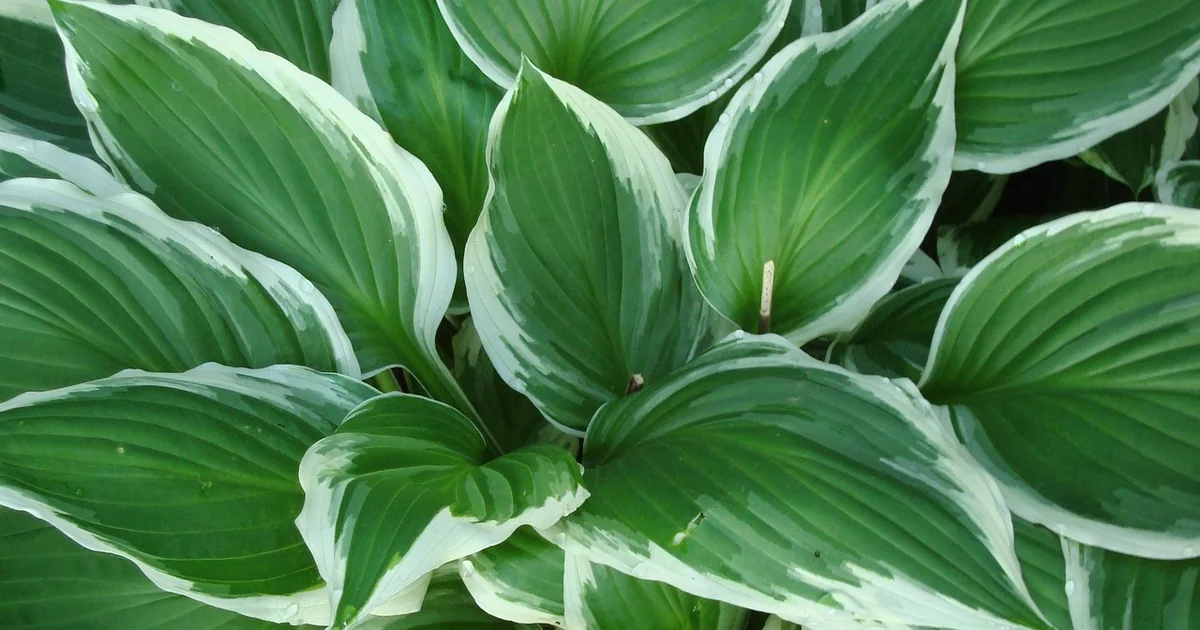
Hostas are so common that many gardeners overlook how varied they actually are. The category spans tiny mounds that fit in a trough all the way to plants with leaves so large they look almost tropical. Foliage colors range from deep blue-green to bright gold to near-white. Some have solid leaves; others are variegated with creamy edges or centers.
Part to full shade suits hostas perfectly. They do struggle in dense, dry shade under a big tree where roots compete for every drop of water. Give them a fair amount of moisture, though, and they are extremely low-maintenance once established. Plants come back bigger each year and will eventually need division, but otherwise they prefer to be left alone.
Slugs are the one consistent headache with hostas. The best strategy is to deal with the problem early in spring before the new leaves emerge. Slug and snail control pellets are worth having on hand. Apply them around the base of the plants as soon as you see the first shoots. It is much easier than trying to fix damaged foliage later in the season.
Hostas also pair well with other shade plants. Their broad leaves provide a textural contrast to finer foliage like ferns or astilbe. If you have a spot that gets morning sun but afternoon shade, hostas will thrive there too. They are forgiving of a little light as long as the soil stays reasonably moist.
Growing Tips for Hostas
Plant hostas in spring or fall when the soil is cool. Space them according to their mature size — small varieties need about 12 inches between plants, while large types need up to 36 inches. Water deeply once a week during dry spells. A layer of mulch around the base helps retain moisture and keeps the roots cool. Divide clumps every three to five years when the center starts to look bare or flowering declines.
2. Astilbe — Color Where Color Is Rare
Most shade gardens are a study in greens. Different textures, different leaf shapes, but mostly green. Astilbe breaks that pattern with feathery plumes in white, pink, red, and lavender. The flowers appear in early to midsummer and hold their shape as they dry, extending the show for weeks past the actual bloom period.
Moisture is non-negotiable for astilbe. Dry shade under a tree is not where it wants to be. Give it a reasonably moist spot with partial to full shade, and it becomes one of the most rewarding plants in the garden. The foliage is fern-like and attractive even when the plant is not in bloom.
Divide astilbe every few years when the flowering thins out. The best time to do this is early spring just as the new shoots appear. Dig up the clump, separate it into sections with a sharp spade, and replant at the same depth. Water well after division to help the roots settle.
Companion Plants for Astilbe
Astilbe pairs beautifully with hostas and ferns. The upright plumes contrast with the broad, rounded leaves of hostas and the delicate fronds of ferns. Plant astilbe in groups of three or five for the best visual impact. They also work well along a shaded stream bank or at the edge of a pond where the soil stays consistently damp.
3. Bleeding Heart — Early Season Drama
Shade beds often look empty from late winter until things finally get moving in early summer. Bleeding heart fills that awkward window with arching stems and pendant heart-shaped flowers that look like nothing else in the garden. The flowers hang in a row along the stem, each one a perfect pink or white heart with a small drop at the tip.
The plant dies back by midsummer and enters dormancy until the following spring. This means you will need something to fill the space it leaves behind. Hostas or ferns are both excellent choices for covering the gap. Plant them nearby so they can spread into the empty spot as the bleeding heart retreats.
Give bleeding heart part shade and consistent moisture. It mostly handles itself after the first season. The plants are long-lived and do not appreciate being moved once established. Choose your spot carefully and leave them there.
Managing the Dormancy Period
Do not panic when bleeding heart disappears in summer. This is normal behavior. Mark the spot with a small stake or plant a shallow-rooted annual over it to keep the area from looking bare. The plant will return reliably the following spring. Avoid overwatering the dormant area, as the roots can rot in soggy soil.
4. Hellebore — Winter Blooms That Defy the Cold
Hellebores bloom when almost nothing else does. They appear in late winter into early spring, sometimes pushing through a layer of snow. The flowers come in an unusual range of colors including plum, near-black, cream, white, and pink. Many varieties have speckled or picotee edges that add extra interest.
The foliage is evergreen in most climates, providing year-round structure in the shade garden. Old leaves can look tattered by late winter, so it is a good idea to cut them back just before the new flowers emerge. This clears the stage for the blooms and prevents disease.
Drainage is important for hellebores. Wet soil through cold weather can rot the crown. Plant them in a spot where water does not pool, especially in winter. Raised beds or sloped areas work well. Once established, hellebores are extremely long-lived and will self-seed gently around the garden.
Patience with Hellebores
Hellebores grow slowly the first year or two. Do not expect a big show immediately. They are putting energy into root development. By the third year, the clumps will start to fill in and produce more flowers. Seedlings that appear around the parent plant can be moved to new spots or given away to friends.
5. Fern — Texture That Never Quits
Ferns are the backbone of the shade garden. They provide texture, movement, and a lush feel that few other plants can match. The fronds unfurl in spring, creating a soft green carpet that lasts until frost. Many ferns are evergreen or semi-evergreen, so they offer interest even in winter.
Japanese painted fern is a standout for its silver and burgundy coloration. Autumn fern produces new growth in shades of copper and orange. Christmas fern stays green through the coldest months. Each species has slightly different light and moisture requirements, but most prefer part to full shade and consistently damp soil.
Ferns are virtually pest-free. Slugs and deer usually leave them alone. They spread slowly by underground rhizomes, filling in gaps without becoming aggressive. Divide clumps every few years to keep them vigorous or to start new plants in other parts of the garden.
Ferns for Dry Shade
Dry shade under a tree is one of the toughest spots in any garden. Most ferns need moisture, but a few tolerate drier conditions. Christmas fern and marginal wood fern are both good choices for dry shade. They will not grow as large as they would in moist soil, but they will survive and look respectable with minimal care.
6. Ligularia — Bold Leaves for Damp Spots
Ligularia is not for every shade garden, but if you have a consistently damp spot, it is a showstopper. The leaves are large, rounded, and often deeply toothed. Some varieties have purple undersides that add a second layer of interest. The flowers appear in late summer as tall spikes of yellow or orange daisy-like blooms.
You may also enjoy reading: 5 Simple Spring Ideas for Lee’s New York Garden.
The plant wilts dramatically in hot sun or dry soil. This is its way of telling you it needs more water. Plant it in full shade where the soil stays moist, and you will rarely see this behavior. The leaves will stay firm and glossy all season.
Ligularia pairs well with astilbe and hostas. The bold foliage provides a counterpoint to finer textures. It also works well at the edge of a water feature or in a low-lying area that collects runoff. Divide clumps in early spring every three to four years to keep the plant healthy.
A Word on Slug Resistance
Ligularia leaves are thick and somewhat leathery, which makes them less attractive to slugs than hostas. This is a real advantage in damp shade gardens where slugs are a constant problem. The flowers also attract pollinators, adding ecological value to the visual appeal.
7. Pulmonaria — Spotted Leaves and Early Flowers
Pulmonaria, commonly called lungwort, earns its place in the shade garden with two distinct seasons of interest. In early spring, it produces clusters of small flowers that shift from pink to blue as they age. After the flowers fade, the spotted or silver-splashed leaves take over, providing color and texture through the rest of the growing season.
The plant thrives in part to full shade and prefers consistently moist soil. It will tolerate some dryness once established, but the leaves may scorch at the edges if the soil gets too dry. A layer of mulch helps retain moisture and keeps the roots cool.
Pulmonaria spreads slowly by rhizomes, forming a tidy clump that does not need frequent division. Remove the spent flower stalks after blooming to keep the plant looking neat. The leaves are semi-evergreen in mild climates, so they provide some winter interest as well.
Using Pulmonaria as a Ground Cover
Pulmonaria works well as a low ground cover under shrubs or trees. Plant it in groups of five or more for the best effect. The spotted leaves brighten dark corners and pair nicely with the solid green foliage of ferns or the broad leaves of hostas. It is also one of the few low maintenance shade perennials that blooms before the trees leaf out, giving you color when the garden needs it most.
Designing with Low Maintenance Shade Perennials
Putting these plants together requires some thought about height, bloom time, and texture. Hostas and ferns form the backbone of most shade gardens. They provide structure and fill the space reliably. Astilbe and ligularia add vertical interest and color. Bleeding heart and pulmonaria cover the early season window when little else is happening. Hellebores extend the season into winter.
Layer the plants by height. Taller species like ligularia and some hostas go in the back. Medium plants like astilbe and ferns fill the middle. Low growers like pulmonaria and small hostas edge the front. This creates a natural-looking arrangement that hides the bare legs of taller plants.
Repeat the same plants in different parts of the garden to create a sense of cohesion. A cluster of hostas here and another there ties the space together. Use ferns as a unifying element throughout the bed. The repetition makes the garden feel intentional rather than random.
Dealing with Dry Shade
Dry shade under a large tree is the most challenging situation for any gardener. The tree roots suck up most of the available moisture, and the canopy blocks rainfall from reaching the ground. Few plants tolerate these conditions, but a handful do. Hellebores, certain ferns, and some hostas (especially the blue-leaved varieties) can handle dry shade once established.
Improve the soil by adding organic matter before planting. Water deeply and infrequently to encourage deep root growth. A thick layer of mulch helps retain whatever moisture reaches the soil. Consider installing a soaker hose on a timer to provide consistent water during dry spells.
Common Mistakes to Avoid
The biggest mistake gardeners make with shade plants is overwatering. Shade soil stays damp longer than sunny soil, so plants need less frequent irrigation. Check the soil moisture before watering. If it feels cool and moist an inch below the surface, wait another day or two.
Another mistake is planting too deeply. Shade plants often have shallow root systems that need air circulation near the crown. Burying the crown can lead to rot. Plant at the same depth the plant was growing in its container, and spread a thin layer of mulch around the base without piling it against the stem.
Finally, do not fertilize shade plants as heavily as you would sun-loving plants. They grow slower and need less nutrition. A light application of balanced fertilizer in spring is usually enough. Too much nitrogen produces soft, lush growth that attracts pests and diseases.
A Final Word on Patience
Shade gardens take longer to establish than sunny borders. The plants grow slower because they have less energy to work with. Do not expect instant results. Give the plants a season or two to settle in and spread. By the third year, the garden will start to look full and cohesive.
The payoff is a garden that requires less work over the long term. Once established, low maintenance shade perennials need little more than occasional division and watering during extreme dry spells. They are the plants that keep going while you sit back and enjoy the cool, quiet space they create.