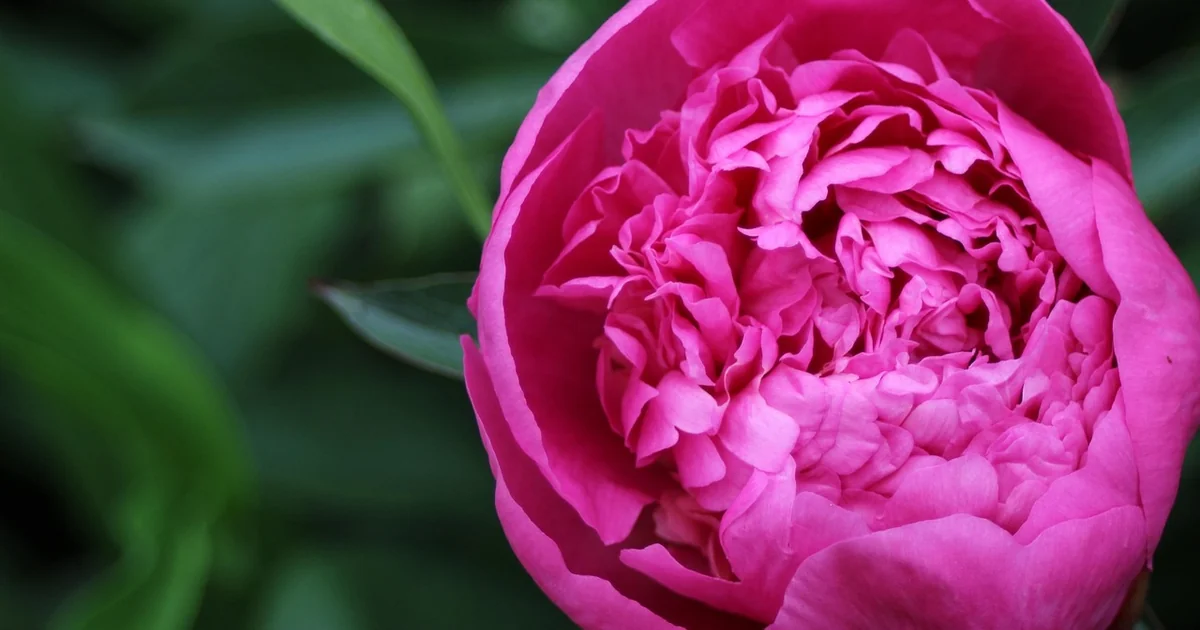
You wait all spring for your peonies to open. The buds swell. The stems grow heavy. And then, in a glorious burst, they bloom for roughly ten to fourteen days. After months of anticipation, that window feels impossibly short. But what if you could make that two-week show as abundant as possible? What if every stem carried a flower, and every mature plant produced dozens instead of a handful?
The good news is that peonies are remarkably generous perennials. A single plant can thrive for a century if placed well and given basic care. Getting them to perform at their peak comes down to a few straightforward adjustments. Most gardeners unknowingly make one or two small mistakes that limit bloom production. Correct those, and you will see a noticeable difference next season.
Below are seven proven ways to help your peonies bloom more. Each addresses a specific factor—sunlight, depth, nutrition, patience, pruning, airflow, or crowding. None require expensive supplies or advanced skills. The payoff, however, lasts for years.
Seven Simple Adjustments for More Peony Blooms
1. Set the Planting Depth Correctly
The single most common reason peonies refuse to bloom is that the crown sits too deep in the soil. Peony eyes—the small reddish-pink buds on the crown—need to be no more than one to two inches below the soil surface. When buried deeper, the plant produces lush green leaves but few or no flowers.
This depth can change without you noticing. Over several seasons, mulch piles up around the base, gradually burying the crown deeper. Freeze-thaw cycles in winter can also settle the plant lower into the ground. If an older peony that once bloomed well now puts out foliage only, investigate the crown depth.
In early spring, gently brush away soil and mulch around the base until you see the pinkish buds. If they sit deeper than two inches, you have found the problem. The permanent fix is to lift the entire root clump in autumn after the leaves die back, divide it if needed, and replant so the eyes sit just below the surface. A ruler helps—aim for exactly one and a half inches down. This correction alone often restores blooming within the following season or two.
2. Give Them More Direct Sunlight
Peonies are sun worshippers. They require at least six hours of direct sun each day to produce abundant flowers. Less light, especially during the crucial mid-morning to afternoon window, reduces bud formation and can lead to blind stems that never bloom.
If you notice a slow decline in flowers over several years, the surrounding landscape may have changed. A neighboring tree might have grown taller, casting more shade. A fence or building might now block the afternoon sun. Walk around your yard at different times of day during late spring and note how much unobstructed sunlight hits the peony patch.
When insufficient sun is the culprit, you have two choices. Prune back overhanging branches if possible. If that is not an option, move the peony to a sunnier bed. Moving is disruptive and the plant will take a year or two to recover, but it is worth doing. Dig up the whole clump in fall, replant at the correct depth in full sun, and water well until frost. The following spring, you may see only a few blooms, but by the second year the display should be stronger than ever.
3. Be Mindful with Nitrogen Fertilizer
Fertilizer can help or hinder peonies. The key is to avoid high-nitrogen formulas. Nitrogen drives lush leaf and stem growth at the expense of flower buds. A peony that looks like a giant green bush with no blooms is often overdosed on nitrogen.
A common hidden source is lawn fertilizer. If your peonies grow near a grass area that gets regular nitrogen treatments, the runoff can reach the peony roots. Even a gentle breeze carrying granular fertilizer can drift into the mulch. Switch to a slow-release, low-nitrogen lawn food near peony beds, or keep a buffer zone of bare soil or paving stones between the turf and the flowers.
In most garden soils, peonies do not need heavy feeding. A light top-dressing of compost in early spring or late autumn is sufficient. If you prefer a granular fertilizer, choose a balanced blend such as 5-10-10 or 4-12-12—the first number (nitrogen) should be smaller than the second and third. Apply sparingly, about a quarter cup per plant, scratched into the soil around the drip line after the foliage emerges. Overfeeding does more harm than good.
4. Practice Patience After Planting or Dividing
Newly planted peonies, whether from a nursery pot or as bare-root divisions, need time to establish before they bloom. Do not expect flowers in the first year. Most peonies take one to three years to produce their first reliable blooms. Some vigorous varieties may send up a single flower in the second year, while others stay vegetative until the root system is well developed.
This waiting period is not a sign of failure. Peonies invest heavily in root growth first. A large, healthy root mass stores energy for future flower production. If you divide a mature clump and replant the divisions, they too will need a year or more to build new roots before blooming.
During this time, provide consistent water—about one inch per week from rain or irrigation—and keep weeds away. Do not dig around the roots to check on them. Trust the process. If your peonies were planted at the correct depth and get enough sun, they will eventually bloom. Patience is perhaps the hardest skill for gardeners, but with peonies it is the most rewarding.
You may also enjoy reading: 5 Signs Your Gardening Zone Matters More.
5. Deadhead Spent Flowers Promptly
Once a peony bloom fades and the petals drop, a seed pod begins to form. The plant diverts energy into ripening those seeds. To maximize next year’s flower quantity, remove the spent flower heads as soon as the petals fall. Cutting back to the first strong leaf node redirects energy back into the roots and storage tissues.
Deadheading also keeps the plant tidy and reduces the risk of fungal diseases. Peony seeds are not worth saving—they do not come true to the parent variety and take years to bloom. Snip the stem just above a leaf junction, leaving as much foliage as possible to photosynthesize through summer. That green growth is what fuels next spring’s flower buds.
Do not cut back the entire plant after blooming. Only the flower stems need removal. The leaves should stay until they yellow naturally in autumn. Prematurely cutting down the foliage weakens the plant and reduces future blooms.
6. Improve Air Circulation to Prevent Disease
Peonies are susceptible to botrytis blight, a fungal disease that causes buds to turn brown and fail to open. Botrytis thrives in cool, wet, poorly ventilated conditions. When leaves stay damp for long periods, the fungus attacks tender new growth and developing flower buds.
To keep botrytis at bay, ensure your peonies have good airflow. Space plants at least three to four feet apart so air moves freely between clumps. Avoid overhead watering; instead, water at soil level with a soaker hose or drip irrigation. Wet foliage overnight creates ideal conditions for spores to germinate.
In autumn, cut back all peony stems to ground level and remove the debris from the garden. Do not leave diseased leaves on the soil. Burn or bag them for disposal. A clean garden in winter reduces the spore load for the following spring. If you see signs of botrytis in late spring—gray mold on stems or buds, brown spots on leaves—remove affected parts immediately. With good airflow and sanitation, most peonies stay healthy and bloom fully.
7. Divide Overcrowded Clumps Every Few Years
Peonies can live for decades in the same spot, but eventually they become overcrowded. When a clump grows very large, the center stems often decline, and the number of blooms decreases. The roots become a tangled mass that cannot support maximum flowering.
Divide your peonies every eight to ten years, or whenever you notice fewer flowers from a large plant. The best time is early autumn, after the leaves have died but while the soil is still workable. Dig up the entire clump, shake off loose soil, and use a sharp spade or knife to cut the root mass into sections. Each division should have at least three to five eyes and a good portion of thick roots.
Replant the divisions immediately at the correct depth in well-draining soil. Space them three to four feet apart. The divisions will need a year or two to re-establish, just like newly purchased plants. But within three years, each division will produce more blooms than the original overcrowded clump ever did. Dividing also gives you extra plants to share with friends or fill other sunny spots in your garden.