Why Dill Deserves a Spot in Every Vegetable Garden
Walk through a thriving vegetable patch in midsummer, and you will notice something about the plants that seem happiest. They rarely grow alone. Gardeners who practice companion planting understand that certain crops form natural alliances. Dill stands out as one of the most generous partners a garden can have. Its feathery foliage, delicate yellow flowers, and strong aromatic oils create a ripple effect that benefits everything nearby.
Companion planting is not folklore. It is a technique backed by generations of observation and increasingly by agricultural science. Some plants repel pests through scent or root exudates. Others attract predatory insects that keep harmful populations in check. A few even enrich the soil for their neighbors. Dill happens to do all three. Its shallow root system fits neatly between larger crops, its flowers draw in pollinators and beneficial wasps, and its strong fragrance confuses pests that locate food by smell. The result is a garden that requires less intervention and delivers more harvest.
This article covers thirteen specific dill companion plants that work well in home gardens. Each pairing has a distinct purpose, whether pest protection, space efficiency, or mutual growth enhancement. You will also find practical tips for spacing, timing, and planting layout so you can put these partnerships to work immediately.
The Science Behind Dill as a Companion
Dill belongs to the Apiaceae family, which includes carrots, parsley, and fennel. Like many herbs in this group, dill produces volatile oils that carry a strong, distinctive scent. These oils serve as the plant’s primary defense mechanism. They mask the smell of nearby vegetables, making it harder for pests to locate their preferred hosts. At the same time, the flowers of bolted dill plants produce nectar and pollen that attract hoverflies, lacewings, ladybugs, and parasitic wasps. These insects prey on aphids, caterpillars, and other common garden pests.
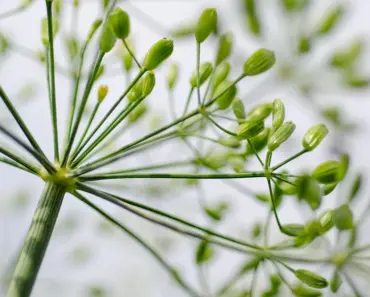
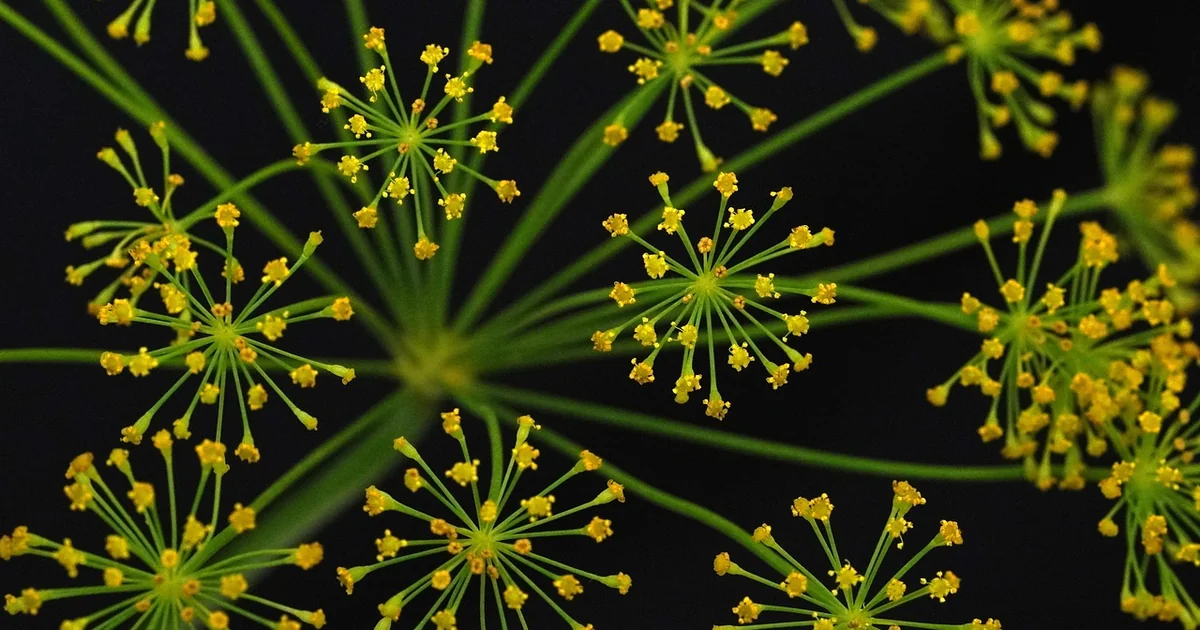
Research from agricultural extension programs shows that planting dill near susceptible crops can reduce pest pressure by as much as 30 to 40 percent in some cases. The key is timing. Dill grows quickly and bolts in warm weather, producing umbrella-shaped flower clusters called umbels. These umbels are what draw the beneficial insects. For maximum effect, stagger your dill plantings so that some plants are flowering while others are still in their leafy stage. This ensures a continuous supply of both foliage for kitchen use and flowers for pest control.
Another often-overlooked benefit is dill’s root structure. Dill develops a taproot with fine lateral roots that do not compete aggressively with neighboring plants. This makes it an excellent candidate for interplanting between rows of larger vegetables. You can tuck dill seedlings into gaps that would otherwise remain bare, making more efficient use of your garden beds.
Thirteen Must-Have Companion Plants for Dill
The following thirteen crops form strong partnerships with dill. Each entry explains the specific benefits of the pairing and offers practical guidance for planting them together.
1. Corn
Corn and dill make an effective pair, especially when corn is nearing maturity. The primary threat to corn at this stage comes from cutworms, earworms, and corn borers. These larvae chew through stalks and ears, ruining the harvest before it begins. Dill’s strong fragrance attracts hoverflies and ladybugs, both of which prey on these pests. The hoverfly larvae alone can consume hundreds of aphids and small caterpillars during their development.
For best results, plant dill at the ends of corn rows rather than between the stalks. Keep the dill about one foot away from the nearest corn plant. This spacing gives the dill enough light while allowing its scent to drift across the row. Choose a flowering variety of dill, such as Bouquet or Mammoth, and let at least a few plants go to seed. The yellow umbels will attract beneficial insects throughout the late summer. Corn varieties like Golden Bantam or Silver Queen work well in this arrangement because their tall stalks create a microclimate that protects dill from intense afternoon sun.
One practical tip from experienced gardeners is to sow dill seeds two weeks before planting corn. This head start allows the dill to establish its root system and begin producing aromatic oils by the time the corn seedlings emerge. The result is a protective barrier that lasts through the entire growing season.
2. Asparagus
Asparagus beds are perennial, meaning they occupy the same ground for years. This makes them vulnerable to aphid infestations that can build up over time. Dill offers a natural solution. When dill flowers, its seeds attract lacewings and ladybugs, both of which feed heavily on aphids. A single ladybug can eat up to fifty aphids per day. By placing dill near asparagus, you create a reliable supply of these beneficial insects.
Another advantage of this pairing is space efficiency. Asparagus spears emerge in early spring and are typically harvested for six to eight weeks. After that, the ferns grow tall and fill the bed. Dill, with its shallow roots, can be sown between the asparagus crowns in late spring without disturbing the established root system. The dill will grow during the summer months when the asparagus ferns are photosynthetically active, and both plants will share moisture and nutrients without direct competition.
Asparagus varieties such as Mary Washington or Purple Passion pair well with dill. Plant dill seeds about six inches away from the asparagus crowns after the last frost date. Thin the dill seedlings to eight inches apart to give each plant enough room to develop its full structure. By midsummer, you will see ladybugs and lacewings patrolling the bed, keeping aphid numbers low.
3. Basil
Basil and dill share similar growing requirements, which makes them natural companions. Both prefer full sun, well-drained soil, and moderate watering. They also attract the same beneficial insects, including bees and parasitic wasps. When planted together, they create a concentrated zone of pest resistance that protects the entire herb garden.
There is an additional benefit that many gardeners notice. Basil is known to repel thrips and mosquitoes through its essential oils. Dill repels aphids and spider mites. Together, they form a broad-spectrum defense against several common pests. This is especially valuable in small gardens where every square foot must earn its keep.
Plant basil and dill in the same bed but keep them about twelve inches apart. Both herbs grow to similar heights, so they will not shade each other out. Harvest the outer leaves of each plant regularly to encourage bushier growth. Varieties like Genovese basil or Thai basil both work well. For dill, choose a compact variety such as Fernleaf if space is limited. Water at the base of the plants rather than overhead to prevent fungal issues, which both herbs can be susceptible to in humid conditions.
4. Broccoli
Broccoli belongs to the brassica family, which also includes cabbage, kale, cauliflower, Brussels sprouts, and turnips. All of these crops are vulnerable to cabbage moths, cabbage loopers, and cabbage worms. These pests lay eggs on the leaves, and the larvae tunnel into the heads or chew through the foliage. Dill disrupts this cycle by attracting parasitic wasps that prey on the larvae. The wasps lay their eggs inside the caterpillars, which stops the infestation without any chemical intervention.
For this pairing to work, the dill must be allowed to flower. The umbels produce nectar that adult parasitic wasps need for energy. Plant dill seedlings around the perimeter of your broccoli bed or at the ends of each row. Space the dill about eighteen inches from the nearest broccoli plant to prevent competition for light. Broccoli varieties such as Calabrese or De Cicco are excellent choices because they produce multiple side shoots after the main head is harvested, extending the growing season and the period of pest protection.
One common mistake is planting dill too close to broccoli and then harvesting all the dill leaves before it flowers. To get the pest control benefit, you must let at least a few dill plants bolt. If you need fresh dill for cooking, plant extra seeds specifically for flowering and designate others for leaf harvest. This way you get both kitchen herbs and insectary plants from the same bed.
5. Marigold
Marigolds are among the most versatile companion plants in any garden, and they pair exceptionally well with dill. While dill repels many pests through scent, it is not immune to caterpillars and slugs. Marigolds produce a compound called thiophene that deters these specific pests. When planted together, marigolds and dill create a two-layer defense system. Dill handles aphids and spider mites from above, while marigolds protect the soil line from slugs and cutworms.
French marigolds, such as the Tagetes patula varieties, are particularly effective because their roots release chemicals that suppress nematodes in the soil. This benefits dill indirectly by keeping the root zone healthy. Plant marigolds in a border around your dill patch or intersperse them between rows. Space them about eight inches apart for dense coverage.
Marigolds also attract pollinators like bees and butterflies, which increases fruit set in nearby vegetables. If you are growing squash, cucumbers, or tomatoes in the same area, the combination of dill and marigolds will boost overall garden productivity. Choose bright orange or yellow varieties for maximum visual appeal and pest deterrent effect.
6. Lettuce
Lettuce has a short growing cycle, typically maturing in forty to sixty days depending on the variety. This makes it an ideal crop to plant alongside dill because the two plants occupy different time windows. You can sow lettuce seeds in early spring, harvest the mature heads, and then replant the same space with a second crop while the dill continues growing. This intercropping strategy maximizes the use of your garden beds throughout the season.
Lettuce is also a primary target for aphids and slugs. Dill’s scent helps mask the smell of lettuce leaves, making it harder for pests to locate them. The beneficial insects attracted by dill will patrol the lettuce leaves as well, picking off any aphids that do find their way. This reduces the need for washing and trimming at harvest time.
Plant lettuce in rows that run parallel to your dill plants, leaving about six inches of space between them. Loose-leaf varieties like Black Seeded Simpson or Red Sails work well because they do not form tight heads that trap moisture. Butterhead types such as Bibb or Buttercrunch are also good choices. Harvest lettuce by cutting the outer leaves first, allowing the inner leaves to continue growing. This extends the harvest window and keeps the bed productive longer.
7. Onions
Onions produce a strong sulfurous aroma that repels many insects, including aphids, carrot flies, and onion maggots. When combined with dill’s fragrance, the effect is amplified. Together, they create a scent barrier that confuses pests and reduces the likelihood of infestation. This is especially useful in gardens where aphid pressure is high year after year.
Onions also have a shallow root system that does not compete aggressively with dill. You can plant onion sets or transplants between dill rows without worrying about root conflict. Space the onions about four inches apart and the dill plants about eight inches apart. Both crops benefit from consistent moisture, so a drip irrigation line running between the rows works well.
Choose storage onion varieties like Yellow Sweet Spanish or Red Burgundy for long-term harvest. Bunching onions, also called scallions, are another excellent option because they mature quickly and can be pulled as needed without disturbing the dill. The combination of dill and onions is particularly effective against carrot rust flies, which can damage both carrot and dill plants if left unchecked.
8. Beans
Beans are legumes, which means they have a symbiotic relationship with soil bacteria that fix atmospheric nitrogen into a form plants can use. This nitrogen enrichment benefits dill directly because dill requires moderate nitrogen levels for healthy leaf growth. When beans and dill are planted together, the beans supply a steady trickle of nitrogen to the soil, reducing the need for supplemental fertilizer.
Bush beans are the best choice for this pairing because they stay compact and do not shade out the dill. Pole beans can work if you plant them on a trellis positioned north of the dill so the shade falls away from the herb. Plant bush bean seeds about two inches apart in rows that run alongside the dill. Thin the seedlings to four inches apart once they emerge.
Varieties like Provider, Blue Lake, or Contender are reliable bush beans that mature in about fifty days. They produce a concentrated harvest, after which the plants can be cut at soil level and left as a green manure. The nitrogen-rich roots remain in the soil to feed the dill and any subsequent crops. This cycling of nutrients is one of the most efficient ways to maintain soil fertility without synthetic inputs.
You may also enjoy reading: 5 Rare Spring Week Blooms in Kit’s Ohio Garden.
9. Cabbage
Cabbage is another brassica that benefits greatly from dill’s pest-repelling properties. Cabbage worms and cabbage loopers are persistent threats that can decimate a cabbage patch within days. Dill attracts braconid wasps, a type of parasitic wasp that specifically targets these caterpillars. The wasps inject their eggs into the larvae, and the developing wasp grubs consume the caterpillar from the inside out.
For optimal protection, plant dill around the entire cabbage bed rather than just at the ends. This creates a continuous perimeter of aromatic foliage that pests must cross to reach the cabbage. Space the dill plants ten to twelve inches apart in a border that is at least two feet wide. Cabbage varieties such as Early Jersey Wakefield or Copenhagen Market are good choices because they form dense heads that resist splitting.
One important note is that dill should not be planted too close to cabbage if you are also growing fennel or caraway nearby. These plants can cross-pollinate with dill and produce hybrid seeds that may not retain the desired traits. Keep at least fifty feet between dill and fennel to avoid this issue. For most home gardens, this distance is easy to maintain.
10. Cucumbers
Cucumbers are vulnerable to cucumber beetles, aphids, and spider mites. Dill’s strong scent helps repel these pests, while its flowers attract the beneficial insects that prey on them. Cucumber beetles, in particular, can transmit bacterial wilt, a disease that kills cucumber plants rapidly. Reducing beetle pressure through companion planting is a valuable preventive measure.
Another benefit of this pairing is that dill and cucumbers have similar water and sunlight requirements. Both thrive in full sun with consistently moist soil. Plant dill on the north or east side of cucumber mounds so the dill does not shade the cucumbers during peak afternoon hours. Space the dill about twelve inches from the nearest cucumber vine.
Cucumber varieties like Marketmore or Straight Eight are reliable choices. For pickling, choose Boston Pickling or National Pickling varieties. Train cucumber vines on a trellis to save space and improve air circulation, which reduces the risk of powdery mildew. The dill planted at the base of the trellis will benefit from the filtered shade created by the cucumber leaves during the hottest part of the day.
11. Chamomile
Chamomile is known for its ability to enhance the growth and flavor of nearby herbs. It releases chemicals through its roots and leaves that stimulate essential oil production in neighboring plants. When planted near dill, chamomile can increase the concentration of aromatic compounds in the dill leaves, making them more flavorful for culinary use. This effect has been observed by herbalists for centuries and is supported by modern research into plant allelopathy.
Chamomile also attracts hoverflies and parasitic wasps, adding another layer of pest control to the garden. Its small daisy-like flowers bloom profusely, providing nectar for beneficial insects throughout the summer. Plant chamomile seeds directly in the soil around your dill patch, spacing them about six inches apart. German chamomile is an annual that self-seeds readily, while Roman chamomile is a perennial ground cover.
One practical tip is to use chamomile as a living mulch between dill rows. The low-growing chamomile plants suppress weeds and retain soil moisture while their roots interact with the dill roots. This creates a mutually beneficial underground network that improves overall plant health. Harvest chamomile flowers for tea by picking them when the petals begin to curl backward, usually in mid to late summer.
12. Parsley
Parsley and dill belong to the same botanical family, Apiaceae, and they share similar growing habits and pest profiles. Both attract swallowtail butterflies, which lay eggs on the leaves. The caterpillars that hatch feed on the foliage, but they rarely cause enough damage to harm the plants. In fact, many gardeners welcome swallowtail caterpillars as a sign of a healthy, chemical-free garden.
Planting parsley near dill creates a continuous habitat for beneficial insects. Parsley flowers, like dill flowers, produce umbels that attract hoverflies and parasitic wasps. By having both herbs flowering at different times, you extend the period of pest protection across the entire growing season. Parsley typically bolts later than dill, so the two plants complement each other well.
Space parsley plants about eight inches apart in the same bed as dill, keeping them at least six inches away from the dill roots. Both herbs prefer rich, well-drained soil with consistent moisture. Flat-leaf Italian parsley is a good choice because it has a stronger flavor and more upright growth habit than curly parsley. Curly parsley works as well if you prefer its texture for garnishing. Either way, the pairing is simple and effective.
13. Coriander
Coriander, also known as cilantro, is another Apiaceae family member that pairs naturally with dill. The two herbs have similar growing requirements and attract the same beneficial insects. When planted together, they create a dense patch of aromatic foliage that confuses pests and provides a rich habitat for pollinators.
Coriander bolts quickly in warm weather, producing white or pale pink umbels that are highly attractive to bees and parasitic wasps. By the time dill begins to flower, coriander may already be setting seed. This staggered flowering ensures that beneficial insects have a continuous food source from early summer through late fall. The seeds of both plants are also valuable for culinary use and can be harvested and stored for months.
Plant coriander seeds directly in the soil about four inches apart, thinning to eight inches once the seedlings emerge. Choose slow-bolt varieties such as Santos or Calypso to extend the leaf harvest period. Keep the soil consistently moist during germination, as coriander seedlings are sensitive to drought. Once established, the plants require minimal care and will self-seed if allowed to drop their seeds at the end of the season.
Common Mistakes to Avoid with Dill Companion Planting
Even experienced gardeners can make errors when pairing dill with other plants. Being aware of these pitfalls will save you time and frustration.
One frequent mistake is planting dill too close to young seedlings. Dill grows quickly and can shade out smaller plants if not spaced properly. Always give companion plants enough room to establish before the dill reaches full height. If you are direct seeding, thin the dill seedlings early to prevent overcrowding.
Another mistake is neglecting to water consistently. Dill has shallow roots that dry out quickly in hot weather. Inconsistent watering causes the plant to bolt prematurely, reducing the leaf harvest and shortening the flowering period. Water deeply once or twice a week depending on rainfall and soil type. Mulching around the base of the plants helps retain moisture and keeps the roots cool.
A third mistake is using chemical pesticides near dill. Because dill is planted specifically to attract beneficial insects, spraying insecticides kills both the pests and the predators. This defeats the purpose of companion planting. If you must intervene, use targeted methods like hand-picking caterpillars or spraying with a gentle soap solution only on affected plants.
Finally, do not forget to harvest and use your dill. Companion planting is not just about pest control. Dill leaves are delicious in salads, soups, and sauces. The seeds are used in pickling and baking. By incorporating dill into your cooking, you get the full value of this versatile herb. Share your harvest with neighbors or dry the excess for winter use.
Dill companion planting is one of the simplest and most rewarding techniques in organic gardening. The thirteen plants covered in this article provide a solid foundation for building a resilient, productive garden. Start with two or three pairings this season, observe the results, and expand from there. Your garden will thank you with healthier plants, fewer pest problems, and a bountiful harvest.