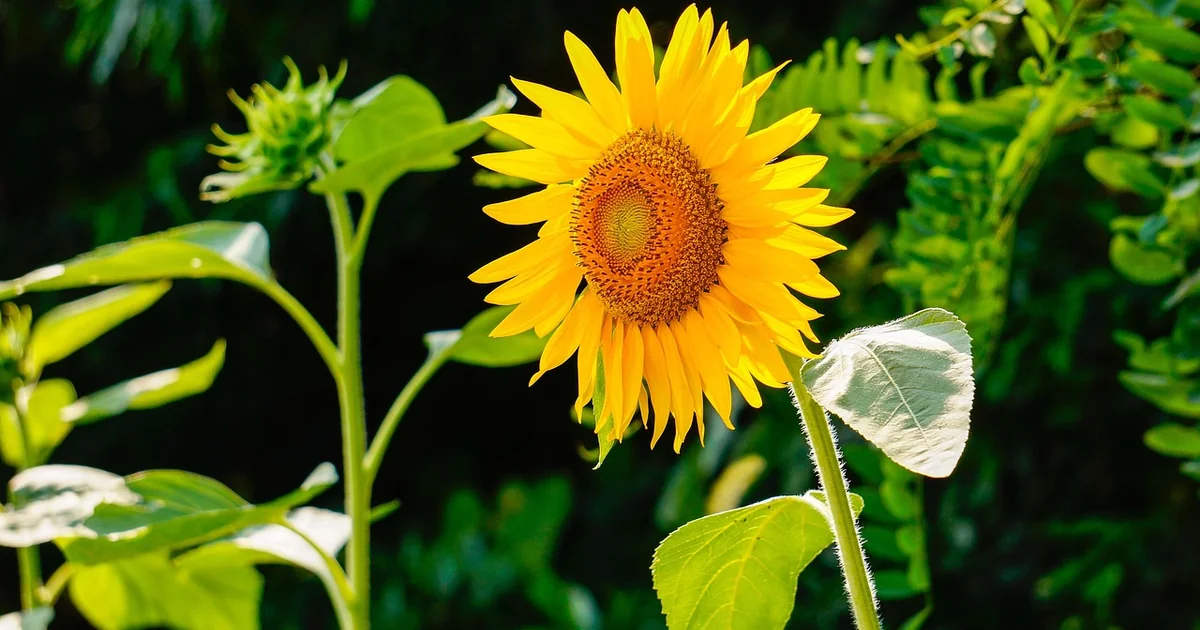
There is something almost magical about stepping into the shade cast by a sunflower stalk that towers well above your head. On a scorching July afternoon, that cool pocket of shadow feels like a small victory. These plants are not just visual giants either. They serve as pollinator magnets, and their seeds can become oil, butter, or even a roasted snack straight from the garden. But getting them to reach those impressive heights takes more than dropping a seed in the ground and hoping for the best. If you have tried before and ended up with stunted stalks or small blooms, a few specific techniques can change your results entirely. The following five tricks focus on the key factors that determine whether your sunflowers will scrape the sky or stay disappointingly short. Each one addresses a common challenge that home gardeners face when growing tall sunflowers in their own backyards.
Five Proven Strategies for Growing Tall Sunflowers
These five tricks are not complicated, but they do require attention to timing, spacing, and soil conditions. Skip one, and your stalks may stay at eye level. Apply all five, and you can expect stems that reach twelve feet or more.
Trick 1: Select a Giant-Sized Variety from the Start
The single most important decision you make happens before the seed ever touches the soil. Not every sunflower is built to tower. Many dwarf and ornamental varieties top out at three or four feet, no matter how well you care for them. If your goal is a towering hedge, you need genetics that are programmed for height.
Look for varieties that breeders have selected specifically for massive stature. Mammoth sunflowers reliably reach about twelve feet, with flower heads that can span a full foot across. Mongolian Giant pushes even higher, often hitting fifteen feet, and its blooms can measure eighteen inches in diameter. Sunzillas are another top contender, capable of climbing to sixteen feet under good conditions. The ProCut series offers tall, sturdy stems with respectable flower heads, while Titans max out around fourteen feet. If you are unsure where to find these, Botanical Interests carries several of them, and a simple online search for “hedge sunflowers” will surface many more options.
One overlooked source is a local sunflower farmer. If you know someone who grows these plants at scale, ask them for seeds. Each sunflower head produces hundreds of viable seeds, so farmers are rarely short on extras. Those seeds come from plants that already performed well in your local climate, which gives you a built-in advantage. Starting with the right genetic material eliminates the most common reason for short stalks: planting a variety that was never meant to grow tall in the first place.
Trick 2: Thin Seedlings to Eliminate Competition for Resources
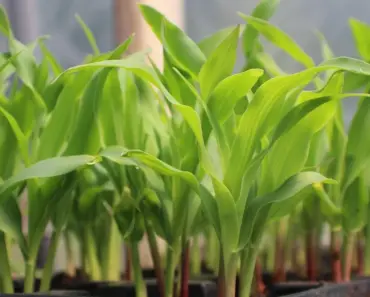
It feels counterintuitive to pull up healthy sprouts, but this step is non-negotiable for growing tall sunflowers. When you sow seeds, it is wise to plant several in each spot to account for poor germination. But once those seeds sprout, leaving multiple seedlings in the same hole creates fierce competition for water, nutrients, and light. The result is a cluster of weak, spindly plants rather than one towering specimen.
Wait until your seedlings reach about three inches tall. Then, in each planting spot, snip or pull out all but the single most vigorous sprout. Choose the one with the thickest stem and the largest leaves. That plant has already demonstrated it has the strongest genetics and the best access to resources. By removing the others, you redirect all the soil’s energy into that one stem.
Do not throw the thinned sprouts into the compost bin just yet. They are edible and surprisingly delicious. Sunflower sprouts have a mild, nutty flavor and a satisfying crunch. They work beautifully on salads, tucked into sandwiches, or blended into smoothies. They are also packed with nutrients like zinc, iron, and folate. Eating them turns what feels like a wasteful chore into a small harvest of its own. But the real payoff is the massive, solitary stalk that will rise from that spot over the coming weeks.
Trick 3: Feed Monthly with Compost or Organic Fertilizer
Sunflowers are not heavy feeders by nature, but they will reward you with greater height if you give them a nutritional boost. The key is to feed them only when the soil actually needs it. Overfeeding causes more harm than good because excess sugar production in the leaves attracts aphids, weevils, and other pests. Those pests can stunt growth and reduce your final stalk height.
Assess your soil before you plant. If it is rich in organic matter and dark in color, you may not need to fertilize at all. But if your soil is sandy, pale, or has produced weak plants in past seasons, a monthly feeding makes a noticeable difference. Apply well-rotted compost as a side dressing along the base of the stems. Spread it about two inches thick in a ring around each plant, keeping it a few inches away from the stem itself to avoid rot.
If you prefer a liquid option, choose an organic fertilizer with a balanced N-P-K ratio, such as 5-5-5 or 10-10-10. Liquid feeds reach the roots faster, which is helpful if your plants are already showing signs of slow growth. Apply it once per month throughout the growing season, stopping about two weeks before the flower heads begin to open. At that point, the plant shifts its energy from stalk elongation to bloom and seed production, and additional fertilizer will not increase height further.
Trick 4: Weed and Water with Precision Timing
Weeds are silent competitors. They steal water and nutrients from the soil before your sunflower roots can get to them. The most critical time to eliminate weeds is before you sow your seeds. Remove every visible weed from the planting bed, including the roots. This gives your sunflowers a clean start with zero competition.
Continue weeding throughout the germination and seedling stages. Young sunflowers are vulnerable to being overtaken by fast-growing weeds like pigweed and crabgrass. Once your sunflowers reach about two feet tall, their broad leaves begin to shade the soil surface, which naturally suppresses many weeds. But you should still patrol the bed weekly and pull anything that manages to push through.
You may also enjoy reading: 7 Ways to Get Rid of Crabgrass Before It Spreads.
Watering strategy matters just as much. Sunflowers prefer consistently moist soil during their first month of growth. Water deeply and slowly so the moisture reaches the root zone rather than running off the surface. Soaker hoses or drip irrigation work best because they deliver water directly to the soil without wetting the leaves. Wet foliage can encourage fungal diseases like powdery mildew, which weakens the plant and limits height.
Once your sunflowers are well established, typically after six weeks, you can reduce watering frequency. The deep root system that developed during the early weeks will search out moisture from lower soil layers. At this stage, only water when the top two inches of soil feel dry. Overwatering a mature sunflower can lead to shallow roots, which makes the plant more susceptible to wind damage and less able to support a towering stalk.
Trick 5: Position Your Planting Site for Maximum Sunlight Exposure
Sunflowers live up to their name in a very literal way. They need direct, unfiltered sunlight for at least six to eight hours per day. Anything less, and the stems will stretch thin and weak as they reach toward the light. That stretching, called etiolation, produces tall but spindly stalks that cannot support heavy flower heads. The result is a plant that flops over long before it reaches its genetic potential.
Choose a site that faces south or west if you are in the Northern Hemisphere. Avoid spots that are shaded by buildings, fences, trees, or large shrubs. Even partial shade from a nearby structure can reduce your final height by several feet. If your yard has limited full-sun areas, prioritize the sunflowers over other crops. They are more sensitive to shade than tomatoes, peppers, or squash.
Consider the angle of the sun across the entire growing season. A spot that gets full sun in May may become partially shaded in July as the sun shifts and trees leaf out fully. Observe your chosen site at different times of the day and at different points in the spring and early summer. If you notice shadows creeping in, adjust your planting location accordingly. The extra effort of finding an unobstructed patch of ground is one of the simplest ways to ensure success when you are growing tall sunflowers.
One more detail worth noting: plant your sunflowers in blocks or rows rather than as single isolated specimens. When sunflowers grow in a group, they create a microclimate that supports taller growth. The dense foliage buffers wind, reduces water evaporation from the soil, and encourages each plant to reach upward for light. A hedge of towering sunflowers is not just visually striking. It is also a self-reinforcing system that helps every stalk in the group grow a little taller than it would alone.
Putting the Five Tricks Together for Maximum Height
These five tricks work as a system, not as isolated tips. Choosing a giant variety gives you the genetic ceiling. Thinning seedlings removes the competition that would keep that ceiling out of reach. Monthly feeding provides the fuel for rapid vertical growth. Precise weeding and watering protect the plant from stress during its most vulnerable stages. And full sun exposure ensures every bit of energy goes into stalk elongation rather than desperate reaching.
If you follow all five, you can reasonably expect stalks that exceed twelve feet, with flower heads that measure a foot or more across. The shade beneath those blooms will be deep enough to cool a chair, a picnic blanket, or a child playing in the garden. And when the flowers fade and the heads droop, you can cut one, dry it, remove the petals, season the whole head, and roast it in the oven for a snack that tastes like summer itself.
The satisfaction of standing beneath a sunflower you grew from a single seed is hard to describe. It is a tangible reminder that small, consistent actions add up to something genuinely impressive. Start with the right seed, give it space, feed it wisely, keep the weeds away, and let the sun do its work. Your reward will be a hedge of towering giants that transforms your garden into a place of shade, beauty, and abundance.