May carries a special energy for gardeners. The writer Emily Brontë called it “the month of expectation, the month of wishes, the month of hope.” Those words ring true when you step outside and feel the warm soil beneath your fingers. Perennials reward you with reliable blooms year after year, and late spring provides ideal conditions for getting them into the ground. The soil has warmed sufficiently, spring rains keep it moist, and the risk of a hard frost has mostly passed across many regions.
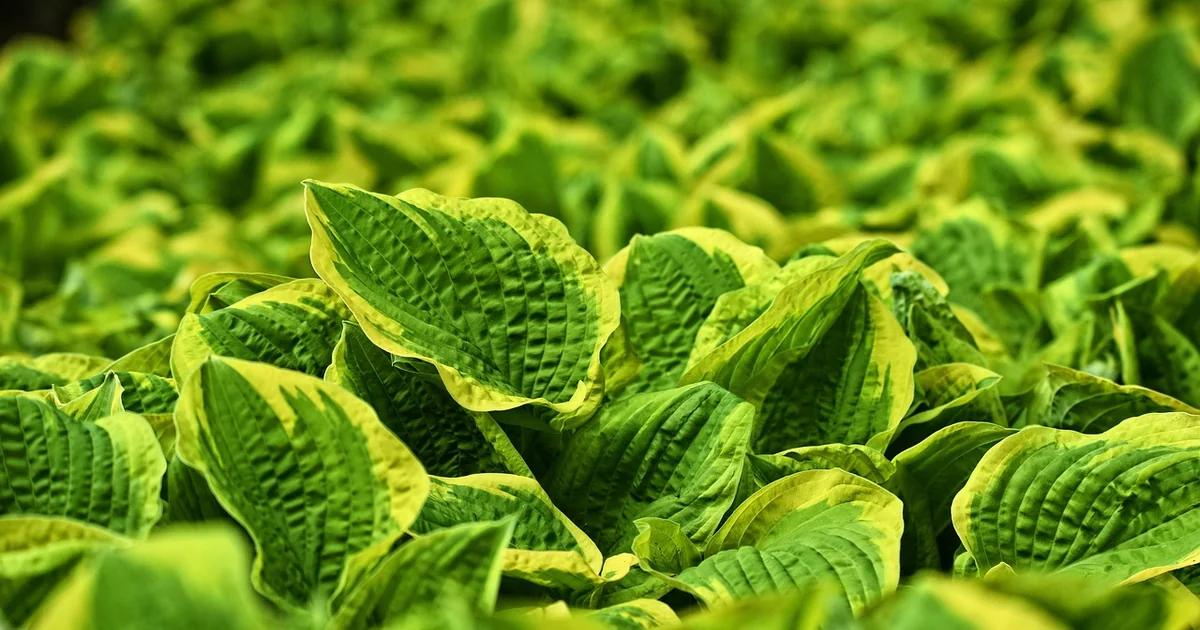
Planting now gives roots time to establish before the heat of summer arrives. Whether you are filling a new flower bed or refreshing an existing border, these seven perennials deserve a spot on your list. Each one brings something distinct to the garden, from pollinator appeal to long-lasting cut flowers.
Why May Is the Ideal Time for Perennial Planting
Timing matters when you introduce new plants to your landscape. May strikes a sweet spot between the unpredictability of early spring and the scorching temperatures of midsummer. The ground has thawed completely in most hardiness zones, and soil temperatures hover in a range that encourages root growth without shocking tender transplants.
Moisture levels also cooperate during this month. Spring rains typically keep the earth damp, reducing the need for constant watering while plants settle in. This natural hydration helps perennials develop strong root systems before they face the drier conditions of June and July.
Another advantage involves sunlight. Days grow longer in May, giving young plants ample light energy for photosynthesis. Yet the sun has not reached its peak intensity, so foliage is less likely to scorch. These combined factors make May a forgiving window for planting even for gardeners who are still building their confidence.
Perennials represent an investment in your garden’s future. Unlike annuals that complete their life cycle in one season, these plants return for multiple years. Choosing the best perennials May can accommodate means you are setting up a display that will improve with time.
7 Best Perennials to Plant in May
Many wonderful perennials thrive when planted in late spring. The seven varieties below stand out for their visual impact, adaptability, and ability to flourish when set out during this month. Each entry includes specific growing requirements and unique traits that make it worth adding to your garden.
1. Garden Phlox (Phlox paniculata)
Garden phlox delivers a bold splash of color along with a fragrance that carries across the yard. This native wildflower of the eastern and central United States produces dense clusters of blossoms in shades of lavender, lilac, pink, purple, salmon, and white. The flowers appear in summer and continue blooming well into autumn, providing weeks of visual interest.
Hardy in USDA zones 4 through 8, garden phlox reaches heights of about 4 feet with a spread of up to 3 feet. This stature makes it a strong candidate for the back of a flower border. The plant performs best in full sun to partial shade and requires well-draining soil that stays consistently moist. Working organic compost into the planting bed before installation helps retain the right amount of moisture.
Butterflies and hummingbirds flock to the blooms, making this species a valuable addition to a pollinator-friendly garden. The flowers also hold up well in vases, so you can bring the beauty indoors. One consideration with garden phlox is its susceptibility to powdery mildew in humid conditions. Providing good air circulation by spacing plants properly and avoiding overhead watering reduces this risk significantly.
Garden phlox spreads through underground stems, gradually filling in an area over time. This habit makes it useful for naturalized plantings where you want a drift of color rather than isolated specimens.
2. Catmint (Nepeta spp.)
Catmint belongs to the mint family, and its growth habit reflects that heritage. The plant produces quick-growing foliage topped with spikes of delicate purple flowers that bloom from early summer through fall. While the classic lavender blossoms are the most common, pink and white cultivars offer alternatives for those seeking variety.
This perennial thrives in USDA zones 4 through 8 and reaches about 2 feet in both height and spread. The mounded form creates a soft, billowing effect in the landscape. Catmint prefers full sun but tolerates light shade, and it adapts to a range of soil types as long as drainage is adequate.
One of the most practical benefits of catmint involves its dual effect on insects. The blooms attract bees and butterflies, supporting local pollinator populations. Meanwhile, the foliage contains compounds that repel mosquitoes and other unwanted pests. This makes catmint a smart choice for seating areas or pathways where you spend time outdoors.
Catmint requires minimal maintenance once established. Shearing the plants back after the first flush of blooms encourages a second wave of flowers later in the season. The foliage remains attractive even when not in bloom, providing a soft green backdrop for neighboring plants.
3. Bleeding Heart (Dicentra spectabilis)
Bleeding heart produces some of the most distinctive flowers in the plant kingdom. The puffy, heart-shaped pink blossoms each feature a small white protruding inner petal with a red streak, creating a whimsical appearance that suits shaded garden areas. Each arching stem typically carries around 20 of these blooms in spring.
Native to Asia, bleeding heart thrives in USDA zones 3 through 9. The plant reaches about 3 feet in height with a similar spread. Unlike many perennials that demand full sun, bleeding heart prefers shady locations, making it invaluable for gardens with limited direct light. Dappled shade under deciduous trees provides ideal conditions.
The flowers last for two to three weeks, returning reliably each year. After blooming, the foliage begins to yellow and die back as the plant enters dormancy for the summer. This natural cycle means bleeding heart works best when paired with later-emerging perennials that can fill the gap left behind.
A critical safety note applies to this species. Bleeding heart contains toxic compounds, specifically isoquinoline alkaloids, that pose risks to children and pets if ingested. Plant it in areas where accidental consumption is unlikely, and educate family members about its potential danger.
4. Columbine (Aquilegia spp.)
Columbine produces flowers that resemble colorful jester caps, with spurred petals that extend backward from the central bloom. The blossoms appear in late spring and last for several weeks, offering a brief but memorable display. The name Aquilegia derives from the Latin word for eagle, a reference to the claw-like shape of the spurs.
Plant columbine in May after all danger of frost has passed. The species thrives in USDA zones 3 through 8. Sun requirements vary by climate: full sun works in cooler regions, while afternoon shade benefits plants in warmer areas where heat can cause stress. Columbine does not tolerate extreme heat well and may wilt during hot summer spells.
This perennial is easy to start from seeds or transplants. It self-seeds readily in the garden, creating naturalized colonies that return year after year. The plants reach about 2 to 3 feet in height depending on the variety.
Columbine is toxic to humans and pets if ingested, so exercise caution in family gardens. Despite this drawback, the plant remains popular for its unique flower shape and its ability to attract hummingbirds, which favor the nectar-rich spurs.
5. Shasta Daisy (Leucanthemum x superbum)
Shasta daisy offers a classic, cheerful appearance with white petals surrounding a bright yellow center. The dark green foliage provides a strong contrast that makes the blooms pop. This hybrid was created by the horticulturist Luther Burbank and named after Mount Shasta in California.
Hardy in USDA zones 5 through 9, Shasta daisy reaches about 3 feet in height. It requires full sun and well-draining soil to perform at its best. The plant is notably drought tolerant once established, making it a practical choice for gardeners who want low-maintenance color.
You may also enjoy reading: 7 May Seed Starting Ideas to Plant Now.
Shasta daisy looks excellent in containers, ornamental flower beds, and borders. The blooms make outstanding cut flowers, holding up well in arrangements for a week or more. Deadheading spent flowers encourages continued blooming throughout the summer.
One limitation to note is that Shasta daisy is toxic to dogs and cats. Pet owners should monitor their animals around these plants or choose alternative locations where pets do not roam freely. The plant spreads through clump division, and dividing every two to three years keeps the clumps vigorous and productive.
6. Peony (Paeonia)
Peonies rank among the most beloved perennials for good reason. Their large, lush blooms appear in late spring and early summer, filling the garden with fragrance and color. Flowers range from pure white to deep crimson, with many shades of pink, coral, and burgundy in between. The petal forms vary from single to fully double, offering options for every taste.
Peonies thrive in USDA zones 3 through 8 and prefer full sun with well-draining soil. They require a period of winter chill to initiate blooming, which makes them unsuitable for very warm climates. The plants reach about 3 feet in height and spread, with sturdy stems that support the heavy flowers.
One remarkable trait of peonies is their longevity. A well-sited peony can live for 50 years or more, often outliving the gardener who planted it. This makes them a meaningful addition to a landscape, one that future generations can enjoy. Planting in May allows the roots to establish before the plant puts energy into top growth.
Peonies benefit from support structures such as rings or cages to keep the stems upright when the blooms become heavy. Ants are commonly seen on peony buds, but they do not harm the plant. The buds produce a sugary substance that attracts the ants, which in turn may help protect the flowers from other pests.
7. Lavender (Lavandula angustifolia)
Lavender brings both beauty and utility to the garden. Its narrow, silvery-green foliage forms tidy mounds topped with spikes of purple flowers that release a calming, familiar fragrance. The blooms attract bees and butterflies while the essential oils in the foliage deter deer and rabbits.
English lavender (Lavandula angustifolia) thrives in USDA zones 5 through 9. It requires full sun and sharply draining soil, preferably with a slightly alkaline pH. Lavender does not tolerate wet feet, so amending heavy clay soil with sand or gravel before planting is essential. Raised beds or containers offer good alternatives for gardeners with dense soil.
The plants reach about 2 to 3 feet in height and spread, depending on the cultivar. Lavender blooms in early to midsummer, and harvesting the flower stems for drying or sachets extends the enjoyment beyond the garden. Pruning after flowering keeps the plants compact and prevents woody, leggy growth.
Lavender originated in the Mediterranean region, so it thrives in conditions that mimic that climate: warm, sunny, and dry. Overwatering is the most common cause of failure with this perennial. Once established, lavender requires very little irrigation beyond natural rainfall in most regions.
How to Give Your May-Planted Perennials a Strong Start
Planting at the right time matters, but proper technique determines whether your perennials thrive or merely survive. Preparing the soil before installation gives roots the best possible environment. Remove weeds and incorporate organic matter such as compost or aged manure to improve fertility and drainage.
Dig holes that are about twice as wide as the root ball but no deeper. Setting the plant at the same depth it grew in the container prevents crown rot. Backfill with native soil mixed with compost, and water thoroughly to eliminate air pockets around the roots.
Mulching after planting serves several purposes. A 2 to 3 inch layer of organic mulch conserves soil moisture, moderates soil temperature, and suppresses weed competition. Keep the mulch a few inches away from the stems to prevent moisture-related diseases.
Water newly planted perennials deeply once or twice per week during their first month in the ground, depending on rainfall. The goal is to encourage roots to grow downward rather than staying near the surface. After the first growing season, most perennials become more drought tolerant and require less supplemental water.
Fertilizer needs vary by species, but a balanced slow-release formula applied at planting time provides steady nutrition without risking burn. Avoid high-nitrogen fertilizers that promote leafy growth at the expense of flowers.
Observing your garden throughout the first season helps you understand how each perennial responds to its location. Note which spots receive more sun or shade than expected, and adjust future plantings accordingly. Keeping a simple garden journal with planting dates and observations builds knowledge that improves results over time.
May offers a narrow but generous window for expanding your perennial collection. The seven varieties described here represent a cross-section of forms, colors, and growing conditions. Whether your garden leans toward sunny borders, shaded retreats, or pollinator-friendly spaces, these plants deliver dependable beauty that returns each year. The effort you invest now will reward you with a landscape that grows richer with every passing season.