Why Your Hands Deserve Better Than a Pair of Old Socks
The connection between soil and mood runs deeper than most people realize. Scientists have identified a bacterium in garden soil called Mycobacterium vaccae that triggers the release of serotonin in the human brain. That pleasant, grounded feeling you get after an afternoon of weeding and planting has a biological basis. But that same soil, along with thorny rose canes, rough stone edges, and abrasive mulch, can leave your hands raw, cracked, and vulnerable to infection within minutes.
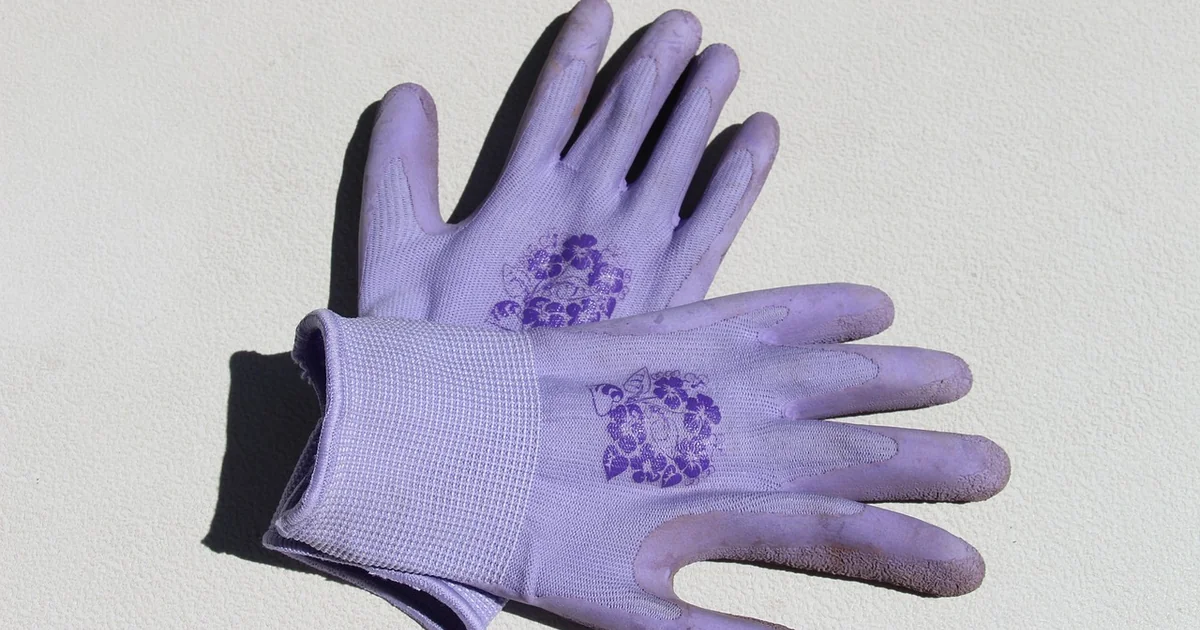
A single afternoon of hauling limestone pavers or yanking out stubborn blackberry brambles can create micro-tears in your skin that take days to heal. The obvious solution is a reliable pair of gloves. Yet the market offers hundreds of options, and most fail at the one thing that matters most: balancing protection with the dexterity needed to actually work. You cannot transplant delicate seedlings or untangle a knot of roots while wearing stiff, oversized mitts. Neither can you safely grab a fistful of barberry clippings in thin cotton liners.
After evaluating dozens of models across multiple seasons of real gardening work, these eleven pairs represent the best gardening gloves available heading into 2026. Each one serves a distinct purpose, from handling thorny pruning jobs to feeling the soil while keeping your fingernails clean.
Heavy-Duty Protectors for Tough Tasks
1. Floral Cowhide Leather Gloves
Most gardeners assume they must choose between rugged protection and attractive design. These cowhide gloves prove that assumption wrong. The palm features a reinforced, puncture-resistant layer that handles rose bushes, pyracantha, and blackberry canes without flinching. The extra-long cuffs extend well past the wrist, shielding your forearms from scratches while you reach into dense shrubbery.
The cowhide leather breathes better than synthetic alternatives, which means your hands stay cooler during extended sessions. Over time, the leather molds to your hand shape, creating a custom fit that improves with use. The floral print running across the back adds a touch of garden-appropriate charm without compromising durability. For anyone who wants their gear to reflect the beauty they cultivate, these gloves deliver on both fronts.
2. Womanswork Arm Saver Gloves
This company was founded by women who recognized that most gardening gloves simply do not fit hands that are smaller or more slender than the average male hand. The result is a glove that prioritizes fit without skimping on protection. The body is made from lightweight cotton blended with a small percentage of spandex, giving it a gentle stretch that moves with your fingers rather than fighting them.
The palms are reinforced with synthetic leather, which provides excellent grip and abrasion resistance without the bulk of traditional cowhide. Portland-based artist Kate Blairstone designed the botanical pattern, so each pair carries original artwork rather than a mass-produced print. These gloves excel at tasks like pruning, weeding, and handling tools where you need tactile feedback. They rank among the best gardening gloves for anyone who has struggled to find a pair that fits properly.
3. Thornproof Leather Gloves
Not every job requires full cowhide gauntlets, but thin knit gloves leave you vulnerable to punctures. These thornproof gloves occupy the sweet spot between those two extremes. The palm and fingers use a reinforced microfiber material that mimics the durability of natural leather while remaining more flexible and lightweight.
The microfiber construction resists punctures from thorns and sharp stones far better than standard cotton or nylon blends. At the same time, the overall design allows enough finger movement for tasks like tying up tomato plants or deadheading spent blooms. The floral patterns available add visual appeal without sacrificing function. These gloves work well as an everyday pair for mixed garden work where you might encounter the occasional thorn but do not need full gauntlet protection.
4. Super Durable Cowhide Gloves
Some garden tasks demand pure, unapologetic toughness. Moving large rocks, clearing overgrown brush, breaking up compacted clay soil, or dismantling an old wooden raised bed all fall into this category. These cowhide gloves feature thick, puncture-resistant palms with reinforced stitching at every stress point. The rugged brown leather and no-nonsense design signal that these gloves mean business.
The cuffs are shorter than the gauntlet-style options, which trades some forearm protection for increased wrist mobility. That trade-off makes sense when you are swinging a pickaxe or heaving heavy loads where full arm coverage would restrict movement. The leather develops a patina over time that tells the story of every project. For the heaviest lifting your garden demands, these gloves provide the raw durability you need.
5. Thorn Proof Rose Pruning Gloves
Rose pruning presents a unique challenge: you need thick protection against long, sharp thorns, but you also need enough finger control to make clean cuts at precise angles. These elbow-length cowhide gloves solve that problem with reinforced padding on the knuckles, thumbs, and fingertips. The extended length protects your entire forearm from the wrist to just below the elbow, which is exactly where thorny canes tend to whip back when you release them.
The polyurethane and nylon palm construction adds a layer of puncture resistance without making the glove stiff. Bright colors and floral patterns make these gloves easy to spot when you set them down among the foliage. That might seem like a small detail, but anyone who has spent ten minutes searching for a pair of brown gloves lost in a flower bed will appreciate the visibility. These gloves combine serious thorn protection with the dexterity required for precise pruning work.
Lightweight Options for Delicate Work
6. Hand Screen-Printed Bee Gloves
Seed starting, cutting flowers for bouquets, and harvesting ripe vegetables all require a light touch. Heavy gloves turn these tasks into frustrating exercises in fumbling. These lightweight cotton blend gloves solve the problem by prioritizing feel and flexibility. The fabric is thin enough that you can feel the soil texture and the stem thickness, which matters when you are handling fragile seedlings or trying to snip a flower at the perfect point.
Each pair is hand screen-printed by the small Etsy business MyLittleBelleville, which means the bee design carries the character of handmade work. The gloves come in both adult and kid sizes, making them a great option for family gardening sessions where children help with planting and harvesting. They will not protect against thorns or heavy abrasion, but for the gentle tasks that make up much of a gardener’s daily routine, they are ideal.
7. Floral Garden Weeder Gloves
These gloves achieve something rare in the gardening world: they combine full-coverage protection with a second-skin feel. The construction uses a blend of nylon and nitrile, which gives the gloves a close, almost tailored fit. Tiny rubber dots on the palms provide grip without adding bulk, so you can pull weeds, handle damp seed packets, or grip a trowel handle securely.
The botanical print designs, created by the US-based Etsy seller Printhousedesign1, transform these gloves into wearable garden art. Three different floral patterns are available, and the gloves come in adult and kid sizes. The nylon material breathes well, reducing sweat buildup during warm-weather weeding sessions. These gloves work best for tasks where you need tactile sensitivity combined with a barrier against dirt and minor abrasions.
8. Bamboo Rayon Garden Gloves
Sustainable materials are gaining traction across every product category, and garden gloves are no exception. These gloves are made from bamboo rayon, a fiber derived from natural bamboo pulp. The material offers several advantages over conventional cotton. Bamboo fibers are naturally moisture-wicking, which means sweat evaporates rather than pooling inside the glove. The fibers also have natural antibacterial properties, reducing the odor that builds up in gloves used repeatedly over a season.
You may also enjoy reading: 7 Crops to Plant in April for a Speedy Harvest.
The texture of bamboo rayon is noticeably softer than cotton, making these gloves comfortable for extended wear. Textured rubber palms provide a non-slip grip that works well with both dry and damp tools. The dexterity is excellent, allowing you to handle small seeds, twist ties, and pruning shears without removing the gloves. For environmentally conscious gardeners who want to reduce their reliance on synthetic materials, these gloves offer a practical and comfortable alternative.
Specialty Gloves for Unique Situations
9. Claw Gloves with Built-In Digging Claws
Some gardening tools look unusual because they solve a problem you did not realize you had. These gloves feature durable ABS plastic claws attached to the fingertips, allowing you to dig, rake, and loosen soil directly with your hands. The claws are sturdy enough to break up light compaction and scratch planting furrows, yet they do not interfere with normal hand function when you need to pick up a tool or adjust your hat.
The gloves themselves are coated in a puncture-resistant rubber material that keeps your hands dry and protected while you work in damp soil. The waterproof construction means you can knead compost, mix potting soil, or scoop wet leaves without soaking through. These gloves appeal to gardeners who enjoy a hands-on approach and want to minimize the number of tools they carry around the yard. They are undeniably unusual, but they perform exactly as promised.
10. Dishwashing-Style Garden Gloves
Long rubber gloves might remind you of kitchen chores, but the same design principles that make them effective for washing dishes translate well to certain garden tasks. These gloves come in a two-pack and feature a soft rubber coating that provides a secure, non-slip grip even when your hands are wet. The knit shell interior prevents the overheating that plagues solid rubber gloves, making them comfortable for longer wear.
The extended cuffs keep water and soil from running down into the glove when you are working with wet conditions, such as cleaning pots, handling soaked compost, or working in rain. The rubber material resists punctures from thorns and sharp stones better than fabric alternatives. These gloves are particularly useful for tasks that involve water, mud, or chemical exposure, such as applying organic pest controls or mixing soil amendments.
11. Breathable Knit Gloves with Rubber Palm Coating
The final pair in this roundup represents the workhorse option that many gardeners keep as their go-to daily glove. The body is made from a breathable knit material that prevents the sweaty, clammy feeling common with all-rubber or all-leather gloves. The palms and fingers feature a soft rubber coating that provides excellent grip on tool handles, pots, and wet surfaces.
The knit construction allows air to circulate, which makes these gloves comfortable for hours of continuous wear in warm weather. The rubber coating adds enough protection for general weeding, planting, and light pruning, though they are not suitable for heavy thorn work or rough stone handling. The combination of breathability and grip makes these gloves a practical choice for the majority of routine garden tasks. They are affordable enough to keep multiple pairs around the yard and the potting bench.
Extending the Life of Your Garden Gloves
A quality pair of gardening gloves represents an investment, and proper care can extend their useful life by several seasons. After each use, shake out loose soil and debris before storing. For leather gloves, allow them to air dry naturally if they become wet. Never place wet leather near a direct heat source, as rapid drying causes the material to crack and stiffen. Apply a leather conditioner once per season to maintain suppleness and prevent drying.
For fabric and knit gloves, hand washing with mild soap and cool water removes sweat, salts, and soil that break down fibers over time. Rubber-coated gloves can be rinsed with a garden hose and wiped clean. Store all gloves in a cool, dry location away from direct sunlight. Ultraviolet exposure degrades both natural and synthetic materials, so a shaded shed or garage shelf works better than a hook on the sunny side of the house.
Inspect your gloves before each use for signs of wear, particularly at the fingertips and palm pads. Small holes or thin spots compromise protection and allow thorns and abrasives to reach your skin. When you notice significant wear, replace the gloves rather than risking an injury that could sideline you from gardening for weeks.
The right pair of gloves transforms gardening from a chore that leaves your hands battered into an activity you can enjoy without reservation. Whether you need heavy-duty cowhide for clearing land, lightweight bamboo rayon for tending seedlings, or something unusual like claw-tipped digging gloves, the options available today offer better fit, better protection, and better style than ever before. Your hands do the work that makes your garden thrive. They deserve gear that works as hard as they do.