A Rare April Thaw Reveals Hidden Treasures
The transition from a brutal Midwest winter to sudden spring warmth can feel almost surreal. Kit Jensen, gardening in South Euclid, Ohio, knows this feeling intimately. After months of bitter cold, relentless snow, and storms that stretched deep into March, a single week in April changed everything. Temperatures climbed to a steady 70 degrees Fahrenheit, and the garden responded with an explosion of color. For anyone who has endured a long winter, witnessing these spring garden gems emerge is a profound reminder of nature’s resilience. Let us walk through seven remarkable specimens that turned a tough season into a celebration.
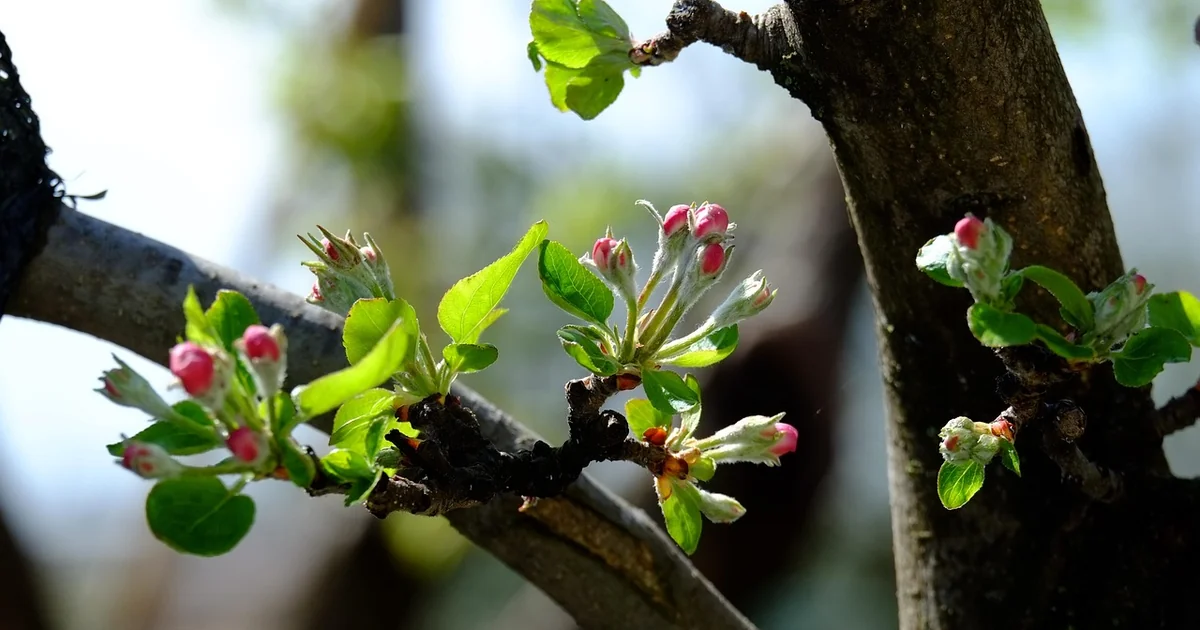
1. The Eastern Redbud: A Canopy of Magenta
Kit’s eastern redbud (Cercis canadensis, Zones 4–9) stands as a centerpiece in her landscape. This native tree typically blooms in early spring, but after such a harsh season, its performance felt especially triumphant. The buds appear directly on the branches and even the trunk, a phenomenon called cauliflory. When the flowers open, they create a dense haze of magenta-pink that seems to glow against the still-bare branches of neighboring trees.
Eastern redbud is a legume, meaning it fixes nitrogen in the soil. This trait benefits surrounding plants by improving fertility naturally. Kit’s redbud did not just look beautiful; it actively enriched the earth around it. The tree reached full bloom during that rare warm week, and the contrast between the vivid flowers and the lingering grey of late winter made it one of the most striking spring garden gems in her yard.
For gardeners in similar climates, redbuds thrive when given well-drained soil and partial shade. They prefer a pH between 6.0 and 7.5. Planting one near a patio or window allows you to enjoy the early pollinators it attracts. Native bees and butterflies flock to the nectar-rich blossoms, making this tree both ornamental and ecologically valuable.
2. Kwanzan Flowering Cherry: Layers of Pink Perfection
Kit suspects her flowering cherry might be the Kwanzan variety (Prunus ‘Kanzan’, Zones 5–9). This cultivar is famous for its double blooms, each flower packed with 20 to 30 petals. When the tree is in full flower, the branches appear draped in fluffy pom-poms of deep rose-pink. The Kwanzan cherry does not produce fruit, so all its energy goes into that spectacular floral display.
What makes this tree a true gem is its timing. Kwanzan cherries bloom slightly later than many other spring cherries, often overlapping with late daffodils and early tulips. In Kit’s garden, the cherry erupted just as the redbud began to fade, creating a seamless succession of color. The tree reached about 25 feet tall, with a vase-shaped canopy that spread generously.
Cherry trees in this group are susceptible to pests like borers and diseases such as brown rot. Kit likely kept her tree healthy by ensuring good air circulation and avoiding overhead watering. Mulching around the base with organic material helps retain moisture and regulate soil temperature. For anyone looking to add a showstopping tree to their spring garden, the Kwanzan cherry delivers an unmatched display.
3. ‘Cameo’ Quince: Peachy-Pink Charm
Few shrubs offer the fiery intensity of flowering quince, and the ‘Cameo’ cultivar (Chaenomeles × superba ‘Cameo’, Zones 4–8) is a standout. Kit’s specimen produced peachy-pink blossoms that bordered on coral. These flowers emerged directly on thorny branches before the leaves fully unfurled, creating a dense cluster of warm color against the still-cool spring air.
What many gardeners do not realize is that ‘Cameo’ quince is technically a hybrid between Chaenomeles japonica and Chaenomeles speciosa. This cross gave it larger flowers and a more compact habit than either parent. The shrub stays around 3 to 4 feet tall and spreads modestly, making it suitable for borders or foundation plantings. In Kit’s garden, the quince was paired with grape hyacinth, and the combination of peachy-pink and deep blue was nothing short of stunning.
Quince shrubs are tough once established. They tolerate poor soil, drought, and even heavy clay. Pruning immediately after flowering keeps them shapely and encourages more blooms the following year. The fruits, though small and hard, are edible and make excellent jellies. This dual purpose adds another layer of value to an already beautiful plant.
4. Grape Hyacinth: A River of Blue
Grape hyacinth (Muscari armeniacum, Zones 4–8) appears in multiple spots throughout Kit’s garden. These bulbs produce tight spikes of tiny, bell-shaped flowers that resemble clusters of miniature grapes. The color is a deep, true blue that is relatively rare in the spring garden. When planted en masse, they create the effect of a flowing stream of color across the ground.
One fascinating fact about Muscari armeniacum is its ability to naturalize aggressively. In the right conditions, a single bulb can multiply into a colony within a few years. Kit’s garden shows this trait beautifully, with grape hyacinth popping up among daffodils, under shrubs, and along pathways. The bulbs are not fussy about soil and thrive in full sun to partial shade.
Grape hyacinth also offers a long bloom period. The lower flowers open first, and the spike continues to elongate as the upper buds develop. This means a single planting can remain colorful for three to four weeks. After blooming, the foliage persists for another month or two, photosynthesizing to store energy for the next season. Gardeners should resist the urge to cut back the leaves until they yellow naturally.
5. ‘Thalia’ Daffodils: Pure White Elegance
Among the many daffodils in Kit’s garden, the ‘Thalia’ cultivar (Narcissus ‘Thalia’, Zones 3–8) stands apart. This heirloom variety, introduced in 1916, produces two to three flowers per stem. Each bloom is a pure, luminous white with a slight greenish cup at the center. The petals have a subtle recurve, giving the flowers a graceful, almost orchid-like appearance.
‘Thalia’ is classified as a Division 5 daffodil, meaning it belongs to the Triandrus group. These daffodils are known for their multiple flowers per stem and their delicate, nodding habit. They reach about 14 inches tall and are highly fragrant. The scent is sweet and light, carrying well on a spring breeze. In Kit’s garden, the white blooms glowed against the surrounding greenery and the deep blue of grape hyacinth planted nearby.
One challenge with early daffodils in cold climates is snow damage. Kit mentioned that her earliest daffodils were beaten down by late snowstorms. ‘Thalia’, however, blooms slightly later, which helped it escape the worst of the weather. Planting a mix of early, mid-season, and late daffodil varieties ensures that even if one group suffers, others will carry the show forward. ‘Thalia’ is an excellent choice for the middle to late part of the daffodil season.
You may also enjoy reading: 13 Flowering Shrubs to Plant & Forget!.
6. Yellow Daffodils Paired with Grape Hyacinth
Combinations matter in garden design, and one of the most effective pairings in Kit’s garden is yellow daffodils with grape hyacinth. The contrast between bright golden yellow and deep violet-blue creates a visual vibration that draws the eye. This is not accidental. In color theory, yellow and blue are complementary opposites on the color wheel, meaning they enhance each other when placed side by side.
Kit planted the daffodils in loose drifts and allowed the grape hyacinth to weave through them. The result looks natural, as if the bulbs seeded themselves over time. The yellow daffodils provide height and boldness, while the grape hyacinth fills the lower layer with texture and density. This layered planting strategy maximizes visual impact in a small space.
For gardeners wanting to replicate this look, timing is key. Plant both bulbs in the fall, with daffodils at a depth of about 6 inches and grape hyacinth at 3 to 4 inches. The grape hyacinth will naturalize faster, so you may need to divide them every three to four years to prevent them from overwhelming the daffodils. The payoff is a combination that delivers weeks of color with minimal maintenance.
7. The Resilience of Bulbs After a Harsh Winter
The seventh gem in Kit’s spring garden is not a single plant but the entire system of bulbs that survived a punishing winter. The 2025–2026 season brought bitter cold, persistent snow cover, and storms that lasted through most of March. Many gardeners feared their bulbs had rotted or frozen. Yet when that rare warm week arrived, the bulbs emerged as if on cue.
Bulbs are remarkable survival structures. A daffodil bulb contains everything it needs to bloom: stored carbohydrates, a pre-formed flower embryo, and protective scales that insulate against cold. Snow cover, while inconvenient for humans, actually insulates the soil and prevents extreme temperature fluctuations. Kit’s garden likely benefited from this insulating effect, even though the winter felt endless.
One data point that surprises many gardeners is that a typical tulip or daffodil bulb can survive soil temperatures as low as 20 degrees Fahrenheit, provided the cold is gradual and the bulb is dormant. Rapid freeze-thaw cycles are more dangerous than sustained cold. Kit’s garden, with its consistent snow cover, avoided those damaging cycles. The result was a spring display that felt like a reward for patience.
For anyone who endured a similar winter, the lesson is clear: trust your bulbs. They have evolved to handle tough conditions. Providing well-drained soil, planting at the correct depth, and allowing foliage to die back naturally gives them the best chance to perform year after year. Kit’s garden is a living testament to that principle.
Bringing These Spring Garden Gems to Your Own Yard
Kit’s experience in South Euclid offers practical lessons for gardeners everywhere. Start with a mix of early, mid-season, and late-blooming bulbs to extend the show. Include woody plants like redbud and flowering cherry for vertical interest. Use ground-level bulbs like grape hyacinth to create color carpets. And do not be afraid to combine contrasting colors for maximum visual punch.
The specific spring garden gems featured here are all hardy to Zones 4 through 8, meaning they can thrive in a wide range of climates. Eastern redbud, Kwanzan cherry, ‘Cameo’ quince, grape hyacinth, ‘Thalia’ daffodils, and yellow daffodils each bring something unique to the landscape. Together, they create a garden that transitions from winter’s grey to spring’s brilliance in a matter of days.
Kit’s garden reminds us that even after the longest winter, beauty finds a way. The rare warm week in April was not just a weather event. It was an invitation to notice the small miracles unfolding in the soil. Whether you garden in Ohio or elsewhere, these spring garden gems can transform your own outdoor space into a place of renewal and joy.