Every home seems to accumulate a small collection of glass jars over time. You buy pasta sauce, pickles, or jam, and suddenly your cupboard holds a dozen sturdy containers with metal lids. Instead of tossing them into the recycling bin, you can give them a second life that saves money and sparks creativity. The humble mason jar—originally designed for canning in 1858 by John Landis Mason—has become a versatile tool for modern households. Learning how to reuse old mason jars not only reduces waste but also cuts down on buying expensive storage solutions, garden accessories, and home decor. With a little imagination, these glass vessels can transform your garden, kitchen, and outdoor living spaces.
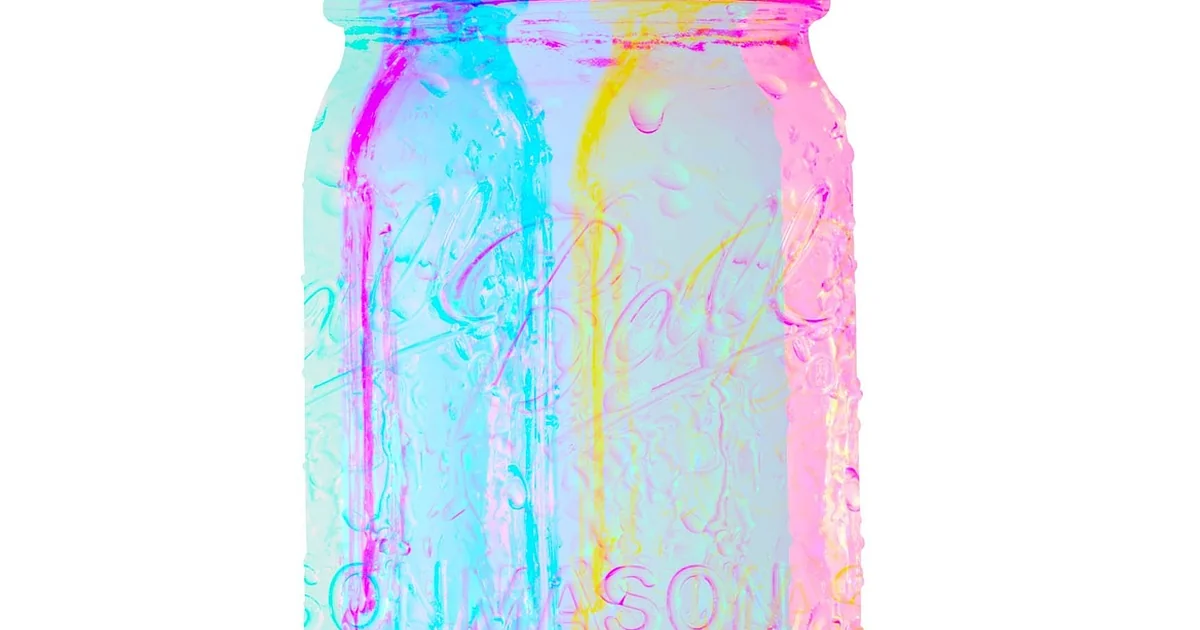
Why Reusing Mason Jars Saves Money and Helps the Planet
Every year, millions of glass jars end up in landfills or require energy-intensive recycling processes. By choosing to repurpose them, you avoid the cost of buying new containers for herbs, candles, bird feeders, and more. A single mason jar might cost you nothing if it came with a product you already purchased, while a comparable store-bought garden accessory could run five to fifteen dollars. Multiply that by nine projects, and you save a significant amount. Plus, the environmental benefit is clear: reusing glass reduces demand for new production and keeps materials in circulation longer.
One overlooked challenge is that many people don’t realize how durable these jars are. Original mason jars were made of thick molded glass designed to withstand high heat during canning. That same toughness makes them ideal for outdoor use, even in rain or snow. They resist cracking and can hold liquids without leaking. This durability means you can reuse old mason jars for years, not just weeks.
Below are nine practical, money-saving projects that turn empty jars into functional items. Each idea includes step-by-step instructions and a unique insight to help you succeed. Use these as a starting point, and you will likely invent your own variations.
1. Wildlife Water Station for Bees and Insects
Problem: During hot summer days, bees and beneficial insects struggle to find clean water. Open birdbaths can be too deep, and insects often drown. A simple dish of water evaporates quickly or gets contaminated.
Solution: Turn a mason jar into a gravity-fed water dispenser. Fill the jar with water, screw on the lid, and poke several small holes in the lid using a nail or drill. Then invert the jar and suspend it upside down from a hook or tree branch using twine or wire. The water will slowly drip out through the holes, creating droplets that collect on the lid surface. Bees can land on the metal lid and sip safely without drowning.
Step-by-step: Clean the jar thoroughly. Use a hammer and nail to make three to five holes in the lid. Fill the jar with water, screw the lid on tightly, and turn it upside down. Attach a sturdy string or wire around the neck of the jar. Hang it from a branch or shepherd’s hook about two feet above the ground. Check the water level every few days and refill as needed.
Unique insight: You can add a few small pebbles on top of the lid before inverting to give bees a more stable landing surface. According to entomologists, a single mason jar can provide enough water for dozens of bees per day, especially if placed near flowering plants. This method costs nothing compared to buying a commercial bee waterer, which typically sells for ten to twenty dollars.
2. Herb Jars for Your Kitchen Counter
Problem: Fresh herbs from the grocery store are expensive and often wilt within days. Growing herbs indoors requires pots, soil, and drainage trays that can clutter your counter. Many people give up because they think they need special equipment.
Solution: Use clear mason jars as self-contained herb planters. The glass allows sunlight to reach the roots, promoting healthy growth through photosynthesis. You can grow basil, parsley, cilantro, or mint right on your windowsill.
Step-by-step: Fill a clean mason jar about two-thirds full with potting soil. Moisten the soil slightly. Sprinkle herb seeds on top, then cover with a thin layer of soil (about a quarter inch). Place the jar on a sunny windowsill where it receives at least six hours of indirect light per day. Water gently when the soil feels dry to the touch. Within one to two weeks, you will see sprouts.
Unique insight: Because the jar is clear, you can monitor root development and moisture levels easily. A hidden challenge is that glass jars lack drainage holes, so overwatering can cause root rot. To solve this, add a half-inch layer of small pebbles or activated charcoal at the bottom before adding soil. This creates a reservoir and prevents waterlogging. You save roughly three to five dollars per herb plant compared to buying pots and saucers.
3. Twilight Candles for Romantic Garden Lighting
Problem: Outdoor lighting after sunset is often too harsh or too dim. Electric string lights can be expensive and require outlets. Solar lights often produce weak, blue-toned light. You want a warm, flickering glow for dinner parties or quiet evenings.
Solution: Transform mason jars into hanging candle lanterns. The glass protects the flame from wind and creates a soft, diffused light. You can hang them from tree branches, pergolas, or hooks on a fence.
Step-by-step: Choose a clean mason jar. Place a small tea light or votive candle inside. If using a taller jar, add a layer of sand or pebbles at the bottom to raise the candle and provide stability. Tie a piece of rustic twine or jute rope around the neck of the jar, leaving a long loop for hanging. Light the candle and suspend the jar securely. For safety, never leave burning candles unattended, and keep them away from dry leaves or fabric.
Unique insight: You can create a floating wick effect by filling the jar halfway with water and adding a few drops of essential oil, then placing a floating tea light on top. This reduces the risk of the jar overheating. A set of four store-bought mason jar lanterns can cost thirty dollars or more; making your own costs only the price of candles.
4. Tiki Torches for Lively Outdoor Gatherings
Problem: Candlelight is too dim for parties or barbecues where you need brighter, more festive illumination. Commercial tiki torches are expensive and often use plastic components that degrade in sunlight.
Solution: Convert a mason jar into a durable, refillable tiki torch. The metal lid can hold a wick, and the glass body contains lamp oil safely.
Step-by-step: Drill or punch a hole in the center of the lid large enough to insert a metal grommet or a short length of copper tubing. Thread a cotton wick through the hole so that about half an inch extends above the lid. Fill the jar with citronella lamp oil or torch fuel. Screw the lid on tightly, making sure the wick is submerged in the oil. Let the wick absorb fuel for ten minutes before lighting. Hang the jar from a hook or place it on a stable surface away from flammable materials.
Unique insight: Use a brass or copper grommet to prevent the metal lid from rusting over time. You can also add a few drops of essential oil like lemongrass to the fuel for a pleasant scent. This project saves you about fifteen dollars per torch compared to store-bought versions.
5. Pollinator Water Station Using Jar Lids
Problem: After using mason jars for other projects, you may have leftover lids. These metal discs often get thrown away, but they can be repurposed to help pollinators.
Solution: Turn mason jar lids into tiny water stations for bees and butterflies. Place the lid on a flat surface, fill it with small pebbles or marbles, and add water until it just reaches the top of the pebbles. The pebbles give insects a safe landing spot, preventing them from drowning.
Step-by-step: Collect several lids from used jars. Arrange them in a shallow dish or directly on a garden table. Fill each lid with pebbles or decorative glass beads. Pour water over the pebbles until the water level is just below the top of the stones. Place the station in a sunny, sheltered spot near flowers. Refresh the water every couple of days to prevent mosquito breeding.
Unique insight: A single lid can serve as a micro-habitat for solitary bees. According to the Xerces Society, providing shallow water sources with landing spots is one of the most effective ways to support native pollinators. This project costs nothing and uses materials you already have.
6. Bird Feeders from Large Mason Jars
Problem: Store-bought bird feeders are often made of plastic that cracks in the sun or wood that rots. They can be expensive, especially for larger capacities. You want a feeder that is easy to fill, clean, and see when it’s empty.
You may also enjoy reading: 23 Cool Gen Z Coworker Items Worth Investing In.
Solution: Use a wide-mouth mason jar as a hopper-style bird feeder. Attach it to a wooden base or hang it sideways to dispense seeds.
Step-by-step: For a hanging feeder, drill a hole in the lid large enough for a screw eye. Screw the eye into the lid, then attach a chain or wire. Fill the jar with birdseed, screw on the lid, and hang it from a branch. For a side-mounted feeder, use a piece of wood as a base, cut a hole in the side of the jar (carefully using a glass drill bit), and insert a small PVC pipe for seed access. Alternatively, you can simply place the jar on its side on a platform feeder.
Unique insight: A simpler method is to remove the lid entirely and invert the jar onto a shallow dish or saucer. The seeds will dispense gradually as birds eat. This gravity-fed design keeps seeds dry and visible. A large mason jar holds about two cups of seed, enough to last several days for a small flock. You save ten to twenty dollars compared to buying a similar feeder.
7. Seed Storage Organizer
Problem: Garden seed packets are easy to misplace, get damp, or become disorganized. Plastic bins can be bulky, and you often end up buying duplicate packets because you can’t find the ones you already own.
Solution: Use small mason jars (like the 4-ounce or 8-ounce size) to store seeds. The airtight lid keeps seeds dry and viable for longer. The clear glass lets you see the contents at a glance.
Step-by-step: Clean and dry the jars thoroughly. Pour seeds from their original packets into the jars. Label each jar with the seed type and date using a permanent marker or adhesive label. Store the jars in a cool, dark place like a basement shelf or a drawer. Group them by season or plant type.
Unique insight: Add a silica gel packet (the kind found in shoe boxes) to each jar to absorb excess moisture. This extends seed viability by up to 50% compared to storage in paper packets, according to seed viability studies. You avoid wasting money on seeds that fail to germinate due to poor storage.
8. Self-Watering Planter for Houseplants
Problem: Many houseplants suffer from inconsistent watering—either too much or too little. Vacation watering can be a challenge. Self-watering pots are expensive and often have complex wicking systems.
Solution: Create a simple self-watering system using two mason jars. Fill one jar with water and invert it over a second jar containing the plant, using a wick to draw moisture up.
Step-by-step: Take a clean mason jar and fill it with water. Cut a strip of cotton fabric or nylon rope about 10 inches long. Place one end of the wick into the water jar, and the other end into the soil of a second jar that contains your plant. Position the water jar above the plant jar so gravity helps the wick work. Alternatively, you can use a single jar with a wick inserted through a hole in the lid. Fill the jar with water, screw on the lid with the wick protruding, and bury the wick in the soil of a potted plant.
Unique insight: This method uses capillary action to deliver water slowly. A 16-ounce mason jar can supply water for up to a week for a small plant. You save the cost of a self-watering pot, which can range from fifteen to thirty dollars. Test the wicking rate first by placing the wick in water and measuring how far it travels in an hour.
9. Soap Dispenser or Toothbrush Holder for the Bathroom
Problem: Bathroom countertops get cluttered with plastic soap bottles and toothbrush holders that look cheap and wear out quickly. You want a stylish, durable, and easy-to-clean option.
Solution: Convert a mason jar into a pump soap dispenser or a toothbrush holder. A simple pump mechanism can be purchased online or salvaged from an old soap bottle.
Step-by-step: For a soap dispenser, drill a hole in the metal lid large enough for the pump stem. Insert the pump from an old bottle, seal the edges with silicone caulk, and screw the lid onto the jar. Fill the jar with liquid soap. For a toothbrush holder, simply fill a jar with decorative pebbles or sand and insert toothbrushes upright. You can also use a jar with a lid that has holes drilled in it to hold brushes.
Unique insight: Using a mason jar eliminates the need for disposable plastic soap bottles. Each refill uses bulk soap, which costs about 70% less per ounce than pre-packaged bottles. The glass is easy to clean and won’t develop soap scum buildup like plastic. This project saves you around five dollars per dispenser and reduces plastic waste.
These nine ideas demonstrate that a simple glass jar can replace many single-use or expensive items around your home and garden. By learning to reuse old mason jars in creative ways, you not only save money but also develop a more sustainable mindset. Start with one project this weekend, and you will likely find yourself looking at every empty jar as an opportunity rather than trash.