Remodeling a kitchen is a significant undertaking, and often, the most frustrating part isn’t the paint color or the new appliances – it’s the feeling of being cramped, bumping into things, and generally struggling to move around comfortably. Proper spacing and layout planning are absolutely crucial for a functional kitchen remodel, and surprisingly, these seemingly small details can dramatically impact the ease and enjoyment of cooking and spending time in the space. Following the National Kitchen & Bath Association (NKBA) recommendations, you can enhance your kitchen’s convenience and flow. These best practices include precise guidelines for island placement, walkway width, seating clearance, and appliance spacing. By considering these guidelines during your design process, you can create a kitchen that is both comfortable and efficient.
The Importance of Kitchen Spacing Guidelines
Before we delve into the specifics, it’s important to understand why these guidelines exist. A well-designed kitchen isn’t just aesthetically pleasing; it’s fundamentally about efficiency and comfort. Poor spacing can lead to bottlenecks, wasted movement, and a generally stressful experience. The kitchen triangle concept— positioning the sink, refrigerator, and stove in a triangular arrangement—is a cornerstone of efficient kitchen design. However, even a perfectly formed kitchen triangle can feel cramped if the distances between these core work areas are too tight. Understanding walkway and seating clearances is also important. These considerations aren’t just about aesthetics; they’re about creating a space that’s safe, accessible, and enjoyable for everyone who uses it. The NKBA recommendations aren’t arbitrary rules; they’re based on decades of research and observation about how people actually use kitchens. Ignoring them can lead to a kitchen that, despite its beautiful finishes, feels incredibly awkward and difficult to navigate.
Rule #1: Island-to-Counter Clearance – Minimum 42 Inches (Ideally 48)
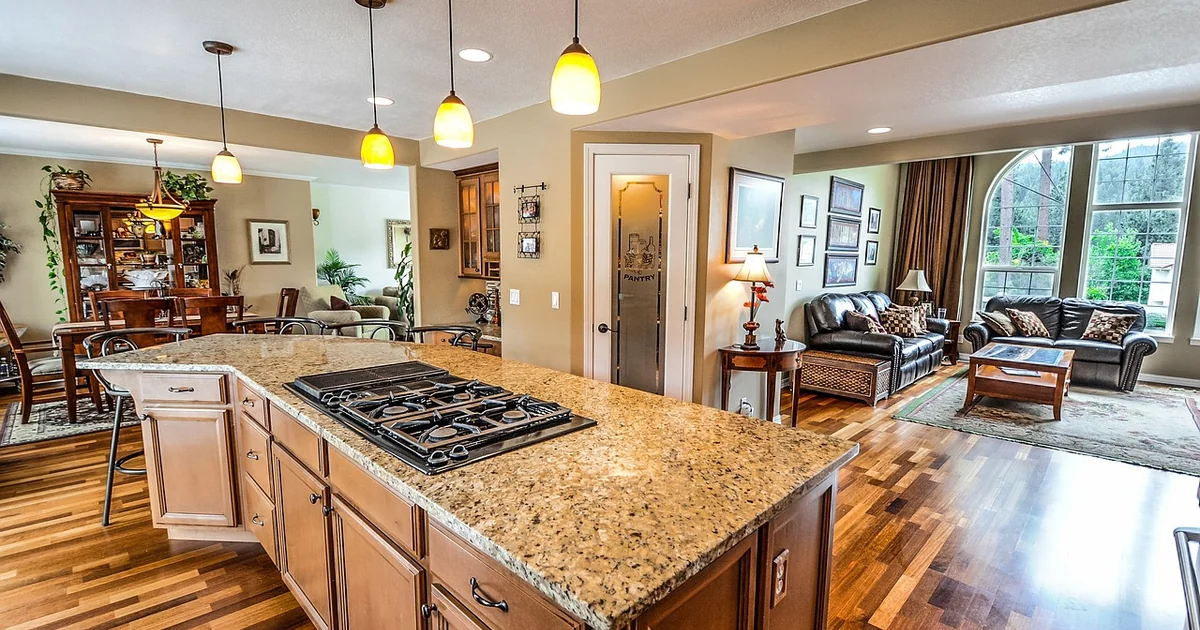
The space between a kitchen island and the surrounding counter is a critical area for both functionality and safety. The minimum recommended clearance is 42 inches, but for kitchens with one or more cooks working simultaneously, 48 inches is highly recommended. This extra space allows for comfortable movement and prevents collisions. A smaller space can be particularly problematic when someone is prepping food at the island while another person is cooking on the stovetop. Consider the typical size of your family and the types of meals you prepare – a larger family or frequent entertaining will benefit from the increased space.
Rule #2: Walkway Widths – 42 Inches Near Work Zones, 36 Inches Elsewhere
Walkways are the arteries of the kitchen, connecting the various work zones. A minimum walkway width of 42 inches is crucial near areas where people are actively preparing food – the sink, stove, and prep areas. This allows for easy movement and prevents accidental bumps. However, in less-trafficked areas of the kitchen, a 36-inch walkway is generally sufficient. Think about how frequently people will be moving through the kitchen, especially during busy meal times. Overcrowded walkways are a recipe for frustration and potential accidents.
Rule #3: Dishwasher-to-Sink Distance – Keep it Under 36 Inches
The relationship between the dishwasher and sink is a surprisingly important one. The maximum recommended distance between these two appliances is 36 inches. This allows for easy loading and unloading of dishes, minimizing awkward reaching and potential strain. Imagine trying to maneuver a full dishwasher while simultaneously washing dishes in the sink – it’s a recipe for a cramped and uncomfortable situation. Placement adjacent to each other maximizes efficiency and minimizes wasted steps.
Rule #4: The Kitchen Triangle: Total Leg Length – 26 Feet or Less
As mentioned earlier, the kitchen triangle is a fundamental principle of efficient kitchen design. This concept aims to minimize the distance between the sink, refrigerator, and stove. The total length of all three legs of the triangle should ideally be 26 feet or less. This ensures that you’re not taking unnecessary steps to move between these core work areas. While the triangle’s legs can be flexible, maintaining the overall length within this range is key to a comfortable and efficient workflow. Don’t be afraid to experiment with different layouts to find the optimal triangle configuration for your space.
Rule #5: Individual Triangle Leg Lengths – Max 9 Feet, Min 4 Feet
Within the overall kitchen triangle, individual legs shouldn’t be excessively long or short. No single leg should exceed 9 feet in length, and no leg should be shorter than 4 feet. Longer legs can lead to unnecessary travel distances, while shorter legs can feel restrictive. Consider the specific layout of your kitchen and the distances between the appliances when determining the length of each leg. The goal is to create a balanced triangle where each leg is of a reasonable length, promoting smooth and efficient movement.
Rule #6: Kitchen Seating Clearance – 32 to 44 Inches
If you’re incorporating a breakfast bar or an in-kitchen eating area, it’s crucial to consider the seating clearance. A minimum of 32 inches between the chair back and the wall or counter is generally recommended, though 44 inches offers more comfortable foot traffic. This clearance ensures that people can move around the seating area without bumping into chairs or the countertop. The specific clearance needed will depend on the size of your kitchen and the amount of foot traffic you anticipate.
Rule #7: Wheelchair Accessibility – 60 Inches of Clearance
Accessibility is paramount, and it’s essential to incorporate wheelchair accessibility guidelines into your kitchen design. A minimum of 60 inches of clearance space is required for wheelchair maneuverability. This ensures that anyone using a wheelchair can comfortably navigate the kitchen without obstruction. Consider the potential for future accessibility needs and plan accordingly.
Rule #8: Dishwasher-to-Base Cabinets – At Least 21 Inches
There’s a minimum distance that should be maintained between the dishwasher and the base cabinets – at least 21 inches. This allows for easy loading and unloading of dishes without blocking access to the cabinets. Sufficient space is crucial for preventing congestion and ensuring a smooth workflow. Placing the dishwasher too close to the cabinets can create a bottleneck and make it difficult to access both appliances simultaneously.
You may also enjoy reading: 8 Wonders: Inside a Whimsical Garden.
Rule #9: Sink Landing Area – 18 to 24 Inches on Each Side
The “sink landing area” refers to the space around the sink where you typically place dishes, utensils, and other items. A minimum landing area of 18 inches on each side of the sink is recommended, but 24 inches provides more comfortable working space. This area should be clear of obstructions and provide ample room for maneuvering. A cluttered landing area can significantly impede workflow and create a stressful experience.
Rule #10: Refrigerator Landing Area – 15 Inches on the Side with the Handle
The refrigerator landing area is the space beside the refrigerator where you typically place items being retrieved from the fridge. The recommended clearance is 15 inches on the side with the handle. This ensures that the handle isn’t obstructing pathways and that there’s enough room to comfortably reach the refrigerator. A poorly designed landing area can lead to awkward reaching and potential collisions.
Rule #11: Consider the NKBA Recommendations (TF-IDF: 37%)
The National Kitchen & Bath Association (NKBA) is a leading authority on kitchen design. Their recommendations are based on extensive research and industry best practices. They’ve established minimum clearances for walkways, appliance spacing, and more. The NKBA guidelines provide a valuable framework for creating a functional and comfortable kitchen. Referencing their recommendations – which include minimum island-to-counter distances, walkway widths, and sink landing areas – is a smart way to ensure you’re meeting industry standards and creating a space that’s designed for efficiency and enjoyment. Specifically, their guidelines around the kitchen triangle (total leg length, individual leg lengths) are invaluable for optimizing workflow.
Rule #12: Adapt to Your Family’s Needs (Mini Hook: Understanding the Kitchen Triangle)
While these spacing guidelines provide a solid foundation, it’s essential to adapt them to your family’s specific needs and lifestyle. Consider the size of your family, the types of meals you prepare, and how frequently you entertain. A large family with a busy kitchen will likely require more space than a smaller family with a more relaxed pace. The kitchen triangle concept, designed to maximize efficiency and comfort, can be adjusted to fit the specific needs of your family.
Rule #13: Prioritize Safety and Accessibility (Mini Payoff: Creating a Comfortable and Efficient Kitchen)
Ultimately, the goal of these kitchen spacing guidelines is to create a safe, comfortable, and efficient kitchen for everyone in your family. Prioritizing accessibility and ensuring that walkways and seating areas are adequately clear are crucial for preventing accidents and promoting a positive kitchen experience. By carefully considering these guidelines during your kitchen remodel, you can transform your kitchen into a true family hub – a space where you and your loved ones can cook, gather, and create memories for years to come.
In summary, implementing these thirteen kitchen spacing guidelines will significantly contribute to a more harmonious and functional kitchen environment. By prioritizing clear walkways, appropriate appliance spacing, and comfortable seating areas, you’ll create a space that’s not only visually appealing but also a joy to use. Don’t hesitate to consult with a kitchen designer or contractor to ensure that your remodel meets all necessary standards and reflects your family’s unique needs.