Creating a World of Wonder: The Secrets to Designing a Truly Whimsical Garden
When you step inside some gardens, you feel as if you’ve been transported to another world. Sue Bath’s garden is one such place, full of the most magical and specially curated items that she has spent years gathering and repurposing from found and salvaged materials. Today, she shares not only her garden with us, but her secret tips and tricks for sourcing materials. Sue’s garden feels incredibly special, in a class of itself, and it all comes down to her personal style and hard work repurposing found materials. She spends $0 to decorate her garden, sourcing everything she can for free. Her style is very shabby chic, but everything is very considered. You’ll see mirrors, picture frames, an armchair full of moss and plants, fountains all over the place, and of course, a bathtub to honour her last name. What has become one of her most signature garden pieces is her chandeliers. She has over 80 of them hanging in her garden, creating such an elegant and whimsical feel. Touring and photographing Sue’s garden was such a joy, and I knew I wanted to share as much of it as possible with you. Sue was kind enough to answer some questions and allow me to pick her brain, so you could rethink using interesting items in the garden. Let’s begin my conversation with Sue. How would you define your gardening style? If I had to pick a word to describe my garden, it would be whimsical. Colourful is a solid runner-up. It has the feel of an English cottage garden as it is packed with flowers from ground cover to the treetops. I have created many rooms to decorate with plantings, found treasures, and art pieces. It’s a garden of vignettes. As shown by the 80-plus chandeliers that drape from the trees, I believe the garden can showcase more than just plants. A bathtub fountain to honour her last name. All the chandeliers are painted the same semi-gloss white so that there is a feeling of purpose rather than just a collection of things found on the side of the road. To provide nighttime magic in the garden, I use individual solar lights in the chandeliers. I am also very sentimental. I treasure the gifts of plants, artworks, and chandeliers that have come my way from friends, family, and passersby. Each one is a beautiful reminder of the people who brought them. My garden has a name that came about in a unique way. A large rose grower gave me a gift certificate. While there were hundreds of beautiful roses, one really spoke to me. At home, I planted it at the front gate and looked at the tag. The rose was called “Once Upon a Time.” I thought the universe just named my garden.

Creating a truly whimsical garden design isn’t about following trends or adhering to strict rules. It’s about cultivating a space that sparks joy, invites exploration, and celebrates the beauty of the unexpected. Sue Bath’s garden is a testament to this philosophy – a vibrant, layered landscape built entirely on salvaged treasures and a generous spirit. It’s a masterclass in how to create a magical outdoor haven without breaking the bank, and today, we’re diving deep into her secrets to unlock the whimsical potential within your own backyard.
The Foundation of Whimsy: Sourcing Your Treasures
The cornerstone of a whimsical garden is, undoubtedly, its eclectic collection of objects. Sue Bath’s approach—spending $0 to decorate—is incredibly inspiring. It’s a reminder that beauty can be found in the most unlikely places and that creativity thrives on resourcefulness. But where do you even begin to find these treasures? The good news is, the opportunities are endless. Sue’s strategy centers around a multi-pronged approach, starting with the most readily available sources.
- Freecycle and Online Groups: These online communities are goldmines for discarded furniture, architectural salvage, and other forgotten items. Regularly check local listings for free or heavily discounted treasures.
- Construction Sites and Demolition Sites: With permission, of course, construction sites often discard perfectly good materials – bricks, stone, lumber, and even decorative elements.
- Estate Sales and Flea Markets: These events are a treasure hunter’s paradise, offering a chance to unearth vintage furniture, quirky art, and unique garden ornaments at bargain prices.
- Roadside Finds: Keep an eye out for discarded items on the side of the road – old tires, pallets, metal scraps, and even broken furniture can be transformed into stunning garden features. Sue specifically highlights urbanite as a fantastic free material.
- Friends and Family: Don’t be afraid to ask for donations from friends and family who may be decluttering their homes.
It’s important to note that Sue’s garden isn’t just a collection of random objects; it’s a carefully curated assemblage. Each item has a purpose and contributes to the overall aesthetic. She explains that she started with a garden full of anything she could get her hands on for free, and evolved into a colour-coordinated, intentional space. This shift demonstrates a thoughtful approach to design – starting with a clear vision and then selecting items that align with that vision. She also emphasizes the importance of repetition, using similar pots in different areas to create a cohesive look, and strategically placing plants to allow flowering plants to shine.
Illuminating the Imagination: The Magic of Chandeliers
Perhaps the most striking element of Sue’s garden is the abundance of chandeliers. She has over 80 of them hanging from the trees, transforming her backyard into a magical wonderland. This isn’t a recent addition; the idea began with a simple desire to add nighttime magic to the space. The chandeliers aren’t expensive, elaborate affairs; they’re repurposed and painted white, creating a unified and elegant effect. The use of solar lights within each chandelier adds an extra layer of enchantment, casting a warm glow on the garden after dark. Sue’s collection isn’t just visually stunning; it’s a powerful statement about sustainability and creativity. It’s a beautiful example of how to transform discarded objects into something truly extraordinary. It’s also a testament to her personal style—a blend of shabby chic and intentional design.
Data Point: Sue’s use of 80+ chandeliers represents a significant investment of time and effort, but it’s a testament to her dedication to creating a truly unique and memorable garden. The cost of the chandeliers themselves is likely minimal, highlighting the importance of creative sourcing and repurposing.
Building Community: Sharing Your Whimsy
Sue’s garden isn’t just a beautiful space for her to enjoy; it’s also a gathering place for her community. She invites people to tour her garden, creating opportunities for connection and sharing. This element of community is an integral part of the whimsical aesthetic – it’s about creating a space that welcomes others and inspires joy. Consider incorporating elements that encourage interaction, such as:
- A Picnic Area: Provide a comfortable space for visitors to relax and enjoy the garden.
- A Pathway: Create a meandering pathway that invites exploration.
- Informal Seating: Scatter benches and chairs throughout the garden for visitors to rest and admire the scenery.
Sue’s garden has gotten her to know her neighbours through her garden, demonstrating the power of shared spaces to foster community. Even small gestures, like offering a tour or inviting visitors to share a picnic, can make a big difference. It’s about creating a sense of belonging and celebrating the beauty of shared experiences. The garden becomes a hub for connection, amplifying the feeling of whimsy and wonder.
You may also enjoy reading: Aldi’s 7 Cozy Hammock Chair Hacks to Elevate Your Outdoor Oasis.
Beyond the Basics: Expanding the Whimsical Palette
While the elements discussed above are essential for creating a whimsical garden design, there’s so much more to explore. Let’s delve deeper into some specific techniques and considerations:
Color and Texture:
Whimsical gardens thrive on a vibrant color palette and a variety of textures. Don’t be afraid to experiment with bold colors and unexpected combinations. Consider incorporating plants with different leaf shapes, sizes, and textures – ferns, hostas, and ornamental grasses can add visual interest and depth. Sue uses a colour-coordinated, intentional space, sticking to black, white, and concrete to cut down on noise.
Lighting:
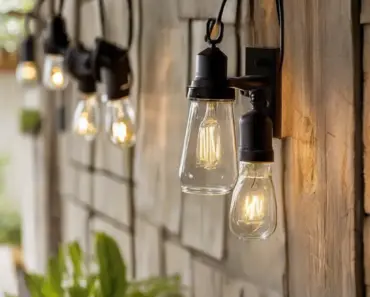
Lighting is crucial for creating a magical atmosphere, especially in the evening. Beyond the solar lights in the chandeliers, consider using string lights, lanterns, and spotlights to highlight key features of the garden. Experiment with different color temperatures to create the desired mood. Sue’s use of solar lights is a cost-effective and sustainable way to add nighttime ambience.
Repurposing Techniques:
Sue’s success is largely due to her innovative repurposing techniques. Here are a few ideas to inspire you:
- Pallets: Transform pallets into planters, benches, or vertical gardens.
- Tires: Paint old tires and use them as planters or decorative elements.
- Glass Bottles: Create colorful glass mosaics or use bottles to create whimsical sculptures.
Historical Context: The trend of repurposing found objects in gardens has roots in the Arts and Crafts movement of the late 19th and early 20th centuries, which emphasized handcrafted goods and a connection to nature. This movement was a reaction against the mass-produced objects of the Industrial Revolution, and it continues to inspire designers today.